

 Ver en contexto
 Enviar
 Compartir
 Detalles

 Descargar
 Similares
 Radiografía
 Presentación de diapositivas
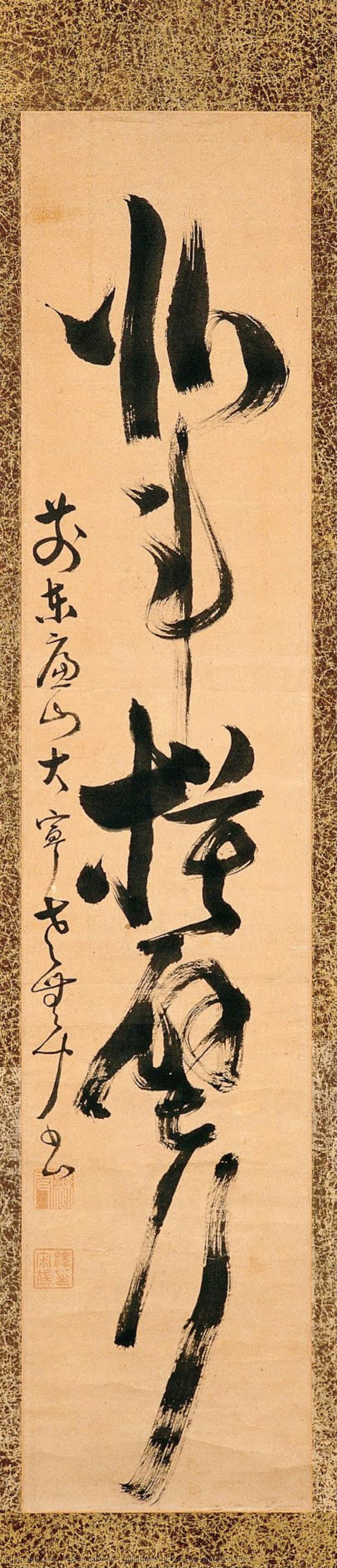
Calligraphy of Two Five-character Lines

 Ver más
Reproducción al óleo hecha a mano
Óleo sobre lienzo pintado a mano en el tamaño y marco de su elección, realizado por encargo por nuestros artistas. ( Comprar impresión Comprar imagen)




































Elija entre nuestros tamaños predefinidos que respetan las proporciones originales de la obra.

Puede ingresar sus propias dimensiones para adaptarse a un marco o espacio específico. Si el tamaño seleccionado no coincide con las proporciones de la imagen original, recortaremos la obra o extenderemos la pintura con elementos adicionales pintados a mano. Se le enviará una maqueta digital para su aprobación antes de comenzar la producción.
Tenga en cuenta que la vista previa en pantalla no refleja el recorte o la extensión reales. Solo la maqueta mostrará con precisión la composición final.
Si bien existen tamaños personalizados, recomendamos seleccionar una dimensión de la lista predefinida para preservar las proporciones originales.
Tras realizar el pedido, el equipo de ArtsDot.com enviará un correo electrónico al cliente para solicitar instrucciones y proporcionarle una vista previa del boceto.
Envío a todo el mundo () en 3-4 semanas en lugar de las 5 semanas estándar. (24 agosto). Sin comprometer la calidad.

Envío exprés gratuito a todo el mundo

Lienzo de lino de alta calidad

Seguro de envío total

Garantía de reembolso de impuestos aduaneros

Garantía de fidelidad cromática exacta

Política de devolución de 60 días (solo por defectos)

Garantía de devolución del 100% del dinero

Descuento por cantidad
 La opción de vidrio solo está disponible en tamaños inferiores a 110 cm.

Calligraphy of Two Five-character Lines
Técnica de reproducción
Dimensiones de la reproducción
-


Precio total final
$ 263
Obras relacionadas



Biografía del artista
Mumon Jakutan: The Silent Master of Two Lines
The world of Japanese calligraphy, particularly during the mid-Edo period (1683-1757), is a realm of profound discipline and breathtaking artistry. Within this landscape stands Mumon Jakutan, a Sōtō Zen monk whose legacy rests primarily on his iconic “Two Five-Character Lines” – a deceptively simple yet profoundly resonant composition that continues to captivate viewers centuries later. More than just a calligrapher, Jakutan was a master of conveying the essence of Zen philosophy through brush and ink, embodying a quiet intensity and a deep connection to the natural world.
Born in Kyoto, Jakutan’s early life remains somewhat shrouded in mystery. He initially trained as a painter before dedicating himself fully to calligraphy under Mutoku Ryōgo, inheriting his dharma (Buddhist teaching) in 1724. This lineage marked him as part of the influential Kano school, renowned for its meticulous technique and its role in visualizing the aesthetic principles of the Tokugawa shogunate. However, Jakutan distinguished himself not through elaborate displays of skill, but through a deliberate restraint – a philosophy that permeated every aspect of his work.
Jakutan’s primary residence was at Kakudenji Temple in Ōmi Province, a location that profoundly shaped his artistic sensibility. The temple's setting, nestled amongst the mountains and forests, instilled within him a deep appreciation for nature’s rhythms and its inherent beauty. This connection is powerfully reflected in his calligraphy; it isn’t merely an exercise in technical proficiency but rather a meditation on the interconnectedness of all things. His work often evokes a sense of stillness, inviting contemplation and a quiet understanding of the present moment – core tenets of Zen Buddhism.
The “Two Five-Character Lines”: A Study in Simplicity
Jakutan’s most famous creation, the “Two Five-Character Lines,” exemplifies this philosophy. The composition consists of two elegant lines, each containing five characters drawn in a precise and understated manner. Initially appearing simple, the work is layered with meaning. The characters themselves are chosen carefully – often reflecting themes of impermanence, emptiness, and the interconnectedness of existence. The deliberate spacing between the lines creates a visual dialogue, suggesting a dynamic tension rather than static separation.
What makes this piece so compelling isn’t its complexity but its profound simplicity. Jakutan masterfully uses negative space to enhance the impact of each stroke. The ink flows effortlessly across the paper, conveying a sense of effortless grace and control. The lines themselves are not forceful or assertive; they possess a subtle authority that commands attention without demanding it. It's a testament to his understanding that true beauty often resides in restraint and quiet contemplation.
Art historians believe the phrase represented by these lines, “南辰驚起漸” (Nanchin Kyōki Zen), translates roughly to "The Southern Stars Suddenly Rise Gradually." This evocative phrasing perfectly encapsulates Jakutan’s artistic philosophy – a gradual awakening through observation and understanding. The rising stars symbolize enlightenment, while the ‘gradually’ emphasizes the patient, mindful process of achieving it.
Training and Influence: A Legacy Within the Kano School
Jakutan's influence extended beyond his own creations. He served as a teacher at Kakudenji Temple, imparting his knowledge to subsequent generations of calligraphers. While he didn’t establish a formal studio in the same way as some other members of the Kano school, his teachings profoundly shaped the artistic development of those who studied under him. His emphasis on simplicity, naturalness, and the integration of Zen philosophy became a hallmark of his students' work.
Jakutan was also deeply connected to the broader artistic landscape of Edo-period Japan. He collaborated with other artists, including painters, and contributed to the decoration of temples and shrines. His work reflects influences from Chinese calligraphy and painting traditions, particularly in its use of brushwork and composition, but he always filtered these influences through his own unique sensibility.
Historical Significance: A Reflection of Zen Aesthetics
Mumon Jakutan’s legacy is not simply as a skilled calligrapher; it's as a profound embodiment of Zen aesthetics. His “Two Five-Character Lines” have become an iconic representation of Japanese art and philosophy, admired for their beauty, simplicity, and depth of meaning. They serve as a reminder that true artistry lies not in ostentatious displays of skill but in the ability to convey complex ideas through subtle gestures and quiet contemplation.
His work continues to resonate with viewers today, offering a timeless meditation on the nature of existence and the pursuit of enlightenment. Jakutan’s legacy endures as a testament to the power of art to inspire reflection, promote understanding, and connect us to something larger than ourselves.

mumon jakutan
1683 - 1757 , Japan
Datos clave
- Artistic Movement Or Style: Sōtō Zen calligraphy
- Date Of Death: 1757
- Full Name: Mumon Jakutan
- Nationality: Japanese
- Notable Artworks: ['Two Five-Character Lines']
- Place Of Birth: Ōmi Province, Japan

