

 Ver en contexto
 Enviar
 Compartir
 Detalles

 Descargar
 Similares
 Radiografía
 Presentación de diapositivas
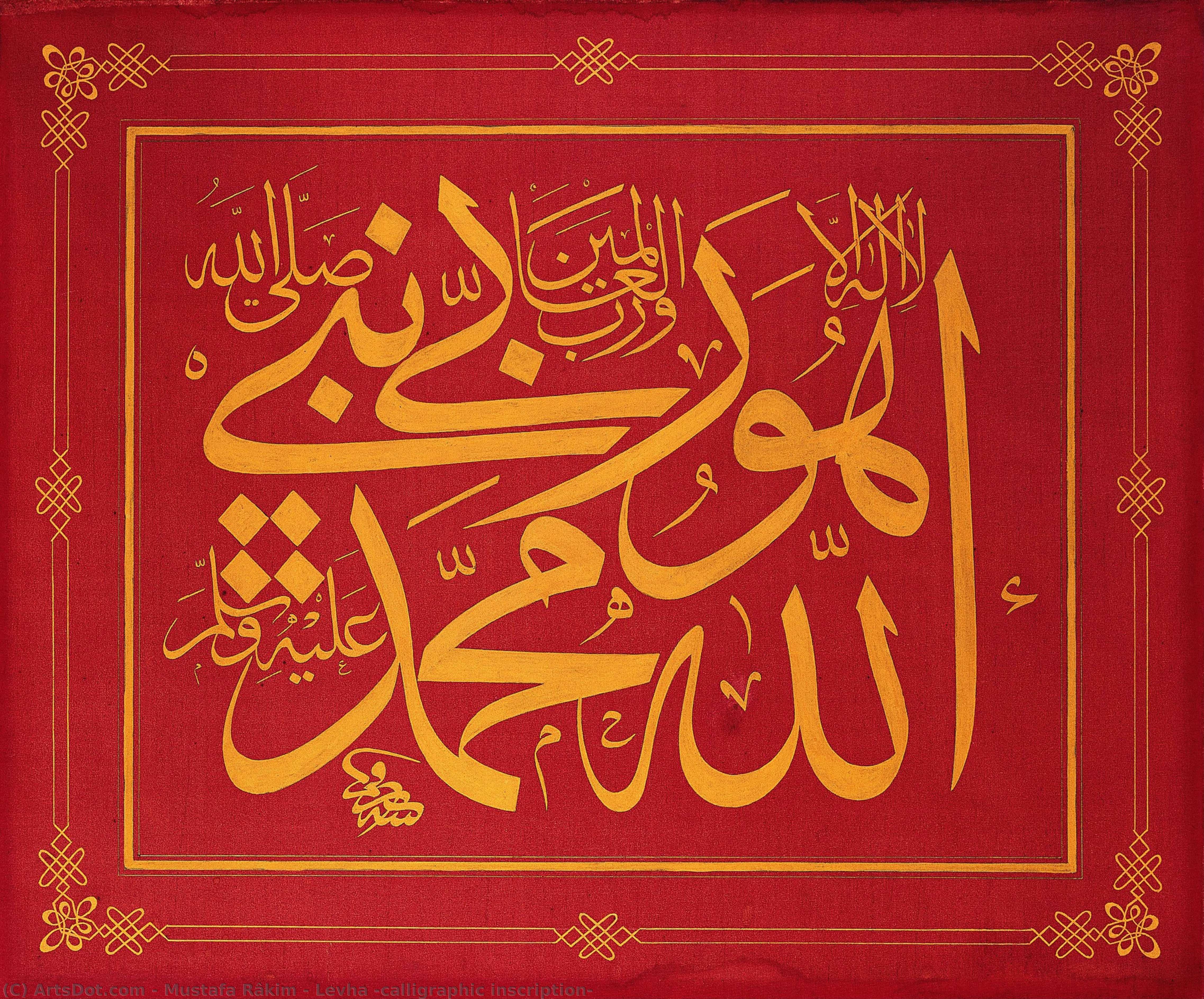
Levha (calligraphic inscription)
 Lithograph
- Islamic Calligraphy
 1700
1700- Early Modern
 58.0 x 48.0 cm
 Museo Sakıp Sabancı
 Ver más
Reproducción al óleo hecha a mano
Óleo sobre lienzo pintado a mano en el tamaño y marco de su elección, realizado por encargo por nuestros artistas. ( Comprar impresión Comprar imagen)




P118B $10

P118H $10

P118W $10

P438Z $10

P508JH $12

P508YH $12

P805H $10

P805Z $10

P919BZ $10

P919G $10

P919XJ $10

P959ZH $10

P968JZ $12

W106C $8

W218G $10

W218JH $8

W218Y $10

W307PJ $10

W316G $10

W316PJ $8

W316Y $10

W398PJ $8

W4111J $10

W500HY $15

W500JH $15

W692G $12

W849H $8

W940BG $15

W953PJ $8




Elija entre nuestros tamaños predefinidos que respetan las proporciones originales de la obra.

Puede ingresar sus propias dimensiones para adaptarse a un marco o espacio específico. Si el tamaño seleccionado no coincide con las proporciones de la imagen original, recortaremos la obra o extenderemos la pintura con elementos adicionales pintados a mano. Se le enviará una maqueta digital para su aprobación antes de comenzar la producción.
Tenga en cuenta que la vista previa en pantalla no refleja el recorte o la extensión reales. Solo la maqueta mostrará con precisión la composición final.
Si bien existen tamaños personalizados, recomendamos seleccionar una dimensión de la lista predefinida para preservar las proporciones originales.
Tras realizar el pedido, el equipo de ArtsDot.com enviará un correo electrónico al cliente para solicitar instrucciones y proporcionarle una vista previa del boceto.
Envío a todo el mundo () en 3-4 semanas en lugar de las 5 semanas estándar. (26 agosto). Sin comprometer la calidad.

Envío exprés gratuito a todo el mundo

Lienzo de lino de alta calidad

Seguro de envío total

Garantía de reembolso de impuestos aduaneros

Garantía de fidelidad cromática exacta

Política de devolución de 60 días (solo por defectos)

Garantía de devolución del 100% del dinero

Descuento por cantidad
 La opción de vidrio solo está disponible en tamaños inferiores a 110 cm.

Levha (calligraphic inscription)
Técnica de reproducción
Dimensiones de la reproducción
-


Precio total final
$ 263
Descripción de la obra
A Symphony of Crimson and Script
In the realm of Ottoman masterworks, few things command attention quite like the Levha, a calligraphic inscription that transcends mere writing to become a profound visual experience. This breathtaking piece, attributed to the legendary Mustafa Râkim, serves as a testament to the spiritual and aesthetic heights of the 18th-century Ottoman era. At first glance, the viewer is enveloped by a sea of deep, resonant crimson—a palette that ranges from the warmth of terracotta to the solemnity of dark garnet. This rich, monochromatic backdrop provides the perfect stage for the intricate dance of the Arabic script, where every curve and stroke is imbued with a sense of divine rhythm. The composition is masterfully balanced, utilizing a vertical orientation that draws the eye upward, mirroring the spiritual ascent intended by the sacred text.
The heart of this artwork lies in its subject: the Shahada, the Islamic declaration of faith. Through the meticulous application of the Sülüs script, Râ bek transforms linguistic meaning into architectural form. The calligraphy does not merely sit upon the surface; it builds a complex, layered landscape of interlocking letters and flowing flourishes. Each stroke is a deliberate act of devotion, where the precision of the line meets the fluidity of motion. For the collector or designer, this piece offers more than just decoration; it provides a focal point of immense gravity, where the density of the script creates a perceived texture that feels almost tactile, inviting the observer to linger on the mathematical perfection of its proportions.
The Legacy of a Master
To understand the brilliance of this Levha, one must look to the hands that shaped it. Mustafa Râkim was not merely a calligrapher; he was a revolutionary who redefined the boundaries of Ottoman art. While he drew deep inspiration from the classical foundations laid by Hâfiz Osman, Râkim possessed an insatiable drive for technical refinement. He approached the script with the eye of an architect and the soul of a poet, analyzing the very anatomy of letters to achieve an unprecedented level of elegance and clarity. This specific work embodies that pursuit of perfection, showcasing how the traditional Sülüs style can be elevated through a sophisticated command of space and weight.
Integrating such a masterpiece into a contemporary interior offers a unique opportunity to bridge the gap between historical reverence and modern luxury. The piece functions as a powerful anchor in a room, providing a sense of timelessness and cultural depth. Whether placed in a minimalist gallery-style setting or a richly textured classical study, the Levha radiates an aura of peace and intellectual sophistication. It is an investment in art that speaks to the eternal—a harmonious blend of religious devotion, historical mastery, and an aesthetic beauty that remains as captivating today as it was in the year 1700.
Obras relacionadas
Biografía del artista
Mustafa Râkim: A Pioneer of Ottoman Calligraphy
Born in Oyüzü, Turkey in 1757, Mustafa Râkim emerged as a transformative figure in the world of Ottoman art. His early life details remain somewhat scarce, but he swiftly demonstrated an exceptional talent for calligraphy – a highly revered art form within Ottoman culture. He dedicated himself to mastering the intricacies of Islamic script, setting the stage for his future innovations and establishing him as one of the most influential calligraphers of his time.Artistic Development and Influences
Influenced profoundly by Hâfiz Osman, a prominent calligrapher of the 18th century, Râkim initially followed in his predecessor’s footsteps. However, he didn't merely imitate; rather, he sought to refine and elevate Osman’s style, placing an unprecedented emphasis on technical perfection—a characteristic that would define his entire artistic trajectory. This unwavering pursuit of precision drove him to meticulously analyze the proportions and forms within both the Sülüs and Nesih scripts, recognizing their inherent beauty and striving to unlock their full potential.Key Achievements and Innovations
Râkim’s contribution to Ottoman calligraphy transcends mere stylistic replication; he fundamentally reshaped its landscape. Notably, he extended Osman's style, broadening its scope beyond just Sülüs to encompass the elegant Nesih script—a daring move that signaled a significant advancement in artistic expression. Furthermore, he achieved ideal measurement between letter thickness and pen thickness, establishing a new standard for beauty in Jali-Thuluth script and *Tughras* (the signature seals of Ottoman Sultans)—symbols of imperial authority—demonstrating an unparalleled mastery of craftmanship. Perhaps most remarkably, Râkim is recognized as the first great Turkish painter in the Western sense, marking a pivotal moment in Ottoman art history and showcasing his versatility beyond the realm of calligraphy. His portrait of Sultan Selim III captivated audiences and inspired a poem dedicated to his artistic genius—a testament to his ability to capture the essence of human emotion through visual representation.Historical Significance and Legacy
Mustafa Râkim’s impact on Ottoman calligraphy is undeniable; art historians delineate Turkish calligraphic history into “pre-Rakim” and “post-Rakim” eras, acknowledging his monumental role in shaping its evolution. He bridged the gap between traditional Islamic calligraphy and the burgeoning modern Turkish identity, influencing generations of artists to come and cementing his place as a cornerstone of Ottoman cultural heritage. His work continues to inspire admiration for its beauty and sophistication, serving as a lasting reminder of the transformative power of artistic innovation—a legacy that resonates powerfully within the annals of Ottoman art history. ## Exploring His Work Today Numerous calligraphic masterpieces by Mustafa Râkim can be found in museums such as the Kıp Sabancı Museum in Istanbul, Türkiye. Collections like the *Murakka* (calligraphic album) containing works by Kadıasker Mustafa İzzet Efendi also showcase the beauty and influence of Ottoman calligraphy stemming from Râkim’s groundbreaking innovations—a visual testament to his enduring artistic legacy.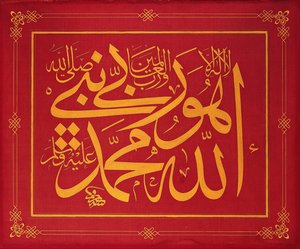
Mustafa Râkim
1757 - 1826 , Turquía
Datos clave
- Artistic Movement Or Style: Calligrafía otomana
- Artists Or Movements Influenced By This Artist: Hâfiz Osman
- Artists Who Influenced This Artist: Kadıasker Mustafa İzzet Efendi
- Date Of Birth: 1757
- Full Name: Mustafa Râkim Efendi
- Nationality: Turco
- Notable Artworks:
- Retrato del Sultán Selim III
- Levha (inscripción calligráfica)
- Place Of Birth: Oyüzü, Turquía
Artículos relacionados

Crimson Threads of Narrative: Exploring Symbolism & Representation in Artworks Featuring the Red Dress
Explore the rich symbolism of the red dress in art history! From ancient power displays to iconic portraits like Cézanne’s 'Madame Cezanne', discover the cultural and artistic significance behind this captivating color. Expert analysis & insights.
Mark Rothko: Las 25 Obras Maestras que Definen la Expresión Abstracta | ArtsDot
Descubre las 25 obras maestras de Mark Rothko, pionero del expresionismo abstracto. Explora la historia, el significado y los colores vibrantes que definen su arte emocional. Reproducciones de alta calidad en ArtsDot.com.
Henri Matisse: Las 25 Obras Maestras que Definieron un Genio del Color | ArtsDot
Descubre las 25 obras maestras de Henri Matisse, el rey del color y padre del fauvismo. Explora su arte moderno, lienzos vibrantes y la historia detrás de cada pintura icónica. Encuentra reproducciones de alta calidad en ArtsDot.com.

Kandinsky: Las 25 Obras Maestras del Pionero de la Abstracción | ArtsDot
Descubre las 25 obras maestras de Wassily Kandinsky, pionero del arte abstracto. Explora su expresionismo, composiciones únicas y la historia detrás de cada cuadro. Reproducciones de alta calidad para decorar tu hogar con arte moderno en ArtsDot.com.
Cy Twombly: Scribbles of Emotion – Deconstructing Post-War Expressionism Through Calligraphy & Abstraction
Explore the captivating world of Cy Twombly with ArtsDot. Discover the emotional depth & artistic significance behind his abstract calligraphy. Expert insights for collectors.

