

 Ver en contexto
 Enviar
 Compartir
 Detalles

 Descargar
 Similares
 Radiografía
 Presentación de diapositivas
 Estadísticas
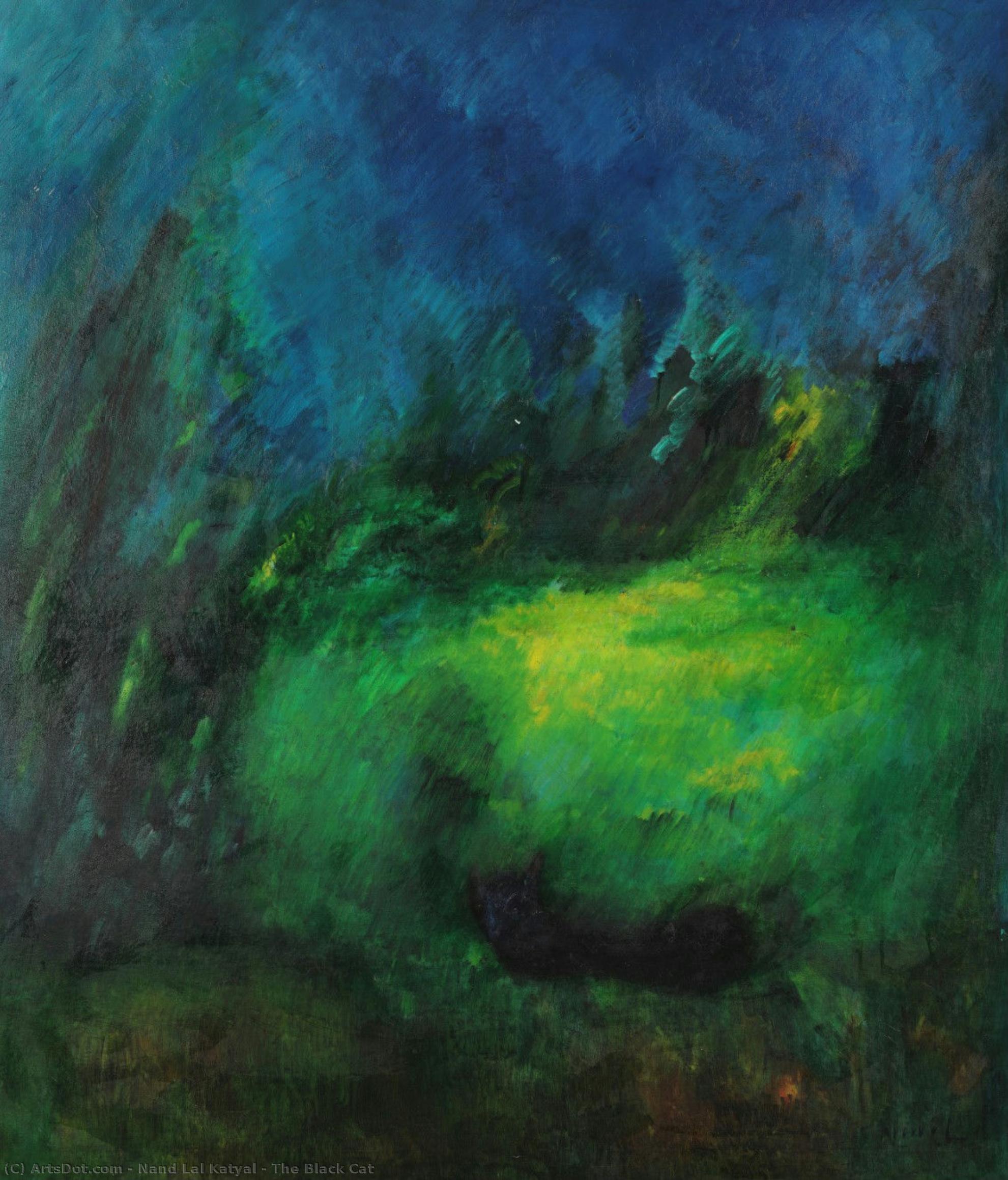
The Black Cat
 1982
1982 141.0 x 121.0 cm
 Museo de Kerala
 Ver más
Giclée / Impresión de arte
Impresiones giclée o en lienzo de calidad de museo con producción rápida y opciones de acabado flexibles. ( Comprar pintura hecha a mano Cambiar a imagen digital)




































Elija entre nuestros tamaños predefinidos que respetan las proporciones originales de la obra.

Puede introducir sus propias dimensiones para adaptarse a un marco o espacio específico. Si el tamaño seleccionado no coincide con las proporciones de la imagen original, recortaremos la obra de arte o extenderemos la imagen con un borde con efecto espejo o de color sólido. Se enviará una maqueta digital para su aprobación antes de que comience la producción.
Tenga en cuenta que la vista previa en pantalla no refleja el recorte o la extensión real. Solo la maqueta mostrará con precisión la composición final.
Aunque existen tamaños personalizados, recomendamos seleccionar una dimensión de la lista predefinida para preservar las proporciones originales.
Envío a todo el mundo () en 2 semanas en lugar de las 4/5 semanas estándar. (11 septiembre)

Envío exprés gratuito a todo el mundo

Lienzo de lino de alta calidad

Seguro de envío total

Garantía de reembolso de impuestos aduaneros

Garantía de fidelidad cromática exacta

Política de devolución de 100 días (solo por defectos)

Garantía de devolución del 100% del dinero

Descuento por cantidad
 La opción de vidrio solo está disponible en tamaños inferiores a 110 cm.

The Black Cat
Giclée / Impresión de arte
Dimensiones de la reproducción
-


Precio total final
$ 62
Obras relacionadas







Biografía del artista
Early Life and Artistic Roots
Nand Lal Katyal, born in Lahore, India (1935), possessed an artistic lineage that profoundly shaped his formative years. His father, Ram Lal Katyal, was himself a painter—a vocation instilled in Nand from childhood amidst the vibrant art circles of Lahore. This exposure to artistic materials and creative expression laid the groundwork for Nand’s future endeavors as an artist. The early influence of his father's passion served as a catalyst, nurturing within him a deep appreciation for visual arts and establishing a connection with the traditions of Indian painting. He pursued fine art at the Polytechnic in Delhi, gaining foundational knowledge that complemented his artistic sensibilities.Career Highlights: From Magazine Editor to Artistic Director
Katyal’s professional trajectory began with a stint as an art director for Span magazine, where he honed his editorial skills and cultivated an understanding of visual storytelling. This role demanded meticulous attention to detail and fostered his ability to communicate complex ideas through imagery—skills that would later prove invaluable in his artistic pursuits. Beyond journalism, he served as the secretary of Delhi Silpi Chakra from 1963 to 1967, immersing himself in the intellectual discourse surrounding Indian art and contributing to its dissemination within the broader community. Notably, he directed the Tenth Triennale India in 2001, a landmark event showcasing contemporary artistic talent and furthering dialogue between artists and audiences.Notable Achievements and Recognition
Katyal’s dedication to his craft garnered significant acclaim throughout his career. He was awarded the National Award in 1995—a testament to his artistic merit and contribution to Indian art—and received a felicitation at the Tenth Rashtriya Kala Mela in 1997, recognizing his enduring presence within the national art landscape. Furthermore, he served as part of the five-member jury for National Awards of Lalit Kala Akademi in 2004, demonstrating his expertise and commitment to evaluating artistic excellence. His paintings have been exhibited extensively across India and internationally, cementing his reputation as a respected figure in the Indian art world.Artistic Style and Influences: Echoes of Indian Art Movements
Katyal’s artistic style is characterized by bold colors and expressive brushstrokes—a stylistic hallmark that reflects the spirit of the Indian art movement of the early 20th century. This movement sought to liberate itself from European conventions, prioritizing indigenous themes and aesthetics. Katyal's paintings often depict scenes from rural India, capturing the essence of everyday life with remarkable sensitivity and detail. His work draws inspiration from masters such as Raja Ravi Verma and Rao Bahadur Mahadev Vishwanath Dhurandhar Frsa—artists who championed Indian artistic identity and pushed boundaries of creative expression. He skillfully employs vibrant hues and dynamic compositions to convey emotion and narrative—techniques rooted in the traditions of Indian painting. Katyal’s canvases resonate with a profound understanding of color theory and perspective, mirroring the stylistic innovations that defined the era.Contemporary Work and Legacy
Currently residing in Garhi, Delhi, Katyal continues to practice his art with unwavering passion. His enduring legacy as a prominent Indian artist resides not only in his celebrated paintings but also in his role as an educator and mentor—passing on his knowledge and fostering the creativity of aspiring artists. He remains committed to exploring new artistic horizons while honoring the foundational principles that guided his earlier work—a testament to his lifelong devotion to art and its transformative power. Katyal’s contribution to Indian art is undeniable, securing his place among the most influential painters of his generation.
Nand Lal Katyal
1935 - , India
Datos clave
- Artistic Movement Or Style: Indian Art Movement
- Artists Who Influenced This Artist:
- Raja Ravi Verma
- Raobahadur Mahadev Vishwanath Dhurandhar Frsa
- Date Of Birth: January 30, 1935
- Date Of Death: Living
- Full Name: Nand Lal Katyal
- Nationality: Indian
- Notable Artworks:
- The Black Cat
- Seascape Autumn Morning
- Place Of Birth: Lahore, India