

 Ver en contexto
 Enviar
 Compartir
 Detalles

 Descargar
 Similares
 Radiografía
 Presentación de diapositivas
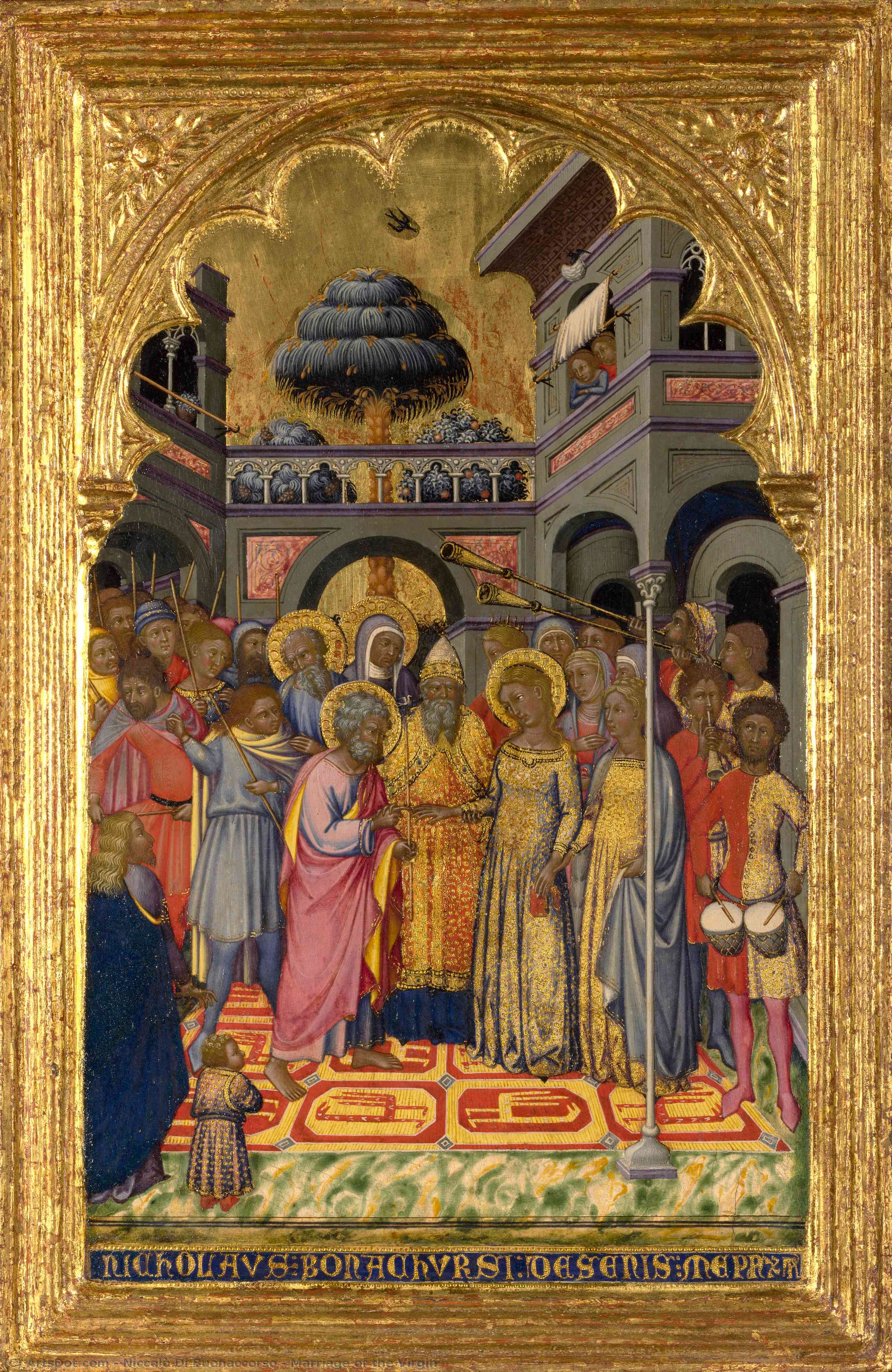
Marriage of the Virgin

 Ver más
Giclée / Impresión de arte
Impresiones giclée o en lienzo de calidad de museo con producción rápida y opciones de acabado flexibles. ( Comprar pintura hecha a mano Comprar imagen)




































Elija entre nuestros tamaños predefinidos que respetan las proporciones originales de la obra.

Puede introducir sus propias dimensiones para adaptarse a un marco o espacio específico. Si el tamaño seleccionado no coincide con las proporciones de la imagen original, recortaremos la obra de arte o extenderemos la imagen con un borde con efecto espejo o de color sólido. Se enviará una maqueta digital para su aprobación antes de que comience la producción.
Tenga en cuenta que la vista previa en pantalla no refleja el recorte o la extensión real. Solo la maqueta mostrará con precisión la composición final.
Aunque existen tamaños personalizados, recomendamos seleccionar una dimensión de la lista predefinida para preservar las proporciones originales.
Envío a todo el mundo () en 2 semanas en lugar de las 4/5 semanas estándar. (29 agosto)

Envío exprés gratuito a todo el mundo

Lienzo de lino de alta calidad

Seguro de envío total

Garantía de reembolso de impuestos aduaneros

Garantía de fidelidad cromática exacta

Política de devolución de 60 días (solo por defectos)

Garantía de devolución del 100% del dinero

Descuento por cantidad
 La opción de vidrio solo está disponible en tamaños inferiores a 110 cm.

Marriage of the Virgin
Giclée / Impresión de arte
Dimensiones de la reproducción
-


Precio total final
$ 62
Obras relacionadas
Biografía del artista
Niccolò di Buonaccorso: A Sienese Master of Illusionistic Detail
Niccolò di Buonaccorso, also niccolò di niccolò di buonaccorso or bonaccorso, was an italian painter and one of the most prominent sienese painters of the 14th century. The small body of his work that survives showcases the artist’s highly refined miniaturist technique—a remarkable feat considering the artistic climate of his era. Born around 1388 in Siena, Buonaccorso's lineage speaks volumes about his immersion in the traditions of sienese painting during the Trecento, inheriting a heritage from masters like Jacopo di Mino del Pellicciaio and Pietro Lorenzetti – artists who revolutionized visual representation with groundbreaking innovations in perspective and color.Early Career & Guild Membership
Niccolò’s artistic journey began formally when he enrolled in the guild of sienese painters in 1355, a pivotal moment establishing his professional identity within Siena’s thriving artistic community. This affiliation wasn't merely about economic stability; it signified membership into a network of skilled craftsmen and intellectuals dedicated to upholding sienese artistic standards—a testament to Buonaccorso’s commitment to excellence and tradition. Guild affiliations fostered collaboration and facilitated access to patronage, shaping the trajectory of Buonaccorso’s career and solidifying his reputation as a respected artist within Siena's cultural landscape.Political Involvement & Civic Engagement
Beyond his artistic pursuits, Niccolò demonstrated an active engagement with civic life—a characteristic trait of sienese artists during the Trecento who viewed their role as extending beyond mere craftsmanship to encompass participation in governance and public affairs. From May and June 1372 and March and April 1376, Buonaccorso served on the government of siena – a position demanding astute judgment and unwavering dedication—reflecting Siena’s dynamic political environment and highlighting Buonaccorso's willingness to contribute to shaping the city’s destiny alongside his artistic endeavors. This involvement underscores the interconnectedness between art and politics in medieval Siena, portraying Buonaccorso as an artist deeply rooted in his community’s values and aspirations.Honorary Gonfaloniere & Societal Recognition
In 1381, Niccolò ascended to the role of honorary gonfaloniere in the parish of san martino—a distinction signifying profound respect within sienese society. The gonfaloniere served as a symbol of civic pride and responsibility, tasked with upholding law and order and representing the interests of the citizenry – roles that demanded charisma and integrity. Buonaccorso’s election underscored his standing amongst Siena's elite, demonstrating not only artistic talent but also social influence and trustworthiness—a testament to his character and contribution to sienese cultural life.Notable Commissions & Artistic Achievements
Buonaccorso’s artistic reputation solidified through significant commissions, notably the undertaking to decorate the capello over the high altar of Siena Cathedral in 1376 – a project that exemplifies his mastery of illusionistic techniques and spatial representation. This ambitious endeavor showcased Buonaccorso's ability to transform architectural space into a breathtaking visual experience—a hallmark of sienese painting during the Trecento, where artists sought to convey divine grandeur through masterful perspective and vibrant color palettes. Furthermore, he created a panel depicting Daniel for the cathedral altar in 1383 – a piece that exemplifies Buonaccorso’s meticulous attention to detail and his skill in narrating biblical stories with profound emotional resonance.The Marriage of the Virgin
The Marriage of the Virgin, housed in the National Gallery, stands as one of Buonaccorso's most celebrated works—a testament to his unparalleled technical prowess and stylistic innovation. The painting’s delicate rendering of drapery and its subtle use of aerial perspective create an illusionistic depth that transports viewers into the sacred space depicted. Buonaccorso skillfully captured the ethereal beauty of Mary and Joseph, embodying the ideals of piety and grace prevalent in sienese art during his time—a masterpiece that continues to captivate audiences with its exquisite craftsmanship and evocative imagery.The Polyptych Fragment
Although only two signed works survive – The Marriage of the Virgin and a fragmentary polyptych dated 1387 – these pieces offer invaluable insight into Buonaccorso’s artistic style and technical prowess. The fragmentary polyptych exemplifies Buonaccorso's ambition to tackle large-scale projects and his dedication to exploring complex compositional arrangements—a characteristic trait of sienese painters who sought to elevate religious art through monumental scale and dramatic visual impact. Despite its incomplete state, the polyptych remains a compelling demonstration of Buonaccorso’s artistic vision and mastery of technique.Style & Influences
Buonaccorso's artistic style aligns closely with that of sienese masters from the Trecento, particularly Jacopo di Mino del Pellicciaio and Pietro Lorenzetti. He skillfully employed illusionistic techniques—such as aerial perspective—to create convincing representations of space and depth, mirroring the stylistic innovations prevalent during his time. Buonaccorso’s work absorbed influences from Simone Martini – a fellow sienese artist known for his refined elegance and expressive brushwork – reflecting the broader artistic landscape of Siena during the late 14th century. His meticulous attention to detail and refined technical skill distinguish him as a standout figure within sienese painting—a legacy that continues to inspire admiration for its beauty, precision, and masterful execution. Buonaccorso’s contribution to sienese art is significant not only for his stylistic achievements but also for his participation in the civic life of Siena during a period marked by political upheaval and artistic flourishing.Historical Significance
Niccolò di Buonaccorso's legacy resides in his embodiment of sienese artistic ideals—a testament to the enduring influence of Trecento painting traditions on subsequent generations of artists. His paintings serve as tangible reminders of Siena’s cultural vibrancy during a pivotal moment in European history, demonstrating the transformative power of art and its capacity to shape perceptions of beauty and spirituality. Buonaccorso's work continues to inspire awe for its artistic excellence—a beacon of sienese creativity and a cornerstone of medieval art history.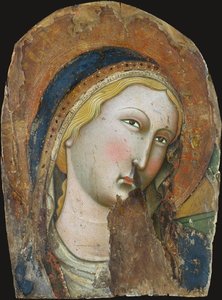
Niccolò di Buonaccorso
1388 , Italia
Datos clave
- Artistic Movement Or Style: Trecento Realismo
- Artists Who Influenced This Artist:
- Simone Martini
- Paolo di Giovanni Fei
- Date Of Birth: Siena, Italia ()
- Date Of Death: 1388
- Full Name: Niccolò di Buonaccorso
- Nationality: Italian
- Notable Artworks:
- Matrimonio della Vergine
- Cristo crucificado entre las santas vírgenes María Magdalena
- Daniel Panel Siena
- Place Of Birth: Siena
Artículos relacionados
Las 10 Obras Maestras del Alto Medieval: Arte, Historia y Decoración Exclusiva
Descubre las 10 obras maestras del Alto Medieval. Explora la historia, el simbolismo y la belleza de la pintura románica y gótica. Reproducciones exclusivas en ArtsDot.com para decorar tu hogar con arte atemporal.
Romantic Realism's Finest: 10 Masterpieces for Your Home | ArtsDot
Explore 10 defining masterpieces of Romantic Realism! Discover Courbet, Millet & Daumier's powerful paintings—capturing emotion and social realities. Find museum-quality reproductions for your home at ArtsDot.com.
10 Obras Maestras Medievales que Definen el Arte (y tu Hogar)
Descubre 10 obras maestras del arte medieval, desde Duccio a Van Eyck. Explora la historia, simbolismo y belleza de Giotto, Simone Martini y más. Encuentra reproducciones de alta calidad para decorar tu hogar en ArtsDot.com.
El Crepúsculo Radiante de la Visión Medieval: Fe, Forma y Emotividad en el Arte Gótico Tardío (c. 1300-1500)
Explore el esplendor del arte gótico tardío (c. 1300-1500). Descubra la síntesis de fe, forma y emoción en la pintura internacional, los retablos medievales y la influencia de Giotto. Análisis experto.
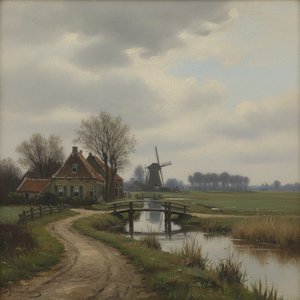
Jacob Henricus Maris: A Master of Dutch Atmospheric Realism & the Intimate Landscape
Explore the captivating world of Jacob Henricus Maris, a leading figure of the Dutch Hague School. Discover his atmospheric landscapes, signature brushstrokes & lasting influence on 19th-century art. Learn more at ArtsDot.

