

 Ver en contexto
 Enviar
 Compartir
 Detalles

 Descargar
 Similares
 Radiografía
 Presentación de diapositivas
 Stats
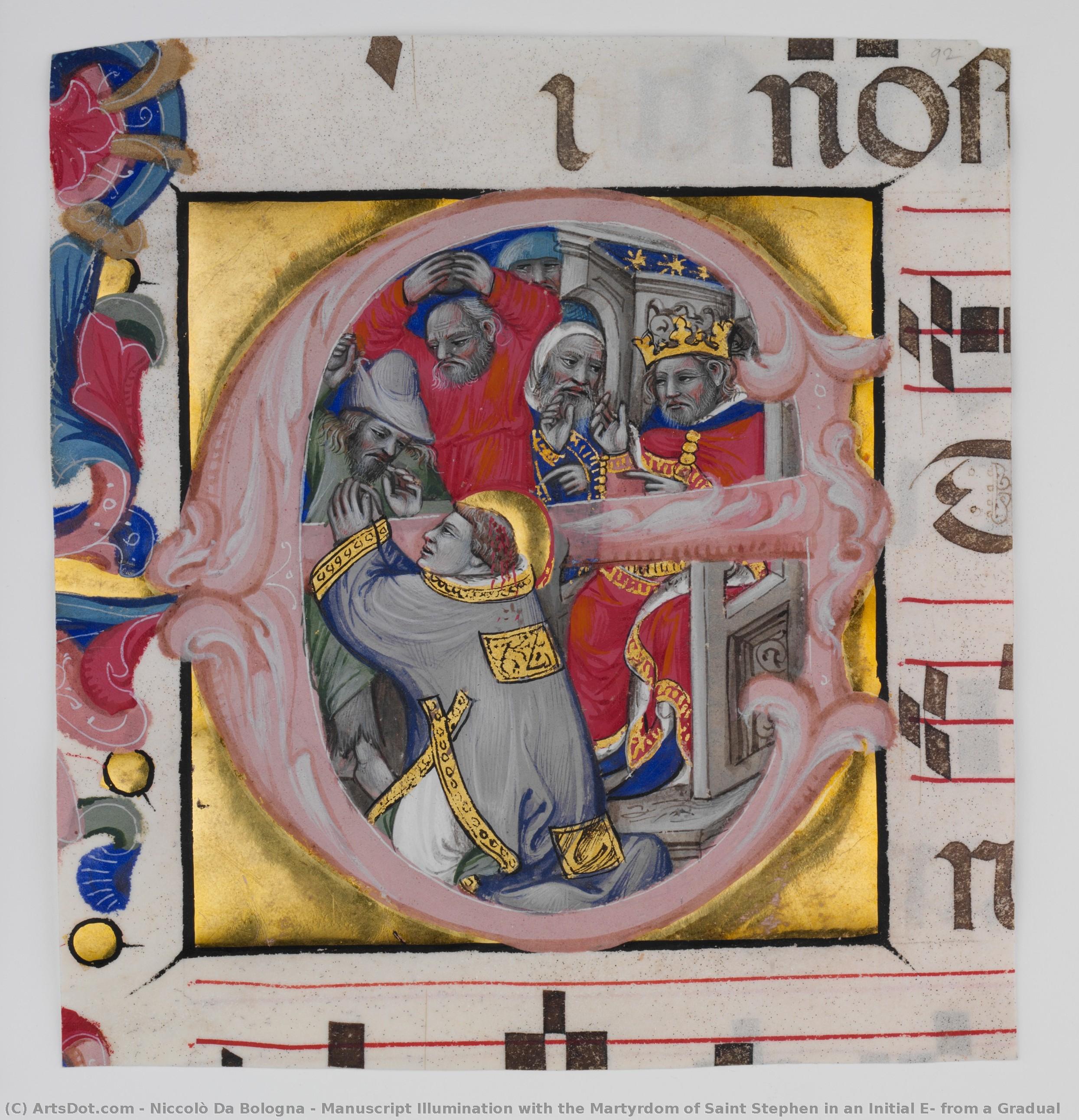
StatsManuscript Illumination with the Martyrdom of Saint Stephen in an Initial E, from a Gradual
 1402
1402 19.0 x 18.0 cm
 Ver más
Reproducción al óleo hecha a mano
Óleo sobre lienzo pintado a mano en el tamaño y marco de su elección, realizado por encargo por nuestros artistas. ( Switch to Print Switch to Digital Image)




































Elija entre nuestros tamaños predefinidos que respetan las proporciones originales de la obra.

Puede ingresar sus propias dimensiones para adaptarse a un marco o espacio específico. Si el tamaño seleccionado no coincide con las proporciones de la imagen original, recortaremos la obra o extenderemos la pintura con elementos adicionales pintados a mano. Se le enviará una maqueta digital para su aprobación antes de comenzar la producción.
Tenga en cuenta que la vista previa en pantalla no refleja el recorte o la extensión reales. Solo la maqueta mostrará con precisión la composición final.
Si bien existen tamaños personalizados, recomendamos seleccionar una dimensión de la lista predefinida para preservar las proporciones originales.
Tras realizar el pedido, el equipo de ArtsDot.com enviará un correo electrónico al cliente para solicitar instrucciones y proporcionarle una vista previa del boceto.
Envío a todo el mundo () en 3-4 semanas en lugar de las 5 semanas estándar. (8 septiembre). Sin comprometer la calidad.

Envío exprés gratuito a todo el mundo

Lienzo de lino de alta calidad

Seguro de envío total

Garantía de reembolso de impuestos aduaneros

Garantía de fidelidad cromática exacta

Política de devolución de 100 días (solo por defectos)

Garantía de devolución del 100% del dinero

Descuento por cantidad
 La opción de vidrio solo está disponible en tamaños inferiores a 110 cm.

Manuscript Illumination with the Martyrdom of Saint Stephen in an Initial E, from a Gradual
Técnica de reproducción
Dimensiones de la reproducción
-


Precio total final
$ 263
Obras relacionadas






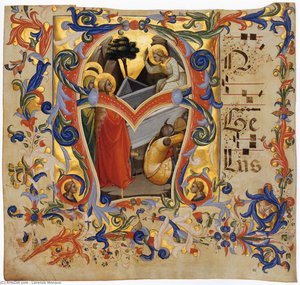
Biografía del artista
Niccolò di Giacomo da Bologna: A Master of Bolognese Manuscript Illumination
Niccolò di Giacomo da Bologna (c. 1325 – c. 1403), commonly known as Niccolò da Bologna, stands as one of the most influential figures in fourteenth-century Bolognese manuscript illumination—a field where he achieved unparalleled renown and established a workshop that produced some of the finest artworks of its time. His distinctive style, characterized by dynamic figures and densely populated narrative scenes brimming with emotion and detail, cemented his place among the leading artists of the era alongside Giorgio de Chirico and Carlo Carrà. ### Early Life and Artistic Beginnings Information regarding Niccolò’s formative years remains elusive, shrouded in the mists of history. However, it is established that he was born in Bologna around 1325—a city renowned for its burgeoning artistic patronage during the Renaissance. His initial foray into art began with manuscript illumination, a craft deeply rooted in Bolognese tradition and inextricably linked to the intellectual fervor of the university. Notably, his earliest documented commissions involved copies of Gratian’s *Decretales*, a cornerstone text of canon law—a testament to the importance of legal scholarship within Bolognese society. These early works demonstrated an impressive grasp of technique and foreshadowed the stylistic innovations that would define his subsequent career. The precise details of his upbringing are scant, leaving historians to speculate on influences from humanist thinkers and artistic traditions prevalent in Florence during this period. ### Artistic Style and Technique: Dynamism and Narrative Power Niccolò’s artistic style is instantly recognizable for its expressive dynamism and masterful depiction of narrative scenes. Unlike many contemporary illuminators who favored stylized representations, Niccolò embraced a more naturalistic approach, prioritizing emotional impact over mere visual accuracy. His workshop produced an astonishing variety of manuscripts—ranging from university texts exploring theological debates to liturgical choir books intended for ecclesiastical worship and private devotional volumes reflecting the spiritual aspirations of wealthy patrons. A particularly noteworthy aspect of his output was the creation of specialized books for corporate groups within Bologna – statute books documenting civic governance and guild registers recording the activities of artisan guilds—demonstrating a keen understanding of social context and artistic responsiveness to practical needs. His figures are imbued with palpable energy, conveying movement and gesture with remarkable precision. The crowded compositions he crafted—often exceeding several square feet in size—are filled with intricate details that invite prolonged contemplation. Niccolò skillfully employed color palettes rich in vibrant hues, enhancing the emotional intensity of his scenes and creating visual illusions that captivated viewers. Furthermore, he demonstrated a mastery of perspective—a technique still under development during this period—to achieve spatial depth and heighten realism. This innovative approach distinguished him from many of his peers and established him as a pioneer of Bolognese artistic expression. ### Notable Works and Patronage Niccolò’s artistic legacy is secured by several outstanding surviving manuscripts, which now reside in prestigious museums across Europe. Among these treasures are reproductions of Gratian's *Decretales*, showcasing his early technical prowess and stylistic sensibilities; and a magnificent illumination depicting the Martyrdom of Saint Stephen—a poignant portrayal of religious devotion executed with exceptional artistry. His workshop’s output benefited from considerable patronage, particularly from influential Bolognese families and civic institutions. This support enabled him to sustain a prolific artistic practice for decades, ensuring that his work would endure as a symbol of Bolognese artistic excellence. The Museo Nazionale Etrusco Lazio e Umbria houses several impressive panels attributed to Niccolò da Bologna, highlighting the breadth of his artistic endeavors. ### Legacy and Influence Niccolò di Giacomo da Bologna's influence extended far beyond the confines of his workshop and immediate surroundings. He served as illuminator to the city of Bologna from approximately 1385—a position that afforded him considerable prestige and solidified his reputation as a leading artist of his time. His nephew, Jacopo di Paolo, continued the family’s artistic tradition, establishing a lineage of skilled craftsmen who perpetuated Bolognese manuscript illumination for generations. Today, Niccolò's work continues to inspire admiration among art historians and scholars—a testament to his enduring contribution to the visual arts and the cultural heritage of Italy. His reproductions can be found in institutions like Palazzo D’Accursio Museum in Bologna. He is remembered as a pivotal figure in shaping Bolognese artistic identity during the fourteenth century, marking him as one of the foremost masters of his era.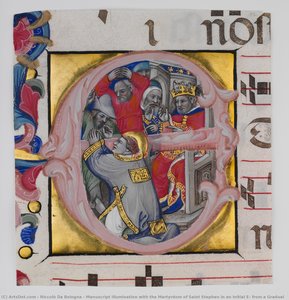
Niccolò da Bologna
Italia
Datos clave
- Artistic Movement Or Style: Manuscript illumination
- Artists Who Influenced This Artist:
- Giorgio de Chirico
- Carlo Carrà
- Date Of Birth: c. 1325
- Date Of Death: c. 1403
- Full Name: Niccolò di Giacomo da Bologna
- Nationality: Italian
- Notable Artworks:
- Madonna and Child Enthroned
- Laminatoio per pasta
- Place Of Birth: Bologna, Italy