

 Ver en contexto
 Enviar
 Compartir
 Detalles

 Descargar
 Similares
 Radiografía
 Presentación de diapositivas
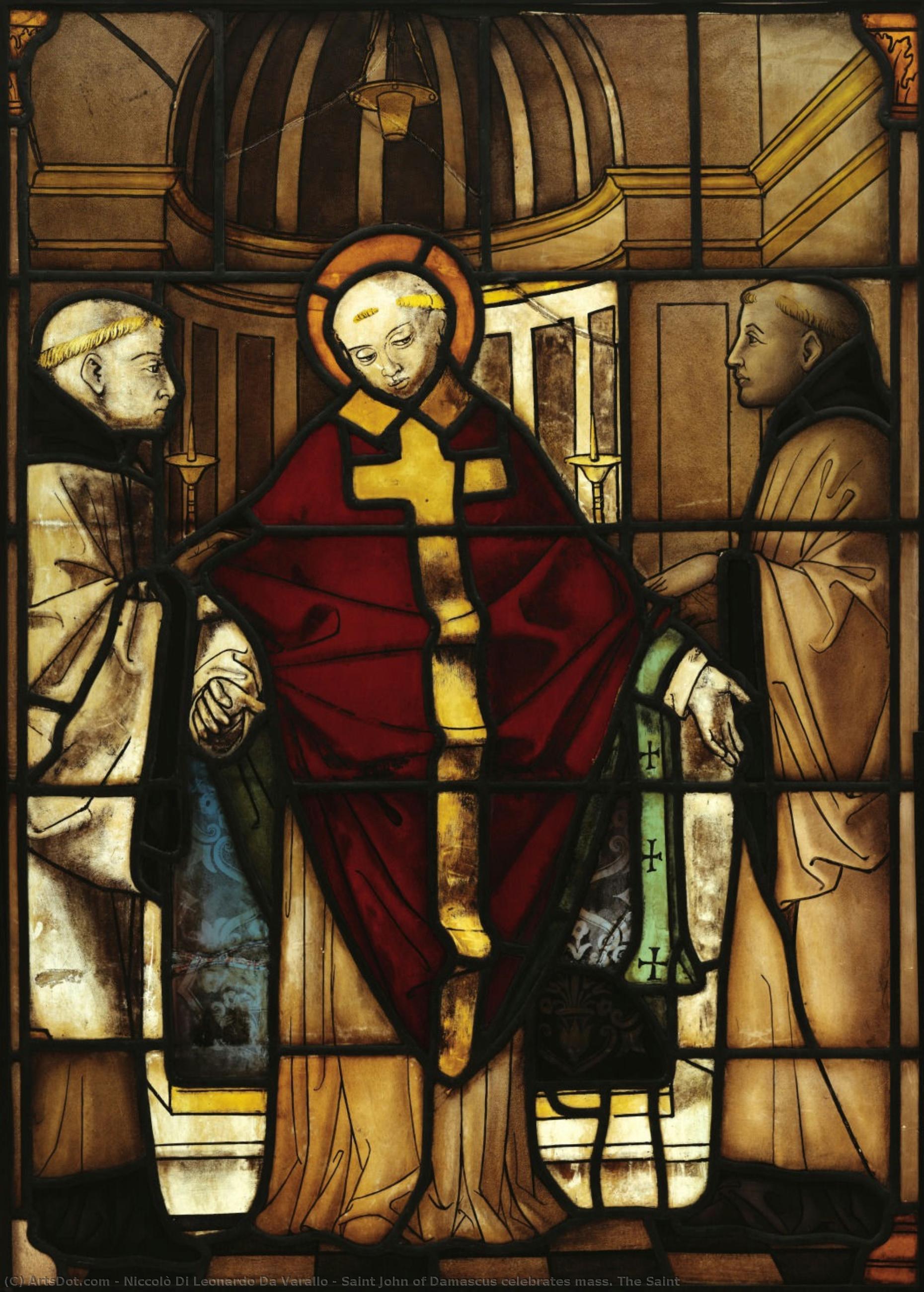
Saint John of Damascus celebrates mass. The Saint


 Ver más
Adquiera una imagen digital de alta resolución y optimizada, muy superior a la vista previa en línea.
Cada archivo es preparado meticulosamente por nuestros especialistas internos mediante el uso de herramientas avanzadas y un experto retoque manual. Nos aseguramos de que cada imagen posea una claridad excepcional, una precisión cromática impecable y un detalle minucioso.
El archivo final se entrega por correo electrónico en un plazo de 72 horas, optimizado para su uso inmediato en entornos profesionales, editoriales y de impresión. Esta es la misma calidad en la que confían los estudios de diseño, las editoriales y las galerías de primer nivel.
Imagen Digital
Descarga un archivo de alta resolución para exhibición personal, impresión y proyectos creativos. ( Comprar impresión Comprar pintura hecha a mano)
Incluido en cada pedido de imágenes digitales
Entrega digital experta, garantizada.
Al elegir ArtsDot.com, no solo está adquiriendo una imagen; está recibiendo una obra de arte digital mejorada profesionalmente, elaborada con precisión y respaldada por una garantía de satisfacción. Esto es todo lo que incluye su pedido, automáticamente:

Entrega rápida por email
Recibirá su archivo de imagen digital en alta resolución por correo electrónico en un plazo de 72 horas tras realizar su pedido, listo para su uso inmediato.

Archivo digital optimizado por IA
Su obra de arte se optimiza profesionalmente mediante herramientas avanzadas de IA y edición manual, garantizando el máximo detalle, claridad y precisión cromática.

Reenvío gratuito de por vida
¿Has borrado o perdido tu archivo por error? No te preocupes: te lo volveremos a enviar en cualquier momento, sin coste adicional.

Sin gastos de importación, siempre
Disfrute de su obra de arte al instante sin aduanas, aranceles ni gastos de envío; las descargas digitales siempre están libres de impuestos.

Garantía de fidelidad de color
Garantizamos que su imagen digital refleje los colores originales con la mayor fidelidad posible, mediante el uso de herramientas profesionales y gestión del color.

Garantía de satisfacción de 60 días
Si no está satisfecho con su imagen digital, la revisaremos o le reembolsaremos el 100% en un plazo de 60 días, sin preguntas.

100% Garantía de devolución de dinero
¿No está satisfecho? Obtenga un reembolso completo dentro de los 60 días posteriores a la recepción de su archivo digital, sin necesidad de explicaciones.

Descuentos por pedidos grandes
Compra 3 imágenes, ahorra 10% - Compra 5, ahorra 15% - Compra 10+, ahorra 20%. Ideal para proyectos creativos, galerías y agencias.
The Divine Tableau: Unveiling Niccolò da Varallo’s “Saint John of Damascus Celebrates Mass”
Within the hallowed halls of Milan Duomo, nestled amongst a tapestry of stained-glass narratives, resides a panel of singular beauty and profound spiritual resonance – Niccolò da Varallo's "Saint John of Damascus Celebrates Mass." Completed between 1479 and 1489, this work transcends mere decoration; it’s a vibrant testament to the burgeoning artistic spirit of the Venetian Renaissance, infused with the solemnity of Byzantine iconography. More than just a depiction of a religious ceremony, it's a carefully constructed drama of faith, authority, and divine grace, rendered in the rich hues and meticulous detail characteristic of Varallo’s masterful hand.
The panel captures a pivotal moment in the life of Saint John of Damascus, a 7th-century Syrian monk and theologian. He is depicted at the apex of his ministry – leading a mass, flanked by clerics and deacons, radiating an aura of serene authority. The composition isn’t merely observational; it's deliberately theatrical, drawing the viewer into the heart of the sacred event. Varallo masterfully employs perspective to create a sense of depth, guiding our gaze across the scene towards the central figure of Saint John, bathed in a luminous glow that elevates him above the earthly realm.
A Window into Venetian Gothic and Byzantine Influence
Varallo’s style is a fascinating synthesis of Venetian Gothic and Byzantine traditions. The influence of Venice—renowned for its opulent artistry and embrace of innovation—is evident in the panel's rich color palette, particularly the deep blues, reds, and golds that dominate the scene. However, the composition itself echoes the formal rigor and symbolic weight of Byzantine iconography, a style deeply ingrained in Varallo’s artistic lineage through his family’s glassmaking heritage. The figures are rendered with a dignified solemnity, their gestures precise and imbued with spiritual significance – a deliberate nod to the established conventions of religious art.
The panel's origins within Milan Duomo further illuminate its context. Commissioned by the College of Apothecaries in honor of Saint John’s patronage as the protector of pharmacists, it represents a tangible expression of civic piety and guild pride. The meticulous craftsmanship—the delicate tracery of the glass, the precise rendering of drapery, and the subtle gradations of color—demonstrates Varallo's exceptional skill and dedication to his craft. The triptych format, with this central panel forming its core, speaks to a desire for immersive storytelling – inviting viewers to contemplate the saint’s life and legacy.
Symbolism and Emotional Resonance
Beyond its technical brilliance, “Saint John of Damascus Celebrates Mass” is rich in symbolic meaning. The act of mass itself represents divine communion, a tangible connection between the earthly and the celestial realms. Saint John's posture—composed, yet radiating an inner peace—suggests his unwavering faith and devotion. The presence of the clerics and deacons underscores the hierarchical structure of the Church, while the inclusion of simple chairs hints at the everyday rituals that sustain this sacred practice.
Notably, the panel’s design incorporates elements of mourning and remembrance. The figure of Saint John is depicted in a moment of profound contemplation, suggesting the weight of his past struggles—the severing of his hand as punishment for speaking out against injustice. This duality – triumph over adversity juxtaposed with a quiet sorrow – imbues the work with an emotional depth that resonates powerfully with viewers. The overall effect is one of serene grandeur, inviting reflection on themes of faith, justice, and divine grace.
A Legacy in Glass: Reproduction and Appreciation
Today, reproductions of “Saint John of Damascus Celebrates Mass” continue to captivate audiences worldwide. ArtsDot offers meticulously crafted hand-painted copies that faithfully capture the essence of Varallo’s original masterpiece, allowing art lovers to experience its beauty and spiritual depth in their own homes. These reproductions serve not only as decorative objects but also as windows into a remarkable artistic tradition—a testament to the enduring power of faith, artistry, and human creativity.
Obras relacionadas
Biografía del artista
El legado luminoso de Niccolò da Varallo
En el corazón del Renacimiento italiano, donde la luz y la sombra comenzaron a danzar con un realismo recién descubierto, el nombre de Niccolò da Varallo emerge como un maestro de la brillantez. Nacido alrededor de 1425 en la agreste belleza de Varallo della Val d'Oro, Lombardía, su propio linaje estaba impregnado de la alquimia del color. Como hijo de Leonardo da Varallo, un hábil vidriero, Niccolò heredó más que un simple apellido; heredó una comprensión profunda de cómo la luz interactúa con el medio, un don que más tarde definiría su enfoque revolucionario de las vidrieras y los frescos.
Si bien gran parte de sus primeros años permanece velada por las brumas de la historia, su trayectoria artística fue indudablemente moldeada por las vibrantes corrientes culturales de Milán. Se cree que perfeccionó su oficio bajo la tutela del Maestro Giovanni Battista Sant'Anna, una figura prominente en la pintura milanesa. Esta mentoría proporcionó a Niccolò un puente entre las meticulosas y ornamentales tradiciones de la era gótica y el floreciente humanismo del Renacimiento. A través de esta formación, dominó la capacidad de tejer complejas narrativas teológicas en tapices visuales que buscaban tanto la trascendencia espiritual como la precisión técnica.
Un maestro de la luz y el cristal
La contribución más perdurable de Niccolò al mundo del arte reside en sus impresionantes encargos de vidrieras para la Catedral de Milán. En estas obras, trascendió los límites tradicionales del medio, alejándose de diseños estáticos y planos hacia un estilo narrativo más dinámico y emotivo. Sus paneles no son meramente ventanas, sino portales hacia lo divino, caracterizados por una fusión de paletas cromáticas venecianas y la intrincada geometría gótica.
Su maestría es quizás más evidente en sus representaciones de la vida de San Juan Damasceno. A través de estas narrativas de cristal, Niccolò capturó momentos de profundo peso espiritual con una cualidad casi cinematográfica:
- La ordenación de San Juan Damasceno: En este impresionante panel, Varallo utiliza el juego de luces para representar un momento crucial en la teología bizantina, empleando el color para evocar la santidad del ritual.
- San Juan Damasceno recibe al príncipe: Aquí, el artista demuestra su capacidad para plasmar interacciones humanas complejas y la dignidad regia mediante la delicada manipulación de las texturas del vidrio.
- El milagro de la mano reincorporada: Quizás una de sus escenas más cautivadoras, este panel representa la milagrosa unión de la mano de San Juan, una proeza narrativa que utiliza tonos vibrantes para enfatizar la intervención divina y el asombro de los monjes testigos.
Significado histórico y espíritu artístico
La obra de Niccolò da Varallo representa un paso evolutivo crucial en el arte de finales de la Edad Media y principios del Renacimiento. Se situó en la encrucijada de dos mundos, manteniendo el esplendor decorativo de la tradición gótica mientras abrazaba el realismo emergente y la profundidad emocional del Renacimiento. Su habilidad para manipular la luz —la esencia misma de la vidriería— le permitió crear obras que se sentían vivas, respirando con los rayos cambiantes del sol que atravesaban el Duomo de Milán.
Aunque su nombre puede no poseer el mismo reconocimiento inmediato que los gigantes del Alto Renacimiento, su influencia en las artes decorativas y la narrativa eclesiástica es inconmensurable. Permanece como un testimonio del poder de la artesanía, demostrando que cuando la precisión de un vidriero se encuentra con el alma de un pintor, el resultado es un resplandor eterno que sobrevive a siglos de sombra.
Niccolò da Varallo
1425 - 1490 , Italia
Breves datos
- Artistic Movement Or Style: Renaissance
- Artists Who Influenced This Artist:
- Andrea Mantegna
- Giovanni Battista Pontorno
- Date Of Birth: 1425
- Date Of Death: 1490
- Full Name: Niccolò di Leonardo da Varallo
- Nationality: Italian
- Notable Artworks:
- Saint John of Damascus celebrates mass. The deacons
- The ordination of Saint John of Damascus
- Place Of Birth: Varallo della Val d'Oro, Italia

