

 Ver en contexto
 Enviar
 Compartir
 Detalles

 Descargar
 Similares
 Radiografía
 Presentación de diapositivas
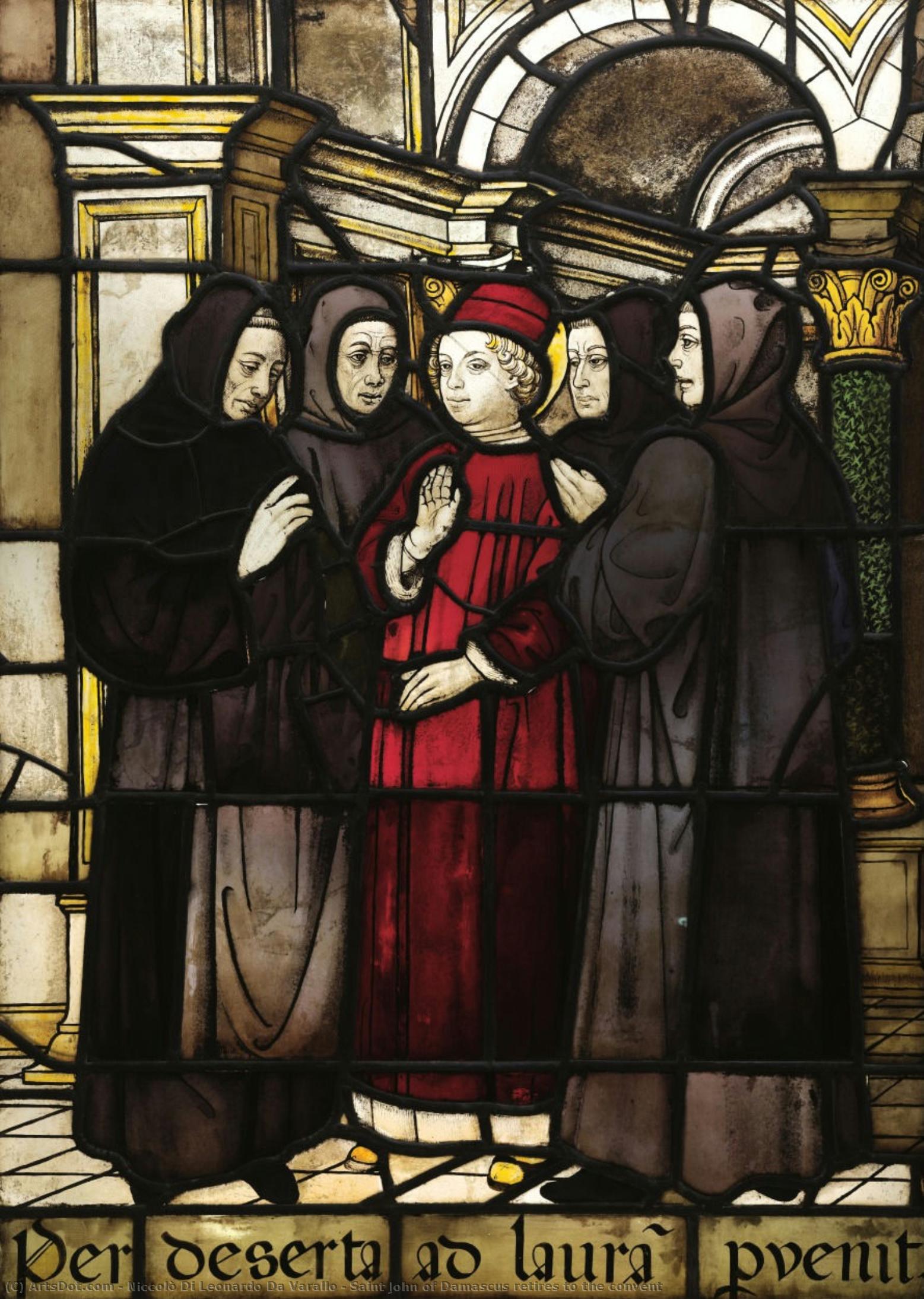
Saint John of Damascus retires to the convent


 Ver más
Giclée / Impresión de arte
Impresiones giclée o en lienzo de calidad de museo con producción rápida y opciones de acabado flexibles. ( Comprar pintura hecha a mano Comprar imagen)




P118B $10

P118H $10

P118W $10

P438Z $10

P508JH $12

P508YH $12

P805H $10

P805Z $10

P919BZ $10

P919G $10

P919XJ $10

P959ZH $10

P968JZ $12

W106C $8

W218G $10

W218JH $8

W218Y $10

W307PJ $10

W316G $10

W316PJ $8

W316Y $10

W398PJ $8

W4111J $10

W500HY $15

W500JH $15

W692G $12

W849H $8

W940BG $15

W953PJ $8




Elija entre nuestros tamaños predefinidos que respetan las proporciones originales de la obra.

Puede introducir sus propias dimensiones para adaptarse a un marco o espacio específico. Si el tamaño seleccionado no coincide con las proporciones de la imagen original, recortaremos la obra de arte o extenderemos la imagen con un borde con efecto espejo o de color sólido. Se enviará una maqueta digital para su aprobación antes de que comience la producción.
Tenga en cuenta que la vista previa en pantalla no refleja el recorte o la extensión real. Solo la maqueta mostrará con precisión la composición final.
Aunque existen tamaños personalizados, recomendamos seleccionar una dimensión de la lista predefinida para preservar las proporciones originales.
Envío a todo el mundo () en 2 semanas en lugar de las 4/5 semanas estándar. (1 septiembre)

Envío exprés gratuito a todo el mundo

Lienzo de lino de alta calidad

Seguro de envío total

Garantía de reembolso de impuestos aduaneros

Garantía de fidelidad cromática exacta

Política de devolución de 60 días (solo por defectos)

Garantía de devolución del 100% del dinero

Descuento por cantidad
 La opción de vidrio solo está disponible en tamaños inferiores a 110 cm.

Saint John of Damascus retires to the convent
Giclée / Impresión de arte
Dimensiones de la reproducción
-


Precio total final
$ 62
A Moment of Reflection: Saint John of Damascus in Milan’s Duomo
Nestled within the vast, echoing grandeur of Milan’s Duomo, stands a panel depicting a pivotal moment in the life of Saint John of Damascus – a figure revered as both theologian and artist. This exquisite work, part of stained-glass window V25, offers more than just a visual representation; it's a portal into the 7th century, a time of profound religious upheaval and artistic flourishing. Created between 1479 and 1489 by the master craftsman Niccolò da Varallo, this panel isn’t merely a depiction of an event; it’s a carefully constructed narrative imbued with symbolism and reflecting the sophisticated aesthetic sensibilities of the Venetian Renaissance.
The scene captures Saint John's deliberate retreat to Mar Saba or the Holy Lavra of San Sabbas, a remote desert sanctuary just miles from Bethlehem. He is portrayed in the midst of this decision, enveloped in a contemplative red robe and adorned with a simple hat – attire signifying his dedication to monastic life and spiritual contemplation. The monks surrounding him aren’t simply onlookers; they represent the community that supported his journey, embodying faith, wisdom, and the shared pursuit of divine understanding. Varallo masterfully uses light and shadow to draw the viewer's eye to Saint John, creating a sense of intimacy amidst the monumental scale of the Duomo.
The Artistry of Niccolò da Varallo: Technique and Style
Niccolò da Varallo was a pivotal figure in Venetian stained glass artistry, renowned for his ability to seamlessly blend Gothic influences with the vibrant colors and innovative techniques characteristic of the Renaissance. This panel exemplifies his skill – a testament to his mastery of *vetrata*, the traditional method of creating stained glass using colored molten glass. The deep reds, blues, and greens are not simply decorative; they’re carefully chosen to evoke specific emotions and enhance the narrative's impact. Varallo employed a technique known as “grisaille,” utilizing monochrome glass to render the faces and drapery with remarkable detail and realism – a departure from the purely symbolic representations common in earlier stained-glass works.
The restoration work undertaken in the 19th century, while necessary for preservation, has subtly enhanced the depth of the scene. Cleaning revealed the original brilliance of the colors and brought back the clarity of the intricate details, allowing the viewer to appreciate Varallo’s meticulous craftsmanship even more fully. The panel's composition is balanced and harmonious, reflecting a deep understanding of perspective and spatial relationships – hallmarks of Varallo’s artistic training.
Symbolism and Historical Context
Saint John of Damascus holds a unique position in Christian history. Born in Damascus during the reign of Emperor Leo III the Isaurian, he was unjustly accused and punished by having his right hand severed. Miraculously restored by the Madonna, he became a prominent theologian and defender of Orthodox Christianity against iconoclasm – the controversial movement that sought to destroy religious images. His retreat to the desert represents not just a physical journey but also a symbolic one: a withdrawal from worldly affairs and a dedication to prayer and contemplation.
The inclusion of figures like Salome, representing the daughter of Herod who orchestrated Saint John’s persecution, adds another layer of complexity to the scene. It underscores the saint's unwavering faith in the face of adversity and highlights the enduring struggle between truth and falsehood. The reference to Mar Saba and the Holy Lavra further emphasizes his commitment to a life of asceticism and spiritual devotion – locations associated with contemplation and communion with God.
A Legacy of Faith and Art
More than just a beautiful work of art, this panel from Milan’s Duomo offers a profound glimpse into the religious and cultural landscape of 15th-century Italy. It stands as a testament to Niccolò da Varallo's artistic genius, his deep understanding of symbolism, and his ability to capture a pivotal moment in the life of a revered saint. Reproductions of this piece retain its power to inspire reflection on faith, resilience, and the enduring beauty of art – qualities that continue to resonate with viewers today.
Obras relacionadas
Biografía del artista
El legado luminoso de Niccolò da Varallo
En el corazón del Renacimiento italiano, donde la luz y la sombra comenzaron a danzar con un realismo recién descubierto, el nombre de Niccolò da Varallo emerge como un maestro de la brillantez. Nacido alrededor de 1425 en la agreste belleza de Varallo della Val d'Oro, Lombardía, su propio linaje estaba impregnado de la alquimia del color. Como hijo de Leonardo da Varallo, un hábil vidriero, Niccolò heredó más que un simple apellido; heredó una comprensión profunda de cómo la luz interactúa con el medio, un don que más tarde definiría su enfoque revolucionario de las vidrieras y los frescos.
Si bien gran parte de sus primeros años permanece velada por las brumas de la historia, su trayectoria artística fue indudablemente moldeada por las vibrantes corrientes culturales de Milán. Se cree que perfeccionó su oficio bajo la tutela del Maestro Giovanni Battista Sant'Anna, una figura prominente en la pintura milanesa. Esta mentoría proporcionó a Niccolò un puente entre las meticulosas y ornamentales tradiciones de la era gótica y el floreciente humanismo del Renacimiento. A través de esta formación, dominó la capacidad de tejer complejas narrativas teológicas en tapices visuales que buscaban tanto la trascendencia espiritual como la precisión técnica.
Un maestro de la luz y el cristal
La contribución más perdurable de Niccolò al mundo del arte reside en sus impresionantes encargos de vidrieras para la Catedral de Milán. En estas obras, trascendió los límites tradicionales del medio, alejándose de diseños estáticos y planos hacia un estilo narrativo más dinámico y emotivo. Sus paneles no son meramente ventanas, sino portales hacia lo divino, caracterizados por una fusión de paletas cromáticas venecianas y la intrincada geometría gótica.
Su maestría es quizás más evidente en sus representaciones de la vida de San Juan Damasceno. A través de estas narrativas de cristal, Niccolò capturó momentos de profundo peso espiritual con una cualidad casi cinematográfica:
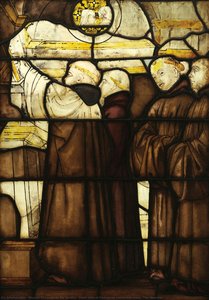
- La ordenación de San Juan Damasceno: En este impresionante panel, Varallo utiliza el juego de luces para representar un momento crucial en la teología bizantina, empleando el color para evocar la santidad del ritual.
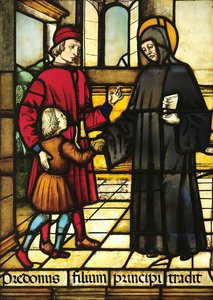
- San Juan Damasceno recibe al príncipe: Aquí, el artista demuestra su capacidad para plasmar interacciones humanas complejas y la dignidad regia mediante la delicada manipulación de las texturas del vidrio.
- El milagro de la mano reincorporada: Quizás una de sus escenas más cautivadoras, este panel representa la milagrosa unión de la mano de San Juan, una proeza narrativa que utiliza tonos vibrantes para enfatizar la intervención divina y el asombro de los monjes testigos.
Significado histórico y espíritu artístico
La obra de Niccolò da Varallo representa un paso evolutivo crucial en el arte de finales de la Edad Media y principios del Renacimiento. Se situó en la encrucijada de dos mundos, manteniendo el esplendor decorativo de la tradición gótica mientras abrazaba el realismo emergente y la profundidad emocional del Renacimiento. Su habilidad para manipular la luz —la esencia misma de la vidriería— le permitió crear obras que se sentían vivas, respirando con los rayos cambiantes del sol que atravesaban el Duomo de Milán.
Aunque su nombre puede no poseer el mismo reconocimiento inmediato que los gigantes del Alto Renacimiento, su influencia en las artes decorativas y la narrativa eclesiástica es inconmensurable. Permanece como un testimonio del poder de la artesanía, demostrando que cuando la precisión de un vidriero se encuentra con el alma de un pintor, el resultado es un resplandor eterno que sobrevive a siglos de sombra.
Niccolò da Varallo
1425 - 1490 , Italia
Datos clave
- Artistic Movement Or Style: Renaissance
- Artists Who Influenced This Artist:
- Andrea Mantegna
- Giovanni Battista Pontorno
- Date Of Birth: 1425
- Date Of Death: 1490
- Full Name: Niccolò di Leonardo da Varallo
- Nationality: Italian
- Notable Artworks:
- Saint John of Damascus celebrates mass. The deacons
- The ordination of Saint John of Damascus
- Place Of Birth: Varallo della Val d'Oro, Italia
Artículos relacionados
John Singer Sargent: Las 25 Obras Maestras del Retrato y la Belle Époque | ArtsDot
Descubre las 25 obras maestras de John Singer Sargent, el maestro del retrato y la Belle Époque. Explora su técnica impresionista, historias fascinantes y encuentra reproducciones de arte exclusivas para decorar tu hogar con elegancia en ArtsDot.com.

John Constable: Las 25 Obras Maestras del Paisaje Inglés | ArtsDot
Descubre las 25 obras maestras de John Constable, el pintor romántico inglés que capturó la belleza del paisaje. Explora su técnica, historia y significado en ArtsDot.com. Reproducciones de arte de alta calidad para tu hogar.

John La Farge: Pioneering American Colorism & Japonisme's Influence
Explore the groundbreaking work of John La Farge, a pioneer of American colorism and stained glass. Discover his captivating Japonisme-inspired murals & lasting legacy in 19th-century art. Expert insights for collectors.
Discover the Divine: Inspiring Saint Anthony Artworks to Elevate Your Home Decor
Transform your home with the profound beauty of Saint Anthony artworks. Explore exquisite Baroque reproductions by Murillo and Zurbarán, hand-painted on 100% cotton canvas to bring divine serenity and timeless elegance to your interior design.
Gwen John: Intimacy, Modernity & the Quiet Power of Welsh Portraiture
Explore the captivating world of Gwen John, a pioneering Welsh artist renowned for her intimate portraits & subtle style. Discover her life, legacy, and how to bring her timeless beauty into your home with ArtsDot.

