

 Ver en contexto
 Enviar
 Compartir
 Detalles

 Descargar
 Similares
 Radiografía
 Presentación de diapositivas
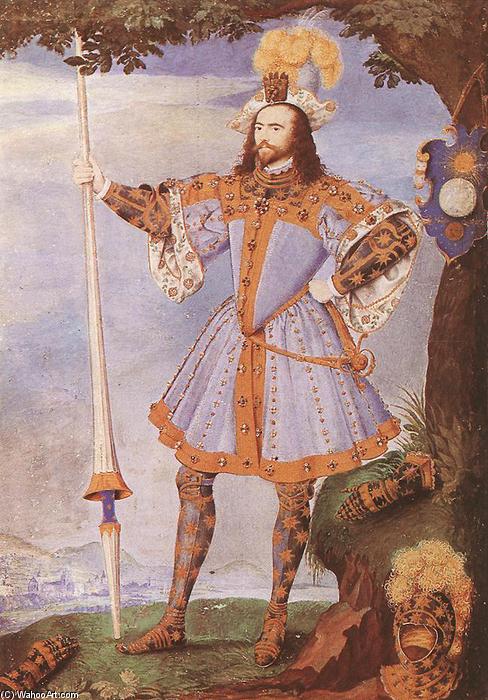
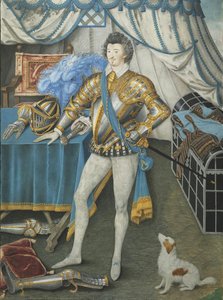
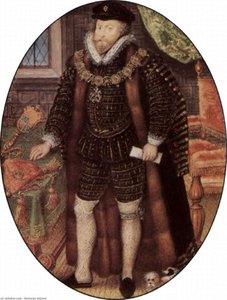
Portrait of George Clifford, Earl of Cumberland
 Oil On Canvas
- WallArt
- Elizabethan Portraiture
 1590
1590 25.0 x 17.0 cm
 Museo Nacional Marítimo
 Ver más
Adquiera una imagen digital de alta resolución y optimizada, muy superior a la vista previa en línea.
Cada archivo es preparado meticulosamente por nuestros especialistas internos mediante el uso de herramientas avanzadas y un experto retoque manual. Nos aseguramos de que cada imagen posea una claridad excepcional, una precisión cromática impecable y un detalle minucioso.
El archivo final se entrega por correo electrónico en un plazo de 72 horas, optimizado para su uso inmediato en entornos profesionales, editoriales y de impresión. Esta es la misma calidad en la que confían los estudios de diseño, las editoriales y las galerías de primer nivel.
Imagen Digital
Descarga un archivo de alta resolución para exhibición personal, impresión y proyectos creativos. ( Comprar impresión Comprar pintura hecha a mano)
Incluido en cada pedido de imágenes digitales
Entrega digital experta, garantizada.
Al elegir ArtsDot.com, no solo está adquiriendo una imagen; está recibiendo una obra de arte digital mejorada profesionalmente, elaborada con precisión y respaldada por una garantía de satisfacción. Esto es todo lo que incluye su pedido, automáticamente:

Entrega rápida por email
Recibirá su archivo de imagen digital en alta resolución por correo electrónico en un plazo de 72 horas tras realizar su pedido, listo para su uso inmediato.

Archivo digital optimizado por IA
Su obra de arte se optimiza profesionalmente mediante herramientas avanzadas de IA y edición manual, garantizando el máximo detalle, claridad y precisión cromática.

Reenvío gratuito de por vida
¿Has borrado o perdido tu archivo por error? No te preocupes: te lo volveremos a enviar en cualquier momento, sin coste adicional.

Sin gastos de importación, siempre
Disfrute de su obra de arte al instante sin aduanas, aranceles ni gastos de envío; las descargas digitales siempre están libres de impuestos.

Garantía de fidelidad de color
Garantizamos que su imagen digital refleje los colores originales con la mayor fidelidad posible, mediante el uso de herramientas profesionales y gestión del color.

Garantía de satisfacción de 60 días
Si no está satisfecho con su imagen digital, la revisaremos o le reembolsaremos el 100% en un plazo de 60 días, sin preguntas.

100% Garantía de devolución de dinero
¿No está satisfecho? Obtenga un reembolso completo dentro de los 60 días posteriores a la recepción de su archivo digital, sin necesidad de explicaciones.

Descuentos por pedidos grandes
Compra 3 imágenes, ahorra 10% - Compra 5, ahorra 15% - Compra 10+, ahorra 20%. Ideal para proyectos creativos, galerías y agencias.
The Quintessence of Courtly Grace: Nicholas Hilliard’s Cumberland Portrait
Nicholas Hilliard's “Portrait of George Clifford, Earl of Cumberland” is more than just a miniature; it’s a meticulously crafted window into the heart of Elizabethan England. Painted in 1590, this exquisite work transcends its diminutive size to embody the era’s refined sensibilities, showcasing the burgeoning artistic talent within the nation and offering a rare glimpse into the life of a prominent nobleman. The painting resides today at the National Maritime Museum in Greenwich, a testament to its enduring quality and historical significance.

The portrait itself is a study in controlled elegance. Clifford, dressed in the opulent attire befitting his rank – a vibrant blue and orange doublet adorned with shimmering gold stars, echoing the heraldry of his family – presents an image of restrained power. The meticulous detail evident in the fabric’s texture, the subtle sheen of the gold embroidery, and even the individual strands of his feathered hat speaks volumes about Hilliard's unparalleled skill as a miniaturist. He doesn’t rely on dramatic lighting or bold brushstrokes; instead, he employs a delicate layering of translucent washes to create an illusion of depth and volume within the confined space.
A Goldsmith’s Son and the Soul of Elizabethan England
Nicholas Hilliard's story is inextricably linked to the rise of portrait miniatures in England. Initially trained as a goldsmith, his father instilled in him a deep appreciation for craftsmanship and precious materials – qualities that profoundly shaped his artistic approach. His early years spent within the household of John Bodley, a prominent scholar and exile from Geneva, exposed him to Calvinist principles and a refined aesthetic sensibility. This formative period fostered an understanding of restraint and elegance, values he would later translate into his captivating portraits. Hilliard’s background as a goldsmith is evident in his use of metallic pigments and his mastery of intricate detail, reflecting the same precision found in jewelry making.
Hilliard's rise to prominence coincided with a period of immense artistic innovation. He was deeply influenced by Hans Holbein the Younger, a German master whose portrait miniatures had captivated the English court. However, Hilliard’s work possessed a distinctly Elizabethan character – a subtle charm and an intimate portrayal of his subjects that set him apart from his European counterpart. He wasn't merely replicating Holbein’s techniques; he was adapting them to create a uniquely British style, reflecting the values and sensibilities of the age.
Symbolism and Context: A Nobleman in His Time
The portrait is rich with symbolic details that illuminate Clifford’s status and aspirations. The elaborate costume – particularly the vibrant colors and gold embellishments – signifies his wealth, power, and noble lineage. The feathered hat, a fashionable accessory of the era, further emphasizes his position within the courtly hierarchy. Notably, the inclusion of the Queen's glove, subtly placed on the sleeve, is a clear demonstration of Clifford’s favor at the royal court. This gesture underscored his importance and loyalty to Elizabeth I.
Furthermore, the stormy sky backdrop, rendered in muted blues and grays, hints at the turbulent political landscape of the time – a period marked by religious tensions and international conflicts. Despite the somber atmosphere, Clifford’s composed demeanor conveys an air of confidence and resilience, suggesting his ability to navigate these challenges with grace and determination.
A Legacy of Refinement: Hilliard's Enduring Influence
Nicholas Hilliard’s “Portrait of George Clifford, Earl of Cumberland” stands as a remarkable achievement in the history of portraiture. It exemplifies the artistic sophistication and cultural values of Elizabethan England, showcasing the delicate balance between formality and intimacy that characterized the era’s courtly art. His meticulous technique, combined with his keen understanding of human psychology, created portraits that continue to captivate viewers centuries later. Reproductions of this masterpiece offer a tangible connection to a bygone age, allowing us to appreciate the artistry and elegance of one of England's most celebrated miniaturists.
Obras relacionadas

Biografía del artista
Vida Temprana y Formación
- Nacido: Exeter, Reino Unido (1547)
- Fallecido: 1619
- Nicholas Hilliard nació en Exeter, Devon, Inglaterra, alrededor de 1547. Era hijo de Richard Hilliard, un joyero y sheriff de Exeter protestante devoto, y Laurence Wall, hija de un joyero londinense.
- La profesión de su padre probablemente lo introdujo a la fina artesanía desde temprana edad.
- Tuvo tres hermanos: dos se convirtieron en joyeros y uno fue clérigo.
- A una edad temprana, estuvo vinculado al hogar de John Bodley, padre de Thomas Bodley, quien fundó la Biblioteca Bodleiana en Oxford.
- En 1557, a los diez años, Hilliard se registró en Ginebra con la familia Bodley durante el exilio debido al reinado de la reina María I. Esta experiencia lo expuso al calvinismo y le enseñó francés fluido.
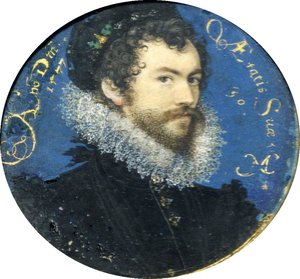
- Pintó un autorretrato a los trece años (1560) y se dice que creó un retrato de Mary, Reina de Escocia, cuando tenía dieciocho años.
- Hilliard se formó como aprendiz con Robert Brandon, el joyero de la reina, y posiblemente recibió formación en limning de Levina Teerlinc, una renombrada iluminadora de manuscritos.
- Se convirtió en miembro libre del Worshipful Company of Goldsmiths en 1569.
Carrera Artística y Patronazgo Real
- Hilliard estableció un taller con su hermano menor John.
- Se casó con Alice Brandon, hija de su antiguo maestro, en 1576.
- Alrededor de 1572-76, pintó los retratos del "Fénix" y el "Pelícano", considerados obras tempranas.
- Hilliard fue nombrado limner (miniaturista) y joyero para Isabel I en una fecha desconocida. Su primer retrato conocido de la reina data de 1572.
- Recibió una reversión de arrendamiento de la Reina en 1573 por su "buen, verdadero y leal servicio".
- En 1571, creó un “libro de retratos” para Robert Dudley, Earl of Leicester, lo que probablemente condujo a su nombramiento en la corte.
- Viajó a Francia de 1576 a 1579, sumergiéndose en círculos artísticos y recibiendo el patrocinio del Duc d'Alençon.
Estilo y Técnicas
- Hilliard era conocido por sus miniaturas de retrato, principalmente ovaladas, que oscilaban entre los diez centímetros y los veinticinco centímetros de altura (miniaturas de gabinete). También creó algunos retratos a media figura en paneles más grandes de Isabel I.
- Su estilo fue técnicamente conservador en comparación con los estándares europeos, pero se caracterizó por una ejecución excelente y una calidad fresca y encantadora.
- Se destacó capturando rasgos con un detalle notable, incorporando a menudo elementos simbólicos en sus retratos.
- Las miniaturas de Hilliard eran muy valoradas como recuerdos personales y tokens de afecto, que se llevaban frecuentemente como colgantes o se incorporaban a joyas.
Logros Principales y Significado Histórico
- Hilliard es considerado la "figura artística central de la era isabelina" y el único pintor inglés cuyo trabajo refleja el mundo de las primeras obras de Shakespeare.
- Sus retratos proporcionan valiosos registros visuales de las cortes Isabelina y Jacobea, capturando los rasgos de la reina Isabel I, Robert Dudley, Sir Walter Raleigh y otras figuras prominentes.
- Estableció un estilo distintivo de miniatura de retrato que influyó en generaciones posteriores de artistas ingleses.
- La obra de Hilliard ejemplifica los valores culturales y las preferencias estéticas de Inglaterra Isabelina, mostrando una mezcla de realismo, idealismo y representación simbólica.
Vida Posterior y Legado
- A pesar de su continuo éxito como artista, Hilliard enfrentó dificultades financieras a lo largo de su carrera.
- Falleció antes del 7 de enero de 1619.
- Su legado reside en el exquisito detalle y la perspicacia psicológica de sus miniaturas, que siguen siendo ejemplos apreciados del retrato Isabelino.
- La obra de Hilliard continúa siendo estudiada y admirada por su mérito artístico y su significado histórico, ofreciendo una ventana única al mundo de Tudor e Inglaterra Estuardo.
Nicholas Hilliard
1577 - 1619 , Reino Unido
Breves datos
- Artistas Que Influyeron: ['Levina Teerlinc']
- Fecha De Muerte: 1619
- Fecha De Nacimiento: 1547
- Influenciado Por:
- Isaac Oliver
- Robert Peake
- Lugar De Nacimiento: Exeter, Reino Unido
- Movimiento Artístico: Arte Isabelino
- Nacionalidad: Inglés
- Nombre Completo: Nicholas Hilliard
- Obras Notables:
- Elizabeth, Reina de Bohemia
- Isabel I tocando la lira
- María Estuardo
- Sir Walter Raleigh

