 Ver en contexto
 Enviar
 Compartir
 Detalles

 Descargar
 Similares
 Radiografía
 Presentación de diapositivas
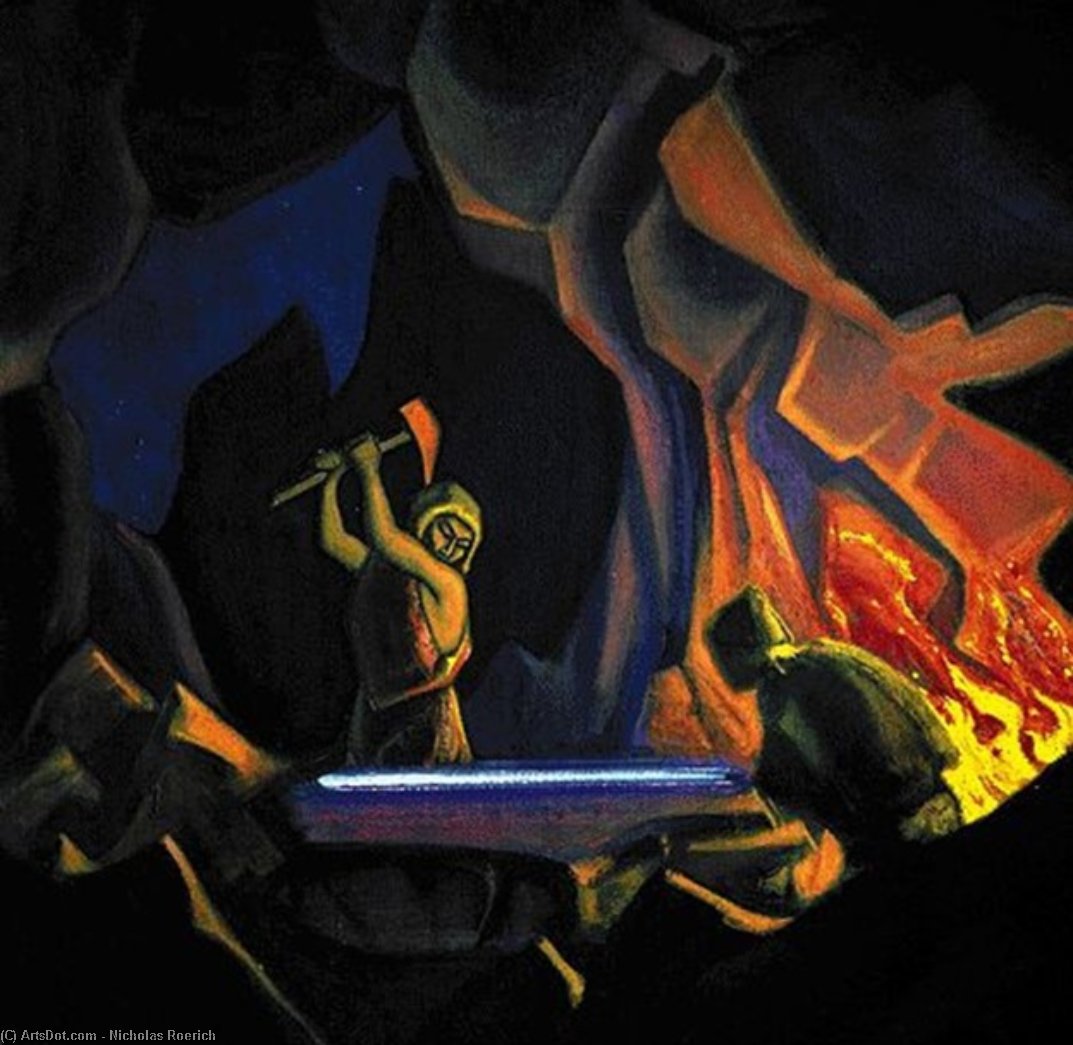
Forging the sword (Nibelung)


 Ver más
Reproducción al óleo hecha a mano
Óleo sobre lienzo pintado a mano en el tamaño y marco de su elección, realizado por encargo por nuestros artistas. ( Comprar impresión Comprar imagen)




P118B $10

P118H $10

P118W $10

P438Z $10

P508JH $12

P508YH $12

P805H $10

P805Z $10

P919BZ $10

P919G $10

P919XJ $10

P959ZH $10

P968JZ $12

W106C $8

W218G $10

W218JH $8

W218Y $10

W307PJ $10

W316G $10

W316PJ $8

W316Y $10

W398PJ $8

W4111J $10

W500HY $15

W500JH $15

W692G $12

W849H $8

W940BG $15

W953PJ $8




Elija entre nuestros tamaños predefinidos que respetan las proporciones originales de la obra.

Puede ingresar sus propias dimensiones para adaptarse a un marco o espacio específico. Si el tamaño seleccionado no coincide con las proporciones de la imagen original, recortaremos la obra o extenderemos la pintura con elementos adicionales pintados a mano. Se le enviará una maqueta digital para su aprobación antes de comenzar la producción.
Tenga en cuenta que la vista previa en pantalla no refleja el recorte o la extensión reales. Solo la maqueta mostrará con precisión la composición final.
Si bien existen tamaños personalizados, recomendamos seleccionar una dimensión de la lista predefinida para preservar las proporciones originales.
Tras realizar el pedido, el equipo de ArtsDot.com enviará un correo electrónico al cliente para solicitar instrucciones y proporcionarle una vista previa del boceto.
Envío a todo el mundo () en 3-4 semanas en lugar de las 5 semanas estándar. (30 agosto). Sin comprometer la calidad.

Envío exprés gratuito a todo el mundo

Lienzo de lino de alta calidad

Seguro de envío total

Garantía de reembolso de impuestos aduaneros

Garantía de fidelidad cromática exacta

Política de devolución de 60 días (solo por defectos)

Garantía de devolución del 100% del dinero

Descuento por cantidad
 La opción de vidrio solo está disponible en tamaños inferiores a 110 cm.

Forging the sword (Nibelung)
Técnica de reproducción
Dimensiones de la reproducción
-


Precio total final
$ 263
A Vision Forged in Fire: Exploring Nicholas Roerich’s “Forging the Sword”
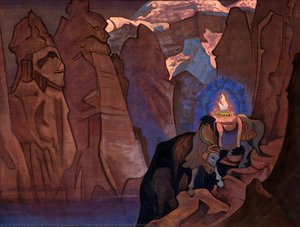
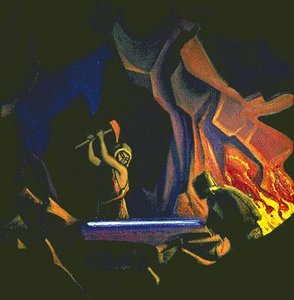
“Forging the sword (Nibelung)” by Nicholas Roerich, painted in 1941, stands as a testament to the artist's profound engagement with mythology and symbolism—a captivating exploration of masculine strength intertwined with spiritual transformation. This monumental canvas embodies the Symbolism movement’s preoccupation with inner vision and emotional resonance, offering viewers an immersive journey into a realm beyond mere representation.Subject Matter and Narrative
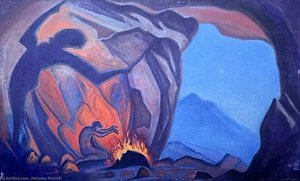
The painting depicts a solitary figure engaged in the arduous task of forging a sword within a cavernous cave illuminated by flickering flames. Surrounding him are two additional individuals—likely assistants—who contribute to the process with unwavering dedication. The scene isn’t merely about physical labor; it's imbued with narrative significance, suggesting an allegory for spiritual development and overcoming obstacles through perseverance. The sword itself symbolizes power, courage, and righteous defense – concepts central to Norse mythology and Roerich’s broader philosophical worldview.Style and Technique: Symbolism at Its Finest
Roerich’s masterful application of Symbolism is evident in every brushstroke. He eschews realistic depiction, prioritizing instead the conveyance of emotional truth and spiritual ideas. The artist utilizes a rich palette dominated by earthy tones—ochres, browns, and reds—creating an atmosphere of primal energy and solemn contemplation. Thick impasto technique – applying paint thickly onto the canvas – lends textural depth to the composition, emphasizing the physicality of the forging process while simultaneously conveying a sense of monumental grandeur. Careful attention to light and shadow sculpts the cave interior, highlighting the central figure and reinforcing the symbolic importance of illumination—representing enlightenment and divine guidance.Historical Context: The Shadow of War
Painted during World War II, “Forging the Sword” reflects the anxieties and aspirations of its time. Roerich’s artistic output was deeply influenced by esoteric traditions and spiritual philosophies, particularly Hinduism and Buddhism, which informed his understanding of universal symbolism. The painting speaks to a broader cultural preoccupation with themes of heroism, sacrifice, and the confrontation between darkness and light—concerns that resonated powerfully during the tumultuous years leading up to and encompassing the conflict.Symbolism: Layers of Meaning
Beyond its depiction of physical labor, “Forging the Sword” is replete with symbolic elements. The flickering fire represents divine inspiration and transformative energy; it illuminates the forge and guides the craftsman’s hand. The birds perched atop the cave walls symbolize freedom and aspiration—a visual reminder that true strength lies in overcoming limitations and embracing spiritual transcendence. Roerich deliberately employs these symbols to elevate the painting beyond a simple portrayal of an artisan's craft, transforming it into a profound meditation on human potential and cosmic order.Emotional Impact: Resonance Beyond Representation
Ultimately, “Forging the Sword” succeeds in capturing a visceral emotional response from the viewer. The painting’s solemn grandeur evokes feelings of awe and reverence—drawing inspiration from ancient myths and spiritual traditions. It invites contemplation on themes of resilience, determination, and the pursuit of inner harmony. Like many Symbolist masterpieces, it prioritizes conveying feeling over factual accuracy, leaving space for individual interpretation and fostering a connection between the artwork and the observer’s own experience. This enduring image continues to inspire collectors and interior designers alike who appreciate its masterful technique and profound symbolic depth—a timeless reminder that art can illuminate not only visual beauty but also the deepest recesses of human consciousness.Obras relacionadas
Biografía del artista
Nicholas Roerich: Vida, Arte y Legado
Primeros Años y Educación
- Nikolai Konstantinovich Roerich nació el 9 de octubre de 1874 en San Petersburgo, Rusia.
- Su padre, un notario alemán del Báltico, y su madre, una mujer rusa, fomentaron una temprana apreciación por las artes en él.
- Roerich estudió tanto derecho como arte simultáneamente, matriculándose en la Universidad de San Petersburgo y la Academia Imperial de Artes en 1893.
- Recibió el título de “Artista” en 1897 y un título de abogado al año siguiente.
Deseos Artísticos e Influencias
- El desarrollo artístico de Roerich fue significativamente influenciado por el Simbolismo Ruso, un movimiento que enfatizaba la espiritualidad y la profundidad emocional.
- Se involucró con la sociedad “Arte del Mundo” de Serguéi Diáguilev, eventualmente convirtiéndose en su presidente desde 1910 hasta 1916.
- Su trabajo temprano mostró una fascinación por la arqueología y el diseño teatral, lo que llevó a colaboraciones en producciones para los Ballets Russes.
- También se vio influenciado por apócrifos y escrituras secretistas medievales como el Libro de la Paloma.
Colaboración con los Ballets Russes
- Los diseños de Roerich para los Ballets Russes fueron muy elogiados, particularmente su trabajo en Príncipe Igor de Alexander Borodin (1909) e El Ritual de la Primavera de Igor Stravinsky (1913).
- Sus diseños escénicos combinaban la investigación histórica con el arte imaginativo, creando producciones visualmente impresionantes.
- Esta colaboración lo estableció como una figura destacada en el diseño teatral a principios del siglo XX.
Desarrollo Artístico y Temas
- Las pinturas de Roerich evolucionaron para incorporar temas cada vez más místicos y espirituales, reflejando su creciente interés en la Teosofía y las religiones orientales.
- Su serie Estudios Arquitectónicos (1904–1905) demostró su destreza arquitectónica y su compromiso con la preservación del patrimonio cultural.
- Motivos recurrentes en su obra incluyen paisajes majestuosos, ciudades antiguas y figuras religiosas como San Panteleimon y Kuan Yin.
- A menudo representaba el Himalaya, una región que tenía un profundo significado espiritual para él.
Logros y Reconocimientos Principales
- Roerich fue un defensor dedicado de la protección del arte y la arquitectura durante los tiempos de guerra.
- Sus esfuerzos llevaron a la creación del Pacto Roerich (1935), un tratado internacional para la preservación de objetos culturales, lo que le valió múltiples nominaciones al Premio Nobel de la Paz.
- Viajó extensamente por Asia Central, realizando investigaciones arqueológicas y documentando culturas antiguas.
- Su obra se exhibe en importantes colecciones museísticas en todo el mundo, incluida la Galería de Pinturas Estatal de Astrakhan.
Significado Histórico y Legado
- El impacto de Nicholas Roerich en el arte y la cultura rusos es inmensurable.
- Puenteó la brecha entre la expresión artística y la exploración espiritual, influyendo a generaciones de artistas e intelectuales.
- Su compromiso con la preservación cultural sigue siendo relevante hoy en día, destacando la importancia de proteger nuestro patrimonio compartido.
- El legado de Roerich se extiende más allá de sus pinturas; es recordado como un artista visionario, erudito y humanitario.
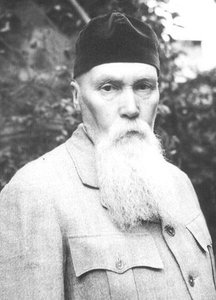
Nicolás Roerich
1874 - 1947 , Rusia
Datos clave
- Artistas Que Influyeron:
- León Tolstói
- Arjip Kuindzhi
- Fecha De Muerte: 13 de diciembre de 1947
- Fecha De Nacimiento: 9 de octubre de 1874
- Influenciado A Artistas: ['Artistas e intelectuales']
- Lugar De Nacimiento: San Petersburgo, Rusia
- Movimiento Artístico: Simbolismo Ruso
- Nacionalidad: Ruso
- Nombre Completo: Nicolás Roerich
- Obras Notables:
- Camino al Kailas 4
- Monte de cinco tesoros
- Puente de Gloria
- Lago de las Nagas
- Tempe-jal-tzen-baykin
Artículos relacionados
Nicholas Roerich: Mysticism, Mountains & the Search for Ageless Wisdom in Art
Explore the captivating art of Nicholas Roerich – a visionary painter whose Himalayan landscapes blend spiritual mysticism with cultural preservation. Discover his legacy & symbolism.
Echoes of Olympus: Mythological Narratives in Western Art Through the Ages
Explore the captivating history of mythological narratives in Western art! From ancient Greece to modern masterpieces, discover iconic artworks & symbolism. Expert analysis and high-quality reproductions at ArtsDot.
Mitologías Personales: La Transmutación de Experiencias en Composiciones Simbólicas a través del Arte Pictórico
Descubre cómo transformar tus experiencias en arte significativo. Expertos en curaduría y obras personalizadas. Inversión segura, calidad garantizada. ¡Inspírate!
Franz von Stuck: Symbolism, Decadence & the Pursuit of Ideal Beauty
Explore the captivating world of Franz von Stuck, a leading Symbolist painter. Discover his mythological masterpieces, decadent themes, & investment potential. Expert analysis for discerning collectors.
Hans Baldung Grien: A Renaissance Master of Allegory, Innovation & the Grotesque
Explore the captivating world of Hans Baldung Grien, a Renaissance master renowned for his allegorical paintings, striking woodcuts & unique depictions of mythology and the grotesque. Discover his life, works & legacy with ArtsDot.