 Vista previa
 Compartir
 Compartir
 Ver detalles

 Descargar
 Ver similares
 Radiografía
 Presentación de diapositivas
Great Are Lands Beyond Seas 2


 Leer más
Reproducción al óleo hecha a mano
Óleo sobre lienzo pintado a mano en el tamaño y marco de su elección, realizado por encargo por nuestros artistas. ( Pedir impresión Comprar descarga)




P118B $10

P118H $10

P118W $10

P438Z $10

P508JH $12

P508YH $12

P805H $10

P805Z $10

P919BZ $10

P919G $10

P919XJ $10

P959ZH $10

P968JZ $12

W106C $8

W218G $10

W218JH $8

W218Y $10

W307PJ $10

W316G $10

W316PJ $8

W316Y $10

W398PJ $8

W4111J $10

W500HY $15

W500JH $15

W692G $12

W849H $8

W940BG $15

W953PJ $8




Elija entre nuestros tamaños predefinidos que respetan las proporciones originales de la obra.

Puede ingresar sus propias dimensiones para adaptarse a un marco o espacio específico. Si el tamaño seleccionado no coincide con las proporciones de la imagen original, recortaremos la obra o extenderemos la pintura con elementos adicionales pintados a mano. Se le enviará una maqueta digital para su aprobación antes de comenzar la producción.
Tenga en cuenta que la vista previa en pantalla no refleja el recorte o la extensión reales. Solo la maqueta mostrará con precisión la composición final.
Si bien existen tamaños personalizados, recomendamos seleccionar una dimensión de la lista predefinida para preservar las proporciones originales.
Tras realizar el pedido, el equipo de ArtsDot.com enviará un correo electrónico al cliente para solicitar instrucciones y proporcionarle una vista previa del boceto.
Envío a todo el mundo () en 3-4 semanas en lugar de las 5 semanas estándar. (22 agosto). Sin comprometer la calidad.

Envío exprés gratuito a todo el mundo

Lienzo de lino de alta calidad

Seguro de envío completo

Garantía de reembolso de aranceles aduaneros

Garantía de fidelidad cromática exacta

Política de devolución de 60 días (solo por defectos)

Garantía de devolución del 100% del dinero

Oferta por volumen
 La opción de vidrio solo está disponible en tamaños inferiores a 110 cm.

Great Are Lands Beyond Seas 2
Técnica de reproducción
Tamaño de la reproducción
-


Precio total
$ 263
Descripción de la obra
Nicholas Roerich’s ‘Great Are Lands Beyond Seas 2’: A Tapestry of Spirit and Landscape
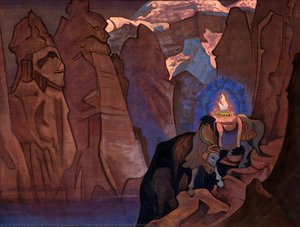
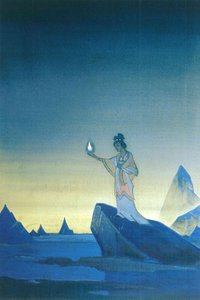
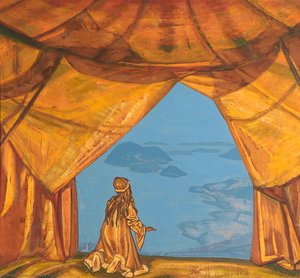
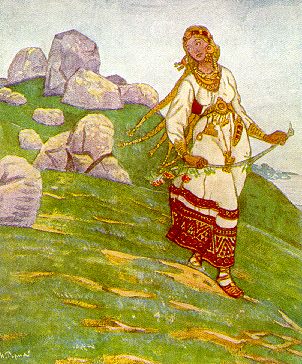
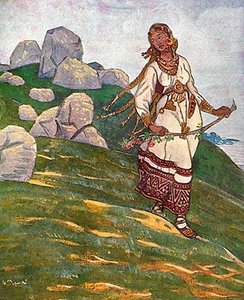
Nicholas Roemerich's “Great Are Lands Beyond Seas 2” is more than just a depiction of a woman on a hill; it’s an immersive experience, a portal conjured through meticulous brushwork and steeped in the artist’s profound spiritual beliefs. Painted around 1910, this work exemplifies Roerich’s distinctive style – a potent blend of realism and visionary symbolism that sought to bridge the earthly realm with higher dimensions. The painting immediately draws the viewer into a scene of serene beauty, dominated by the figure of a woman in traditional Indian attire, her flowing sari echoing the movement of the grasses beneath her feet. This isn't merely portraiture; it’s an invocation, a connection to ancient wisdom and the boundless spirit of nature.
Subject Matter and Composition
The composition is carefully orchestrated to evoke a sense of both grandeur and intimacy. The woman, positioned atop a gently sloping hill, becomes a focal point, her gaze directed towards an unseen horizon. Surrounding her are rocks – geological markers that also carry symbolic weight, representing stability, endurance, and the connection between earth and sky. Several other figures populate the scene, some standing on the rocks, others walking along the grassy slopes, suggesting a community engaged in contemplation or pilgrimage. Above all this, a bird soars, adding an element of lightness and transcendence – a symbol frequently employed by Roerich to represent spiritual aspiration and freedom.
- The woman’s posture suggests both strength and vulnerability, embodying the archetypal feminine principle often associated with nature and intuition.
- The use of perspective creates depth, drawing the viewer into the landscape and emphasizing its vastness.
- The inclusion of multiple figures adds a narrative element, hinting at shared beliefs and journeys.
Technique and Style – Roerich’s Visionary Realism
Roerich's technique is characterized by his meticulous attention to detail and his masterful use of color. He employed a layered approach, building up the image through numerous thin glazes, resulting in a luminous quality that seems to emanate from within the canvas. The brushwork is precise yet expressive, conveying both the solidity of the rocks and the fluidity of the flowing garments. His palette leans towards earthy tones – ochres, browns, greens – punctuated by vibrant blues and reds, reflecting his interest in ancient cultures and spiritual traditions. This style, often described as “visionary realism,” sought to capture not just what was seen but also what *could* be perceived—the underlying energy and spirit of the world.
Symbolism and Historical Context
"Beyond the Seas There Are the Great Lands" (1910) reflects Roerich’s deep engagement with esoteric philosophies, particularly those rooted in ancient India and Siberia. The painting is imbued with symbolism related to the concept of “wanderlust” – a spiritual journey towards enlightenment. The vast landscape represents the unknown territories of consciousness, while the woman embodies the seeker, striving for union with the divine. Roerich’s work was profoundly influenced by his expeditions across Central Asia, where he documented ancient sites and sought to uncover hidden connections between cultures and spiritual traditions. This painting is a testament to his belief that art could be a powerful tool for promoting understanding and harmony in a world often fractured by conflict.
Emotional Impact and Artistic Legacy
“Great Are Lands Beyond Seas 2” possesses a remarkable ability to evoke a sense of tranquility, wonder, and spiritual yearning. It invites the viewer to contemplate their place within the vastness of the universe and to connect with something larger than themselves. Roerich’s work continues to resonate today, offering a timeless message of hope, resilience, and the enduring power of the human spirit. ArtsDot.com offers meticulously crafted hand-painted reproductions that faithfully capture the beauty and depth of this iconic masterpiece, allowing you to bring its profound vision into your own space.
Obras relacionadas
Biografía del artista
Nicholas Roerich: Vida, Arte y Legado
Primeros Años y Educación
- Nikolai Konstantinovich Roerich nació el 9 de octubre de 1874 en San Petersburgo, Rusia.
- Su padre, un notario alemán del Báltico, y su madre, una mujer rusa, fomentaron una temprana apreciación por las artes en él.
- Roerich estudió tanto derecho como arte simultáneamente, matriculándose en la Universidad de San Petersburgo y la Academia Imperial de Artes en 1893.
- Recibió el título de “Artista” en 1897 y un título de abogado al año siguiente.
Deseos Artísticos e Influencias
- El desarrollo artístico de Roerich fue significativamente influenciado por el Simbolismo Ruso, un movimiento que enfatizaba la espiritualidad y la profundidad emocional.
- Se involucró con la sociedad “Arte del Mundo” de Serguéi Diáguilev, eventualmente convirtiéndose en su presidente desde 1910 hasta 1916.
- Su trabajo temprano mostró una fascinación por la arqueología y el diseño teatral, lo que llevó a colaboraciones en producciones para los Ballets Russes.
- También se vio influenciado por apócrifos y escrituras secretistas medievales como el Libro de la Paloma.
Colaboración con los Ballets Russes
- Los diseños de Roerich para los Ballets Russes fueron muy elogiados, particularmente su trabajo en Príncipe Igor de Alexander Borodin (1909) e El Ritual de la Primavera de Igor Stravinsky (1913).
- Sus diseños escénicos combinaban la investigación histórica con el arte imaginativo, creando producciones visualmente impresionantes.
- Esta colaboración lo estableció como una figura destacada en el diseño teatral a principios del siglo XX.
Desarrollo Artístico y Temas
- Las pinturas de Roerich evolucionaron para incorporar temas cada vez más místicos y espirituales, reflejando su creciente interés en la Teosofía y las religiones orientales.
- Su serie Estudios Arquitectónicos (1904–1905) demostró su destreza arquitectónica y su compromiso con la preservación del patrimonio cultural.
- Motivos recurrentes en su obra incluyen paisajes majestuosos, ciudades antiguas y figuras religiosas como San Panteleimon y Kuan Yin.
- A menudo representaba el Himalaya, una región que tenía un profundo significado espiritual para él.
Logros y Reconocimientos Principales
- Roerich fue un defensor dedicado de la protección del arte y la arquitectura durante los tiempos de guerra.
- Sus esfuerzos llevaron a la creación del Pacto Roerich (1935), un tratado internacional para la preservación de objetos culturales, lo que le valió múltiples nominaciones al Premio Nobel de la Paz.
- Viajó extensamente por Asia Central, realizando investigaciones arqueológicas y documentando culturas antiguas.
- Su obra se exhibe en importantes colecciones museísticas en todo el mundo, incluida la Galería de Pinturas Estatal de Astrakhan.
Significado Histórico y Legado
- El impacto de Nicholas Roerich en el arte y la cultura rusos es inmensurable.
- Puenteó la brecha entre la expresión artística y la exploración espiritual, influyendo a generaciones de artistas e intelectuales.
- Su compromiso con la preservación cultural sigue siendo relevante hoy en día, destacando la importancia de proteger nuestro patrimonio compartido.
- El legado de Roerich se extiende más allá de sus pinturas; es recordado como un artista visionario, erudito y humanitario.
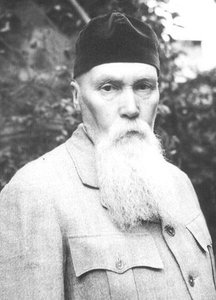
Nicolás Roerich
1874 - 1947 , Rusia
Datos clave
- Artistas Que Influyeron:
- León Tolstói
- Arjip Kuindzhi
- Fecha De Muerte: 13 de diciembre de 1947
- Fecha De Nacimiento: 9 de octubre de 1874
- Influenciado A Artistas: ['Artistas e intelectuales']
- Lugar De Nacimiento: San Petersburgo, Rusia
- Movimiento Artístico: Simbolismo Ruso
- Nacionalidad: Ruso
- Nombre Completo: Nicolás Roerich
- Obras Notables:
- Camino al Kailas 4
- Monte de cinco tesoros
- Puente de Gloria
- Lago de las Nagas
- Tempe-jal-tzen-baykin
Artículos relacionados

Giclée Prints: Archival Quality & Aesthetic Nuances for the Discerning Collector
Explore the world of giclée prints with ArtsDot. Learn about archival quality, aesthetic nuances & investment potential. Expert guidance for discerning art collectors seeking museum-quality reproductions and lasting value.

Echoes of Time: Exploring the Enduring Appeal & Historical Context of Vintage Art Prints
Explore the captivating world of vintage art prints! Discover their history, collecting tips & enduring appeal. Expert insights on chromolithography and building a legacy collection with ArtsDot.

The Enduring Legacy of Fine Art Prints: Technique, History & Aesthetic Impact
Explore the rich history & techniques of fine art prints. Discover investment potential, assess authenticity, and learn how to preserve your collection with expert guidance. Trusted insights for discerning collectors.
Marianne North: Las 25 Obras Maestras de una Artista Victoriana en ArtsDot
Descubre las 25 obras maestras de Marianne North, la artista victoriana que capturó la belleza exótica de la botánica. Pinturas vibrantes y llenas de historia. Reproducciones de arte exclusivas en ArtsDot.com.
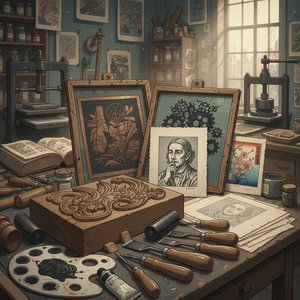
The Enduring Legacy of Printmaking: Techniques, Themes & Artistic Innovation Across Centuries
Explore the rich history of printmaking with ArtsDot. Discover techniques from intaglio to lithography, learn about collecting valuable prints & find museum-quality reproductions. Expert insights for art enthusiasts and collectors.