 Ver en contexto
 Enviar
 Compartir
 Detalles

 Descargar
 Similares
 Radiografía
 Presentación de diapositivas
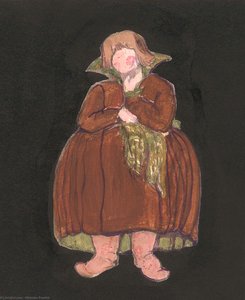
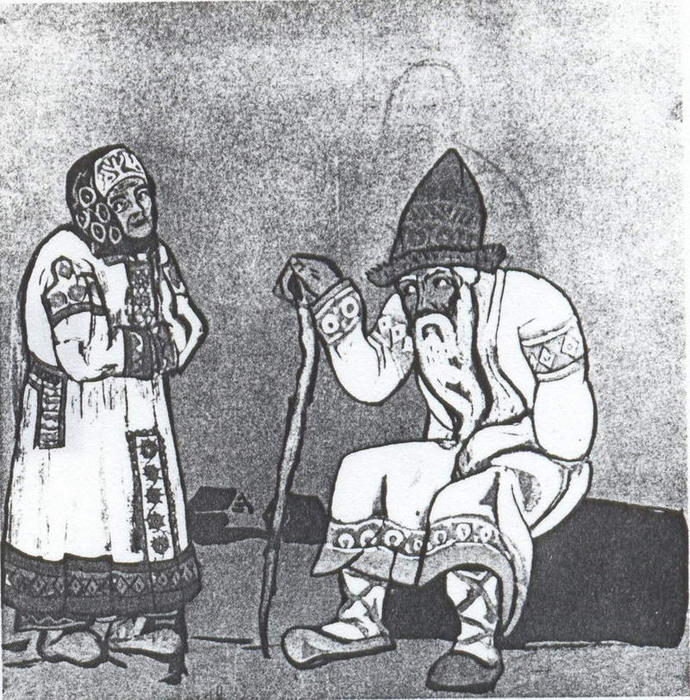
'Sketch of costumes for ''Snow Maiden'''

 Ver más
Giclée / Impresión de arte
Impresiones giclée o en lienzo de calidad de museo con producción rápida y opciones de acabado flexibles. ( Comprar pintura hecha a mano Comprar imagen)




P118B $10

P118H $10

P118W $10

P438Z $10

P508JH $12

P508YH $12

P805H $10

P805Z $10

P919BZ $10

P919G $10

P919XJ $10

P959ZH $10

P968JZ $12

W106C $8

W218G $10

W218JH $8

W218Y $10

W307PJ $10

W316G $10

W316PJ $8

W316Y $10

W398PJ $8

W4111J $10

W500HY $15

W500JH $15

W692G $12

W849H $8

W940BG $15

W953PJ $8




Elija entre nuestros tamaños predefinidos que respetan las proporciones originales de la obra.

Puede introducir sus propias dimensiones para adaptarse a un marco o espacio específico. Si el tamaño seleccionado no coincide con las proporciones de la imagen original, recortaremos la obra de arte o extenderemos la imagen con un borde con efecto espejo o de color sólido. Se enviará una maqueta digital para su aprobación antes de que comience la producción.
Tenga en cuenta que la vista previa en pantalla no refleja el recorte o la extensión real. Solo la maqueta mostrará con precisión la composición final.
Aunque existen tamaños personalizados, recomendamos seleccionar una dimensión de la lista predefinida para preservar las proporciones originales.
Envío a todo el mundo () en 2 semanas en lugar de las 4/5 semanas estándar. (28 agosto)

Envío exprés gratuito a todo el mundo

Lienzo de lino de alta calidad

Seguro de envío total

Garantía de reembolso de impuestos aduaneros

Garantía de fidelidad cromática exacta

Política de devolución de 60 días (solo por defectos)

Garantía de devolución del 100% del dinero

Descuento por cantidad
 La opción de vidrio solo está disponible en tamaños inferiores a 110 cm.

'Sketch of costumes for ''Snow Maiden'''
Giclée / Impresión de arte
Dimensiones de la reproducción
-


Precio total final
$ 62
Sketch of costumes for “Snow Maiden” – A Visionary Collaboration
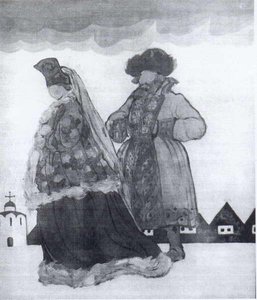
The artwork presented here is a meticulously crafted sketch by Nicholas Roerich depicting costume designs conceived for Sergei Prokofiev’s ballet “Snow Maiden,” premiered in 1920. This piece stands as a testament to Roereich's collaborative spirit with composer Igor Stravinsky and librettist Alexander Ostrovsky, embodying the artistic fervor of the Russian Avant-garde movement during its formative years. Unlike many depictions of theatrical productions at the time, this sketch prioritizes visual detail—specifically, the costumes—allowing viewers to appreciate Roerich’s profound understanding of costume design as an integral element of storytelling and aesthetic expression.- Style: The sketch leans heavily into Art Nouveau influences, characterized by flowing lines, organic motifs, and a decorative sensibility that reflects the broader artistic currents of the era. Roereich's approach eschews strict realism in favor of capturing the essence of the ballet’s visual atmosphere.
- Technique: Employing hatching and cross-hatching techniques with graphite or charcoal on paper—as evidenced by archival documentation—Roereich achieved remarkable tonal variation and textural depth, conveying a palpable sense of materiality and suggesting the intricate layering inherent in theatrical costume creation.
- Composition: The sketch’s composition is deliberately simple yet effective. Two figures dominate the frame: one standing gracefully to the left, embodying regal composure, and the other seated calmly on the right, representing wisdom and serenity. This balanced arrangement directs attention precisely to the costumes themselves, reinforcing their symbolic importance within the narrative context.
- Color Palette: Notably devoid of color—a stylistic choice consistent with Roereich’s artistic philosophy—the grayscale palette emphasizes tonal contrast and enhances the sketch's dramatic impact. It underscores the artist’s focus on form and texture rather than chromatic embellishment.
Historical Context – The Ballet’s Significance & Artistic Dialogue
“Snow Maiden,” based on a tale by Aleksandr Ostrovsky, delves into themes of youthful innocence juxtaposed with the burdens of adult responsibility—a narrative powerfully conveyed through costume design. Roereich's collaboration with Stravinsky and Ostrovsky aimed to capture not merely the visual spectacle but also the underlying spiritual essence of the story. The ballet’s premiere coincided with a period of intense artistic experimentation in Russia, fueled by disillusionment following the Russian Revolution and an urgent desire to explore new expressive possibilities. Roereich's sketch reflects this spirit of innovation, anticipating the stylistic developments that would characterize subsequent theatrical productions.Symbolism – Costume as Embodiment of Character & Narrative
The costumes themselves serve as potent symbols within the ballet’s narrative framework. The flowing robes and shimmering fabrics worn by the Snow Maiden embody purity and ethereal beauty, while the attire of older characters—often adorned with rich textures and symbolic embellishments—represents experience and worldly concerns. Roereich's meticulous rendering captures these visual cues, inviting viewers to contemplate the deeper meanings embedded within each garment. He skillfully utilizes shading and hatching to convey not only surface detail but also psychological nuance, reflecting the artist’s belief in the transformative power of art.Emotional Impact – Capturing Atmosphere & Conveying Narrative Essence
Ultimately, Roereich's sketch succeeds in conveying the atmosphere of “Snow Maiden”—a blend of melancholy beauty and poignant reflection on life’s journey. The artist’s deliberate restraint in color amplifies the emotional resonance of the image, focusing instead on textural richness and tonal subtlety. By prioritizing clarity of design and capturing the essence of theatrical storytelling, Roereich's sketch remains a captivating exemplar of Art Nouveau aesthetic principles and a testament to his enduring artistic vision.Obras relacionadas
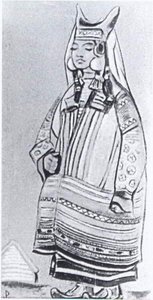
Biografía del artista
Nicholas Roerich: Vida, Arte y Legado
Primeros Años y Educación
- Nikolai Konstantinovich Roerich nació el 9 de octubre de 1874 en San Petersburgo, Rusia.
- Su padre, un notario alemán del Báltico, y su madre, una mujer rusa, fomentaron una temprana apreciación por las artes en él.
- Roerich estudió tanto derecho como arte simultáneamente, matriculándose en la Universidad de San Petersburgo y la Academia Imperial de Artes en 1893.
- Recibió el título de “Artista” en 1897 y un título de abogado al año siguiente.
Deseos Artísticos e Influencias
- El desarrollo artístico de Roerich fue significativamente influenciado por el Simbolismo Ruso, un movimiento que enfatizaba la espiritualidad y la profundidad emocional.
- Se involucró con la sociedad “Arte del Mundo” de Serguéi Diáguilev, eventualmente convirtiéndose en su presidente desde 1910 hasta 1916.
- Su trabajo temprano mostró una fascinación por la arqueología y el diseño teatral, lo que llevó a colaboraciones en producciones para los Ballets Russes.
- También se vio influenciado por apócrifos y escrituras secretistas medievales como el Libro de la Paloma.
Colaboración con los Ballets Russes
- Los diseños de Roerich para los Ballets Russes fueron muy elogiados, particularmente su trabajo en Príncipe Igor de Alexander Borodin (1909) e El Ritual de la Primavera de Igor Stravinsky (1913).
- Sus diseños escénicos combinaban la investigación histórica con el arte imaginativo, creando producciones visualmente impresionantes.
- Esta colaboración lo estableció como una figura destacada en el diseño teatral a principios del siglo XX.
Desarrollo Artístico y Temas
- Las pinturas de Roerich evolucionaron para incorporar temas cada vez más místicos y espirituales, reflejando su creciente interés en la Teosofía y las religiones orientales.
- Su serie Estudios Arquitectónicos (1904–1905) demostró su destreza arquitectónica y su compromiso con la preservación del patrimonio cultural.
- Motivos recurrentes en su obra incluyen paisajes majestuosos, ciudades antiguas y figuras religiosas como San Panteleimon y Kuan Yin.
- A menudo representaba el Himalaya, una región que tenía un profundo significado espiritual para él.
Logros y Reconocimientos Principales
- Roerich fue un defensor dedicado de la protección del arte y la arquitectura durante los tiempos de guerra.
- Sus esfuerzos llevaron a la creación del Pacto Roerich (1935), un tratado internacional para la preservación de objetos culturales, lo que le valió múltiples nominaciones al Premio Nobel de la Paz.
- Viajó extensamente por Asia Central, realizando investigaciones arqueológicas y documentando culturas antiguas.
- Su obra se exhibe en importantes colecciones museísticas en todo el mundo, incluida la Galería de Pinturas Estatal de Astrakhan.
Significado Histórico y Legado
- El impacto de Nicholas Roerich en el arte y la cultura rusos es inmensurable.
- Puenteó la brecha entre la expresión artística y la exploración espiritual, influyendo a generaciones de artistas e intelectuales.
- Su compromiso con la preservación cultural sigue siendo relevante hoy en día, destacando la importancia de proteger nuestro patrimonio compartido.
- El legado de Roerich se extiende más allá de sus pinturas; es recordado como un artista visionario, erudito y humanitario.
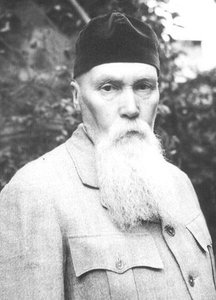
Nicolás Roerich
1874 - 1947 , Rusia
Datos clave
- Artistas Que Influyeron:
- León Tolstói
- Arjip Kuindzhi
- Fecha De Muerte: 13 de diciembre de 1947
- Fecha De Nacimiento: 9 de octubre de 1874
- Influenciado A Artistas: ['Artistas e intelectuales']
- Lugar De Nacimiento: San Petersburgo, Rusia
- Movimiento Artístico: Simbolismo Ruso
- Nacionalidad: Ruso
- Nombre Completo: Nicolás Roerich
- Obras Notables:
- Camino al Kailas 4
- Monte de cinco tesoros
- Puente de Gloria
- Lago de las Nagas
- Tempe-jal-tzen-baykin
Artículos relacionados
Nicholas Roerich: Mysticism, Mountains & the Search for Ageless Wisdom in Art
Explore the captivating art of Nicholas Roerich – a visionary painter whose Himalayan landscapes blend spiritual mysticism with cultural preservation. Discover his legacy & symbolism.
The Eloquent Line: Exploring the Artistic Significance of Sketches Across Movements and Media
Explore the profound artistic significance of sketches throughout history. From Renaissance masters to modern innovators like Van Gogh & Guston, discover how these foundational works reveal technique, emotion, and vision. Learn more at ArtsDot.
Las 10 Obras Maestras Cubiertas de Nieve: Arte, Historia y Decoración
Descubre las 10 pinturas más famosas dominadas por la nieve. Explora obras maestras de Monet, Renoir y Van Gogh, su historia y significado. Encuentra lienzos impresionantes para decorar tu hogar con arte clásico en ArtsDot.com.
Albert Kretschmer: Capturing 19th-Century Costume & the Seeds of Expressionism
Explore the exquisite costume studies of Albert Kretschmer (1825-1891). Discover his detailed illustrations, influence on art history & connection to early Expressionism. Learn about collecting this remarkable artist's work.
Léon Bakst: A Master of Decadence and the Ballet Russes' Visual Revolution
Explore the captivating world of Léon Bakst, master designer of the Ballets Russes. Discover his opulent costumes, revolutionary stagecraft & lasting influence on art and design. Learn about Diaghilev's vision and Bakst’s iconic works.