 Ver en contexto
 Enviar
 Compartir
 Detalles

 Descargar
 Similares
 Radiografía
 Presentación de diapositivas
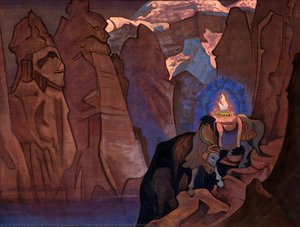
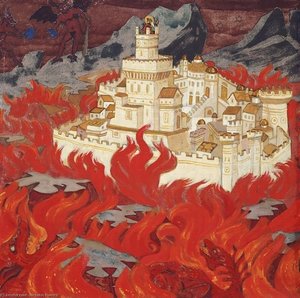
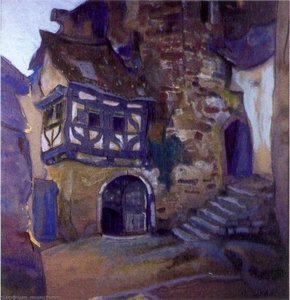
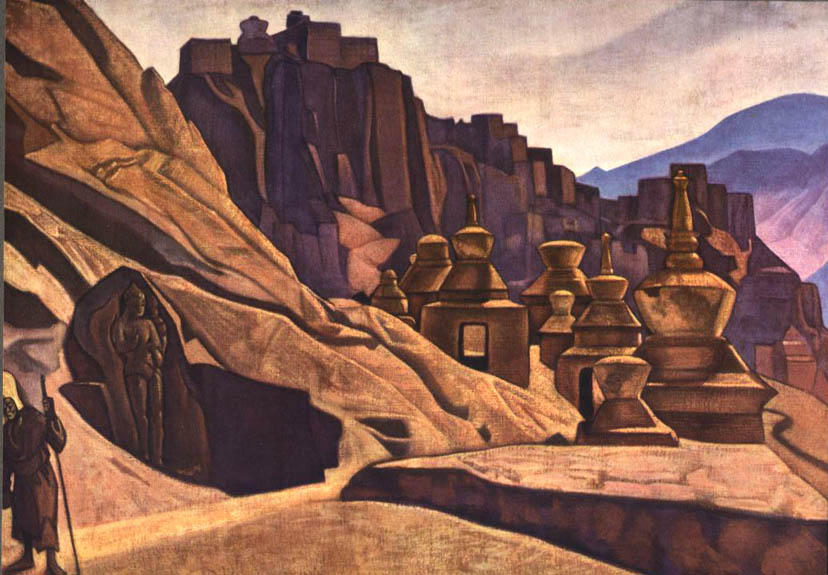
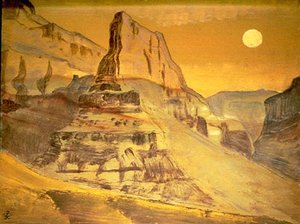
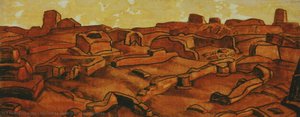
Stronghold of walls
 Oil On Panel
- Symbolist Movement
 1925
1925- 19th Century
 73.0 x 101.0 cm
 Ver más
Giclée / Impresión de arte
Impresiones giclée o en lienzo de calidad de museo con producción rápida y opciones de acabado flexibles. ( Comprar pintura hecha a mano Comprar imagen)




P118B $10

P118H $10

P118W $10

P438Z $10

P508JH $12

P508YH $12

P805H $10

P805Z $10

P919BZ $10

P919G $10

P919XJ $10

P959ZH $10

P968JZ $12

W106C $8

W218G $10

W218JH $8

W218Y $10

W307PJ $10

W316G $10

W316PJ $8

W316Y $10

W398PJ $8

W4111J $10

W500HY $15

W500JH $15

W692G $12

W849H $8

W940BG $15

W953PJ $8




Elija entre nuestros tamaños predefinidos que respetan las proporciones originales de la obra.

Puede introducir sus propias dimensiones para adaptarse a un marco o espacio específico. Si el tamaño seleccionado no coincide con las proporciones de la imagen original, recortaremos la obra de arte o extenderemos la imagen con un borde con efecto espejo o de color sólido. Se enviará una maqueta digital para su aprobación antes de que comience la producción.
Tenga en cuenta que la vista previa en pantalla no refleja el recorte o la extensión real. Solo la maqueta mostrará con precisión la composición final.
Aunque existen tamaños personalizados, recomendamos seleccionar una dimensión de la lista predefinida para preservar las proporciones originales.
Envío a todo el mundo () en 2 semanas en lugar de las 4/5 semanas estándar. (31 agosto)

Envío exprés gratuito a todo el mundo

Lienzo de lino de alta calidad

Seguro de envío total

Garantía de reembolso de impuestos aduaneros

Garantía de fidelidad cromática exacta

Política de devolución de 60 días (solo por defectos)

Garantía de devolución del 100% del dinero

Descuento por cantidad
 La opción de vidrio solo está disponible en tamaños inferiores a 110 cm.

Stronghold of walls
Giclée / Impresión de arte
Dimensiones de la reproducción
-


Precio total final
$ 62
Stronghold of Walls: A Journey into Roerich's Symbolic Landscape
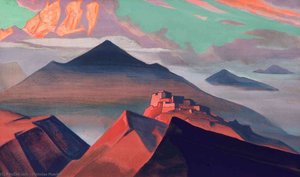
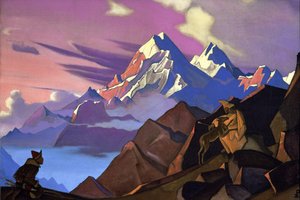
Nicholas Roemerich’s “Stronghold of Walls,” painted in 1925, is more than just a depiction of a rugged mountain vista; it’s an immersive experience, a portal to the artist’s deeply held spiritual beliefs and his profound engagement with the mysteries of existence. This tempera on panel work, measuring 73 x 101 cm, immediately draws the viewer into a world where the tangible – the imposing cliffs, the ancient ruins – intertwine with the intangible – the echoes of forgotten civilizations and the promise of enlightenment. The painting’s power resides in its ability to evoke a sense of awe and contemplation, inviting us to ponder our place within the vastness of time and space.
- Subject Matter: A dramatic mountain landscape dominated by towering rock formations and remnants of an ancient structure.
- Composition: The placement of figures – a small group standing on the cliff’s edge – emphasizes their vulnerability against the grandeur of nature, while simultaneously suggesting a connection to something larger than themselves.
- Color Palette: Roerich employs a rich and earthy palette dominated by browns, ochres, and blues, creating a sense of solidity and timelessness.
The Artist's Vision: Mysticism and theosophy
Nicholas Roerich was a complex and fascinating figure – a painter, writer, archaeologist, and devoted follower of theosophical thought. His work reflects this multifaceted approach, often blending scientific observation with spiritual intuition. “Stronghold of Walls” is a prime example of his artistic philosophy, rooted in the belief that art could serve as a vehicle for exploring profound philosophical questions. The ruins depicted aren’t merely archaeological remnants; they represent the accumulated wisdom and experiences of past civilizations, offering clues to humanity's journey toward self-discovery. Roerich’s interest in esoteric traditions informed every brushstroke, imbuing the scene with a palpable sense of mystery and reverence.
Technique and Materials: Tempera’s Textured Embrace
The choice of tempera as the medium is crucial to understanding the painting's impact. Tempera, known for its luminous quality and ability to build up rich textures, lends itself perfectly to Roerich’s symbolic aims. The artist meticulously layered the pigments, creating a tactile surface that invites close examination. This technique enhances the sense of depth and solidity within the composition, making the viewer feel as though they are standing on the very cliffside, experiencing the raw power of the landscape firsthand. The subtle variations in tone and color contribute to the painting’s overall atmosphere of solemn grandeur.
Symbolism and Emotional Resonance
The “Stronghold of Walls” is laden with symbolic meaning. The walls themselves represent obstacles – both internal and external – that must be overcome on the path to spiritual enlightenment. The figures, dwarfed by the landscape, symbolize humanity’s quest for knowledge and understanding. Even the inclusion of a dog, gazing upwards, adds another layer of interpretation, perhaps representing loyalty, intuition, or a yearning for something beyond the earthly realm. Ultimately, Roerich's work invites us to contemplate our own relationship with nature, spirituality, and the enduring mysteries of life. The painting’s emotional impact is profound – it evokes feelings of awe, humility, and a sense of connection to something greater than ourselves.
Biografía del artista
Nicholas Roerich: Vida, Arte y Legado
Primeros Años y Educación
- Nikolai Konstantinovich Roerich nació el 9 de octubre de 1874 en San Petersburgo, Rusia.
- Su padre, un notario alemán del Báltico, y su madre, una mujer rusa, fomentaron una temprana apreciación por las artes en él.
- Roerich estudió tanto derecho como arte simultáneamente, matriculándose en la Universidad de San Petersburgo y la Academia Imperial de Artes en 1893.
- Recibió el título de “Artista” en 1897 y un título de abogado al año siguiente.
Deseos Artísticos e Influencias
- El desarrollo artístico de Roerich fue significativamente influenciado por el Simbolismo Ruso, un movimiento que enfatizaba la espiritualidad y la profundidad emocional.
- Se involucró con la sociedad “Arte del Mundo” de Serguéi Diáguilev, eventualmente convirtiéndose en su presidente desde 1910 hasta 1916.
- Su trabajo temprano mostró una fascinación por la arqueología y el diseño teatral, lo que llevó a colaboraciones en producciones para los Ballets Russes.
- También se vio influenciado por apócrifos y escrituras secretistas medievales como el Libro de la Paloma.
Colaboración con los Ballets Russes
- Los diseños de Roerich para los Ballets Russes fueron muy elogiados, particularmente su trabajo en Príncipe Igor de Alexander Borodin (1909) e El Ritual de la Primavera de Igor Stravinsky (1913).
- Sus diseños escénicos combinaban la investigación histórica con el arte imaginativo, creando producciones visualmente impresionantes.
- Esta colaboración lo estableció como una figura destacada en el diseño teatral a principios del siglo XX.
Desarrollo Artístico y Temas
- Las pinturas de Roerich evolucionaron para incorporar temas cada vez más místicos y espirituales, reflejando su creciente interés en la Teosofía y las religiones orientales.
- Su serie Estudios Arquitectónicos (1904–1905) demostró su destreza arquitectónica y su compromiso con la preservación del patrimonio cultural.
- Motivos recurrentes en su obra incluyen paisajes majestuosos, ciudades antiguas y figuras religiosas como San Panteleimon y Kuan Yin.
- A menudo representaba el Himalaya, una región que tenía un profundo significado espiritual para él.
Logros y Reconocimientos Principales
- Roerich fue un defensor dedicado de la protección del arte y la arquitectura durante los tiempos de guerra.
- Sus esfuerzos llevaron a la creación del Pacto Roerich (1935), un tratado internacional para la preservación de objetos culturales, lo que le valió múltiples nominaciones al Premio Nobel de la Paz.
- Viajó extensamente por Asia Central, realizando investigaciones arqueológicas y documentando culturas antiguas.
- Su obra se exhibe en importantes colecciones museísticas en todo el mundo, incluida la Galería de Pinturas Estatal de Astrakhan.
Significado Histórico y Legado
- El impacto de Nicholas Roerich en el arte y la cultura rusos es inmensurable.
- Puenteó la brecha entre la expresión artística y la exploración espiritual, influyendo a generaciones de artistas e intelectuales.
- Su compromiso con la preservación cultural sigue siendo relevante hoy en día, destacando la importancia de proteger nuestro patrimonio compartido.
- El legado de Roerich se extiende más allá de sus pinturas; es recordado como un artista visionario, erudito y humanitario.
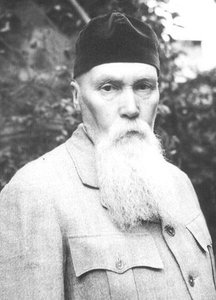
Nicolás Roerich
1874 - 1947 , Rusia
Datos clave
- Artistas Que Influyeron:
- León Tolstói
- Arjip Kuindzhi
- Fecha De Muerte: 13 de diciembre de 1947
- Fecha De Nacimiento: 9 de octubre de 1874
- Influenciado A Artistas: ['Artistas e intelectuales']
- Lugar De Nacimiento: San Petersburgo, Rusia
- Movimiento Artístico: Simbolismo Ruso
- Nacionalidad: Ruso
- Nombre Completo: Nicolás Roerich
- Obras Notables:
- Camino al Kailas 4
- Monte de cinco tesoros
- Puente de Gloria
- Lago de las Nagas
- Tempe-jal-tzen-baykin
Artículos relacionados

Paisajes Románticos: 10 Obras Maestras que Definieron un Movimiento Artístico
Descubre los 10 paisajes románticos más influyentes de artistas como Caspar David Friedrich y Turner. Explora la belleza, el simbolismo y las técnicas del movimiento romántico. Reproducciones de arte exclusivas en ArtsDot.com.
Nicholas Roerich: Mysticism, Mountains & the Search for Ageless Wisdom in Art
Explore the captivating art of Nicholas Roerich – a visionary painter whose Himalayan landscapes blend spiritual mysticism with cultural preservation. Discover his legacy & symbolism.

Evocations of Place: A Historical Journey Through Landscape Art
Explore the rich history of landscape art with ArtsDot. Discover renowned artists, movements like Impressionism & Romanticism, and expert guidance for collecting timeless pieces. Find your perfect serene escape today!

John Constable: Las 25 Obras Maestras del Paisaje Inglés | ArtsDot
Descubre las 25 obras maestras de John Constable, el pintor romántico inglés que capturó la belleza del paisaje. Explora su técnica, historia y significado en ArtsDot.com. Reproducciones de arte de alta calidad para tu hogar.

Katsushika Hokusai: Las 25 Obras Maestras del Ukiyo-e que Transformaron el Arte Japonés | ArtsDot
Descubre las 25 obras maestras de Katsushika Hokusai, el genio del ukiyo-e. Explora 'La Gran Ola', paisajes japoneses y su impacto en el arte moderno. Reproducciones de alta calidad para tu hogar en ArtsDot.com.