
- Inicio

- Imagen digital
- Nicolaes De Geijselers, Nicolaes De Geyselers, Nicolaas De Gijselaer, Nicolaas De Gijzelaer, Nicolaes De Gyselaer, Nicolaas De Gyzelaer, Nicolaes De G
 Ver en contexto
 Enviar
 Compartir
 Detalles

 Descargar
 Similares
 Radiografía
 Presentación de diapositivas
 Estadísticas
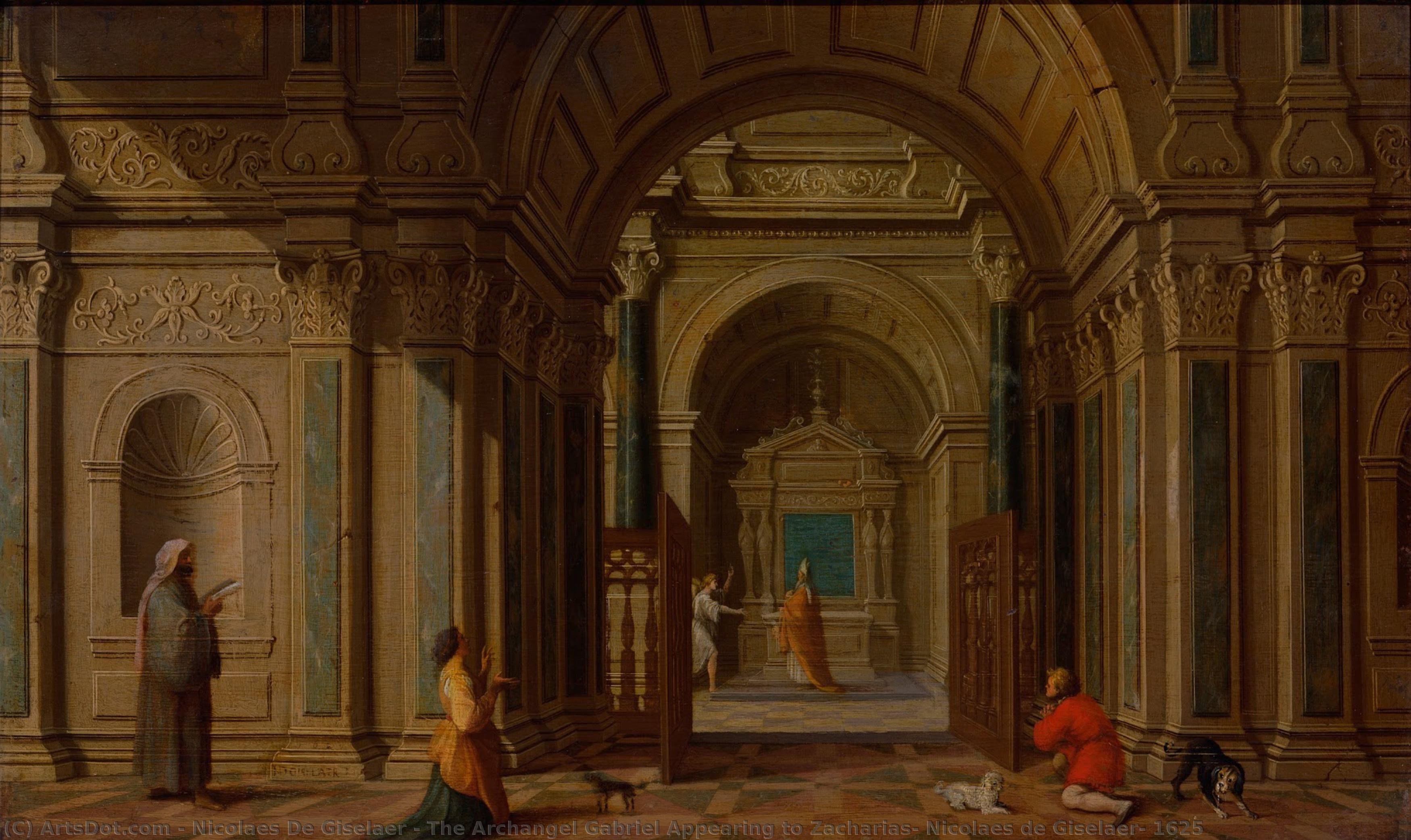
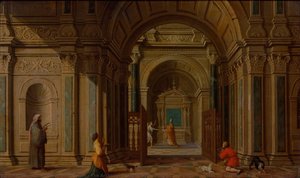
The Archangel Gabriel Appearing to Zacharias, Nicolaes de Giselaer, 1625


 Ver más
Adquiera una imagen digital de alta resolución y optimizada, muy superior a la vista previa en línea.
Cada archivo es preparado meticulosamente por nuestros especialistas internos mediante el uso de herramientas avanzadas y un experto retoque manual. Nos aseguramos de que cada imagen posea una claridad excepcional, una precisión cromática impecable y un detalle minucioso.
El archivo final se entrega por correo electrónico en un plazo de 72 horas, optimizado para su uso inmediato en entornos profesionales, editoriales y de impresión. Esta es la misma calidad en la que confían los estudios de diseño, las editoriales y las galerías de primer nivel.
Imagen Digital
Descarga un archivo de alta resolución para exhibición personal, impresión y proyectos creativos. ( Cambiar a Impresión Comprar pintura hecha a mano)
Incluido en cada pedido de imágenes digitales
Entrega digital experta, garantizada.
Al elegir ArtsDot.com, no solo está adquiriendo una imagen; está recibiendo una obra de arte digital mejorada profesionalmente, elaborada con precisión y respaldada por una garantía de satisfacción. Esto es todo lo que incluye su pedido, automáticamente:

Entrega rápida por email
Recibirá su archivo de imagen digital en alta resolución por correo electrónico en un plazo de 72 horas tras realizar su pedido, listo para su uso inmediato.

Archivo digital optimizado por IA
Su obra de arte se optimiza profesionalmente mediante herramientas avanzadas de IA y edición manual, garantizando el máximo detalle, claridad y precisión cromática.

Reenvío gratuito de por vida
¿Has borrado o perdido tu archivo por error? No te preocupes: te lo volveremos a enviar en cualquier momento, sin coste adicional.

Sin gastos de importación, siempre
Disfrute de su obra de arte al instante sin aduanas, aranceles ni gastos de envío; las descargas digitales siempre están libres de impuestos.

Garantía de fidelidad de color
Garantizamos que su imagen digital refleje los colores originales con la mayor fidelidad posible, mediante el uso de herramientas profesionales y gestión del color.

Garantía de satisfacción de 100 días
Si no está satisfecho con su imagen digital, la revisaremos o le reembolsaremos el 100% en un plazo de 100 días, sin preguntas.

100% Garantía de devolución de dinero
¿No está satisfecho? Obtenga un reembolso completo dentro de los 100 días posteriores a la recepción de su archivo digital, sin preguntas.

Descuentos por pedidos grandes
Compra 3 imágenes, ahorra 10% - Compra 5, ahorra 15% - Compra 10+, ahorra 20%. Ideal para proyectos creativos, galerías y agencias.
Obras relacionadas

Biografía del artista
A Life Shrouded in Light: The World of Nicolaes de Giselaer
Nicolaes de Giselaer, a name that echoes through the halls of Dutch Baroque painting, remains an artist somewhat elusive to modern biographical scrutiny. Born in Dordrecht in 1583 and passing away around 1647, his life is less a clearly documented narrative and more a constellation pieced together from surviving works, archival records, and stylistic analysis. What emerges is the portrait of a skilled painter and draughtsman who navigated the artistic currents of Leiden, Utrecht, and Amsterdam during a period of immense change and flourishing in the Netherlands.
Early documentation suggests a life centered around his craft. Records indicate his presence in Leiden and Utrecht by 1616, followed by a sojourn in Amsterdam between 1616 and 1617. This peripatetic existence hints at an artist actively seeking opportunities and engaging with diverse artistic communities. His marriage to Cornelia Cornelisdr. Van Riebeeck in Leiden on March 24th, 1616, provides a personal anchor point amidst the professional movements. He eventually settled back in Utrecht, where he continued his work until his death, finding final rest within its soil on February 8th, 1647.
The Artistic Landscape and De Giselaer’s Style
De Giselaer's artistic development unfolded against the backdrop of a Dutch Golden Age brimming with innovation. The early 17th century witnessed a shift away from the rigid formalism of Mannerism towards a more naturalistic, emotionally resonant style—a trend powerfully influenced by Caravaggio and his followers. While not directly adopting the dramatic *tenebrism* of Caravaggio, De Giselaer absorbed its principles of strong chiaroscuro and psychological realism. His paintings are characterized by a delicate balance between light and shadow, used to sculpt forms and imbue scenes with a sense of quiet dignity.
His subject matter predominantly revolved around biblical narratives, particularly those lending themselves to intimate domestic settings. He excelled in depicting interiors—palatial courtyards, richly furnished rooms—populated by figures engaged in moments of contemplation or revelation. A hallmark of his style is the meticulous attention to detail: the textures of fabrics, the gleam of metal objects, and the subtle expressions on faces all contribute to a sense of tangible reality. He wasn’t a painter of grand historical spectacles; rather, he focused on the human drama unfolding within contained spaces.
Key Works and Recurring Themes
Among his notable works is “The Archangel Gabriel Appearing to Zacharias” (1625), a piece that exemplifies his mastery of light and composition. The scene unfolds with a serene grace, the angel’s presence radiating a gentle luminosity that contrasts beautifully with the shadowed interior. Another significant work, "The Triumph of Mordekai," housed in the Centraal Museum in Utrecht, showcases his ability to depict complex narratives with clarity and emotional depth. These paintings aren't merely illustrations of biblical stories; they are explorations of faith, devotion, and the power of divine intervention.
Recurring themes within De Giselaer’s oeuvre include the Annunciation, scenes from the life of Christ, and depictions of figures in prayer or contemplation. He often employed architectural settings—palaces, loggias, courtyards—to create a sense of grandeur and symbolic resonance. These spaces weren't simply backdrops; they were integral to the narrative, reflecting the spiritual weight of the events unfolding within them.
Legacy and Historical Significance
While De Giselaer may not be as widely recognized as some of his contemporaries—Rembrandt or Vermeer—his contribution to Dutch Baroque painting is nonetheless significant. He represents a strand of artistic sensibility that valued quiet contemplation, meticulous detail, and emotional realism. His paintings offer a glimpse into the domestic lives and spiritual beliefs of 17th-century Holland.
His influence, though difficult to trace directly, can be seen in the works of later artists who embraced similar themes and stylistic approaches. The Centraal Museum’s collection of his work serves as a testament to his enduring legacy, allowing viewers today to appreciate the subtle beauty and profound humanity that characterize his art. He stands as a reminder that artistic greatness isn't always defined by dramatic innovation but also by a consistent pursuit of excellence and a deep understanding of the human condition.
Breves datos
- Artistic Movement Or Style: Baroque painting
- Date Of Birth: 1583
- Date Of Death: c. 1647
- Full Name: Nicolaes de Giselaer
- Nationality: Dutch
- Notable Artworks:
- Archangel Gabriel Appearing to Zacharias
- De triomf van Mordekai
- Place Of Birth: Dordrecht, Netherlands