

 Ver en contexto
 Enviar
 Compartir
 Detalles

 Descargar
 Similares
 Radiografía
 Presentación de diapositivas
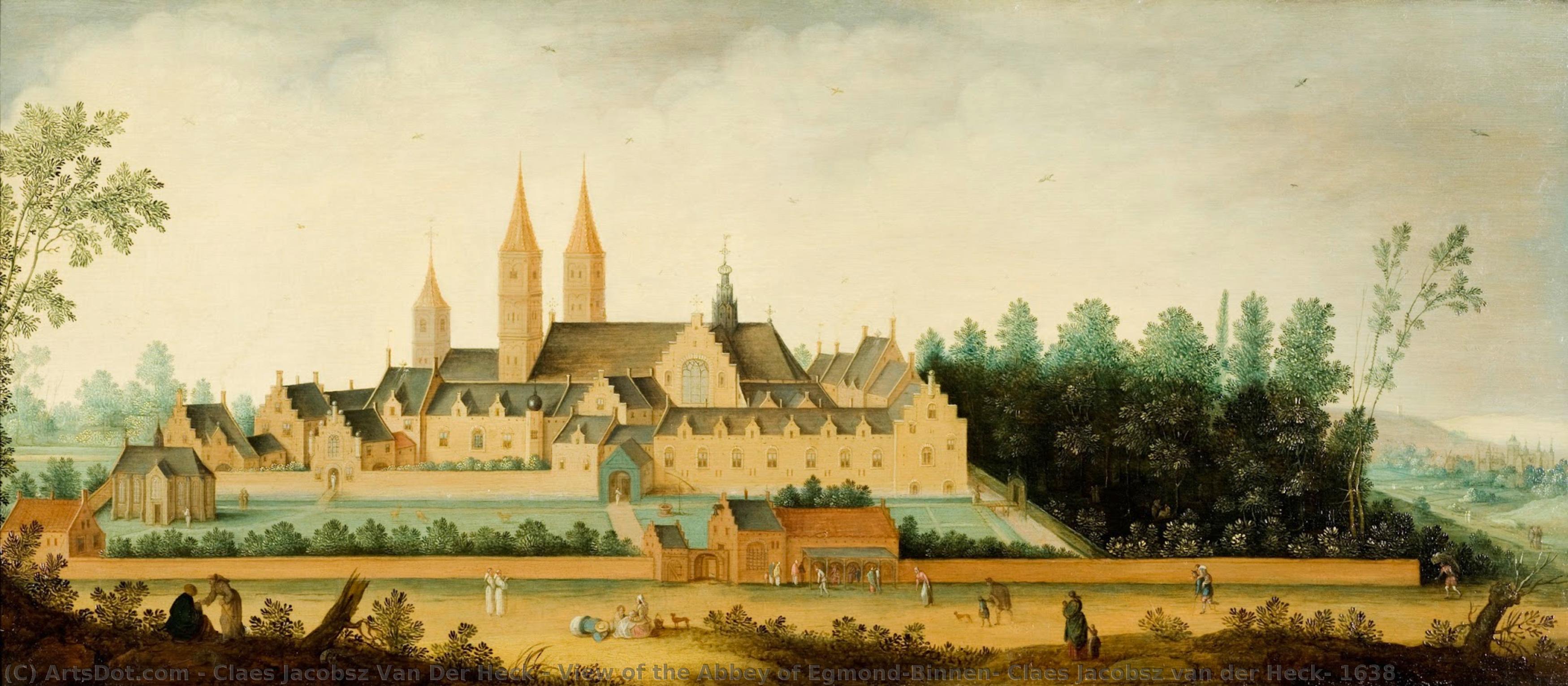
View of the Abbey of Egmond-Binnen, Claes Jacobsz van der Heck, 1638
 Dutch Golden Age
 1638
1638 31.0 x 72.0 cm
 Ver más
Reproducción al óleo hecha a mano
Óleo sobre lienzo pintado a mano en el tamaño y marco de su elección, realizado por encargo por nuestros artistas. ( Comprar impresión Comprar imagen)




































Elija entre nuestros tamaños predefinidos que respetan las proporciones originales de la obra.

Puede ingresar sus propias dimensiones para adaptarse a un marco o espacio específico. Si el tamaño seleccionado no coincide con las proporciones de la imagen original, recortaremos la obra o extenderemos la pintura con elementos adicionales pintados a mano. Se le enviará una maqueta digital para su aprobación antes de comenzar la producción.
Tenga en cuenta que la vista previa en pantalla no refleja el recorte o la extensión reales. Solo la maqueta mostrará con precisión la composición final.
Si bien existen tamaños personalizados, recomendamos seleccionar una dimensión de la lista predefinida para preservar las proporciones originales.
Tras realizar el pedido, el equipo de ArtsDot.com enviará un correo electrónico al cliente para solicitar instrucciones y proporcionarle una vista previa del boceto.
Envío a todo el mundo () en 3-4 semanas en lugar de las 5 semanas estándar. (4 septiembre). Sin comprometer la calidad.

Envío exprés gratuito a todo el mundo

Lienzo de lino de alta calidad

Seguro de envío total

Garantía de reembolso de impuestos aduaneros

Garantía de fidelidad cromática exacta

Política de devolución de 60 días (solo por defectos)

Garantía de devolución del 100% del dinero

Descuento por cantidad
 La opción de vidrio solo está disponible en tamaños inferiores a 110 cm.

View of the Abbey of Egmond-Binnen, Claes Jacobsz van der Heck, 1638
Técnica de reproducción
Dimensiones de la reproducción
-


Precio total final
$ 313
Obras relacionadas

Biografía del artista
Nicolaes Jacobsz van der Heck: A Master of Dutch Landscape
Nicolaes Jacobsz van der Heck (c.1575 – 1652), also known as Claes Jacobsz van der Heck, stands as a pivotal figure in the Dutch Golden Age, celebrated for his breathtaking depictions of the Dutch countryside and imbued with a mystical spirit that distinguishes him from many of his contemporaries. Born in Alkmaar, Netherlands, he descended from Maarten van Heemskerck, a renowned painter whose legacy profoundly shaped Jacobsz’s artistic trajectory. His formative years were spent under the tutelage of Jan Nagel, a respected landscape artist who instilled in him a meticulous approach to observation and representation—a characteristic that would define his oeuvre for decades to come. Early Life & Training: Karel van Mander recounts that Jacobsz possessed considerable talent from an early age and honed his skills within Nagel’s workshop, absorbing the techniques of capturing atmospheric perspective and conveying the grandeur of natural vistas. Nagel's influence was paramount in shaping Jacobsz’s artistic vision—a dedication to realism underpinned by a profound understanding of visual illusion. This meticulous attention to detail would become a hallmark of his distinctive style. Style & Technique: Jacobsz’s paintings are characterized by their exceptional level of precision—from painstakingly rendered foliage to subtly shaded rocks—reflecting a commitment to realism that nevertheless embraced expressive brushwork. He skillfully employed chiaroscuro, manipulating light and shadow with masterful subtlety to heighten the drama of his landscapes and imbue them with an emotional resonance. This technique allowed him to transcend mere visual representation, conveying feelings of serenity and contemplation alongside capturing the beauty of the natural world. Notable Works: Among Jacobsz’s most iconic creations is ‘View of the Abbey of Egmond-Binnen,’ a masterpiece that exemplifies the zenith of Dutch landscape painting. Its serene composition captures the monastic architecture against a backdrop of rolling hills and shimmering water, demonstrating an unparalleled grasp of tonal gradation and spatial depth—a testament to his artistic genius. Equally compelling are his depictions of witches’ sabbaths—scenes brimming with symbolic imagery and conveying a palpable sense of unease and fascination—reflecting the anxieties prevalent during his era and delving into themes of superstition and moral judgment. These works stand as enduring symbols of Dutch cultural heritage. Museum Collections & Legacy: His paintings reside in prestigious institutions such as the Rijksmuseum (Amsterdam), showcasing ‘View of the Abbey of Egmond-Binnen’ alongside other celebrated landscapes; The Mauritshuis (The Hague) houses a remarkable assemblage of Dutch Golden Age masterpieces, including Jacobsz’s evocative depictions of witchcraft. Nicolaes Jacobsz van der Heck's contribution to the artistic landscape of the seventeenth century is undeniable. He established himself as a master of tonal gradation and spatial depth—techniques that would continue to inspire generations of painters. His meticulous observation of nature and his expressive brushwork solidified his reputation as a visionary artist who captured the essence of Dutch identity during its golden age, securing his place among the most influential landscape artists of his time.- Influences: Jan Nagel’s teachings instilled in Jacobsz a disciplined approach to observation and representation—a cornerstone of his artistic style.
- Key Characteristics: Exceptional detail; Atmospheric perspective; Dramatic chiaroscuro; Emotional resonance.

Nicolaes Jacobsz van der Heck
1652 , Países Bajos
Datos clave
- Artistic Movement Or Style: Dutch Golden Age
- Artists Who Influenced This Artist: ['Jan Nagel']
- Date Of Death: 1652
- Full Name: Claes Jacobsz van der Heck
- Nationality: Dutch
- Notable Artworks:
- View of the Abbey of Egmond-Binnen
- Witches’ Sabbath
- Place Of Birth: Alkmaar, Netherlands
Artículos relacionados

Los 10 Maestros del Siglo de Oro Holandés: Arte, Historia y Decoración Exclusiva
Descubre los 10 imprescindibles del Siglo de Oro Holandés: Rembrandt, Vermeer y más. Explora la historia, técnica y belleza de estos lienzos clásicos. Encuentra reproducciones de arte exclusivas para decorar tu hogar en .

Rembrandt van Rijn: Las 25 Obras Maestras que Definen un Genio | Arte, Historia y Decoración
Descubre las 25 obras maestras de Rembrandt van Rijn, el genio del barroco holandés. Explora su historia, técnica y simbolismo en retratos icónicos como 'La Ronda Nocturna'. Encuentra reproducciones de arte exclusivas para decorar tu hogar con ArtsDot.com.

Reflejos de una Época Dorada: La Pintura Barroca Holandesa y la Innovación Cultural
Descubra la riqueza y el detalle de la pintura barroca holandesa del Siglo de Oro. Explore las obras maestras de Rembrandt, Vermeer y otros artistas clave. Análisis experto e historia cultural.
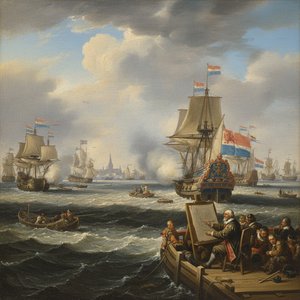
Willem van de Velde the Elder: Master of Maritime Painting & Chronicler of the Dutch Golden Age
Discover the captivating maritime paintings of Willem van de Velde the Elder, a master chronicler of the Dutch Golden Age. Explore his unparalleled realism and lasting influence on naval art history.

La Luz y la República: Innovación Artística en el Siglo de Oro Neerlandés
Descubra la innovación artística del Siglo de Oro Neerlandés. Explore las obras maestras de Rembrandt y Vermeer, técnicas revolucionarias y el legado perdurable de este florecimiento cultural. ¡Sumérjase en la luz y la belleza!

