

 Ver en contexto
 Enviar
 Compartir
 Detalles

 Descargar
 Similares
 Radiografía
 Presentación de diapositivas
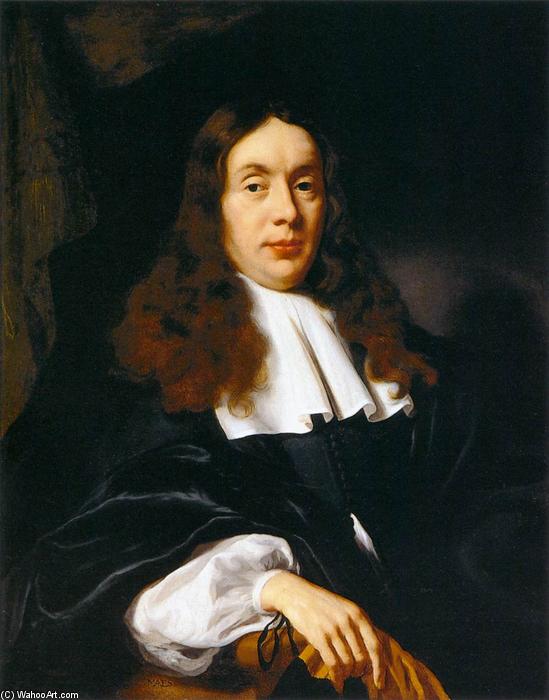
Portrait of a Man
 Oil On Canvas
- WallArt
- Early Netherlandish Painting
 1666
1666 91.0 x 73.0 cm
 Museo Nacional Thyssen-Bornemisza
 Ver más
Adquiera una imagen digital de alta resolución y optimizada, muy superior a la vista previa en línea.
Cada archivo es preparado meticulosamente por nuestros especialistas internos mediante el uso de herramientas avanzadas y un experto retoque manual. Nos aseguramos de que cada imagen posea una claridad excepcional, una precisión cromática impecable y un detalle minucioso.
El archivo final se entrega por correo electrónico en un plazo de 72 horas, optimizado para su uso inmediato en entornos profesionales, editoriales y de impresión. Esta es la misma calidad en la que confían los estudios de diseño, las editoriales y las galerías de primer nivel.
Imagen Digital
Descarga un archivo de alta resolución para exhibición personal, impresión y proyectos creativos. ( Comprar impresión Comprar pintura hecha a mano)
Incluido en cada pedido de imágenes digitales
Entrega digital experta, garantizada.
Al elegir ArtsDot.com, no solo está adquiriendo una imagen; está recibiendo una obra de arte digital mejorada profesionalmente, elaborada con precisión y respaldada por una garantía de satisfacción. Esto es todo lo que incluye su pedido, automáticamente:

Entrega rápida por email
Recibirá su archivo de imagen digital en alta resolución por correo electrónico en un plazo de 72 horas tras realizar su pedido, listo para su uso inmediato.

Archivo digital optimizado por IA
Su obra de arte se optimiza profesionalmente mediante herramientas avanzadas de IA y edición manual, garantizando el máximo detalle, claridad y precisión cromática.

Reenvío gratuito de por vida
¿Has borrado o perdido tu archivo por error? No te preocupes: te lo volveremos a enviar en cualquier momento, sin coste adicional.

Sin gastos de importación, siempre
Disfrute de su obra de arte al instante sin aduanas, aranceles ni gastos de envío; las descargas digitales siempre están libres de impuestos.

Garantía de fidelidad de color
Garantizamos que su imagen digital refleje los colores originales con la mayor fidelidad posible, mediante el uso de herramientas profesionales y gestión del color.

Garantía de satisfacción de 60 días
Si no está satisfecho con su imagen digital, la revisaremos o le reembolsaremos el 100% en un plazo de 60 días, sin preguntas.

100% Garantía de devolución de dinero
¿No está satisfecho? Obtenga un reembolso completo dentro de los 60 días posteriores a la recepción de su archivo digital, sin necesidad de explicaciones.

Descuentos por pedidos grandes
Compra 3 imágenes, ahorra 10% - Compra 5, ahorra 15% - Compra 10+, ahorra 20%. Ideal para proyectos creativos, galerías y agencias.
Descripción del coleccionable
A Portrait of Quiet Dignity: Nicolaes Maes’s “Portrait of a Man”
The year is 1666. Amsterdam, the beating heart of the Dutch Golden Age, pulses with commerce, artistic innovation, and an insatiable appetite for portraiture. Within this vibrant scene emerges Nicolaes Maes's "Portrait of a Man," a remarkably intimate depiction that transcends mere likeness to offer a glimpse into the soul of its subject – and perhaps, a subtle reflection of the artist himself. This oil on canvas, currently residing in the Museo Thyssen-Bornemisza in Madrid, is not merely a painting; it’s a carefully constructed tableau of status, contemplation, and understated power.
Maes, a student deeply influenced by the masterful Rembrandt van Rijn, possessed an extraordinary ability to capture the nuances of human expression. Unlike the grand, theatrical portraits favored by some contemporaries, Maes's work often leaned towards a more restrained elegance. “Portrait of a Man” exemplifies this approach. The subject, a gentleman of considerable means judging by his richly appointed attire – a ruffled collar, a dark velvet coat, and a subtle hint of a tie – is presented in three-quarter profile, his gaze direct and unwavering. He isn’t smiling broadly; rather, there's a quiet dignity about him, an air of considered observation that invites the viewer to share in his thoughts.
The Anatomy of Observation: Technique and Style
Maes’s technical skill is immediately apparent. The meticulous rendering of fabric – the folds of the coat, the texture of the velvet – speaks volumes about his dedication to detail. He employs a masterful use of *chiaroscuro*, Rembrandt's signature technique of dramatic light and shadow, to sculpt the subject’s face and create a sense of depth and volume. Notice how the light catches the planes of his cheeks and forehead, while the shadows subtly define the lines etched by time and experience. The subtle variations in tone contribute significantly to the painting’s overall mood – a blend of seriousness and warmth.
The artist's palette is restrained yet effective. Deep browns, purples, and creams dominate, creating a harmonious and sophisticated color scheme. Maes was known for his ability to capture the subtle shifts in light and color that define a subject’s appearance, particularly in portraiture. He wasn’t simply painting a man; he was painting an *impression* of a man – a fleeting moment captured on canvas.
A Window into 17th-Century Dutch Society
“Portrait of a Man” offers a valuable window into the social and cultural landscape of 17th-century Holland. The subject’s attire, while luxurious, reflects the burgeoning merchant class that was transforming Amsterdam into one of Europe's wealthiest cities. The elaborate collar and coat were symbols of status and prosperity, indicative of a man who had achieved considerable success in business or trade. The painting also speaks to the growing importance of portraiture as a means of self-representation and social advancement – a way for individuals to assert their identity and demonstrate their wealth and position within society.
Symbolism and the Artist’s Self-Portrait?
Beyond its immediate depiction, “Portrait of a Man” is laden with subtle symbolism. The subject's direct gaze suggests confidence and self-awareness. Some art historians have even speculated that this portrait may be a self-portrait in disguise – a deliberate attempt by Maes to capture his own likeness and convey a similar sense of quiet dignity. The inscription at the top, “Als Ich Can” (As I can), echoes Rembrandt’s own motto and hints at the artist's pride in his craft. The painting’s composition—the subject’s direct gaze meeting the viewer’s—creates an intimate connection, as if inviting a silent conversation across time.
Regardless of whether it represents a true self-portrait, “Portrait of a Man” remains a compelling testament to Nicolaes Maes's artistic skill and his ability to capture the essence of human character. It’s a painting that rewards careful observation and invites us to contemplate not only the subject’s appearance but also the complexities of his inner world.
Obras relacionadas


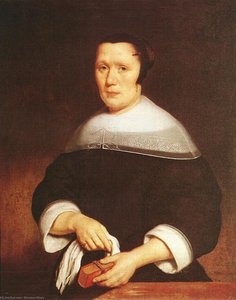
Biografía del artista
Nicolaes Maes: Una Vida en el Siglo de Oro Neerlandés
- Nacido: Dordrecht, Países Bajos (Enero 1634)
- Fallecido: Ámsterdam, Países Bajos (Diciembre 1693)
Nicolaes Maes (también conocido como Nicolaes Maas) fue un destacado pintor del Siglo de Oro Neerlandés, reconocido por sus escenas de género y retratos. Nacido en Dordrecht hijo de Gerrit Maes, un próspero comerciante, e Ida Herman Claesdr, se convirtió en una figura significativa dentro del panorama artístico del siglo XVII en los Países Bajos.
Formación Temprana e Influencia de Rembrandt
La carrera temprana de Maes fue moldeada significativamente por su aprendizaje con Rembrandt van Rijn en Ámsterdam (aproximadamente 1648-1653). Este período resultó formativo, inculcándole una profunda apreciación por el claroscuro –el uso dramático de la luz y la sombra– y un dominio del color. Sus primeras obras, como "La Reverie" (Rijksmuseum, Ámsterdam) y "Los Jugadores de Cartas" (National Gallery, Londres), presentan un sorprendente parecido al estilo de Rembrandt, lo que a menudo llevó a su atribución errónea. Estas primeras piezas demuestran su capacidad para emular las técnicas de su maestro, utilizando figuras de tamaño natural y una rica paleta de colores brillantes.
Desarrollo de un Estilo Maduro
Tras regresar a Dordrecht en 1653, Maes desarrolló un estilo más distintivo. Aproximadamente entre 1655 y 1665, se centró principalmente en escenas de género doméstico a menor escala, conservando el brillo colorístico aprendido de Rembrandt. Se alejó de las composiciones religiosas a gran escala, optando por representar la vida cotidiana con una intimidad y un detalle notables. Los temas recurrentes incluían mujeres dedicadas a actividades como hilar, leer la Biblia o preparar comidas. Maes también mostró una fascinación particular por el encaje, produciendo numerosas variaciones sobre este tema.
Retratismo y Carrera Posterior
El talento de Maes se extendió más allá de la pintura de género al retratismo. Ejemplos notables incluyen "Retrato de Laurence Hyde, Earl of Rochester", "Retrato de Jan de Reus" y "Retrato de un Hombre con Peluca Negra". Estos retratos exhiben su habilidad para capturar el parecido y el carácter de sus sujetos con una precisión notable. En 1673, Maes se trasladó a Ámsterdam, convirtiéndose en uno de los principales pintores de retratos de la ciudad durante las últimas tres décadas del siglo. Este traslado reflejó tanto la ambición artística como la adaptación a las condiciones cambiantes del mercado.
Legado y Significado Histórico
Nicolaes Maes dejó atrás una obra sustancial que continúa siendo admirada por su habilidad técnica, su íntima representación de la vida cotidiana y su influencia duradera en generaciones posteriores de artistas holandeses. Su capacidad para capturar la esencia de personas comunes durante el Siglo de Oro Neerlandés proporciona valiosas perspectivas sobre las costumbres sociales y los entornos domésticos de ese período. Las pinturas de Maes se conservan en prestigiosos museos de todo el mundo, incluyendo el Rijksmuseum y la National Gallery, y siguen siendo accesibles para su estudio y apreciación en plataformas como ArtsDot.com.
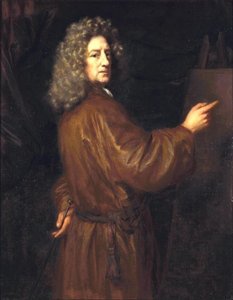
Nicolaes Maes
1634 - 1693 , Países Bajos
Breves datos
- Artistas Que Influyeron: ['Rembrandt']
- Fecha De Fallecimiento: Diciembre de 1693
- Fecha De Nacimiento: Enero de 1634
- Lugar De Nacimiento: Dordrecht, Países Bajos
- Movimiento Artístico: Edad de Oro Neerlandesa
- Nacionalidad: Neerlandés
- Nombre Completo: Nicolaes Maes
- Obras Notables:
- La Reverie
- Los Jugadores de Cartas
- Niños con un Carro de Cabras
- Retrato de Laurence Hyde
- Retrato de Jan de Reus
- Retrato de un Hombre en Peluca Negra

