 Ver en contexto
 Enviar
 Compartir
 Detalles

 Descargar
 Similares
 Radiografía
 Presentación de diapositivas
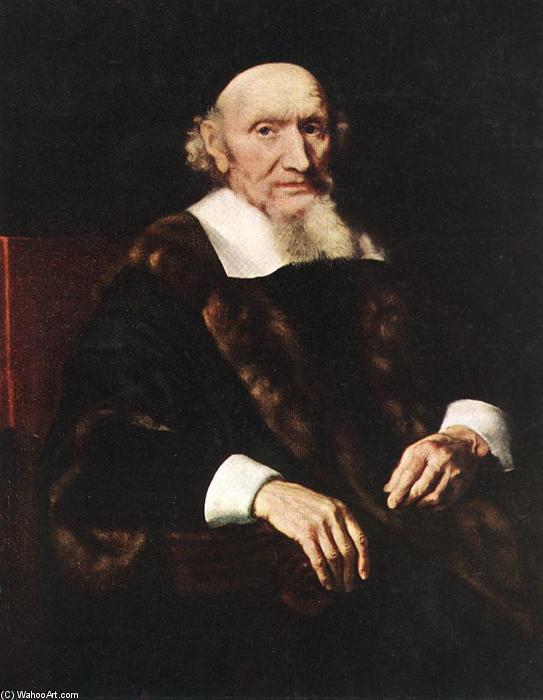
Portrait of Jacob Trip
 Oil On Canvas
- WallArt
- Dutch Golden Age
 1660
1660 88.0 x 68.0 cm
 Museo de las Artes de Budapest
 Ver más
Reproducción al óleo hecha a mano
Óleo sobre lienzo pintado a mano en el tamaño y marco de su elección, realizado por encargo por nuestros artistas. ( Comprar impresión Comprar imagen)




P118B $10

P118H $10

P118W $10

P438Z $10

P508JH $12

P508YH $12

P805H $10

P805Z $10

P919BZ $10

P919G $10

P919XJ $10

P959ZH $10

P968JZ $12

W106C $8

W218G $10

W218JH $8

W218Y $10

W307PJ $10

W316G $10

W316PJ $8

W316Y $10

W398PJ $8

W4111J $10

W500HY $15

W500JH $15

W692G $12

W849H $8

W940BG $15

W953PJ $8




Elija entre nuestros tamaños predefinidos que respetan las proporciones originales de la obra.

Puede ingresar sus propias dimensiones para adaptarse a un marco o espacio específico. Si el tamaño seleccionado no coincide con las proporciones de la imagen original, recortaremos la obra o extenderemos la pintura con elementos adicionales pintados a mano. Se le enviará una maqueta digital para su aprobación antes de comenzar la producción.
Tenga en cuenta que la vista previa en pantalla no refleja el recorte o la extensión reales. Solo la maqueta mostrará con precisión la composición final.
Si bien existen tamaños personalizados, recomendamos seleccionar una dimensión de la lista predefinida para preservar las proporciones originales.
Tras realizar el pedido, el equipo de ArtsDot.com enviará un correo electrónico al cliente para solicitar instrucciones y proporcionarle una vista previa del boceto.
Envío a todo el mundo () en 3-4 semanas en lugar de las 5 semanas estándar. (1 septiembre). Sin comprometer la calidad.

Envío exprés gratuito a todo el mundo

Lienzo de lino de alta calidad

Seguro de envío total

Garantía de reembolso de impuestos aduaneros

Garantía de fidelidad cromática exacta

Política de devolución de 60 días (solo por defectos)

Garantía de devolución del 100% del dinero

Descuento por cantidad
 La opción de vidrio solo está disponible en tamaños inferiores a 110 cm.

Portrait of Jacob Trip
Técnica de reproducción
Dimensiones de la reproducción
-


Precio total final
$ 263
A Window into Dutch Golden Age Soul: Portrait of Jacob Trip by Nicolaes Maes
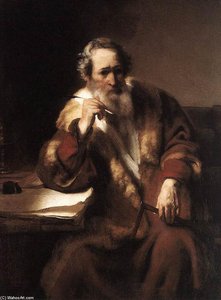
The year is 1660, and within the dimly lit studios of Dordrecht, a master painter meticulously captures the essence of a man – Jacob Trip. This isn’t merely a likeness; it's a profound exploration of character, age, and the quiet dignity of a prosperous merchant, rendered with the exquisite skill that defines Nicolaes Maes and the broader legacy of Dutch Golden Age portraiture. The painting, now housed in the Budapest Museum of Fine Arts, offers a captivating glimpse into a world where wealth and status were inextricably linked to artistic patronage, and where the artist’s ability to convey inner life was paramount.
Maes's style is immediately recognizable – a masterful blend of Rembrandt’s dramatic *chiaroscuro* with his own distinctive sensitivity. Notice how light sculpts Jacob Trip’s face, highlighting the deep lines etched by time and experience, yet simultaneously softening the contours to reveal an underlying serenity. The artist employs a subtle palette dominated by earth tones—rich browns, ochres, and muted greens—creating a mood of contemplative seriousness. This deliberate restraint is characteristic of Dutch portraiture of this era, eschewing flamboyant colors in favor of a more restrained elegance that reflected the values of a mercantile society.
The Anatomy of Portraiture: Technique and Detail
A closer examination reveals Maes’s extraordinary technical prowess. The brushwork is remarkably fine, meticulously rendering the texture of Trip's weathered skin, the folds of his dark coat, and the delicate weave of his fur-lined collar. Observe how he captures the subtle sheen of light on the fabric, creating a sense of tactile realism. The artist’s attention to detail extends beyond mere representation; it’s an attempt to capture not just the outward appearance but also the inner character of the subject. Note the careful modeling of the hands resting upon the table – a gesture that speaks volumes about Trip's composure and perhaps even his contemplative nature.
The composition itself is carefully balanced, drawing the eye inward towards the central figure. The dark background serves to isolate Trip, emphasizing his presence and creating a dramatic stage for his portrait. The lack of extraneous details focuses attention entirely on the subject, reinforcing the painting’s primary purpose: to reveal something essential about Jacob Trip's identity.
Symbolism and Context: A Merchant's Life
Beyond its technical brilliance, the Portrait of Jacob Trip is rich in symbolic meaning. The dark clothing, indicative of wealth and status, reflects Trip’s position within Dordrecht society. The fur-lined collar, a common feature of portraits from this period, signified both affluence and protection against the elements – a subtle reminder of the merchant's role as a provider for his family and community. The seated pose itself suggests authority and contemplation, reflecting the responsibilities inherent in managing a successful business.
Furthermore, the painting is situated within the broader context of Dutch Golden Age art. During this period, portraiture flourished as a popular genre, driven by the burgeoning wealth of the merchant class and their desire to commemorate their achievements and status. Artists like Maes were commissioned to create portraits that not only depicted their subjects accurately but also conveyed their virtues and aspirations. The painting stands as a testament to this cultural phenomenon – a window into the lives and values of a prosperous era.
A Timeless Masterpiece: Reproduction and Inspiration
Reproductions of Nicolaes Maes’s Portrait of Jacob Trip offer an exceptional opportunity to experience the beauty and depth of Dutch Golden Age art. Whether displayed in a grand salon or a more intimate setting, this painting continues to captivate viewers with its masterful technique, evocative atmosphere, and profound insights into human character. Consider how the subtle interplay of light and shadow, combined with the artist’s meticulous attention to detail, can transform any space—creating an ambiance of quiet dignity and timeless elegance.
Obras relacionadas

Biografía del artista
Nicolaes Maes: Una Vida en el Siglo de Oro Neerlandés
- Nacido: Dordrecht, Países Bajos (Enero 1634)
- Fallecido: Ámsterdam, Países Bajos (Diciembre 1693)
Nicolaes Maes (también conocido como Nicolaes Maas) fue un destacado pintor del Siglo de Oro Neerlandés, reconocido por sus escenas de género y retratos. Nacido en Dordrecht hijo de Gerrit Maes, un próspero comerciante, e Ida Herman Claesdr, se convirtió en una figura significativa dentro del panorama artístico del siglo XVII en los Países Bajos.
Formación Temprana e Influencia de Rembrandt
La carrera temprana de Maes fue moldeada significativamente por su aprendizaje con Rembrandt van Rijn en Ámsterdam (aproximadamente 1648-1653). Este período resultó formativo, inculcándole una profunda apreciación por el claroscuro –el uso dramático de la luz y la sombra– y un dominio del color. Sus primeras obras, como "La Reverie" (Rijksmuseum, Ámsterdam) y "Los Jugadores de Cartas" (National Gallery, Londres), presentan un sorprendente parecido al estilo de Rembrandt, lo que a menudo llevó a su atribución errónea. Estas primeras piezas demuestran su capacidad para emular las técnicas de su maestro, utilizando figuras de tamaño natural y una rica paleta de colores brillantes.
Desarrollo de un Estilo Maduro
Tras regresar a Dordrecht en 1653, Maes desarrolló un estilo más distintivo. Aproximadamente entre 1655 y 1665, se centró principalmente en escenas de género doméstico a menor escala, conservando el brillo colorístico aprendido de Rembrandt. Se alejó de las composiciones religiosas a gran escala, optando por representar la vida cotidiana con una intimidad y un detalle notables. Los temas recurrentes incluían mujeres dedicadas a actividades como hilar, leer la Biblia o preparar comidas. Maes también mostró una fascinación particular por el encaje, produciendo numerosas variaciones sobre este tema.
Retratismo y Carrera Posterior
El talento de Maes se extendió más allá de la pintura de género al retratismo. Ejemplos notables incluyen "Retrato de Laurence Hyde, Earl of Rochester", "Retrato de Jan de Reus" y "Retrato de un Hombre con Peluca Negra". Estos retratos exhiben su habilidad para capturar el parecido y el carácter de sus sujetos con una precisión notable. En 1673, Maes se trasladó a Ámsterdam, convirtiéndose en uno de los principales pintores de retratos de la ciudad durante las últimas tres décadas del siglo. Este traslado reflejó tanto la ambición artística como la adaptación a las condiciones cambiantes del mercado.
Legado y Significado Histórico
Nicolaes Maes dejó atrás una obra sustancial que continúa siendo admirada por su habilidad técnica, su íntima representación de la vida cotidiana y su influencia duradera en generaciones posteriores de artistas holandeses. Su capacidad para capturar la esencia de personas comunes durante el Siglo de Oro Neerlandés proporciona valiosas perspectivas sobre las costumbres sociales y los entornos domésticos de ese período. Las pinturas de Maes se conservan en prestigiosos museos de todo el mundo, incluyendo el Rijksmuseum y la National Gallery, y siguen siendo accesibles para su estudio y apreciación en plataformas como ArtsDot.com.
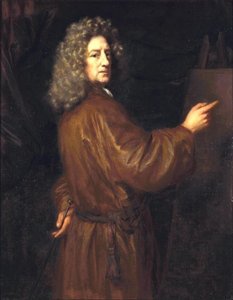
Nicolaes Maes
1634 - 1693 , Países Bajos
Datos clave
- Artistas Que Influyeron: ['Rembrandt']
- Fecha De Fallecimiento: Diciembre de 1693
- Fecha De Nacimiento: Enero de 1634
- Lugar De Nacimiento: Dordrecht, Países Bajos
- Movimiento Artístico: Edad de Oro Neerlandesa
- Nacionalidad: Neerlandés
- Nombre Completo: Nicolaes Maes
- Obras Notables:
- La Reverie
- Los Jugadores de Cartas
- Niños con un Carro de Cabras
- Retrato de Laurence Hyde
- Retrato de Jan de Reus
- Retrato de un Hombre en Peluca Negra
Artículos relacionados

Los 10 Maestros del Siglo de Oro Holandés: Arte, Historia y Decoración Exclusiva
Descubre los 10 imprescindibles del Siglo de Oro Holandés: Rembrandt, Vermeer y más. Explora la historia, técnica y belleza de estos lienzos clásicos. Encuentra reproducciones de arte exclusivas para decorar tu hogar en .
Nicolaes Berchem: Dutch Golden Age Pastoralism & the Evolution of Landscape Painting
Explore the captivating world of Nicolaes Berchem, a leading Dutch Golden Age painter. Discover his idyllic landscapes, masterful technique & lasting influence on art history. Learn more at ArtsDot.

Reflejos de una Época Dorada: La Pintura Barroca Holandesa y la Innovación Cultural
Descubra la riqueza y el detalle de la pintura barroca holandesa del Siglo de Oro. Explore las obras maestras de Rembrandt, Vermeer y otros artistas clave. Análisis experto e historia cultural.

La Luz y la República: Innovación Artística en el Siglo de Oro Neerlandés
Descubra la innovación artística del Siglo de Oro Neerlandés. Explore las obras maestras de Rembrandt y Vermeer, técnicas revolucionarias y el legado perdurable de este florecimiento cultural. ¡Sumérjase en la luz y la belleza!
Illuminating Realism: Exploring the Dutch Golden Age of Painting (1600-1700)
Explore the Dutch Golden Age of painting (1600-1700) with ArtsDot. Discover Rembrandt, Vermeer & other masters. Learn about techniques, history & find museum-quality reproductions.