 Ver en contexto
 Enviar
 Compartir
 Detalles

 Descargar
 Similares
 Radiografía
 Presentación de diapositivas
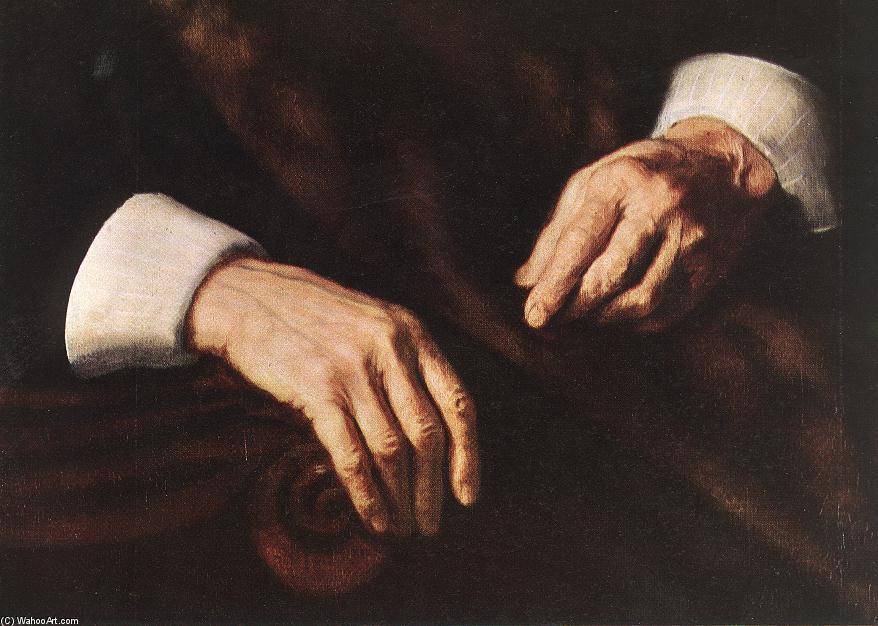
Portrait of Jacob Trip (detail)


 Ver más
Reproducción al óleo hecha a mano
Óleo sobre lienzo pintado a mano en el tamaño y marco de su elección, realizado por encargo por nuestros artistas. ( Comprar impresión Comprar imagen)




P118B $10

P118H $10

P118W $10

P438Z $10

P508JH $12

P508YH $12

P805H $10

P805Z $10

P919BZ $10

P919G $10

P919XJ $10

P959ZH $10

P968JZ $12

W106C $8

W218G $10

W218JH $8

W218Y $10

W307PJ $10

W316G $10

W316PJ $8

W316Y $10

W398PJ $8

W4111J $10

W500HY $15

W500JH $15

W692G $12

W849H $8

W940BG $15

W953PJ $8




Elija entre nuestros tamaños predefinidos que respetan las proporciones originales de la obra.

Puede ingresar sus propias dimensiones para adaptarse a un marco o espacio específico. Si el tamaño seleccionado no coincide con las proporciones de la imagen original, recortaremos la obra o extenderemos la pintura con elementos adicionales pintados a mano. Se le enviará una maqueta digital para su aprobación antes de comenzar la producción.
Tenga en cuenta que la vista previa en pantalla no refleja el recorte o la extensión reales. Solo la maqueta mostrará con precisión la composición final.
Si bien existen tamaños personalizados, recomendamos seleccionar una dimensión de la lista predefinida para preservar las proporciones originales.
Tras realizar el pedido, el equipo de ArtsDot.com enviará un correo electrónico al cliente para solicitar instrucciones y proporcionarle una vista previa del boceto.
Envío a todo el mundo () en 3-4 semanas en lugar de las 5 semanas estándar. (4 septiembre). Sin comprometer la calidad.

Envío exprés gratuito a todo el mundo

Lienzo de lino de alta calidad

Seguro de envío total

Garantía de reembolso de impuestos aduaneros

Garantía de fidelidad cromática exacta

Política de devolución de 60 días (solo por defectos)

Garantía de devolución del 100% del dinero

Descuento por cantidad
 La opción de vidrio solo está disponible en tamaños inferiores a 110 cm.

Portrait of Jacob Trip (detail)
Técnica de reproducción
Dimensiones de la reproducción
-


Precio total final
$ 263
The Intimacy of Detail: A Study in Human Experience
In this exquisite detail from Nicolaes Maes’s 1660 masterpiece, Portrait of Jacob Trip, the viewer is invited into a profound moment of quiet contemplation. While the full portrait captures the stature of a man of significance, this specific close-up focuses our gaze on the hands—the very instruments of human agency and the silent narrators of a life lived. Resting upon a dark, indistinct surface, the hands are rendered with such breathtaking precision that one can almost sense the warmth of the skin and the weight of the years. The artist directs our attention to the subtle topography of the flesh: the delicate network of veins, the gentle creases of aging, and the soft way light dances across the knuckles. It is a study not just of anatomy, and physical form, but of the dignity found in the passage of time.
The emotional resonance of this fragment lies in its vulnerability. By turning the palms slightly upward toward the viewer, Maes creates an atmosphere of openness and honesty. There is no pretense here; there is only the raw, tactile reality of existence. For the collector or the lover of fine art, this piece offers a meditative escape, providing a focal point that commands attention through subtlety rather than spectacle. It serves as a poignant reminder that greatness is often found in the smallest, most overlooked details of our humanity.
Mastery of the Dutch Golden Age
To understand the technical brilliance of this work, one must look to the lineage of its creator. Nicolaes Maes, a pupil of the legendary Rembrandt van Rijn, carries the torch of the Dutch Golden Age’s most celebrated technique: chiaroscuro. In this detail, we see the profound impact of that training through the dramatic interplay between light and shadow. The background is swallowed by a deep, velvety darkness, a void that serves to push the illuminated hands forward into the viewer's space. This high contrast does more than create depth; it sculpts the subject, giving the skin a three-dimensional, lifelike quality that feels almost sculptural.
Maes’s brushwork is a testament to the meticulous standards of 17th-century Dutch portraiture. Every fold in the skin and every nuance of color—from the pale, ivory highlights to the subtle, bruised undertones of the veins—is executed with a masterful command of pigment. The texture is so convincingly rendered that it transcends the flat surface of the canvas, offering a sensory experience that is both intellectually stimulating and visually soothing. For interior designers seeking to add a sense of historical weight and sophisticated texture to a room, such a reproduction brings an unparalleled level of classical elegance and academic rigor.
A Timeless Addition to the Modern Collection
Beyond its historical significance, this detail from the Portrait of Jacob Trip possesses a timeless aesthetic appeal that bridges the gap between the 17th century and the contemporary home. Its muted palette and dramatic lighting make it an incredibly versatile piece for sophisticated decor. Whether placed in a library filled with leather-bound books or as a striking focal point in a minimalist, modern gallery space, the painting provides a sense of groundedness and permanence.
Owning a high-quality reproduction of such a significant work allows one to curate an environment of intellectual depth and emotional warmth. It is more than mere decoration; it is an invitation to pause, to observe, and to find beauty in the quiet textures of life. This piece stands as a tribute to the enduring power of the human touch and the everlasting legacy of the Dutch masters, making it a profound choice for any discerning collector looking to invest in art that speaks to the soul.
Obras relacionadas


Biografía del artista
Nicolaes Maes: Una Vida en el Siglo de Oro Neerlandés
- Nacido: Dordrecht, Países Bajos (Enero 1634)
- Fallecido: Ámsterdam, Países Bajos (Diciembre 1693)
Nicolaes Maes (también conocido como Nicolaes Maas) fue un destacado pintor del Siglo de Oro Neerlandés, reconocido por sus escenas de género y retratos. Nacido en Dordrecht hijo de Gerrit Maes, un próspero comerciante, e Ida Herman Claesdr, se convirtió en una figura significativa dentro del panorama artístico del siglo XVII en los Países Bajos.
Formación Temprana e Influencia de Rembrandt
La carrera temprana de Maes fue moldeada significativamente por su aprendizaje con Rembrandt van Rijn en Ámsterdam (aproximadamente 1648-1653). Este período resultó formativo, inculcándole una profunda apreciación por el claroscuro –el uso dramático de la luz y la sombra– y un dominio del color. Sus primeras obras, como "La Reverie" (Rijksmuseum, Ámsterdam) y "Los Jugadores de Cartas" (National Gallery, Londres), presentan un sorprendente parecido al estilo de Rembrandt, lo que a menudo llevó a su atribución errónea. Estas primeras piezas demuestran su capacidad para emular las técnicas de su maestro, utilizando figuras de tamaño natural y una rica paleta de colores brillantes.
Desarrollo de un Estilo Maduro
Tras regresar a Dordrecht en 1653, Maes desarrolló un estilo más distintivo. Aproximadamente entre 1655 y 1665, se centró principalmente en escenas de género doméstico a menor escala, conservando el brillo colorístico aprendido de Rembrandt. Se alejó de las composiciones religiosas a gran escala, optando por representar la vida cotidiana con una intimidad y un detalle notables. Los temas recurrentes incluían mujeres dedicadas a actividades como hilar, leer la Biblia o preparar comidas. Maes también mostró una fascinación particular por el encaje, produciendo numerosas variaciones sobre este tema.
Retratismo y Carrera Posterior
El talento de Maes se extendió más allá de la pintura de género al retratismo. Ejemplos notables incluyen "Retrato de Laurence Hyde, Earl of Rochester", "Retrato de Jan de Reus" y "Retrato de un Hombre con Peluca Negra". Estos retratos exhiben su habilidad para capturar el parecido y el carácter de sus sujetos con una precisión notable. En 1673, Maes se trasladó a Ámsterdam, convirtiéndose en uno de los principales pintores de retratos de la ciudad durante las últimas tres décadas del siglo. Este traslado reflejó tanto la ambición artística como la adaptación a las condiciones cambiantes del mercado.
Legado y Significado Histórico
Nicolaes Maes dejó atrás una obra sustancial que continúa siendo admirada por su habilidad técnica, su íntima representación de la vida cotidiana y su influencia duradera en generaciones posteriores de artistas holandeses. Su capacidad para capturar la esencia de personas comunes durante el Siglo de Oro Neerlandés proporciona valiosas perspectivas sobre las costumbres sociales y los entornos domésticos de ese período. Las pinturas de Maes se conservan en prestigiosos museos de todo el mundo, incluyendo el Rijksmuseum y la National Gallery, y siguen siendo accesibles para su estudio y apreciación en plataformas como ArtsDot.com.
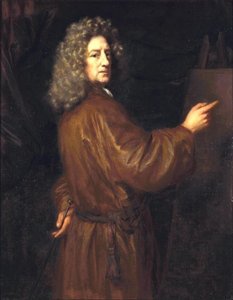
Nicolaes Maes
1634 - 1693 , Países Bajos
Datos clave
- Artistas Que Influyeron: ['Rembrandt']
- Fecha De Fallecimiento: Diciembre de 1693
- Fecha De Nacimiento: Enero de 1634
- Lugar De Nacimiento: Dordrecht, Países Bajos
- Movimiento Artístico: Edad de Oro Neerlandesa
- Nacionalidad: Neerlandés
- Nombre Completo: Nicolaes Maes
- Obras Notables:
- La Reverie
- Los Jugadores de Cartas
- Niños con un Carro de Cabras
- Retrato de Laurence Hyde
- Retrato de Jan de Reus
- Retrato de un Hombre en Peluca Negra
Artículos relacionados

Los 10 Maestros del Siglo de Oro Holandés: Arte, Historia y Decoración Exclusiva
Descubre los 10 imprescindibles del Siglo de Oro Holandés: Rembrandt, Vermeer y más. Explora la historia, técnica y belleza de estos lienzos clásicos. Encuentra reproducciones de arte exclusivas para decorar tu hogar en .

La Luz y la República: Innovación Artística en el Siglo de Oro Neerlandés
Descubra la innovación artística del Siglo de Oro Neerlandés. Explore las obras maestras de Rembrandt y Vermeer, técnicas revolucionarias y el legado perdurable de este florecimiento cultural. ¡Sumérjase en la luz y la belleza!
Illuminating Realism: Exploring the Dutch Golden Age of Painting (1600-1700)
Explore the Dutch Golden Age of painting (1600-1700) with ArtsDot. Discover Rembrandt, Vermeer & other masters. Learn about techniques, history & find museum-quality reproductions.

Reflejos de una Época Dorada: La Pintura Barroca Holandesa y la Innovación Cultural
Descubra la riqueza y el detalle de la pintura barroca holandesa del Siglo de Oro. Explore las obras maestras de Rembrandt, Vermeer y otros artistas clave. Análisis experto e historia cultural.
Golden Light & Dutch Skies: Bringing the Magic of Dutch Golden Age Landscapes into Your Home
Transform your home with the breathtaking light of Dutch Golden Age landscapes. Discover how hand-painted oil reproductions of masterworks like Ruisdael and Vermeer bring timeless elegance, atmosphere, and soulful texture to modern interiors. Elevate your space with museum-quality art.