 Ver en contexto
 Enviar
 Compartir
 Detalles

 Descargar
 Similares
 Radiografía
 Presentación de diapositivas
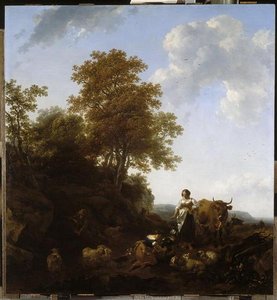
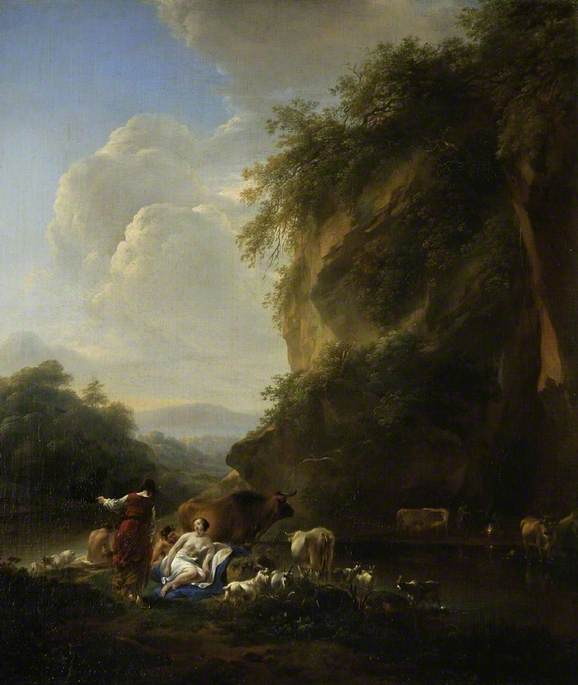
Landscape with Nymphs and Satyrs
 Acrylic On Canvas
- WallArt
- Dutch Golden Age
 1645
1645 59.0 x 51.0 cm
 Fitzwilliam College
 Ver más
Giclée / Impresión de arte
Impresiones giclée o en lienzo de calidad de museo con producción rápida y opciones de acabado flexibles. ( Comprar pintura hecha a mano Comprar imagen)




P118B $10

P118H $10

P118W $10

P438Z $10

P508JH $12

P508YH $12

P805H $10

P805Z $10

P919BZ $10

P919G $10

P919XJ $10

P959ZH $10

P968JZ $12

W106C $8

W218G $10

W218JH $8

W218Y $10

W307PJ $10

W316G $10

W316PJ $8

W316Y $10

W398PJ $8

W4111J $10

W500HY $15

W500JH $15

W692G $12

W849H $8

W940BG $15

W953PJ $8




Elija entre nuestros tamaños predefinidos que respetan las proporciones originales de la obra.

Puede introducir sus propias dimensiones para adaptarse a un marco o espacio específico. Si el tamaño seleccionado no coincide con las proporciones de la imagen original, recortaremos la obra de arte o extenderemos la imagen con un borde con efecto espejo o de color sólido. Se enviará una maqueta digital para su aprobación antes de que comience la producción.
Tenga en cuenta que la vista previa en pantalla no refleja el recorte o la extensión real. Solo la maqueta mostrará con precisión la composición final.
Aunque existen tamaños personalizados, recomendamos seleccionar una dimensión de la lista predefinida para preservar las proporciones originales.
Envío a todo el mundo () en 2 semanas en lugar de las 4/5 semanas estándar. (29 agosto)

Envío exprés gratuito a todo el mundo

Lienzo de lino de alta calidad

Seguro de envío total

Garantía de reembolso de impuestos aduaneros

Garantía de fidelidad cromática exacta

Política de devolución de 60 días (solo por defectos)

Garantía de devolución del 100% del dinero

Descuento por cantidad
 La opción de vidrio solo está disponible en tamaños inferiores a 110 cm.

Landscape with Nymphs and Satyrs
Giclée / Impresión de arte
Dimensiones de la reproducción
-


Precio total final
$ 62
Landscape with Nymphs and Satyrs – A Vision of Pastoral Perfection
Nicolaes Pietersz Berchem’s “Landscape with Nymphs and Satyrs,” painted in 1645, stands as a quintessential emblem of the Dutch Golden Age's fascination with classical ideals intertwined with serene observation of nature. More than just a depiction of scenery, it embodies an ambitious artistic endeavor—a deliberate orchestration of visual elements designed to evoke contemplation and convey a profound sense of harmony. Berchem’s mastery lies in capturing not merely what he saw but what he *felt*, transforming the commonplace landscape into a realm imbued with mythological grandeur.The Painter's Journey: From Haarlem to Inspiration
Born in Haarlem in 1620, Nicolaes Pietersz Berchem embarked on an artistic path shaped by familial influence and fueled by an unwavering devotion to mastering the art of illusionistic painting. His father, Pieter Claesz, a renowned still-life artist himself, instilled within him a meticulous attention to detail and a profound understanding of tonal gradation—skills that would prove invaluable as Berchem honed his craft in Rome during his formative years. This immersion in Italian artistic tradition profoundly impacted his stylistic sensibilities, introducing him to the principles of Caravaggio’s dramatic chiaroscuro and fostering an appreciation for idealized landscapes reminiscent of Arcadia – the legendary paradise of ancient Greece.A Symphony of Color and Light: Technique and Style
Berchem's technique exemplifies the Baroque aesthetic's commitment to realism tempered by expressive artistry. Employing oil paints on canvas, he achieved breathtaking luminosity through careful layering and blending—a process known as glazing—that rendered the foliage and distant hillsides with an ethereal glow. The artist skillfully manipulated light and shadow to create depth and atmosphere, guiding the viewer’s gaze across the expansive vista. Notice particularly the subtle gradations of color within the trees; Berchem painstakingly built up tonal variations to simulate the textures and nuances of natural illumination. This meticulous approach elevates the painting beyond mere representation, transforming it into a conduit for conveying emotion and capturing the sublime beauty of the natural world.Mythological Echoes: Symbolism Within the Landscape
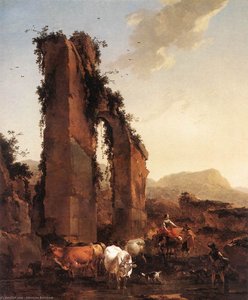
The scene unfolds against a backdrop of rolling hills dotted with ancient oaks—symbols of strength and longevity—and traversed by meandering streams reflecting the azure sky. Scattered amongst these trees are figures representing nymphs and satyrs, mythological creatures embodying fertility and sensual pleasure. Their presence underscores Berchem’s deliberate invocation of classical mythology, referencing themes of pastoral innocence and idealized beauty prevalent in Renaissance art. The inclusion of animals – a cow grazing peacefully at the base of the hillside and a horse majestically positioned in the distance – further reinforces this symbolic resonance, representing abundance and nobility respectively. These elements coalesce to create a narrative tapestry that transcends literal depiction, inviting viewers to contemplate timeless concepts of harmony and transcendence.Emotional Resonance: Tranquility and Contemplation
“Landscape with Nymphs and Satyrs” possesses an enduring emotional impact rooted in its masterful portrayal of tranquility and serenity. Berchem’s deliberate composition—characterized by balanced symmetry and harmonious color palettes—promotes a state of meditative contemplation. The painting's luminous quality imbues the scene with warmth and invitingness, transporting the viewer to a realm untouched by worldly concerns. It speaks to an appreciation for the sublime beauty of nature and its capacity to inspire awe and wonder – sentiments that continue to resonate powerfully with audiences today. This artwork remains a testament to Berchem’s artistic vision and his ability to capture the essence of pastoral perfection.Obras relacionadas

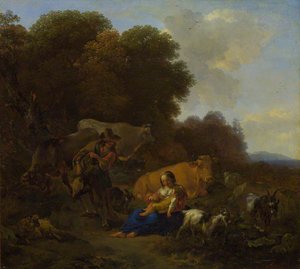
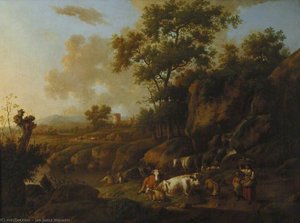
Biografía del artista
Nicolaes Pietersz Berchem: Un Maestro de los Paisajes Pastorales
- Nacido: Haarlem, Países Bajos (1620)
- Fallecido: 1683
Nicolaes Pieterszoon Berchem fue un pintor neerlandés de la Edad de Oro altamente estimado y prolífico, celebrado por sus paisajes pastorales. Estas escenas a menudo estaban pobladas con figuras mitológicas o bíblicas, junto con alegorías y escenas de género. Es reconocido como miembro de la segunda generación de "pintores paisajistas italianizantes holandeses" – artistas que buscaron inspiración en el pintoresco paisaje italiano, trayendo consigo cuadernos llenos de dibujos de ruinas clásicas e imágenes rurales idílicas.
Vida Temprana y Formación
Nacido en Haarlem, Berchem recibió su instrucción artística inicial de su padre, Pieter Claesz. Más tarde perfeccionó sus habilidades bajo la tutela de pintores renombrados que incluyen Jan van Goyen, Pieter de Grebber, Jan Baptist Weenix, Jan Wils y Claes Cornelisz. Moeyaert. Una anécdota divertida cuenta cómo Berchem se ganó su apodo, "Berghem", proveniente de una expresión juguetona utilizada por los compañeros estudiantes en el taller de Van Goyen cada vez que su padre intentaba disciplinarlo – “¡Sálvalo!” Otra historia atribuye el nombre a su reclutamiento como marinero, con el oficial de embarque comentando: "¡Sálvalo!". Sin embargo, ahora se acepta generalmente que el nombre proviene del pueblo natal de su padre, Berchem en Amberes. Viajó a Italia con Jan Baptist Weenix (a quien consideraba su primo) entre 1642 y 1645.
Estilo Artístico y Obras Principales
Las pinturas de Berchem, que suman más de 850 (aunque muchas están mal atribuidas), estaban en gran demanda. Sus paisajes, renderizados en el estilo italiano idealizado con colinas, montañas, acantilados y árboles bañados por una luz dorada al amanecer, siguen siendo muy solicitados hoy en día. También demostró un considerable talento como pintor de "staffage", agregando atractivas figuras humanas y animales a obras de otros artistas como Allaert van Everdingen, Jan Hackaert, Gerrit Dou, Meindert Hobbema y Willem Schellinks.
- Estilo característico: Escenas rurales idealizadas con luz dorada.
- Temática: Paisajes pastorales, figuras mitológicas, narraciones bíblicas, escenas de género.
- Obras notables: Cazadores Descansando, Un Campesino tocando una Zarabanda para una Mujer y un Niño, Paisaje con una Ninfa y un Satir, El Vado, Alto en una Posada.
Influencia y Legado
La influencia de Berchem se extendió más allá de sus contemporáneos. Fue un maestro popular, formando a artistas como Abraham Begeyn, Johannes van der Bent, su hijo Nicolaes, Isaack Croonenbergh, Simon Dubois, Karel du Jardin, Johannes Glauber, Pieter de Hooch, Jacob van Huchtenburg, Justus van Huysum, Dirk Maas, Hendrick Mommers, Jacob Ochtervelt, Willem Romeyn y posiblemente Jan Frans Soolmaker. También fue tío de Govert van der Leeuw y hermano de Pieter Berchem.
- Influencia en artistas posteriores: Jean-Baptiste Pillement (pintor rococó francés) y los pintores paisajistas holandeses del 'Romanticismo Cleves' como Barend Cornelis Koekkoock.
- Contribución a la historia del arte: Una figura clave en el desarrollo de la tradición paisajista "italianizante holandesa", uniendo la realidad nórdica y el romanticismo meridional.
Últimos Años y Muerte
Alrededor de 1650, Berchem viajó a Westfalia con Jacob van Ruisdael, documentado por una obra fechada que representa Burg Bentheim. Es posible que haya revisado Italia antes de trasladarse a Ámsterdam. Estuvo registrado en Ámsterdam entre 1661-1670 y regresó a Haarlem en 1670, aunque residió nuevamente en Ámsterdam en 1677. Berchem murió en Ámsterdam en 1683, dejando atrás una obra significativa que continúa siendo admirada por su belleza y habilidad técnica.
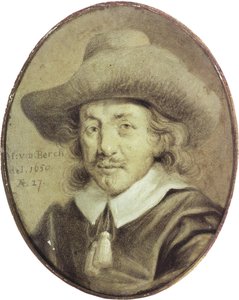
Nicolaes Pietersz Berchem
1620 - 1683 , Países Bajos
Datos clave
- Artistas Influenciados:
- Jean-Baptiste Pillement
- Barend Cornelis Koekkoek
- Artistas Que Influyeron:
- Jan van Goyen
- Pieter de Grebber
- Fecha De Fallecimiento: 18 de febrero de 1683
- Fecha De Nacimiento: 1 de octubre de 1620
- Lugar De Nacimiento: Haarlem, Países Bajos
- Movimiento Artístico: Edad de Oro Holandesa
- Nacionalidad: Neerlandés
- Nombre Completo: Nicolaes Pietersz Berchem
- Obras Notables:
- Cazadores descansando
- Paisaje con una ninfa y sátiro
- Alto en el camino
- El Ford
Artículos relacionados

Los 10 Maestros del Siglo de Oro Holandés: Arte, Historia y Decoración Exclusiva
Descubre los 10 imprescindibles del Siglo de Oro Holandés: Rembrandt, Vermeer y más. Explora la historia, técnica y belleza de estos lienzos clásicos. Encuentra reproducciones de arte exclusivas para decorar tu hogar en .
Golden Light & Dutch Skies: Bringing the Magic of Dutch Golden Age Landscapes into Your Home
Transform your home with the breathtaking light of Dutch Golden Age landscapes. Discover how hand-painted oil reproductions of masterworks like Ruisdael and Vermeer bring timeless elegance, atmosphere, and soulful texture to modern interiors. Elevate your space with museum-quality art.
Charles Leickert: Capturing the Dutch Golden Age Light – A Comprehensive Study of Technique, Context, and Legacy
Explore the captivating winter landscapes of Charles Leickert, a master of Dutch Golden Age light & atmosphere. Discover his techniques, symbolism, and lasting legacy – a comprehensive study for art enthusiasts and collectors.
Nicolaes Berchem: Dutch Golden Age Pastoralism & the Evolution of Landscape Painting
Explore the captivating world of Nicolaes Berchem, a leading Dutch Golden Age painter. Discover his idyllic landscapes, masterful technique & lasting influence on art history. Learn more at ArtsDot.

Reflejos de una Época Dorada: La Pintura Barroca Holandesa y la Innovación Cultural
Descubra la riqueza y el detalle de la pintura barroca holandesa del Siglo de Oro. Explore las obras maestras de Rembrandt, Vermeer y otros artistas clave. Análisis experto e historia cultural.