 Ver en contexto
 Enviar
 Compartir
 Detalles

 Descargar
 Similares
 Radiografía
 Presentación de diapositivas
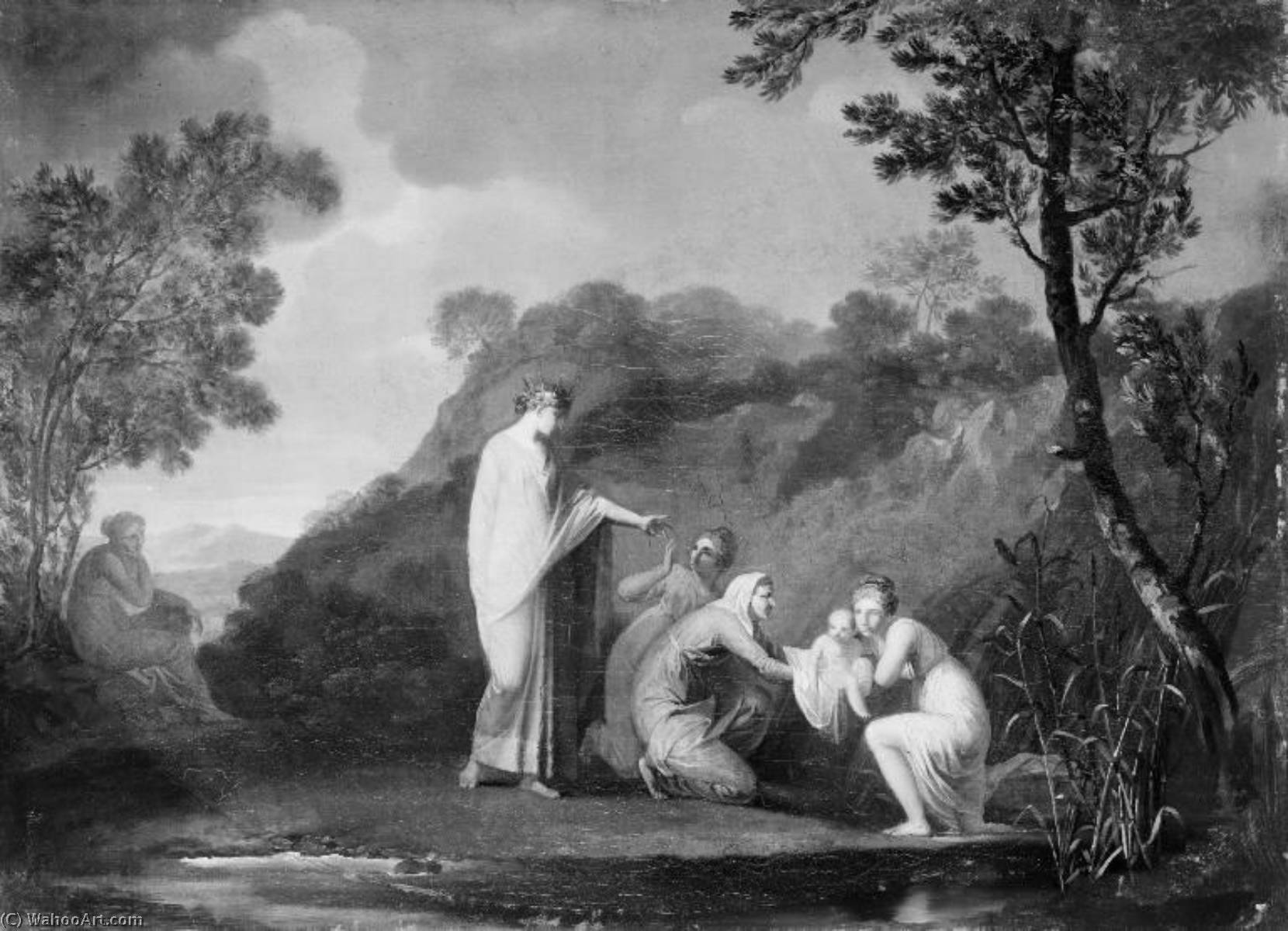
The Finding of the Infant Moses


 Ver más
Reproducción al óleo hecha a mano
Óleo sobre lienzo pintado a mano en el tamaño y marco de su elección, realizado por encargo por nuestros artistas. ( Comprar impresión Comprar imagen)




P118B $10

P118H $10

P118W $10

P438Z $10

P508JH $12

P508YH $12

P805H $10

P805Z $10

P919BZ $10

P919G $10

P919XJ $10

P959ZH $10

P968JZ $12

W106C $8

W218G $10

W218JH $8

W218Y $10

W307PJ $10

W316G $10

W316PJ $8

W316Y $10

W398PJ $8

W4111J $10

W500HY $15

W500JH $15

W692G $12

W849H $8

W940BG $15

W953PJ $8




Elija entre nuestros tamaños predefinidos que respetan las proporciones originales de la obra.

Puede ingresar sus propias dimensiones para adaptarse a un marco o espacio específico. Si el tamaño seleccionado no coincide con las proporciones de la imagen original, recortaremos la obra o extenderemos la pintura con elementos adicionales pintados a mano. Se le enviará una maqueta digital para su aprobación antes de comenzar la producción.
Tenga en cuenta que la vista previa en pantalla no refleja el recorte o la extensión reales. Solo la maqueta mostrará con precisión la composición final.
Si bien existen tamaños personalizados, recomendamos seleccionar una dimensión de la lista predefinida para preservar las proporciones originales.
Tras realizar el pedido, el equipo de ArtsDot.com enviará un correo electrónico al cliente para solicitar instrucciones y proporcionarle una vista previa del boceto.
Envío a todo el mundo () en 3-4 semanas en lugar de las 5 semanas estándar. (25 agosto). Sin comprometer la calidad.

Envío exprés gratuito a todo el mundo

Lienzo de lino de alta calidad

Seguro de envío total

Garantía de reembolso de impuestos aduaneros

Garantía de fidelidad cromática exacta

Política de devolución de 60 días (solo por defectos)

Garantía de devolución del 100% del dinero

Descuento por cantidad
 La opción de vidrio solo está disponible en tamaños inferiores a 110 cm.

The Finding of the Infant Moses
Técnica de reproducción
Dimensiones de la reproducción
-


Precio total final
$ 363
Descripción de la obra
A Moment of Divine Intervention: Nicolai Abildgaard’s “The Finding of the Infant Moses”
Nicolai Abraham Abildgaard's "The Finding of the Infant Moses" isn’t merely a depiction of a biblical narrative; it’s an immersive experience, a carefully constructed tableau brimming with classical restraint and subtle Romantic emotion. Painted in 1789, this monumental work transcends its subject matter to become a profound meditation on vulnerability, protection, and the quiet miracle at the heart of faith. Abildgaard, a pivotal figure bridging the Neoclassical and burgeoning Romantic movements in Denmark, masterfully employs a grayscale palette – a deliberate choice that elevates the scene beyond simple illustration, lending it an almost timeless quality.
The composition itself is meticulously balanced. At its core lies the discovery of Moses within a woven basket, nestled amongst the reeds by the riverbank. A woman, presumed to be his mother or caretaker, kneels in tender devotion, her gaze fixed on the infant. A second figure, likely presenting the child to Pharaoh’s daughter, adds a layer of formality and reverence. To the left, two older men observe from a seated position, their expressions hinting at both curiosity and solemn contemplation. The background is populated by a dense forest, rendered with an almost sculptural quality – trees reaching skyward, their branches intertwining to create a sense of depth and enclosure. This deliberate arrangement draws the viewer into the scene, fostering a feeling of intimacy and shared witness to this pivotal moment.
The Language of Line and Shadow: Technique and Materiality
Abildgaard’s technique is characterized by an extraordinary level of detail achieved through painstaking line work and subtle shading. The image is rendered in graphite, charcoal, or ink – media that allowed him to capture the textures of fabric, skin, and foliage with remarkable precision. Notice how the roughness of the tree bark contrasts sharply with the smoother surfaces of the figures’ clothing. The artist skillfully manipulates light and shadow to create a sense of volume and form, imbuing each element with a tangible presence. The grayscale palette isn't simply an aesthetic choice; it serves to heighten the drama and underscore the scene’s solemnity, forcing the viewer to focus on the nuances of line and texture.
The basket itself is a particularly noteworthy detail – its construction meticulously rendered, showcasing Abildgaard’s attention to architectural precision. The use of bitumen and pitch, as described in the biblical account, adds an element of realism and reinforces the narrative's sense of immediacy. The overall effect is one of controlled elegance, reflecting the artist’s commitment to classical principles while simultaneously hinting at a deeper emotional resonance.
Symbolism and Historical Context: A Bridge Between Worlds
“The Finding of the Infant Moses” resonates with layers of symbolic meaning. The scene speaks directly to themes of rescue, protection, and divine intervention – concepts central to both Jewish and Christian theology. The act of finding a child abandoned in the river can be interpreted as an allegory for vulnerability and the potential for grace. Furthermore, the image’s placement within the broader context of 18th-century Denmark reveals its connection to the burgeoning Romantic movement. Abildgaard's work reflects a shift away from the rigid formality of Neoclassicism towards a greater emphasis on emotion, imagination, and the sublime – qualities that would define much of European art in the following decades.
The choice of a grayscale palette also holds significance within this historical context. While influenced by classical traditions, Abildgaard’s use of monochrome aligns with the emerging Romantic interest in exploring darker, more introspective themes. The absence of vibrant color forces the viewer to engage with the scene on a purely emotional level, focusing on the figures' expressions and gestures.
A Timeless Masterpiece: Emotional Resonance and Artistic Legacy
Ultimately, “The Finding of the Infant Moses” is more than just a historical depiction; it’s a powerful meditation on humanity’s capacity for compassion and faith. The scene evokes a profound sense of tenderness, protection, and the quiet miracle at the heart of the biblical story. Abildgaard's masterful technique, combined with his nuanced understanding of symbolism and historical context, creates an artwork that continues to resonate with viewers centuries after its creation. Whether viewed as a stunning example of Neoclassical artistry or a poignant expression of Romantic emotion, this painting remains a testament to the enduring power of art to capture the complexities of human experience.
Obras relacionadas
Biografía del artista
Primeros Años y Educación
- Nacido: 11 de septiembre de 1743, Copenhague, Dinamarca
- Padres: Søren Abildgaard (cartógrafo antiguo) y Anne Margrethe Bastholm
- Recibió formación temprana con un maestro pintor.
- Se unió a la Nueva Real Academia de Arte de Dinamarca (Det Kongelige Danske Kunstakademi) en Copenhague en 1764.
- Ganó varias medallas en la academia desde 1764 hasta 1767, demostrando una brillantez temprana.
- Recibió una beca de viaje en 1767, que utilizó cinco años después.
- Estudió bajo Johan Edvard Mandelberg y Johannes Wiedewelt en la Academia.
Período Romano y Desarrollo Artístico (1772-1777)
- Viajó a Roma desde 1772 hasta 1777, un período crucial en su desarrollo artístico.
- Estudió escultura, arquitectura, decoración, frescos (en el Palacio Farnesio) y murales.
- Visitó Nápoles en 1776 con Jens Juel.
- Se centró en desarrollar habilidades en la pintura histórica.
- Sacó inspiración de los frescos de Annibale Carracci, Rafael, Tiziano y Miguel Ángel.
- Se alejó del clasicismo estricto, influenciado por artistas como Johan Tobias Sergel y Johann Heinrich Füssli.
- Desarrolló una apreciación por la literatura que incluía a Shakespeare, Homero y Ossian.
Regreso a Dinamarca y Comisiones Reales
- Regresó a Copenhague en diciembre de 1777.
- Fue nombrado profesor en la Academia en 1778.
- Se convirtió en pintor histórico real alrededor de 1780.
- Recibió una comisión significativa del gobierno danés: pintar una historia de Dinamarca para la Sala de los Caballeros (Riddersal) en el Palacio Christiansborg.
- Este proyecto implicó obras monumentales que combinaban representaciones históricas, elementos alegóricos y referencias mitológicas diseñadas para glorificar a la monarquía.
- Trabajó con Johan Edvard Mandelberg en las decoraciones del Palacio de Fredensborg.
Obras Principales y Estilo Artístico
- Pinturas Notables: "Cristián I Eleva Holstein al Ducado en 1474", "La Pesadilla", "Retrato de Nicolai Abraham Abildgaard", "El Fantasma de Culmin Aparece a su Madre", "Escenas de 'El Viaje Subterráneo de Niels Klim'", "La Comadrona se Despide de la Chica de Andros (de Terencio)", "Magnus Stenbock se Rinde a Frederik IV en 1714", "Nudo masculino sentado con la cara parcialmente cubierta por sus brazos levantados", “Audhumla”, y "El Filoctetes Herido".
- Estilo Artístico: El estilo de Abildgaard combinaba elementos neoclásicos con influencias románticas emergentes. Incorporó alegoría pictórica, utilizando símbolos para transmitir ideas a un público culto. Sus obras a menudo presentaban una iluminación dramática, colores ricos y detalles meticulosos.
- Temas: Exploró temas de la mitología griega y nórdica, eventos históricos y narrativas literarias.
Legado e Influencia
- Fue director de la Academia durante 1789–1791 y 1801–1809.
- Enseñó a artistas influyentes como Asmus Jacob Carstens, Bertel Thorvaldsen, J. L. Lund y Christoffer Wilhelm Eckersberg.
- Eckersberg, su alumno, se hizo conocido como el "padre de la pintura danesa" y sentó las bases para la Edad Dorada de la Pintura Danesa.
- Falleció el 14 de noviembre de 1809 en Copenhague.
- Su trabajo influyó significativamente en el desarrollo del Romanticismo nórdico y contribuyó al panorama artístico de Dinamarca.
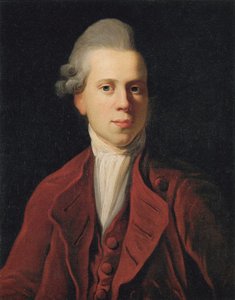
Nicolai Abraham Abildgaard
1743 - 1809 , Dinamarca
Datos clave
- Artistas Influenciados:
- Asmus Jacob Carstens
- Bertel Thorvaldsen
- Christoffer Wilhelm Eckersberg
- Artistas Que Influyeron:
- Annibale Carracci
- Rafael
- Tiziano
- Miguel Ángel
- Fecha De Nacimiento: 11 de septiembre de 1743
- Lugar De Nacimiento: Copenhague, Dinamarca
- Movimiento Artístico: Neoclasicismo, pintura histórica real
- Nacionalidad: Danés
- Nombre Completo: Nicolai Abraham Abildgaard
- Obras Notables:
- Christian I Eleva Holstein
- La pesadilla
- Retrato de N. A. Abildgaard
- El fantasma de Culmin
- Escenas de 'Viaje subterráneo'
- La partera se despide
- Magnus Stenbock se rinde
- Nude masculino sentado
- Audhumla
- El herido Filoctetes
Artículos relacionados
Neoclasicismo: 10 Obras Maestras que Definieron un Estilo Eterno |
Descubre las 10 obras maestras del Neoclasicismo con . Explora la historia de David, Ingres y Canova, su técnica y el legado de este estilo eterno. Reproducciones de arte de museo para tu hogar. ¡Explora la colección online!
Illuminating Faith: Biblical Narrative & Artistic Expression Through the Ages
Explore the rich history of biblical art from Giotto to the Renaissance masters with ArtsDot. Discover symbolism, techniques & enduring legacies. Museum-quality reproductions & expert insights.
Illuminating Faith: Biblical Scenes & Their Enduring Legacy in Art History
Explore the profound history of biblical art! Discover Renaissance masterpieces by Giotto & more. Uncover symbolism, artistic techniques, and lasting influence. Expert insights at ArtsDot.

El Renacimiento de la Antigüedad: Explorando los Ideales y el Legado Duradero del Arte Neoclásico
Descubre el Neoclasicismo: su historia, características clave y legado artístico. Explora la influencia de la antigüedad greco-romana en la pintura, escultura y arquitectura con ArtsDot.
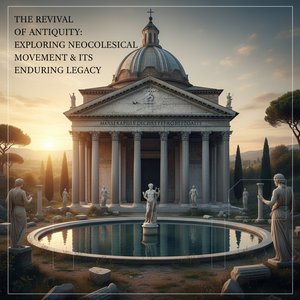
The Revival of Antiquity: Exploring the Neoclassical Movement & its Enduring Legacy
Explore the revival of classical art with our deep dive into Neoclassicism! Discover key artists like Jacques-Louis David, Enlightenment influences & lasting impact on art history. High-quality reproductions at ArtsDot.