

 Ver en contexto
 Enviar
 Compartir
 Detalles

 Descargar
 Similares
 Radiografía
 Presentación de diapositivas
 Stats
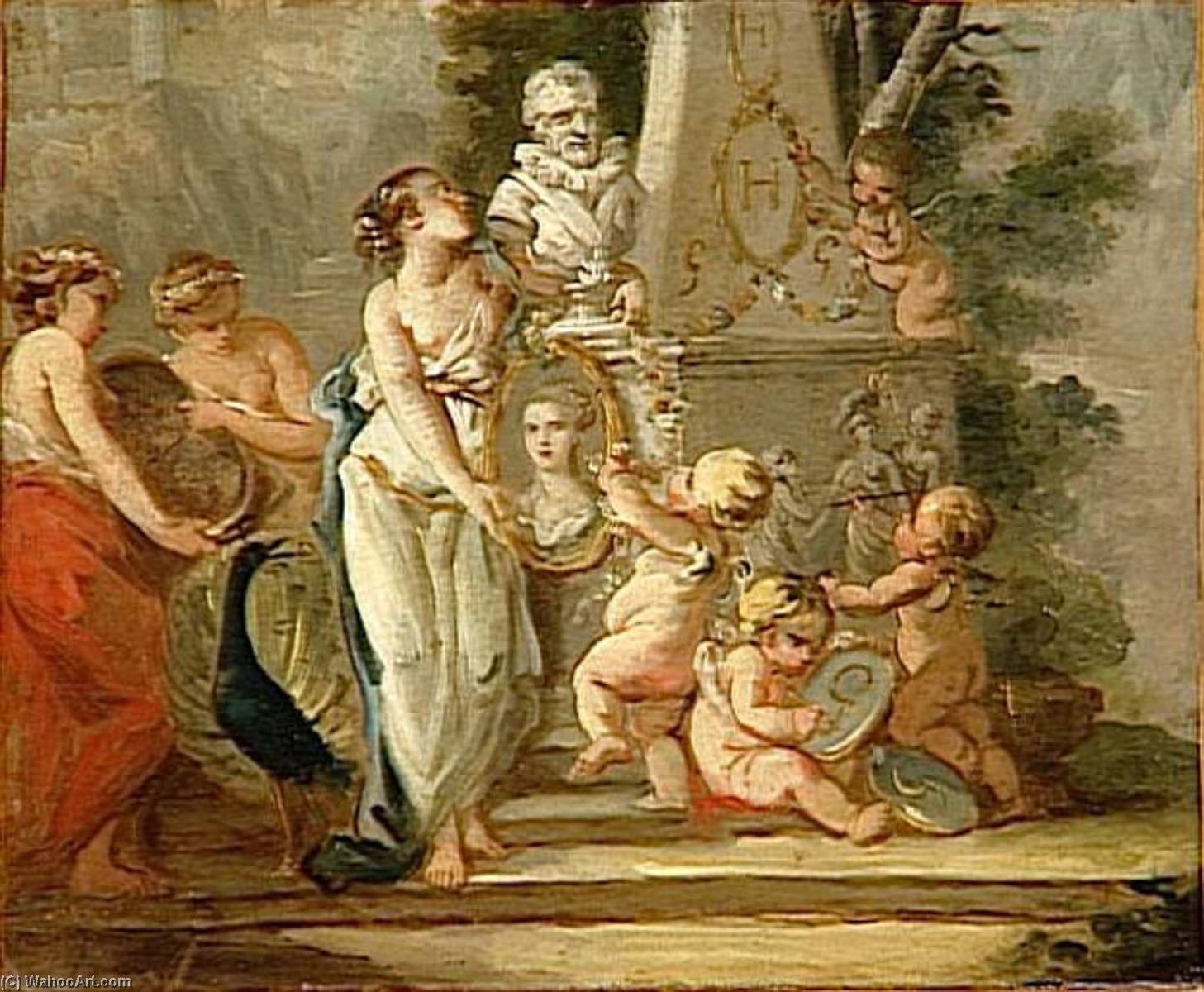
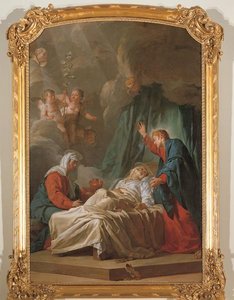
StatsAllégorie autour du buste d'Henri IV et d'un médaillon représentant la Comtesse de Gramont
 Ver más
Reproducción al óleo hecha a mano
Óleo sobre lienzo pintado a mano en el tamaño y marco de su elección, realizado por encargo por nuestros artistas. ( Switch to Print Switch to Digital Image)




































Elija entre nuestros tamaños predefinidos que respetan las proporciones originales de la obra.

Puede ingresar sus propias dimensiones para adaptarse a un marco o espacio específico. Si el tamaño seleccionado no coincide con las proporciones de la imagen original, recortaremos la obra o extenderemos la pintura con elementos adicionales pintados a mano. Se le enviará una maqueta digital para su aprobación antes de comenzar la producción.
Tenga en cuenta que la vista previa en pantalla no refleja el recorte o la extensión reales. Solo la maqueta mostrará con precisión la composición final.
Si bien existen tamaños personalizados, recomendamos seleccionar una dimensión de la lista predefinida para preservar las proporciones originales.
Tras realizar el pedido, el equipo de ArtsDot.com enviará un correo electrónico al cliente para solicitar instrucciones y proporcionarle una vista previa del boceto.
Envío a todo el mundo () en 3-4 semanas en lugar de las 5 semanas estándar. (8 septiembre). Sin comprometer la calidad.

Envío exprés gratuito a todo el mundo

Lienzo de lino de alta calidad

Seguro de envío total

Garantía de reembolso de impuestos aduaneros

Garantía de fidelidad cromática exacta

Política de devolución de 100 días (solo por defectos)

Garantía de devolución del 100% del dinero

Descuento por cantidad
 La opción de vidrio solo está disponible en tamaños inferiores a 110 cm.

Allégorie autour du buste d'Henri IV et d'un médaillon représentant la Comtesse de Gramont
Técnica de reproducción
Dimensiones de la reproducción
-


Precio total final
$ 263
Obras relacionadas



Biografía del artista
Nicolas-Guy Brenet: A Pioneer of Troubadour Classicism
Born in Paris in 1728, Nicolas-Guy Brenet’s life and artistic journey represent a fascinating confluence of influences – the formal training of François Boucher, a rejection of Rococo excess, and a profound engagement with the classical ideals championed by Nicolas Poussin. Brenet wasn't merely a painter; he was an architect of style, a pivotal figure in bridging the gap between the ornate elegance of the late 18th century and the burgeoning Romanticism that would soon sweep across Europe. His career unfolded against the backdrop of significant artistic shifts within France, marked by the rise of Neoclassicism and the enduring appeal of historical subjects.
Early in his career, Brenet’s apprenticeship under Boucher exposed him to the lavish techniques and decorative sensibilities characteristic of the Rococo style. However, a critical turning point arrived as he abandoned his master's manner, consciously choosing to emulate the rigorous compositions, balanced forms, and profound moral seriousness of Poussin – an artist whose influence on subsequent generations of painters was immense. This deliberate shift signaled a commitment to a more restrained, intellectual approach to painting, one rooted in classical principles of order and harmony.
The Montmerle Cycle: A Foundation in Religious Painting
Brenet’s early works, particularly his cycle of religious paintings commissioned for the Montmerle Charterhouse near Dijon, established him as a significant voice within French religious art. These canvases weren't characterized by flamboyant ornamentation or dramatic theatricality; instead, they possessed a quiet dignity and spiritual depth that resonated with the prevailing taste for contemplative piety. The compositions were meticulously structured, drawing heavily on Poussin’s influence – clear diagonals, carefully rendered light and shadow, and a focus on narrative clarity. These paintings demonstrated Brenet's ability to translate complex theological themes into visually compelling and emotionally resonant images.
The Montmerle cycle solidified Brenet’s reputation as a skilled painter capable of capturing the essence of religious narratives with both technical precision and artistic sensitivity. It also laid the groundwork for his later, more ambitious projects, particularly his monumental depiction of the Battle of the Greeks and Trojans over the Body of Patroclus.
The Epic Battle: A Revolutionary Composition
Brenet’s “Battle of the Greeks and Trojans over the Body of Patroclus” (circa 1781) stands as a landmark achievement in French art history. This colossal canvas, measuring an impressive 323 x 422 cm, represents a bold departure from traditional battle scenes – a genre typically dominated by dynamic action and heroic figures. Brenet’s interpretation of the episode from Homer's *Iliad* is profoundly different; it’s less about glorifying military prowess and more about exploring themes of loss, mortality, and the tragic consequences of conflict.
The composition itself is a masterpiece of classical design. The figures are arranged in carefully balanced diagonals, creating a sense of dramatic tension and spatial depth. Brenet masterfully employs light and shadow to heighten the emotional impact of the scene, emphasizing the vulnerability of the fallen warrior and the grim determination of the surviving combatants. Notably, he shifted the focus from the traditional heroic depiction of Achilles to that of Ajax, imbuing the scene with a new sense of pathos and human drama. This shift reflects Brenet’s broader interest in exploring the complexities of human experience beyond mere martial glory.
A Troubadour Vision: Foreshadowing Romanticism
Brenet's choice of medieval subjects – particularly his depictions of scenes from the *Iliad* and other classical narratives – was remarkably prescient. He anticipated a trend that would gain prominence in the 19th century, known as “Troubadour painting.” This style, characterized by its intimate portrayal of historical events, its focus on individual emotions, and its often melancholic tone, foreshadowed the Romantic movement’s emphasis on subjective experience and emotional intensity.
Brenet's work demonstrated a remarkable ability to synthesize classical principles with a distinctly modern sensibility. He wasn't simply replicating the styles of the past; he was reinterpreting them through his own artistic vision, creating images that were both timeless in their beauty and profoundly relevant to his contemporary audience. His legacy lies not only in his technical skill but also in his pioneering role as a bridge between tradition and innovation.
Legacy and Influence
Nicolas-Guy Brenet died in Paris in 1792, leaving behind a substantial body of work that continues to be admired for its classical elegance, emotional depth, and historical significance. His son, Nicolas-Guy-Antoine Brenet, followed in his father’s footsteps as a medallist, further extending the family's artistic legacy. Brenet’s influence can be seen in the works of subsequent generations of French painters, particularly those who embraced the Troubadour style. He remains a vital figure in the history of art, a testament to the enduring power of classical ideals and the transformative potential of individual vision.
nicolas guy brenet
1728 - 1792
Datos clave
- Artistic Movement Or Style: Academic Classicism, Poussin inspired
- Artists Or Movements Influenced By This Artist: ['Troubadour style']
- Artists Who Influenced This Artist:
- François Boucher
- Nicolas Poussin
- Date Of Birth: 1728-07-01
- Date Of Death: 1792-02-21
- Full Name: Nicolas-Guy Brenet
- Nationality: French
- Notable Artworks:
- The Greeks and Trojans...
- La mort de Du Guesclin
- Place Of Birth: Paris, France