 Ver en contexto
 Enviar
 Compartir
 Detalles

 Descargar
 Similares
 Radiografía
 Presentación de diapositivas
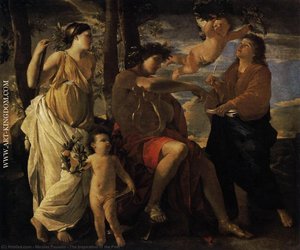
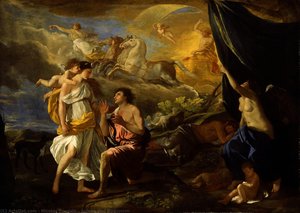
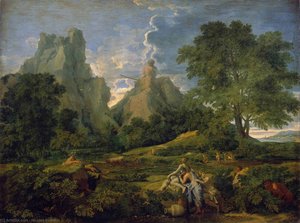
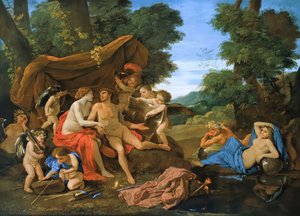
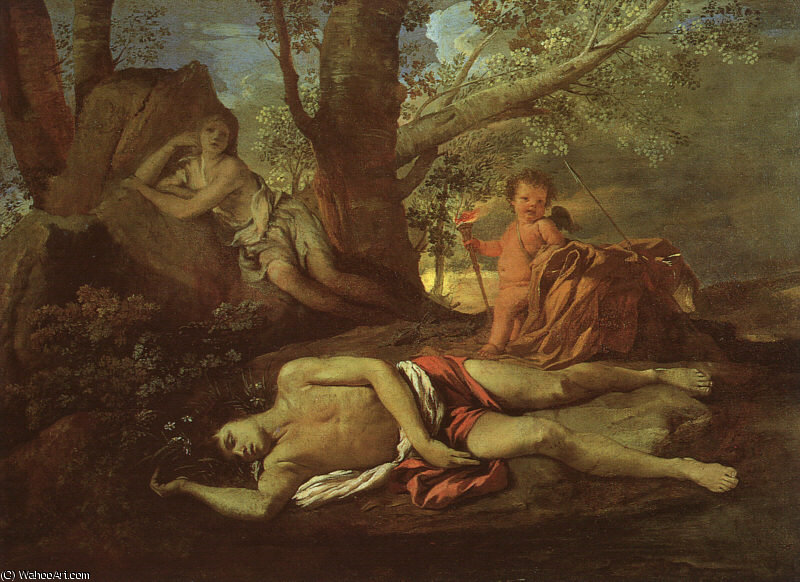
Echo and Narcissus, oil on canvas, Musée du Louvre,


 Ver más
Giclée / Impresión de arte
Impresiones giclée o en lienzo de calidad de museo con producción rápida y opciones de acabado flexibles. ( Comprar pintura hecha a mano Comprar imagen)




P118B $10

P118H $10

P118W $10

P438Z $10

P508JH $12

P508YH $12

P805H $10

P805Z $10

P919BZ $10

P919G $10

P919XJ $10

P959ZH $10

P968JZ $12

W106C $8

W218G $10

W218JH $8

W218Y $10

W307PJ $10

W316G $10

W316PJ $8

W316Y $10

W398PJ $8

W4111J $10

W500HY $15

W500JH $15

W692G $12

W849H $8

W940BG $15

W953PJ $8




Elija entre nuestros tamaños predefinidos que respetan las proporciones originales de la obra.

Puede introducir sus propias dimensiones para adaptarse a un marco o espacio específico. Si el tamaño seleccionado no coincide con las proporciones de la imagen original, recortaremos la obra de arte o extenderemos la imagen con un borde con efecto espejo o de color sólido. Se enviará una maqueta digital para su aprobación antes de que comience la producción.
Tenga en cuenta que la vista previa en pantalla no refleja el recorte o la extensión real. Solo la maqueta mostrará con precisión la composición final.
Aunque existen tamaños personalizados, recomendamos seleccionar una dimensión de la lista predefinida para preservar las proporciones originales.
Envío a todo el mundo () en 2 semanas en lugar de las 4/5 semanas estándar. (22 agosto)

Envío exprés gratuito a todo el mundo

Lienzo de lino de alta calidad

Seguro de envío total

Garantía de reembolso de impuestos aduaneros

Garantía de fidelidad cromática exacta

Política de devolución de 60 días (solo por defectos)

Garantía de devolución del 100% del dinero

Descuento por cantidad
 La opción de vidrio solo está disponible en tamaños inferiores a 110 cm.

Echo and Narcissus, oil on canvas, Musée du Louvre,
Giclée / Impresión de arte
Dimensiones de la reproducción
-


Precio total final
$ 62
Descripción de la pieza
A Symphony of Silence and Reflection
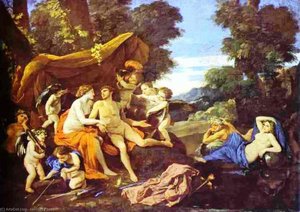
Within the hallowed halls of the Musée du Louvre hangs a masterpiece that transcends mere mythological illustration to become a profound meditation on the human condition. Nicolas Poussin’s Echo and Narcissus, completed around 1640, is far more than a visual retelling of Ovid’s Metamorphoses; it is an evocative exploration of vanity, longing, and the tragic boundaries between self and other. In this oil on canvas, Poussin captures the precise moment where obsession meets isolation, inviting the viewer into a world that feels simultaneously eternal and heartbreakingly fragile. The painting serves as a window into the classical soul, where every brushstroke contributes to an atmosphere of profound serenity and intellectual depth.
The narrative unfolds with a masterful orchestration of figures within a lush, primordial landscape. We encounter Narcissus, the beautiful youth whose gaze is irrevocably captured by his own image in a pool of water, and Echo, the nymph doomed to repeat only the words of others, now languishing on the earth in a state of unrequited devotion. Above them, a celestial presence—perhaps Cupid or an angel—hovers, adding a layer of divine oversight to this earthly tragedy. Poussin utilizes a sophisticated triangular composition to guide the eye, anchoring the ethereal movements of the characters with the rugged permanence of rocks and the dense, luminous foliage of the forest. This structural balance ensures that while the subject matter is emotionally turbulent, the visual experience remains one of balanced, classical grace.
The Mastery of Baroque Precision
Technically, Echo and Narcissus represents a pinnacle of Poussin’s ability to blend the dramatic potential of the Baroque era with the disciplined ideals of Classicism. The artist employs sfumato—a delicate, smoky blurring of edges—to create a sense of atmospheric depth, making the forest feel as though it is breathing around the central figures. This technique, reminiscent of the great Venetian masters, allows for a soft, diffused light that bathes Narcissus’s skin in a luminous glow, contrasting beautifully with the darker, more textured elements of the woodland setting. His meticulous attention to detail, from the subtle ripples on the water's surface to the intricate textures of the surrounding flora, demonstrates a level of precision that commands respect and admiration.
For the discerning collector or interior designer, this work offers an unparalleled opportunity to introduce a sense of intellectual rigor and timeless elegance into a space. The painting does not rely on loud, theatrical gestures; instead, it draws its power from restraint and contemplation. It is a piece that rewards prolonged observation, revealing new layers of meaning with every glance. Whether placed in a grand library or a sophisticated contemporary gallery, a high-quality reproduction of this Poussin masterpiece acts as a focal point of quiet strength, bringing the storied history of French Baroque art and the enduring beauty of classical mythology into the modern home.
Obras relacionadas
Biografía del artista
vida temprana y formación
nicolás poussin, nacido en junio de 1594, fue la quintaesencia de la pintura barroca francesa clásica. A pesar de pasar la mayor parte de su carrera en Roma, permaneció profundamente arraigado en las tradiciones artísticas francesas. Sus primeros días como pintor estuvieron envueltos en incertidumbre, pero ya en 1612 había iniciado estudios formales en París, absorbiendo influencias de artistas menos conocidos antes de ser atraído a Roma en 1624.estilo artístico e influencias
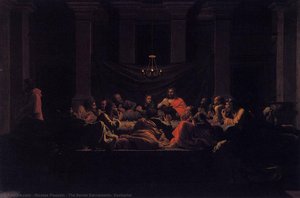
El estilo estético de Poussin, celebrado por su composición coherente y priorización de la linealidad, sentó un precedente que influyó en maestros como jacques-luís david y paul cézanne bien hasta el siglo XX. Su estilo distintivo se cristalizó a través de obras maestras como la muerte de germanicus y su seminal serie de los siete sacramentos.obras notables y museos
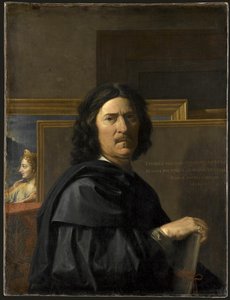
- nicolás poussin: autorretrato 1 (barroco, óleo), un testimonio de su maestría en el medio.
- bacanal frente a un templo (74 x 101 cm, Legión de Honor, San Francisco, Estados Unidos, óleo sobre lienzo), que muestra su capacidad para equilibrar la composición y la narrativa.
- el musée des beaux-arts de carcassonne, un destino imprescindible para los amantes del arte, que alberga una impresionante colección de pinturas occidentales desde el siglo XVII hasta el XX.
legado e impacto
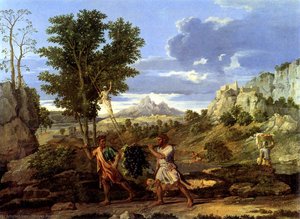
La lealtad de Poussin permaneció en Roma, donde finalmente se centró en incorporar paisajes expansivos a su arte. Su madurez como artista está encapsulada en obras como Orión ciego buscando el sol y las estaciones, que anunciaron una era de composición rigurosa impregnada de la belleza serena del mundo natural.explore más con ArtsDot.com
descubra las obras maestras del musée france e inicie su viaje al mundo de la pintura barroca francesa con musée picasso, musée des beaux-arts de carcassonne y otros museos notables. Visite la página de nicolás poussin en ArtsDot.com para explorar más de sus obras y aprender sobre el contexto en el que fueron creadas.referencias
Nicolás Poussin
1594 - 1665 , Francia
Datos clave
- Artistas Influenciados:
- Jacques-Louis David
- Paul Cézanne
- Artistas Que Influyeron:
- Rafael
- Tiziano
- Fecha De Muerte: 1665
- Fecha De Nacimiento: Junio de 1594
- Lugar De Nacimiento: Le Havre, Francia
- Movimiento Artístico: Barroco clásico
- Nacionalidad: Francés
- Nombre Completo: Nicolás Poussin
- Obras Notables:
- La Muerte de Germanicus
- Los Siete Sacramentos
- Una Carretera Romana
- Orion Ciego Buscando el Sol
- Las Estaciones
Artículos relacionados
Nicolas Poussin: Classicism, Allegory & Order in 17th-Century French Painting
Explore the life & work of Nicolas Poussin, a master of French Classicism. Discover his allegorical paintings, Roman influences, and enduring impact on art history. Expert analysis & insights.
Baroque Classicism: Reconciling Drama & Order in 17th-Century Art
Explore the captivating world of Baroque Classicism! Discover its history, key artists like Caravaggio & Rubens, and defining characteristics. Expert insights & high-quality reproductions at ArtsDot.
Echoes of Olympus: Mythological Narratives in Western Art Through the Ages
Explore the captivating history of mythological narratives in Western art! From ancient Greece to modern masterpieces, discover iconic artworks & symbolism. Expert analysis and high-quality reproductions at ArtsDot.
El Legado Perenne del Clasicismo: Principios Fundamentales, Evolución e Influencia en el Arte Occidental
Descubre la historia del arte clásico occidental: desde sus orígenes en Grecia y Roma hasta su influencia en el Renacimiento y las corrientes contemporáneas. Análisis experto, artistas clave y obras maestras imperdibles.

Barroco Sublime: 10 Obras Maestras que Definieron una Época |
Descubre las 10 obras maestras del Barroco que marcaron una época. Caravaggio, Bernini y Velázquez cobran vida en . Reproducciones de arte de calidad museo para decorar tu hogar con elegancia. ¡Explora la colección online!