 Ver en contexto
 Enviar
 Compartir
 Detalles

 Descargar
 Similares
 Radiografía
 Presentación de diapositivas
 Estadísticas
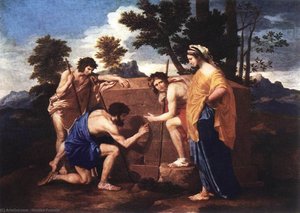
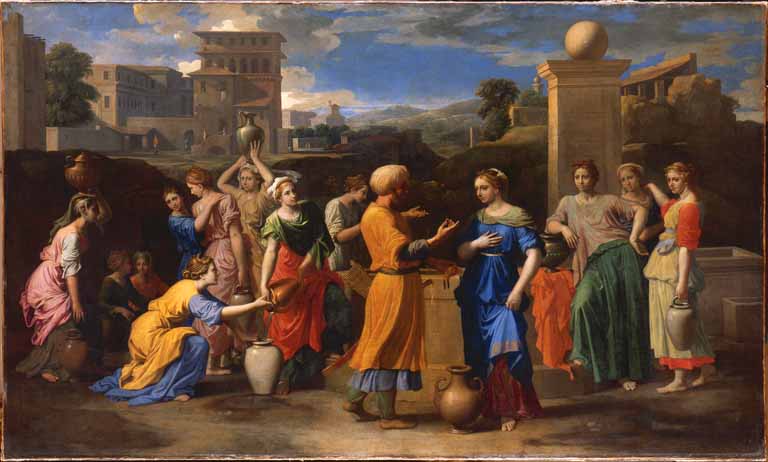
Eliezer and Rebecca

 Ver más
Giclée / Impresión de arte
Impresiones giclée o en lienzo de calidad de museo con producción rápida y opciones de acabado flexibles. ( Comprar pintura hecha a mano Cambiar a imagen digital)




P118B $10

P118H $10

P118W $10

P438Z $10

P508JH $12

P508YH $12

P805H $10

P805Z $10

P919BZ $10

P919G $10

P919XJ $10

P959ZH $10

P968JZ $12

W106C $8

W218G $10

W218JH $8

W218Y $10

W307PJ $10

W316G $10

W316PJ $8

W316Y $10

W398PJ $8

W4111J $10

W500HY $15

W500JH $15

W692G $12

W849H $8

W940BG $15

W953PJ $8




Elija entre nuestros tamaños predefinidos que respetan las proporciones originales de la obra.

Puede introducir sus propias dimensiones para adaptarse a un marco o espacio específico. Si el tamaño seleccionado no coincide con las proporciones de la imagen original, recortaremos la obra de arte o extenderemos la imagen con un borde con efecto espejo o de color sólido. Se enviará una maqueta digital para su aprobación antes de que comience la producción.
Tenga en cuenta que la vista previa en pantalla no refleja el recorte o la extensión real. Solo la maqueta mostrará con precisión la composición final.
Aunque existen tamaños personalizados, recomendamos seleccionar una dimensión de la lista predefinida para preservar las proporciones originales.
Envío a todo el mundo () en 2 semanas en lugar de las 4/5 semanas estándar. (9 septiembre)

Envío exprés gratuito a todo el mundo

Lienzo de lino de alta calidad

Seguro de envío total

Garantía de reembolso de impuestos aduaneros

Garantía de fidelidad cromática exacta

Política de devolución de 100 días (solo por defectos)

Garantía de devolución del 100% del dinero

Descuento por cantidad
 La opción de vidrio solo está disponible en tamaños inferiores a 110 cm.

Eliezer and Rebecca
Giclée / Impresión de arte
Dimensiones de la reproducción
-


Precio total final
$ 62
A Moment of Shared Humanity: Exploring Poussin’s “Eliezer and Rebecca”
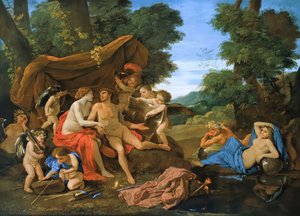
Nicolas Poussin's "Eliezer and Rebecca" is more than just a depiction of a biblical scene; it’s a profound meditation on human connection, faith, and the quiet dignity of everyday life. Painted in the heart of the French Baroque period – roughly between 1625 and 1665 – this work exemplifies Poussin's mastery of classical composition and his ability to infuse religious narratives with an intensely humanist sensibility. The painting’s power resides not just in its subject matter, but in the meticulous detail with which Poussin renders a seemingly simple moment: a group of individuals gathered around a well in a desolate desert landscape.
- Subject Matter: The scene is drawn from the Old Testament story of Eliezer and Rebecca, recounted in Genesis 24. Eliezer, a servant, journeys to find a wife for his master Abraham, and this painting captures the pivotal moment when he encounters Rebecca at a well.
- Compositional Mastery: Poussin’s genius lies in his ability to create depth and perspective through careful arrangement. The figures are arranged along a diagonal axis, drawing the viewer's eye into the heart of the scene – the well itself. This technique, rooted in classical principles, creates a sense of spatial realism that was revolutionary for its time.
Baroque Style and Poussin’s Technique
As a key figure in the French Baroque movement, Poussin employed techniques characteristic of the era – dramatic lighting, rich colors, and dynamic compositions – yet tempered them with a distinctly classical restraint. His brushwork is remarkably smooth and controlled, creating surfaces that appear almost polished. He utilized *sfumato*, a technique borrowed from Leonardo da Vinci, to soften edges and create subtle gradations of light and shadow, adding to the painting’s atmospheric depth. The use of muted earth tones – ochres, browns, and grays – reflects the arid landscape and contributes to the overall sense of solemnity and contemplation.
- Color Palette: Poussin favored a restrained palette, prioritizing tonal harmony over vibrant hues. This deliberate choice enhances the painting’s contemplative mood.
- Light and Shadow: The strategic use of light – emanating from an unseen source – dramatically illuminates key figures, drawing attention to their expressions and gestures.
Symbolism and Emotional Resonance
Beyond the literal narrative, “Eliezer and Rebecca” is rich in symbolic meaning. The well itself represents a source of life and sustenance, both physical and spiritual. The gathering of individuals around it symbolizes community, hope, and the potential for new beginnings. The varied postures and expressions of the figures – some engaged in conversation, others lost in thought – suggest a range of human emotions: curiosity, anticipation, faith, and perhaps even doubt. Poussin’s ability to capture these subtle nuances elevates the scene beyond a simple biblical illustration; it becomes a timeless portrayal of the human condition.
- The Well as a Motif: The well is not merely a location but a powerful symbol of fertility, renewal, and divine provision.
- Human Interaction: Poussin’s focus on the interactions between the figures underscores the importance of human connection in faith and life.
A Legacy of Classical Influence
“Eliezer and Rebecca” stands as a testament to Nicolas Poussin's profound understanding of classical art and his ability to synthesize it with his own unique vision. His work profoundly influenced generations of artists, shaping the course of French painting and establishing him as one of the most important figures in the history of Western art. A hand-painted reproduction offers an unparalleled opportunity to experience the beauty and intellectual depth of this iconic masterpiece within your own space.
Obras relacionadas
Biografía del artista
vida temprana y formación
nicolás poussin, nacido en junio de 1594, fue la quintaesencia de la pintura barroca francesa clásica. A pesar de pasar la mayor parte de su carrera en Roma, permaneció profundamente arraigado en las tradiciones artísticas francesas. Sus primeros días como pintor estuvieron envueltos en incertidumbre, pero ya en 1612 había iniciado estudios formales en París, absorbiendo influencias de artistas menos conocidos antes de ser atraído a Roma en 1624.estilo artístico e influencias
El estilo estético de Poussin, celebrado por su composición coherente y priorización de la linealidad, sentó un precedente que influyó en maestros como jacques-luís david y paul cézanne bien hasta el siglo XX. Su estilo distintivo se cristalizó a través de obras maestras como la muerte de germanicus y su seminal serie de los siete sacramentos.obras notables y museos
- nicolás poussin: autorretrato 1 (barroco, óleo), un testimonio de su maestría en el medio.
- bacanal frente a un templo (74 x 101 cm, Legión de Honor, San Francisco, Estados Unidos, óleo sobre lienzo), que muestra su capacidad para equilibrar la composición y la narrativa.
- el musée des beaux-arts de carcassonne, un destino imprescindible para los amantes del arte, que alberga una impresionante colección de pinturas occidentales desde el siglo XVII hasta el XX.
legado e impacto
La lealtad de Poussin permaneció en Roma, donde finalmente se centró en incorporar paisajes expansivos a su arte. Su madurez como artista está encapsulada en obras como Orión ciego buscando el sol y las estaciones, que anunciaron una era de composición rigurosa impregnada de la belleza serena del mundo natural.explore más con ArtsDot.com
descubra las obras maestras del musée france e inicie su viaje al mundo de la pintura barroca francesa con musée picasso, musée des beaux-arts de carcassonne y otros museos notables. Visite la página de nicolás poussin en ArtsDot.com para explorar más de sus obras y aprender sobre el contexto en el que fueron creadas.referencias
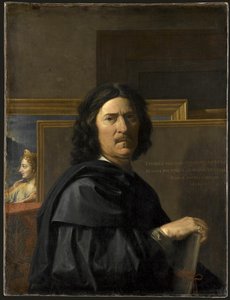
Nicolás Poussin
1594 - 1665 , Francia
Datos clave
- Artistas Influenciados:
- Jacques-Louis David
- Paul Cézanne
- Artistas Que Influyeron:
- Rafael
- Tiziano
- Fecha De Muerte: 1665
- Fecha De Nacimiento: Junio de 1594
- Lugar De Nacimiento: Le Havre, Francia
- Movimiento Artístico: Barroco clásico
- Nacionalidad: Francés
- Nombre Completo: Nicolás Poussin
- Obras Notables:
- La Muerte de Germanicus
- Los Siete Sacramentos
- Una Carretera Romana
- Orion Ciego Buscando el Sol
- Las Estaciones
Artículos relacionados

The Dramatic Flourish: Exploring the Baroque Movement's Enduring Legacy in Art History
Explore the dramatic world of Baroque art! Discover iconic artists like Caravaggio & Rubens, defining techniques, and its lasting impact on art history. Expert insights for collectors & enthusiasts at ArtsDot.
Charles Le Brun: Master of French Baroque Classicism & His Enduring Legacy
Explore the life & art of Charles Le Brun, master of French Baroque Classicism. Discover his royal commissions, influence on Versailles, and enduring legacy through detailed analysis & stunning artworks.
Simon Vouet: A Baroque Master's Journey from Italian Influence to French Classicism
Explore the life & art of Simon Vouet, a pivotal French Baroque painter who introduced Italian styles to France. Discover his masterpieces and lasting influence on 17th-century art.
Nicolas Poussin: Classicism, Allegory & Order in 17th-Century French Painting
Explore the life & work of Nicolas Poussin, a master of French Classicism. Discover his allegorical paintings, Roman influences, and enduring impact on art history. Expert analysis & insights.

Drama Barroca: Llevando la Grandeza y la Emoción a los Interiores Contemporáneos
Descubre cómo el drama y la grandeza del arte barroco pueden transformar tus interiores. Guía experta, inspiración y reproducciones de alta calidad en .