 Vista previa
 Compartir
 Compartir
 Ver detalles

 Descargar
 Ver similares
 Radiografía
 Presentación de diapositivas
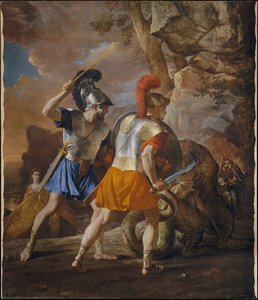
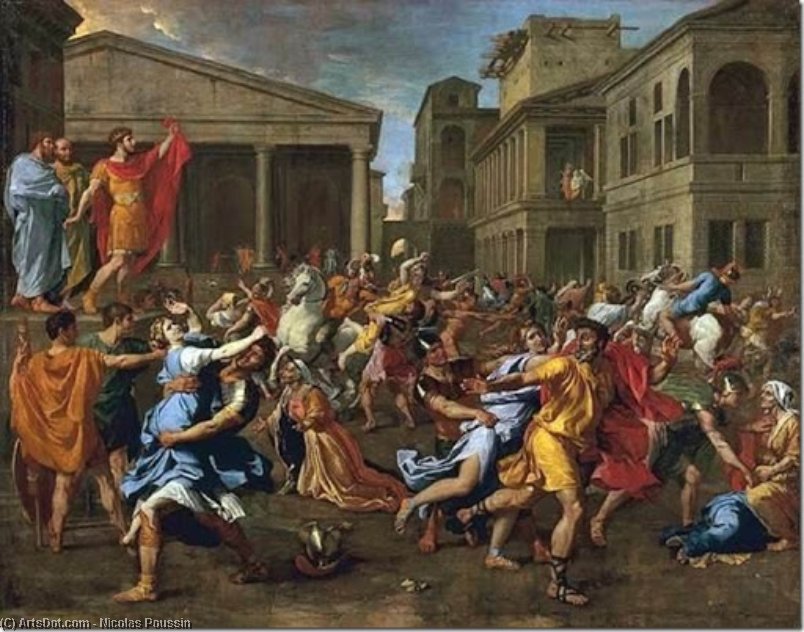
L'Enlèvement des Sabines


 Leer más
Reproducción al óleo hecha a mano
Óleo sobre lienzo pintado a mano en el tamaño y marco de su elección, realizado por encargo por nuestros artistas. ( Pedir impresión Comprar descarga)




P118B $10

P118H $10

P118W $10

P438Z $10

P508JH $12

P508YH $12

P805H $10

P805Z $10

P919BZ $10

P919G $10

P919XJ $10

P959ZH $10

P968JZ $12

W106C $8

W218G $10

W218JH $8

W218Y $10

W307PJ $10

W316G $10

W316PJ $8

W316Y $10

W398PJ $8

W4111J $10

W500HY $15

W500JH $15

W692G $12

W849H $8

W940BG $15

W953PJ $8




Elija entre nuestros tamaños predefinidos que respetan las proporciones originales de la obra.

Puede ingresar sus propias dimensiones para adaptarse a un marco o espacio específico. Si el tamaño seleccionado no coincide con las proporciones de la imagen original, recortaremos la obra o extenderemos la pintura con elementos adicionales pintados a mano. Se le enviará una maqueta digital para su aprobación antes de comenzar la producción.
Tenga en cuenta que la vista previa en pantalla no refleja el recorte o la extensión reales. Solo la maqueta mostrará con precisión la composición final.
Si bien existen tamaños personalizados, recomendamos seleccionar una dimensión de la lista predefinida para preservar las proporciones originales.
Tras realizar el pedido, el equipo de ArtsDot.com enviará un correo electrónico al cliente para solicitar instrucciones y proporcionarle una vista previa del boceto.
Envío a todo el mundo () en 3-4 semanas en lugar de las 5 semanas estándar. (20 agosto). Sin comprometer la calidad.

Envío exprés gratuito a todo el mundo

Lienzo de lino de alta calidad

Seguro de envío completo

Garantía de reembolso de aranceles aduaneros

Garantía de fidelidad cromática exacta

Política de devolución de 60 días (solo por defectos)

Garantía de devolución del 100% del dinero

Oferta por volumen
 La opción de vidrio solo está disponible en tamaños inferiores a 110 cm.

L'Enlèvement des Sabines
Técnica de reproducción
Tamaño de la reproducción
-


Precio total
$ 263
Descripción de la obra
A Dramatic Echo of Roman Legend: Poussin's *L’Enlèvement des Sabines*
Nicolas Poussin’s 1638 rendition of “L’Enlèvement des Sabines” isn’t merely a depiction of a classical myth; it’s a meticulously constructed meditation on power, abduction, and the tragic consequences of ambition. This painting, steeped in the traditions of Italian Renaissance art – particularly the influence of Raphael and Giulio Romano – captures the pivotal moment from Virgil's *Eneid*, where Romulus and Remus, seeking wives for their newly founded city of Rome, seize Sabine women. Poussin’s masterful handling of light, composition, and detail elevates this narrative scene into a timeless exploration of human drama.
- Subject Matter: The painting portrays the forceful abduction of Sabine women by Roman soldiers, a cornerstone event in Roman mythology symbolizing the city's violent origins.
- Composition: Poussin employs a pyramidal composition, a hallmark of classical art, directing the viewer’s eye from the central figures – the terrified Sabine women – towards the imposing Roman men and their horses. The use of diagonal lines adds to the dynamism and sense of impending chaos.
Technique and Style: Baroque Clarity
Poussin's style exemplifies the clarity and restraint characteristic of the French Baroque, yet it’s profoundly rooted in the Italian Renaissance tradition. He meticulously renders textures – the rough wool of the togas, the smooth sheen of the horses’ coats, the frightened expressions on the women’s faces – with a level of realism rarely seen at the time. His brushwork is remarkably controlled, creating a sense of polished elegance and intellectual precision. The use of *chiaroscuro*, the dramatic contrast between light and shadow, intensifies the emotional impact of the scene, highlighting key figures and emphasizing the vulnerability of the women.
The painting’s color palette is dominated by muted tones – ochres, browns, and grays – reflecting the somber mood of the event. However, strategic highlights, particularly on the armor and clothing of the Roman soldiers, draw attention to their power and authority. The subtle gradations of color contribute to the overall sense of depth and realism.
Symbolism and Historical Context
“L’Enlèvement des Sabines” resonates with profound symbolic meaning within its historical context. Rome's founding was predicated on violence and conquest, and this painting visually represents that brutal reality. The Sabine women, initially symbols of peace and hospitality, are transformed into objects of Roman desire and aggression. The horses, often associated with military might, underscore the Romans’ intention to use force to achieve their goals. Poussin's work was created during a period of intense political and religious upheaval in France, reflecting broader anxieties about power, morality, and the relationship between the Church and the State.
- Classical Influence: The painting is deeply indebted to classical Roman art, particularly the works of Raphael and Giulio Romano.
- Religious Undertones: The scene can be interpreted as an allegory for the struggle between good and evil, order and chaos.
Emotional Impact and Artistic Legacy
“L’Enlèvement des Sabines” transcends a simple narrative depiction; it evokes a powerful emotional response in the viewer. The vulnerability of the women, their desperate pleas, and the forceful actions of the Roman soldiers create a palpable sense of tension and tragedy. Poussin's ability to convey such complex emotions through his masterful technique cemented his place as one of the most influential artists of the 17th century. His work continues to inspire awe and admiration for its beauty, intellectual depth, and enduring relevance.
Obras relacionadas
Biografía del artista
vida temprana y formación
nicolás poussin, nacido en junio de 1594, fue la quintaesencia de la pintura barroca francesa clásica. A pesar de pasar la mayor parte de su carrera en Roma, permaneció profundamente arraigado en las tradiciones artísticas francesas. Sus primeros días como pintor estuvieron envueltos en incertidumbre, pero ya en 1612 había iniciado estudios formales en París, absorbiendo influencias de artistas menos conocidos antes de ser atraído a Roma en 1624.estilo artístico e influencias
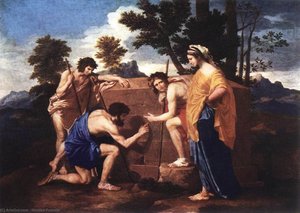
El estilo estético de Poussin, celebrado por su composición coherente y priorización de la linealidad, sentó un precedente que influyó en maestros como jacques-luís david y paul cézanne bien hasta el siglo XX. Su estilo distintivo se cristalizó a través de obras maestras como la muerte de germanicus y su seminal serie de los siete sacramentos.obras notables y museos
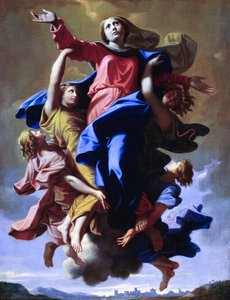
- nicolás poussin: autorretrato 1 (barroco, óleo), un testimonio de su maestría en el medio.
- bacanal frente a un templo (74 x 101 cm, Legión de Honor, San Francisco, Estados Unidos, óleo sobre lienzo), que muestra su capacidad para equilibrar la composición y la narrativa.
- el musée des beaux-arts de carcassonne, un destino imprescindible para los amantes del arte, que alberga una impresionante colección de pinturas occidentales desde el siglo XVII hasta el XX.
legado e impacto
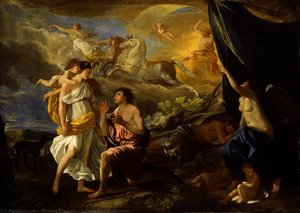
La lealtad de Poussin permaneció en Roma, donde finalmente se centró en incorporar paisajes expansivos a su arte. Su madurez como artista está encapsulada en obras como Orión ciego buscando el sol y las estaciones, que anunciaron una era de composición rigurosa impregnada de la belleza serena del mundo natural.explore más con ArtsDot.com
descubra las obras maestras del musée france e inicie su viaje al mundo de la pintura barroca francesa con musée picasso, musée des beaux-arts de carcassonne y otros museos notables. Visite la página de nicolás poussin en ArtsDot.com para explorar más de sus obras y aprender sobre el contexto en el que fueron creadas.referencias
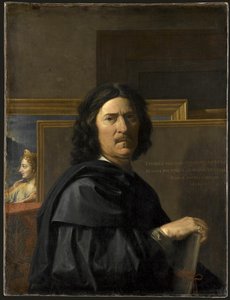
Nicolás Poussin
1594 - 1665 , Francia
Datos clave
- Artistas Influenciados:
- Jacques-Louis David
- Paul Cézanne
- Artistas Que Influyeron:
- Rafael
- Tiziano
- Fecha De Muerte: 1665
- Fecha De Nacimiento: Junio de 1594
- Lugar De Nacimiento: Le Havre, Francia
- Movimiento Artístico: Barroco clásico
- Nacionalidad: Francés
- Nombre Completo: Nicolás Poussin
- Obras Notables:
- La Muerte de Germanicus
- Los Siete Sacramentos
- Una Carretera Romana
- Orion Ciego Buscando el Sol
- Las Estaciones
Artículos relacionados

Los 10 Paisajes Más Icónicos de la Historia del Arte | ArtsDot
Descubre los 10 paisajes más emblemáticos de la historia del arte, desde Monet a Van Gogh. Explora su significado, técnica y belleza atemporal. Encuentra reproducciones de alta calidad e inspira tu hogar con ArtsDot.com.

John Constable: Las 25 Obras Maestras del Paisaje Inglés | ArtsDot
Descubre las 25 obras maestras de John Constable, el pintor romántico inglés que capturó la belleza del paisaje. Explora su técnica, historia y significado en ArtsDot.com. Reproducciones de arte de alta calidad para tu hogar.
Serene Visions: Exploring Themes of Tranquility in Art History & Contemporary Practice
Explore the history of serene landscape art & discover artists who evoke tranquility. Find the perfect calming artwork for your home with expert guidance from ArtsDot.

Evocations of Place: A Historical Journey Through Landscape Art
Explore the rich history of landscape art with ArtsDot. Discover renowned artists, movements like Impressionism & Romanticism, and expert guidance for collecting timeless pieces. Find your perfect serene escape today!
Baroque Classicism: Reconciling Drama & Order in 17th-Century Art
Explore the captivating world of Baroque Classicism! Discover its history, key artists like Caravaggio & Rubens, and defining characteristics. Expert insights & high-quality reproductions at ArtsDot.