 Ver en contexto
 Enviar
 Compartir
 Detalles

 Descargar
 Similares
 Radiografía
 Presentación de diapositivas
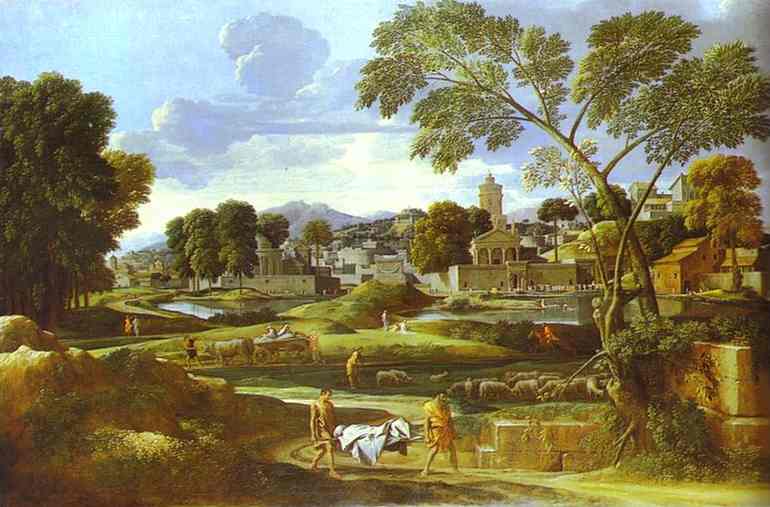
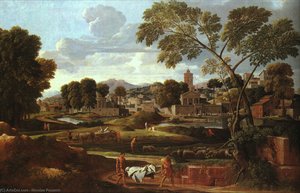
Landscape with Funeral of Phocion

 Ver más
Giclée / Impresión de arte
Impresiones giclée o en lienzo de calidad de museo con producción rápida y opciones de acabado flexibles. ( Comprar pintura hecha a mano Comprar imagen)




P118B $10

P118H $10

P118W $10

P438Z $10

P508JH $12

P508YH $12

P805H $10

P805Z $10

P919BZ $10

P919G $10

P919XJ $10

P959ZH $10

P968JZ $12

W106C $8

W218G $10

W218JH $8

W218Y $10

W307PJ $10

W316G $10

W316PJ $8

W316Y $10

W398PJ $8

W4111J $10

W500HY $15

W500JH $15

W692G $12

W849H $8

W940BG $15

W953PJ $8




Elija entre nuestros tamaños predefinidos que respetan las proporciones originales de la obra.

Puede introducir sus propias dimensiones para adaptarse a un marco o espacio específico. Si el tamaño seleccionado no coincide con las proporciones de la imagen original, recortaremos la obra de arte o extenderemos la imagen con un borde con efecto espejo o de color sólido. Se enviará una maqueta digital para su aprobación antes de que comience la producción.
Tenga en cuenta que la vista previa en pantalla no refleja el recorte o la extensión real. Solo la maqueta mostrará con precisión la composición final.
Aunque existen tamaños personalizados, recomendamos seleccionar una dimensión de la lista predefinida para preservar las proporciones originales.
Envío a todo el mundo () en 2 semanas en lugar de las 4/5 semanas estándar. (29 agosto)

Envío exprés gratuito a todo el mundo

Lienzo de lino de alta calidad

Seguro de envío total

Garantía de reembolso de impuestos aduaneros

Garantía de fidelidad cromática exacta

Política de devolución de 60 días (solo por defectos)

Garantía de devolución del 100% del dinero

Descuento por cantidad
 La opción de vidrio solo está disponible en tamaños inferiores a 110 cm.

Landscape with Funeral of Phocion
Giclée / Impresión de arte
Dimensiones de la reproducción
-


Precio total final
$ 62
Landscape with the Funeral of Phocion: A Meditation on Loss and Remembrance
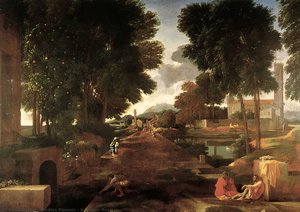
Nicolas Poussin’s “Landscape with the Funeral of Phocion” (1648) stands as a testament to the enduring power of classical ideals interwoven with profound human emotion. Painted during his Roman maturity, this monumental canvas transcends mere topographical representation; it delves into themes of grief, piety, and the solemn beauty inherent in accepting mortality – concepts deeply rooted in the philosophical currents of Aristotle and Plato that shaped Poussin’s artistic worldview.
- Subject Matter: The scene depicts a desolate landscape dominated by rolling hills beneath a brooding sky. At its center stands Phocion, an Athenian statesman unjustly condemned and executed, being carried aloft by two attendants – his widow and a servant – towards the pyre where his ashes are gathered. This poignant tableau captures the final rites of mourning with meticulous detail.
- Style & Technique: Characteristic of Poussin’s Baroque style, “Landscape with the Funeral of Phocion” exemplifies disegno—a masterful rendering of form and light that prioritizes intellectual clarity over mere visual sensation. The artist employs a pyramidal composition, guiding the viewer's eye upwards towards Phocion and reinforcing the sense of grandeur and solemn contemplation.
- Historical Context: Commissioned by Cardinal Mazarin for Palazzo Barberini in Rome, this painting reflects the anxieties surrounding political instability during Mazarin’s reign. However, its significance extends beyond immediate political concerns; it engages with broader humanist ideas about death and afterlife—ideas prevalent throughout Renaissance Europe.
- Symbolism: The landscape itself serves as a symbolic representation of the soul's journey towards eternity. The barren hills symbolize hardship and suffering endured in life, while the smoke rising from the pyre signifies purification and transformation. The birds circling overhead represent divine providence—a reminder that even amidst sorrow, there is solace in faith.
- Emotional Impact: “Landscape with the Funeral of Phocion” evokes a palpable sense of melancholy yet simultaneously conveys an unwavering belief in spiritual transcendence. Poussin’s masterful use of color and light creates an atmosphere of serene solemnity, inviting viewers to contemplate the universal experience of loss and the enduring beauty of remembrance.
Detailed Examination: Composition & Light
Poussin's compositional genius is immediately apparent. The pyramidal structure anchors the scene, directing attention towards Phocion—the central figure embodying both earthly authority and spiritual dignity. Two attendants carry him aloft, symbolizing support and compassion in the face of bereavement. Below, the desolate landscape establishes a stark contrast with the elevated procession, emphasizing the separation between life and death.
Furthermore, Poussin’s masterful manipulation of light is crucial to conveying the painting's emotional depth. Soft, diffused illumination bathes the scene, creating an ethereal glow that softens the harshness of the landscape and imbues Phocion’s widow with a luminous aura—a visual manifestation of her unwavering devotion.
Influence & Legacy
"Landscape with the Funeral of Phocion" profoundly impacted subsequent generations of artists. Its meticulous realism combined with idealized forms established a new standard for landscape painting, influencing painters like Rembrandt and Rubens. More importantly, it solidified Poussin’s reputation as a champion of classical aesthetics—a tradition that continues to inspire artistic creativity today.
A reproduction of this iconic artwork brings the grandeur and contemplative spirit of Baroque Rome into any interior space. Its rich detail and masterful execution offer an unparalleled opportunity to appreciate the enduring beauty of Nicolas Poussin’s vision – a timeless meditation on grief, faith, and the sublime.
Obras relacionadas
Biografía del artista
vida temprana y formación
nicolás poussin, nacido en junio de 1594, fue la quintaesencia de la pintura barroca francesa clásica. A pesar de pasar la mayor parte de su carrera en Roma, permaneció profundamente arraigado en las tradiciones artísticas francesas. Sus primeros días como pintor estuvieron envueltos en incertidumbre, pero ya en 1612 había iniciado estudios formales en París, absorbiendo influencias de artistas menos conocidos antes de ser atraído a Roma en 1624.estilo artístico e influencias
El estilo estético de Poussin, celebrado por su composición coherente y priorización de la linealidad, sentó un precedente que influyó en maestros como jacques-luís david y paul cézanne bien hasta el siglo XX. Su estilo distintivo se cristalizó a través de obras maestras como la muerte de germanicus y su seminal serie de los siete sacramentos.obras notables y museos
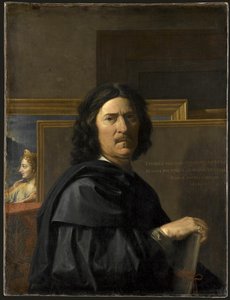
- nicolás poussin: autorretrato 1 (barroco, óleo), un testimonio de su maestría en el medio.
- bacanal frente a un templo (74 x 101 cm, Legión de Honor, San Francisco, Estados Unidos, óleo sobre lienzo), que muestra su capacidad para equilibrar la composición y la narrativa.
- el musée des beaux-arts de carcassonne, un destino imprescindible para los amantes del arte, que alberga una impresionante colección de pinturas occidentales desde el siglo XVII hasta el XX.
legado e impacto
La lealtad de Poussin permaneció en Roma, donde finalmente se centró en incorporar paisajes expansivos a su arte. Su madurez como artista está encapsulada en obras como Orión ciego buscando el sol y las estaciones, que anunciaron una era de composición rigurosa impregnada de la belleza serena del mundo natural.explore más con ArtsDot.com
descubra las obras maestras del musée france e inicie su viaje al mundo de la pintura barroca francesa con musée picasso, musée des beaux-arts de carcassonne y otros museos notables. Visite la página de nicolás poussin en ArtsDot.com para explorar más de sus obras y aprender sobre el contexto en el que fueron creadas.referencias
Nicolás Poussin
1594 - 1665 , Francia
Datos clave
- Artistas Influenciados:
- Jacques-Louis David
- Paul Cézanne
- Artistas Que Influyeron:
- Rafael
- Tiziano
- Fecha De Muerte: 1665
- Fecha De Nacimiento: Junio de 1594
- Lugar De Nacimiento: Le Havre, Francia
- Movimiento Artístico: Barroco clásico
- Nacionalidad: Francés
- Nombre Completo: Nicolás Poussin
- Obras Notables:
- La Muerte de Germanicus
- Los Siete Sacramentos
- Una Carretera Romana
- Orion Ciego Buscando el Sol
- Las Estaciones
Artículos relacionados
Nicolas Poussin: Classicism, Allegory & Order in 17th-Century French Painting
Explore the life & work of Nicolas Poussin, a master of French Classicism. Discover his allegorical paintings, Roman influences, and enduring impact on art history. Expert analysis & insights.

Baroque Classicism: Reconciling Drama & Order in 17th-Century Art
Explore the captivating world of Baroque Classicism! Discover its history, key artists like Caravaggio & Rubens, and defining characteristics. Expert insights & high-quality reproductions at ArtsDot.

Paisajes Románticos: 10 Obras Maestras que Definieron un Movimiento Artístico
Descubre los 10 paisajes románticos más influyentes de artistas como Caspar David Friedrich y Turner. Explora la belleza, el simbolismo y las técnicas del movimiento romántico. Reproducciones de arte exclusivas en ArtsDot.com.

Evocations of Place: A Historical Journey Through Landscape Art
Explore the rich history of landscape art with ArtsDot. Discover renowned artists, movements like Impressionism & Romanticism, and expert guidance for collecting timeless pieces. Find your perfect serene escape today!
Nicolaes Berchem: Dutch Golden Age Pastoralism & the Evolution of Landscape Painting
Explore the captivating world of Nicolaes Berchem, a leading Dutch Golden Age painter. Discover his idyllic landscapes, masterful technique & lasting influence on art history. Learn more at ArtsDot.