 Ver en contexto
 Enviar
 Compartir
 Detalles

 Descargar
 Similares
 Radiografía
 Presentación de diapositivas
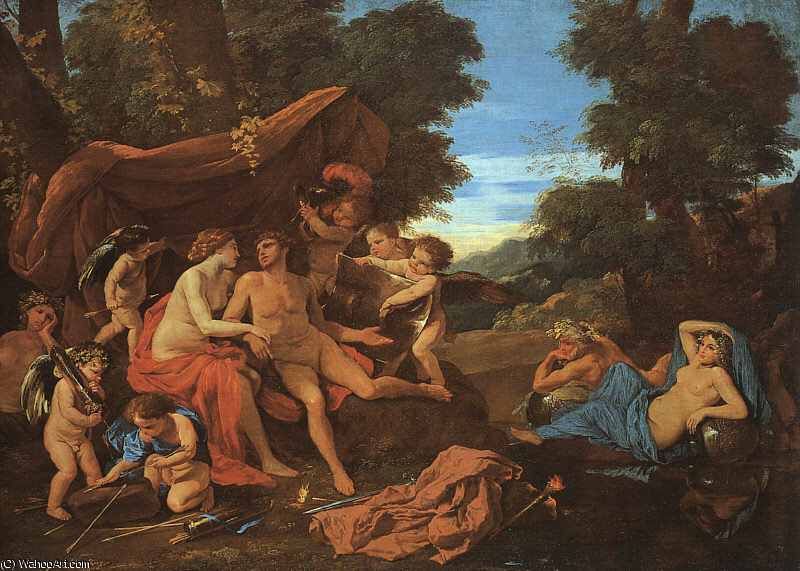
Mars and Venus, oil on canvas, Museum of Fi


 Ver más
Reproducción al óleo hecha a mano
Óleo sobre lienzo pintado a mano en el tamaño y marco de su elección, realizado por encargo por nuestros artistas. ( Comprar impresión Comprar imagen)




P118B $10

P118H $10

P118W $10

P438Z $10

P508JH $12

P508YH $12

P805H $10

P805Z $10

P919BZ $10

P919G $10

P919XJ $10

P959ZH $10

P968JZ $12

W106C $8

W218G $10

W218JH $8

W218Y $10

W307PJ $10

W316G $10

W316PJ $8

W316Y $10

W398PJ $8

W4111J $10

W500HY $15

W500JH $15

W692G $12

W849H $8

W940BG $15

W953PJ $8




Elija entre nuestros tamaños predefinidos que respetan las proporciones originales de la obra.

Puede ingresar sus propias dimensiones para adaptarse a un marco o espacio específico. Si el tamaño seleccionado no coincide con las proporciones de la imagen original, recortaremos la obra o extenderemos la pintura con elementos adicionales pintados a mano. Se le enviará una maqueta digital para su aprobación antes de comenzar la producción.
Tenga en cuenta que la vista previa en pantalla no refleja el recorte o la extensión reales. Solo la maqueta mostrará con precisión la composición final.
Si bien existen tamaños personalizados, recomendamos seleccionar una dimensión de la lista predefinida para preservar las proporciones originales.
Tras realizar el pedido, el equipo de ArtsDot.com enviará un correo electrónico al cliente para solicitar instrucciones y proporcionarle una vista previa del boceto.
Envío a todo el mundo () en 3-4 semanas en lugar de las 5 semanas estándar. (27 agosto). Sin comprometer la calidad.

Envío exprés gratuito a todo el mundo

Lienzo de lino de alta calidad

Seguro de envío total

Garantía de reembolso de impuestos aduaneros

Garantía de fidelidad cromática exacta

Política de devolución de 60 días (solo por defectos)

Garantía de devolución del 100% del dinero

Descuento por cantidad
 La opción de vidrio solo está disponible en tamaños inferiores a 110 cm.

Mars and Venus, oil on canvas, Museum of Fi
Técnica de reproducción
Dimensiones de la reproducción
-


Precio total final
$ 263
A Symphony of Myth and Pastoral Tranquility
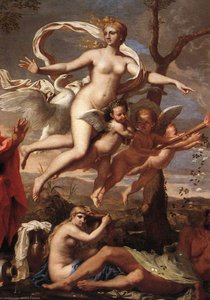
In the quiet grandeur of the Museum of Fine Arts, Boston, resides a masterpiece that transcends the boundaries of mere mythology to touch upon the very essence of human emotion. Nicolas Poussin’s 1629 triumph, Mars and Venus, is not simply a depiction of Roman deities; it is a carefully orchestrated visual poem. At its heart, the canvas captures a moment of profound stillness within a lush, primordial forest. The scene unfolds with a deceptive simplicity, presenting a serene landscape dominated by towering trees and dappled sunlight that seems to dance across the figures. Yet, beneath this pastoral tranquility lies a complex narrative of power, vulnerability, and the transformative nature of love. Poussin invites the viewer into a realm where the boundaries between the divine and the earthly blur, creating an atmosphere that is both intellectually stimulating and deeply soothing to the soul.
The composition is a masterclass in classical balance, utilizing a pyramidal structure reminiscent of the great Renaissance masters like Raphael. This geometric stability provides a sense of eternal permanence, anchoring the viewer's gaze amidst the lively movement of the forest. On the left, Mars, the formidable god of war, stands with an imposing presence, his authority radiating through his powerful physique. However, this strength is tempered by his gaze, which is fixed upon Venus with a tenderness that suggests the softening influence of affection. Centrally positioned, Venus, the goddess of love, is bathed in an ethereal, luminous light. This masterful use of chiaroscuro does more than just highlight her physical beauty; it emphasizes her vulnerability and the celestial grace she embodies. Above them, angels hover within the canopy, acting as divine witnesses to this earthly union, reinforcing the theme that love is a force sanctioned by the heavens.
The Artistry of the French Baroque
To behold this work is to witness Poussin at the height of his technical innovation. Moving away from the flamboyant and sensuous textures of the Venetian school, Poussin embraced a style defined by linear clarity, intellectual rigor, and atmospheric depth. His technique in Mars and Venus reveals an extraordinary command over oil paint; through the meticulous layering of thin, translucent glazes upon thicker underpaintings, he achieved a luminosity that feels almost supernatural. This method allows light to penetrate the surface of the canvas, creating subtle tonal variations that breathe life into the forest floor and the skin of the deities alike. His ability to capture atmospheric perspective—the way colors soften and blue tones recede into the distance—creates an immersive world that pulls the observer deep into the verdant landscape.
For the discerning collector or interior designer, this painting offers much more than aesthetic beauty; it provides a focal point of profound narrative depth. The symbolism is rich and layered: the discarded weapons of Mars—his sword, spear, and helmet—serve as potent metaphors for the triumph of peace over conflict. Even the way Venus utilizes his shield as a mirror speaks to the reflective and transformative power of beauty. Integrating a high-quality reproduction of such a work into a space brings with it an air of classical sophistication and timelessness. It is a piece that commands attention through its quiet strength, offering a sanctuary of order and grace in a modern world often characterized by chaos. Whether placed in a sunlit gallery or a stately study, Poussin’s vision continues to inspire awe, inviting endless contemplation of the eternal dance between strength and softness.
Obras relacionadas
Biografía del artista
vida temprana y formación
nicolás poussin, nacido en junio de 1594, fue la quintaesencia de la pintura barroca francesa clásica. A pesar de pasar la mayor parte de su carrera en Roma, permaneció profundamente arraigado en las tradiciones artísticas francesas. Sus primeros días como pintor estuvieron envueltos en incertidumbre, pero ya en 1612 había iniciado estudios formales en París, absorbiendo influencias de artistas menos conocidos antes de ser atraído a Roma en 1624.estilo artístico e influencias
El estilo estético de Poussin, celebrado por su composición coherente y priorización de la linealidad, sentó un precedente que influyó en maestros como jacques-luís david y paul cézanne bien hasta el siglo XX. Su estilo distintivo se cristalizó a través de obras maestras como la muerte de germanicus y su seminal serie de los siete sacramentos.obras notables y museos
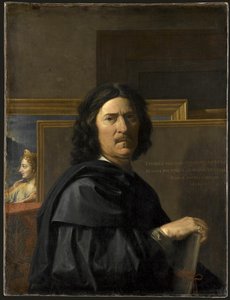
- nicolás poussin: autorretrato 1 (barroco, óleo), un testimonio de su maestría en el medio.
- bacanal frente a un templo (74 x 101 cm, Legión de Honor, San Francisco, Estados Unidos, óleo sobre lienzo), que muestra su capacidad para equilibrar la composición y la narrativa.
- el musée des beaux-arts de carcassonne, un destino imprescindible para los amantes del arte, que alberga una impresionante colección de pinturas occidentales desde el siglo XVII hasta el XX.
legado e impacto
La lealtad de Poussin permaneció en Roma, donde finalmente se centró en incorporar paisajes expansivos a su arte. Su madurez como artista está encapsulada en obras como Orión ciego buscando el sol y las estaciones, que anunciaron una era de composición rigurosa impregnada de la belleza serena del mundo natural.explore más con ArtsDot.com
descubra las obras maestras del musée france e inicie su viaje al mundo de la pintura barroca francesa con musée picasso, musée des beaux-arts de carcassonne y otros museos notables. Visite la página de nicolás poussin en ArtsDot.com para explorar más de sus obras y aprender sobre el contexto en el que fueron creadas.referencias
Nicolás Poussin
1594 - 1665 , Francia
Datos clave
- Artistas Influenciados:
- Jacques-Louis David
- Paul Cézanne
- Artistas Que Influyeron:
- Rafael
- Tiziano
- Fecha De Muerte: 1665
- Fecha De Nacimiento: Junio de 1594
- Lugar De Nacimiento: Le Havre, Francia
- Movimiento Artístico: Barroco clásico
- Nacionalidad: Francés
- Nombre Completo: Nicolás Poussin
- Obras Notables:
- La Muerte de Germanicus
- Los Siete Sacramentos
- Una Carretera Romana
- Orion Ciego Buscando el Sol
- Las Estaciones
Artículos relacionados
Nicolas Poussin: Classicism, Allegory & Order in 17th-Century French Painting
Explore the life & work of Nicolas Poussin, a master of French Classicism. Discover his allegorical paintings, Roman influences, and enduring impact on art history. Expert analysis & insights.
Echoes of Olympus: Mythological Narratives in Western Art Through the Ages
Explore the captivating history of mythological narratives in Western art! From ancient Greece to modern masterpieces, discover iconic artworks & symbolism. Expert analysis and high-quality reproductions at ArtsDot.

Drama Barroca: Llevando la Grandeza y la Emoción a los Interiores Contemporáneos
Descubre cómo el drama y la grandeza del arte barroco pueden transformar tus interiores. Guía experta, inspiración y reproducciones de alta calidad en .

The Dramatic Flourish: Exploring the Baroque Movement's Enduring Legacy in Art History
Explore the dramatic world of Baroque art! Discover iconic artists like Caravaggio & Rubens, defining techniques, and its lasting impact on art history. Expert insights for collectors & enthusiasts at ArtsDot.
Barroco en su Esplendor: 10 Obras Maestras que Definieron una Época | ArtsDot
Descubre las 10 obras maestras del Barroco que revolucionaron el arte. Caravaggio, Rembrandt y Velázquez te esperan en ArtsDot. Reproducciones de alta calidad para decorar tu hogar con la grandeza de este estilo. ¡Explora la colección online!