 Vista previa
 Compartir
 Compartir
 Ver detalles

 Descargar
 Ver similares
 Radiografía
 Presentación de diapositivas
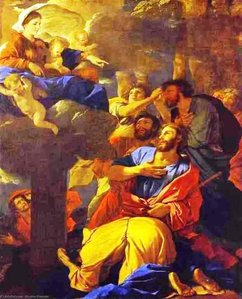
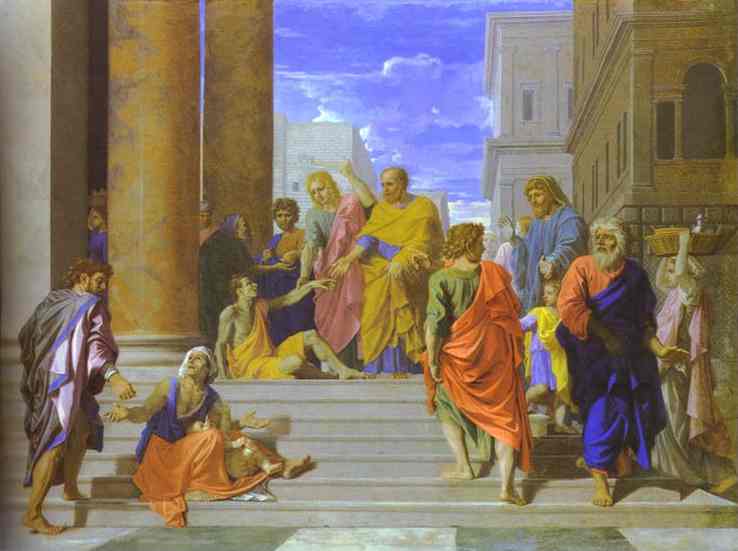
St. Peter and St. James Cure the Lame Man


 Leer más
Reproducción al óleo hecha a mano
Óleo sobre lienzo pintado a mano en el tamaño y marco de su elección, realizado por encargo por nuestros artistas. ( Pedir impresión Comprar descarga)




P118B $10

P118H $10

P118W $10

P438Z $10

P508JH $12

P508YH $12

P805H $10

P805Z $10

P919BZ $10

P919G $10

P919XJ $10

P959ZH $10

P968JZ $12

W106C $8

W218G $10

W218JH $8

W218Y $10

W307PJ $10

W316G $10

W316PJ $8

W316Y $10

W398PJ $8

W4111J $10

W500HY $15

W500JH $15

W692G $12

W849H $8

W940BG $15

W953PJ $8




Elija entre nuestros tamaños predefinidos que respetan las proporciones originales de la obra.

Puede ingresar sus propias dimensiones para adaptarse a un marco o espacio específico. Si el tamaño seleccionado no coincide con las proporciones de la imagen original, recortaremos la obra o extenderemos la pintura con elementos adicionales pintados a mano. Se le enviará una maqueta digital para su aprobación antes de comenzar la producción.
Tenga en cuenta que la vista previa en pantalla no refleja el recorte o la extensión reales. Solo la maqueta mostrará con precisión la composición final.
Si bien existen tamaños personalizados, recomendamos seleccionar una dimensión de la lista predefinida para preservar las proporciones originales.
Tras realizar el pedido, el equipo de ArtsDot.com enviará un correo electrónico al cliente para solicitar instrucciones y proporcionarle una vista previa del boceto.
Envío a todo el mundo () en 3-4 semanas en lugar de las 5 semanas estándar. (21 agosto). Sin comprometer la calidad.

Envío exprés gratuito a todo el mundo

Lienzo de lino de alta calidad

Seguro de envío completo

Garantía de reembolso de aranceles aduaneros

Garantía de fidelidad cromática exacta

Política de devolución de 60 días (solo por defectos)

Garantía de devolución del 100% del dinero

Oferta por volumen
 La opción de vidrio solo está disponible en tamaños inferiores a 110 cm.

St. Peter and St. James Cure the Lame Man
Técnica de reproducción
Tamaño de la reproducción
-


Precio total
$ 263
Descripción de la obra
A Divine Encounter in Brushstrokes
In the grand tapestry of the French Baroque, few works capture the intersection of human suffering and divine intervention as poignantly as St. Peter and St. James Cure the Lame Man. Attributed to the master Nicolas Poussin, this monumental canvas serves as a profound meditation on faith's transformative power. The scene unfolds with a dramatic intensity, drawing the viewer into a crowded, sun-drenched gathering where the boundaries between the earthly and the celestial begin to blur. At the heart of this composition lies a man seated upon stone steps, his physical infirmity serving as the focal point for a miraculous event. As the apostles reach out to bestow healing, the painting transcends its biblical subject matter, offering an immersive experience that speaks to the universal human longing for grace and redemption.
The atmosphere of the piece is one of vibrant, social energy, yet it is anchored by a deep, spiritual stillness. Pousseb's mastery lies in his ability to orchestrate a complex crowd—individuals engaged in quiet conversation or gazing in awe—while maintaining a singular focus on the miraculous act at hand. For the discerning collector or interior designer, this work offers more than mere decoration; it provides a window into a moment of profound spiritual awakening, making it an ideal centerpiece for spaces designed to inspire contemplation and intellectual depth.
The Architecture of Light and Classical Order
Technically, the painting is a triumph of illusionistic painting, a method Poussin refined through his deep immersion in the Roman art scene. He deftly adapts the dramatic flourishes of Italian Mannerism into a more structured, French aesthetic characterized by clarity and intellectual rigor. The composition is built upon deeply receding architectural spaces that create an incredible sense of depth, pulling the eye past the immediate figures and into a world of marble surfaces and weathered stone. This meticulous rendering of texture—the contrast between the smooth, light-catching drapery and the rugged permanence of the background buildings—enhances the realism of the scene.
Light serves as the true protagonist in this work. Emanating from unseen sources, it bathes the figures in an ethereal radiance that feels both naturalistic and supernatural. This manipulation of light does not merely illuminate the scene; it directs the emotional narrative, highlighting the hands of the apostles and the expectant face of the lame man, thereby reinforcing the painting's spiritual gravity. The interplay of shadow and brilliance creates a rhythmic movement across the canvas, ensuring that the viewer's gaze is constantly engaged in a dance of discovery.
A Legacy of Faith and Renaissance Humanism
To understand the soul of this masterpiece, one must look to the historical currents that shaped Poussin’s vision. Having lived much of his life in Rome, Poussin was profoundly influenced by the titans of the High Renaissance, such as Raphael and Michelangelo. His work reflects a period of intense papal patronage and a revival of classical learning, where the Catholic Church sought to reaffirm its spiritual authority through the beauty of art. This painting is a perfect embodiment of that era—a synthesis of humanist ideals and religious fervor.
Every element within the frame is imbued with symbolism. The architectural grandeur suggests the enduring strength of the Church, while the interaction between the apostles and the man represents the bridge between divine will and human experience. For those seeking to adorn a home or gallery with a piece of history, this reproduction offers an opportunity to possess a fragment of the Baroque era's most significant intellectual movement. It is a work that invites conversation, standing as a testament to the enduring power of art to capture the sublime.
Obras relacionadas
Biografía del artista
vida temprana y formación
nicolás poussin, nacido en junio de 1594, fue la quintaesencia de la pintura barroca francesa clásica. A pesar de pasar la mayor parte de su carrera en Roma, permaneció profundamente arraigado en las tradiciones artísticas francesas. Sus primeros días como pintor estuvieron envueltos en incertidumbre, pero ya en 1612 había iniciado estudios formales en París, absorbiendo influencias de artistas menos conocidos antes de ser atraído a Roma en 1624.estilo artístico e influencias
El estilo estético de Poussin, celebrado por su composición coherente y priorización de la linealidad, sentó un precedente que influyó en maestros como jacques-luís david y paul cézanne bien hasta el siglo XX. Su estilo distintivo se cristalizó a través de obras maestras como la muerte de germanicus y su seminal serie de los siete sacramentos.obras notables y museos
- nicolás poussin: autorretrato 1 (barroco, óleo), un testimonio de su maestría en el medio.
- bacanal frente a un templo (74 x 101 cm, Legión de Honor, San Francisco, Estados Unidos, óleo sobre lienzo), que muestra su capacidad para equilibrar la composición y la narrativa.
- el musée des beaux-arts de carcassonne, un destino imprescindible para los amantes del arte, que alberga una impresionante colección de pinturas occidentales desde el siglo XVII hasta el XX.
legado e impacto
La lealtad de Poussin permaneció en Roma, donde finalmente se centró en incorporar paisajes expansivos a su arte. Su madurez como artista está encapsulada en obras como Orión ciego buscando el sol y las estaciones, que anunciaron una era de composición rigurosa impregnada de la belleza serena del mundo natural.explore más con ArtsDot.com
descubra las obras maestras del musée france e inicie su viaje al mundo de la pintura barroca francesa con musée picasso, musée des beaux-arts de carcassonne y otros museos notables. Visite la página de nicolás poussin en ArtsDot.com para explorar más de sus obras y aprender sobre el contexto en el que fueron creadas.referencias
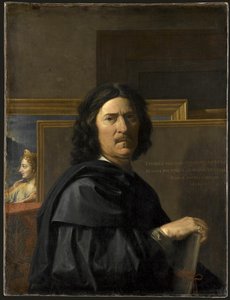
Nicolás Poussin
1594 - 1665 , Francia
Datos clave
- Artistas Influenciados:
- Jacques-Louis David
- Paul Cézanne
- Artistas Que Influyeron:
- Rafael
- Tiziano
- Fecha De Muerte: 1665
- Fecha De Nacimiento: Junio de 1594
- Lugar De Nacimiento: Le Havre, Francia
- Movimiento Artístico: Barroco clásico
- Nacionalidad: Francés
- Nombre Completo: Nicolás Poussin
- Obras Notables:
- La Muerte de Germanicus
- Los Siete Sacramentos
- Una Carretera Romana
- Orion Ciego Buscando el Sol
- Las Estaciones
Artículos relacionados
Nicolas Poussin: Classicism, Allegory & Order in 17th-Century French Painting
Explore the life & work of Nicolas Poussin, a master of French Classicism. Discover his allegorical paintings, Roman influences, and enduring impact on art history. Expert analysis & insights.
Baroque Classicism: Reconciling Drama & Order in 17th-Century Art
Explore the captivating world of Baroque Classicism! Discover its history, key artists like Caravaggio & Rubens, and defining characteristics. Expert insights & high-quality reproductions at ArtsDot.
El Legado Perenne del Clasicismo: Principios Fundamentales, Evolución e Influencia en el Arte Occidental
Descubre la historia del arte clásico occidental: desde sus orígenes en Grecia y Roma hasta su influencia en el Renacimiento y las corrientes contemporáneas. Análisis experto, artistas clave y obras maestras imperdibles.

Drama Barroca: Llevando la Grandeza y la Emoción a los Interiores Contemporáneos
Descubre cómo el drama y la grandeza del arte barroco pueden transformar tus interiores. Guía experta, inspiración y reproducciones de alta calidad en .
Barroco en su Esplendor: 10 Obras Maestras que Definieron una Época | ArtsDot
Descubre las 10 obras maestras del Barroco que revolucionaron el arte. Caravaggio, Rembrandt y Velázquez te esperan en ArtsDot. Reproducciones de alta calidad para decorar tu hogar con la grandeza de este estilo. ¡Explora la colección online!