

 Ver en contexto
 Enviar
 Compartir
 Detalles

 Descargar
 Similares
 Radiografía
 Presentación de diapositivas
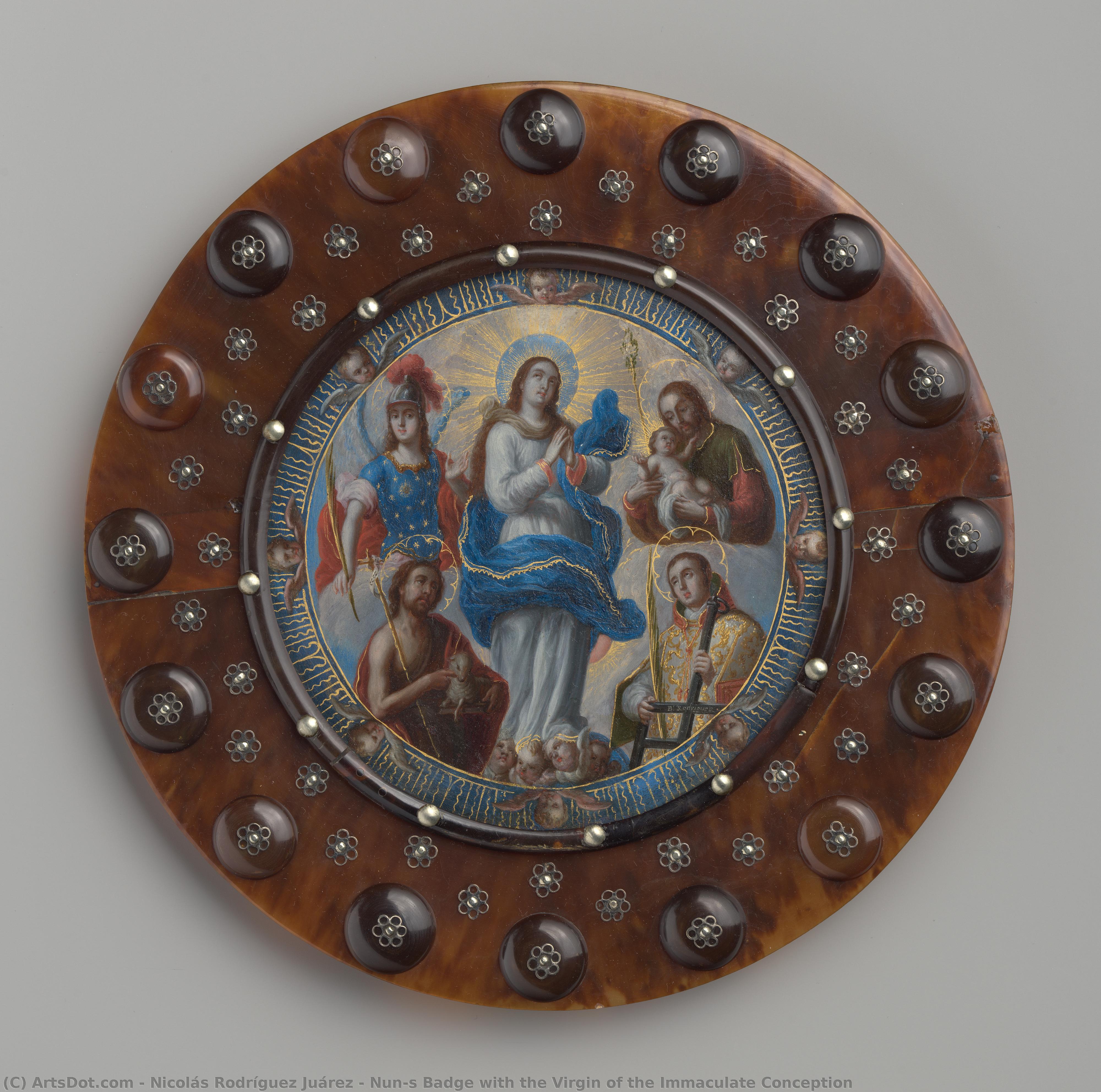
Nun’s Badge with the Virgin of the Immaculate Conception


 Ver más
Reproducción al óleo hecha a mano
Óleo sobre lienzo pintado a mano en el tamaño y marco de su elección, realizado por encargo por nuestros artistas. ( Comprar impresión Comprar imagen)




P118B $10

P118H $10

P118W $10

P438Z $10

P508JH $12

P508YH $12

P805H $10

P805Z $10

P919BZ $10

P919G $10

P919XJ $10

P959ZH $10

P968JZ $12

W106C $8

W218G $10

W218JH $8

W218Y $10

W307PJ $10

W316G $10

W316PJ $8

W316Y $10

W398PJ $8

W4111J $10

W500HY $15

W500JH $15

W692G $12

W849H $8

W940BG $15

W953PJ $8




Elija entre nuestros tamaños predefinidos que respetan las proporciones originales de la obra.

Puede ingresar sus propias dimensiones para adaptarse a un marco o espacio específico. Si el tamaño seleccionado no coincide con las proporciones de la imagen original, recortaremos la obra o extenderemos la pintura con elementos adicionales pintados a mano. Se le enviará una maqueta digital para su aprobación antes de comenzar la producción.
Tenga en cuenta que la vista previa en pantalla no refleja el recorte o la extensión reales. Solo la maqueta mostrará con precisión la composición final.
Si bien existen tamaños personalizados, recomendamos seleccionar una dimensión de la lista predefinida para preservar las proporciones originales.
Tras realizar el pedido, el equipo de ArtsDot.com enviará un correo electrónico al cliente para solicitar instrucciones y proporcionarle una vista previa del boceto.
Envío a todo el mundo () en 3-4 semanas en lugar de las 5 semanas estándar. (28 agosto). Sin comprometer la calidad.

Envío exprés gratuito a todo el mundo

Lienzo de lino de alta calidad

Seguro de envío total

Garantía de reembolso de impuestos aduaneros

Garantía de fidelidad cromática exacta

Política de devolución de 60 días (solo por defectos)

Garantía de devolución del 100% del dinero

Descuento por cantidad
 La opción de vidrio solo está disponible en tamaños inferiores a 110 cm.

Nun’s Badge with the Virgin of the Immaculate Conception
Técnica de reproducción
Dimensiones de la reproducción
-


Precio total final
$ 263
A Silent Promise: The Nun’s Badge with the Virgin of the Immaculate Conception
The image before you – Nicolás Rodríguez Juárez's “Nun’s Badge with the Virgin of the Immaculate Conception” – isn’t merely a painting; it’s a whispered testament to faith, resilience, and a subtle act of rebellion. Created around 1710 in Mexico City, this small yet profoundly resonant work offers a glimpse into the lives of the Conceptionist and Jeronymite nuns who navigated a world increasingly restrictive in its expectations of women. More than just devotional imagery, it’s a tangible symbol of their devotion, meticulously crafted to circumvent limitations imposed by ecclesiastical authorities.
The core of the piece is undeniably religious – a serene depiction of the Virgin Mary cradling the infant Jesus. The composition is classic and balanced: the luminous Virgin dominates the central space, her expression both gentle and dignified, while the baby Jesus radiates an aura of innocence and divine grace. Angels flank the scene, their wings outstretched in a silent chorus of adoration. However, it’s not the traditional iconography that truly captivates; rather, it's the badge itself – a large, circular medallion worn over the heart, featuring the same Virgin and Child image. This wasn’t simply an adornment; it was a deliberate statement.
The Context of Constraint: Dress Codes and Artistic Response
In the late 17th and early 18th centuries, the Catholic Church exerted considerable control over the appearance of its female members. Nuns were instructed to replace opulent, gold-laden garments – deemed extravagant and contrary to their vows – with habits adorned solely with images of the Virgin Mary. While a seemingly pious adaptation, this restriction inadvertently created a loophole. The nuns, seeking a visible affirmation of their faith beyond the confines of their clothing, turned to commissioned artwork. Rodríguez Juárez, a prominent artist in New Spain, became one of the key figures in this response.
The badge, therefore, represents more than just religious devotion; it embodies a quiet defiance. By wearing these large, painted badges – often lavishly executed and bearing the signature of renowned artists like Rodríguez Juárez – the nuns asserted their connection to the Virgin Mary in a way that circumvented the restrictions on material adornment. It was a visual declaration of faith, a silent promise etched onto their hearts.
A Masterclass in Technique: Oil on Copper
Rodríguez Juárez’s skill is evident in every detail of this piece. Executed in oil paint on copper – a technique favored for its durability and ability to capture rich colors and subtle gradations – the painting possesses a remarkable luminosity. The artist skillfully employs *sfumato*, a blurring technique reminiscent of Leonardo da Vinci, to soften edges and create an ethereal atmosphere. Note the delicate rendering of the Virgin’s robes, the shimmering gold leaf accents that highlight her halo, and the intricate details of the angels' wings.
The use of copper as the support is significant. It allowed for a greater depth of color and a more reflective surface than wood panels, contributing to the painting’s overall richness and vibrancy. The tortoiseshell and silver frame further enhance the piece’s visual impact, adding a touch of opulence that subtly acknowledges the nuns' desire for visible devotion.
Symbolism and Emotional Resonance
Beyond its technical brilliance, “Nun’s Badge with the Virgin of the Immaculate Conception” is laden with symbolism. The Song of Solomon (8:6), referenced in the description, – "Put me as a seal upon thy heart" – forms the core of this visual language. Wearing the badge was an act of personal devotion, a tangible representation of their commitment to the Virgin Mary and her intercession.
The image evokes a profound sense of serenity and faith. Despite the historical context of constraint, there’s an underlying current of strength and resilience within the painting. It's a reminder that even in the face of limitations, individuals can find ways to express their deepest beliefs – often through subtle yet powerful acts of defiance and devotion. This piece is not just a beautiful work of art; it’s a poignant window into the lives and spirit of Mexican nuns during a transformative period in history.
Obras relacionadas

Biografía del artista
primeros años y trasfondo familiar
nicolás rodríguez juárez, un artista prominente en el virreinato de la nueva españa, nació en 1667 en la ciudad de méxico. formó parte de una familia española reconocida por sus logros artísticos, con su hermano juan rodríguez juárez (1675–1728) como un pintor consolidado en la nueva españa. su padre, antonio rodríguez (1636–91), fue un notable pintor español, mientras que su abuelo materno, josé juárez (1617–1661), y su tatarabuelo, luis juárez (1585–1639), también fueron pintores destacados de la era barroca.estilo artístico y obras notables
al igual que la mayoría de los artistas en la nueva españa durante el periodo del barroco tardío, rodríguez juárez produjo arte religioso. asimismo, siguió la tendencia de retratar a altos funcionarios, tales como el virrey linares y la nobleza local. estas obras, caracterizadas por modelos europeos, presentaban símbolos de rango y títulos, ya fuera de forma independiente o integrados en otros elementos de las pinturas. una de sus obras más memorables es un extraordinario autorretrato, el cual es sintomático del papel cambiante que asumía el artista en la colonia durante el siglo dieciocho. un conjunto de pinturas de castas tempranas (c. 1715), atribuido a su mano, puede encontrarse en una colección privada en breamore house, hampshire, inglaterra; estas pinturas exhiben las mezclas raciales mexicanas bajo un orden jerárquico.legado e influencia
la obra de rodríguez juárez tuvo un impacto significativo en el desarrollo del arte en méxico. su uso de la pintura al óleo y su capacidad para capturar la esencia de la feminidad en sus obras son aspectos notables de su estilo. como parte de la colección andrés blaisten (méxico), sus pinturas forman ahora parte de una diversa gama de obras de arte latinoamericanas, que incluyen pinturas, esculturas y grabados de diversos periodos y estilos.- vea la obra de rodríguez juárez en ArtsDot
- explore la colección colección andrés blaisten (méxico) en ArtsDot
- descubra más sobre el arte mexicano y su historia en el línea de tiempo de wahoo art
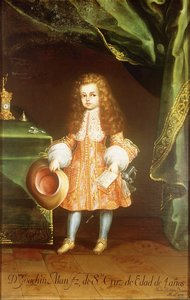
Nicolás Rodríguez Juárez
1667 - 1734 , México
Datos clave
- Artistic Movement Or Style: Impresión de medio tono, mezzotinta
- Artists Or Movements Influenced By This Artist: ['Modelo de color CMYK']
- Artists Who Influenced This Artist: ['Conrad Ferdinand Meyer']
- Date Of Birth: 2 de mayo de 1667
- Date Of Death: 16 de mayo de 1741
- Full Name: Jacob Christoph Le Blon
- Nationality: Alemán
- Notable Artworks:
- Sitio de Armentières
- Sitio de Dixmude
- Place Of Birth: Fráncfort del Meno, Alemania
Artículos relacionados

Barroco Sublime: 10 Obras Maestras que Definieron una Época |
Descubre las 10 obras maestras del Barroco que marcaron una época. Caravaggio, Bernini y Velázquez cobran vida en . Reproducciones de arte de calidad museo para decorar tu hogar con elegancia. ¡Explora la colección online!

Drama Barroca: Llevando la Grandeza y la Emoción a los Interiores Contemporáneos
Descubre cómo el drama y la grandeza del arte barroco pueden transformar tus interiores. Guía experta, inspiración y reproducciones de alta calidad en .

The Dramatic Flourish: Exploring the Baroque Movement's Enduring Legacy in Art History
Explore the dramatic world of Baroque art! Discover iconic artists like Caravaggio & Rubens, defining techniques, and its lasting impact on art history. Expert insights for collectors & enthusiasts at ArtsDot.

The Visceral Stage: Exploring Dramatic Narratives & Emotional Intensity in Baroque Art
Explore the dramatic world of Baroque art! Discover iconic masters like Caravaggio & Rembrandt, their techniques, and the movement's lasting impact. Expert insights for collectors & enthusiasts at ArtsDot.

Theatricality & Triumph: Baroque Drama in Painting & Sculpture
Explore the dramatic world of Baroque art! Discover its history, defining characteristics, & lasting influence on painting & sculpture. Expert insights into Caravaggio, Zurbarán, and Bernini – plus high-quality reproductions at ArtsDot.

