 Ver en contexto
 Enviar
 Compartir
 Detalles

 Descargar
 Similares
 Radiografía
 Presentación de diapositivas
LE CHRIST EN CROIX, LA VIERGE, LA MADELEINE, SAINT JEAN ET SAINT VINCENT DE PAUL


 Ver más
Reproducción al óleo hecha a mano
Óleo sobre lienzo pintado a mano en el tamaño y marco de su elección, realizado por encargo por nuestros artistas. ( Comprar impresión Comprar imagen)




P118B $10

P118H $10

P118W $10

P438Z $10

P508JH $12

P508YH $12

P805H $10

P805Z $10

P919BZ $10

P919G $10

P919XJ $10

P959ZH $10

P968JZ $12

W106C $8

W218G $10

W218JH $8

W218Y $10

W307PJ $10

W316G $10

W316PJ $8

W316Y $10

W398PJ $8

W4111J $10

W500HY $15

W500JH $15

W692G $12

W849H $8

W940BG $15

W953PJ $8




Elija entre nuestros tamaños predefinidos que respetan las proporciones originales de la obra.

Puede ingresar sus propias dimensiones para adaptarse a un marco o espacio específico. Si el tamaño seleccionado no coincide con las proporciones de la imagen original, recortaremos la obra o extenderemos la pintura con elementos adicionales pintados a mano. Se le enviará una maqueta digital para su aprobación antes de comenzar la producción.
Tenga en cuenta que la vista previa en pantalla no refleja el recorte o la extensión reales. Solo la maqueta mostrará con precisión la composición final.
Si bien existen tamaños personalizados, recomendamos seleccionar una dimensión de la lista predefinida para preservar las proporciones originales.
Tras realizar el pedido, el equipo de ArtsDot.com enviará un correo electrónico al cliente para solicitar instrucciones y proporcionarle una vista previa del boceto.
Envío a todo el mundo () en 3-4 semanas en lugar de las 5 semanas estándar. (24 agosto). Sin comprometer la calidad.

Envío exprés gratuito a todo el mundo

Lienzo de lino de alta calidad

Seguro de envío total

Garantía de reembolso de impuestos aduaneros

Garantía de fidelidad cromática exacta

Política de devolución de 60 días (solo por defectos)

Garantía de devolución del 100% del dinero

Descuento por cantidad
 La opción de vidrio solo está disponible en tamaños inferiores a 110 cm.

LE CHRIST EN CROIX, LA VIERGE, LA MADELEINE, SAINT JEAN ET SAINT VINCENT DE PAUL
Técnica de reproducción
Dimensiones de la reproducción
-


Precio total final
$ 363
Descripción de la obra
The Weight of the Cross: Nicolas Tournier’s Dramatic Depiction
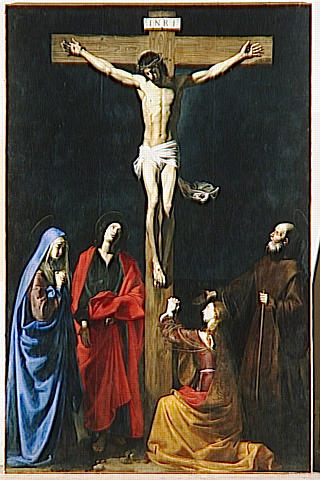
Nicolas Tournier's "Le Christ en croix, la Vierge, la Madeleine, saint Jean et saint Vincent de Paul" is not merely a painting; it’s an immersive experience, a visceral plunge into the heart of Christian sorrow and profound contemplation. Completed in 1632 during the turbulent years of the French Baroque, this work transcends its historical context to resonate with viewers across centuries, offering a timeless meditation on sacrifice, faith, and the enduring power of compassion. Tournier, a key figure within the Protestant artistic community who embraced Catholic themes, masterfully employs dramatic lighting and dynamic composition to convey an overwhelming sense of grief and spiritual weight.
The scene unfolds against a stark, almost impenetrable black background – a deliberate choice that amplifies the luminosity of Christ’s body and the figures gathered below. The arrangement is carefully constructed, drawing the eye immediately to the central figure on the cross, yet simultaneously encompassing a constellation of mourners: Mary, the Virgin; Mary Magdalene, her face etched with sorrow; Saint John, radiating an aura of quiet devotion; and Saint Vincent de Paul, his posture conveying both empathy and spiritual fortitude. Tournier doesn’t shy away from depicting the raw reality of suffering – wounds are visible, expressions are anguished, and the overall atmosphere is one of palpable grief. However, within this darkness, a subtle glimmer of hope emerges through the depiction of Mary's serene countenance and the collective act of mourning, suggesting a shared understanding of Christ’s sacrifice.
Baroque Drama: Light, Line, and Emotion
Tournier’s style is firmly rooted in the Baroque tradition, characterized by its theatricality, emotional intensity, and masterful use of chiaroscuro – the dramatic interplay of light and shadow. The lighting is intensely directional, originating from an unseen source above and slightly to the left, casting deep shadows that sculpt the figures and heighten their sense of vulnerability. Strong vertical lines are established by the cross itself, a monumental anchor within the composition, while flowing, curvilinear lines emerge through the drapery of the garments, softening the overall rigidity and adding a touch of dynamism. The brushwork is visible, lending a painterly quality to the work – not striving for photographic realism but rather prioritizing emotional impact and expressive gesture.
- Color Palette: Dominated by deep reds, blues, browns, and creams, creating a somber yet evocative atmosphere.
- Lines: Strong verticality from the cross contrasted with flowing drapery.
- Shapes: Predominantly organic forms – human figures and the geometric structure of the cross.
- Texture: Suggests texture through visible brushstrokes, conveying a sense of physicality and vulnerability.
Symbolism and Historical Context
Beyond its immediate depiction of the crucifixion, "Le Christ en croix" is rich in symbolic meaning. The inscription “INRI” – Latin for “Jesus of Nazareth, King of the Jews” – prominently displayed above the cross serves as a reminder of Christ’s sacrifice and his role as both suffering servant and divine ruler. The presence of Saint Vincent de Paul, a tireless advocate for the poor and marginalized, adds another layer of significance, highlighting the themes of charity, compassion, and social justice that were central to Tournier's artistic vision. The inclusion of Mary Magdalene, often associated with repentance and forgiveness, further underscores the redemptive power of Christ’s sacrifice.
Considering the historical context, this painting was created during a period of religious upheaval in France – the aftermath of the St. Bartholomew’s Day Massacre and the rise of Protestantism. Tournier's decision to depict such a powerful and emotionally charged scene within a Catholic framework reflects his own complex relationship with faith and his willingness to engage with themes of suffering, redemption, and spiritual devotion. The painting’s journey through French history – from the Louvre to its temporary disappearance – adds another layer of intrigue to its story.
A Legacy of Emotion: Reproduction and Interpretation
Reproductions of "Le Christ en croix" offer a remarkable opportunity to experience the profound emotional impact of Tournier’s masterpiece. The dramatic lighting, dynamic composition, and rich symbolism continue to captivate viewers today, inviting contemplation on themes of faith, suffering, and redemption. When selecting a reproduction, consider the quality of materials used – oil paints on canvas or panel will best capture the original's depth and texture. This painting remains a powerful testament to the enduring legacy of Nicolas Tournier and his ability to translate complex theological concepts into a visually arresting and emotionally resonant work of art.
Obras relacionadas


Biografía del artista
La sombra y la luz: La visión barroca de Nicolas Tournier
En el dramático paisaje del siglo XVII, pocos artistas capturaron la profunda tensión entre la luz divina y la sombra terrenal con tanta eficacia como Nicolas Tournier. Nacido en Montbéliard, Francia, alrededor de 1590, Tournier emergió durante una era transformadora en la que el pulso artístico de Europa se desplazaba hacia el intenso emocionalismo del Barroco. Su obra sirve como un puente conmovedor entre las tradiciones clásicas de su herencia francesa y el realismo revolucionario de alto contraste que recorría el continente. Contemplar un lienzo de Tournier es adentrarse en un mundo donde cada pincelada está cargada con el peso de un significado espiritual y cada sombra guarda un secreto a la espera de ser revelado.
El latido estilístico de la obra de Tournier está innegablemente vinculado a la profunda influencia de Caravaggio. La técnica de este maestro italiano del tenebrismo —el uso de contrastes extremos entre la luz y la oscuridad para lograr una sensación de drama y volumen— se convirtió en la piedra angular del lenguaje visual de Tournier. A través de este prisma, el artista no se limitaba a pintar escenas; las esculpía a partir de la oscuridad. Su maestría de la luz le permitió iluminar las texturas de los tejidos, las líneas cansadas del rostro de un santo y la realidad visceral del martirio religioso, arrastrando al espectador hacia un encuentro íntimo, casi táctil, con lo sagrado.
Una devoción a lo divino y lo humano
La temática de Tournier estaba profundamente arraigada en el fervor religioso de su época. Como pintor que operaba dentro de la tradición del Barroco francés, encontró su mayor inspiración en las profundas narrativas de la iconografía cristiana. Sus composiciones a menudo se centraban en temas de sacrificio, penitencia e intervención divina, como se observa notablemente en obras maestría tales como 'El camino del Calvario'. En estos trabajos, el artista evita la mera ornamentación, optando en su lugar por un realismo crudo y terrenal que enfatiza el sufrimiento humano inherente a la lucha divina.
Lo que distingue a Tournier de sus contemporáneos era su capacidad para combinar esta intensa gravedad religiosa con un sentido sofisticado de la composición derivado de la Escuela Romana. Su desarrollo como artista lo llevó más allá de la simple imitación de los maestros italianos para crear una interpretación unicamente francesa del drama barroco. Esta evolución se caracteriza por:
- Resonancia emocional: Un enfoque en la profundidad psicológica de sus figuras, logrando que lo divino se sienta accesible y humano.
- Maestría del claroscuro: El uso de la luz no solo como una herramienta de visibilidad, sino como un recurso narrativo para guiar la mirada hacia momentos de clímax espiritual.
- Realismo textural: Una increíble atención al detalle en la representación de la piel, la tela y la piedra, lo que aporta un aire de autenticidad a sus escenas religiosas.
Legado y trascendencia histórica
La importancia histórica de Nicolas Tournier reside en su papel como contribuyente vital al movimiento barroco francés. Aunque a menudo ha quedado eclipsado por los floreos más decorativos del posterior Grand Siècle, Tournier proporcionó una base necesaria de realismo e intensidad. Ayudó a cultivar una estética que valoraba la verdad cruda y sin adornos de la condición humana, allanando el camino para que las futuras generaciones de pintores franceses exploraran las complejidades de la luz y la sombra.
Hoy en día, sus obras siguen siendo estudios esenciales para cualquiera que busque comprender la transición desde el Renacimiento tardío hasta el apogeo del Barroco. Su capacidad para evocar piedad a través del medio de la oscuridad asegura que su nombre permanezca grabado en los anales de la historia del arte, no simplemente como un seguidor de Caravaggio, sino como un maestro que dominó las sombras para iluminar el alma misma de su época.
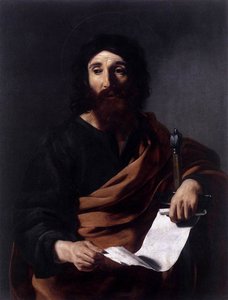
Nicolas Tournier
1590 - 1639 , Francia
Datos clave
- Artistic Movement Or Style: Manierismo, Retratismo
- Artists Or Movements Influenced By This Artist:
- Caravaggio
- Manierismo
- Artists Who Influenced This Artist:
- Andrea Mantegna
- Leonardo da Vinci
- Date Of Birth: 5 de abril de 1527
- Date Of Death: 11 de julio de 1593
- Full Name: Giuseppe Arcimboldo
- Nationality: Italiano
- Notable Artworks:
- Las cuatro estaciones
- La entrada triunfal de Akbar
- Baco
- Judit con Holofernes
- Place Of Birth: Milán, Italia
Artículos relacionados

The Dramatic Flourish: Exploring the Baroque Movement's Enduring Legacy in Art History
Explore the dramatic world of Baroque art! Discover iconic artists like Caravaggio & Rubens, defining techniques, and its lasting impact on art history. Expert insights for collectors & enthusiasts at ArtsDot.

The Visceral Stage: Exploring Dramatic Narratives & Emotional Intensity in Baroque Art
Explore the dramatic world of Baroque art! Discover iconic masters like Caravaggio & Rembrandt, their techniques, and the movement's lasting impact. Expert insights for collectors & enthusiasts at ArtsDot.

Barroco Sublime: 10 Obras Maestras que Definieron una Época |
Descubre las 10 obras maestras del Barroco que marcaron una época. Caravaggio, Bernini y Velázquez cobran vida en . Reproducciones de arte de calidad museo para decorar tu hogar con elegancia. ¡Explora la colección online!
Theatricality & Triumph: Baroque Drama in Painting & Sculpture
Explore the dramatic world of Baroque art! Discover its history, defining characteristics, & lasting influence on painting & sculpture. Expert insights into Caravaggio, Zurbarán, and Bernini – plus high-quality reproductions at ArtsDot.
The Golden Age Reforged: Dramatic Realism & Religious Zeal in Spanish Baroque Art
Explore the dramatic world of Spanish Baroque art! Discover masters like Zurbarán & the powerful influence of religious zeal on painting techniques – a guide for collectors and enthusiasts.