

 Ver en contexto
 Enviar
 Compartir
 Detalles

 Descargar
 Similares
 Radiografía
 Presentación de diapositivas
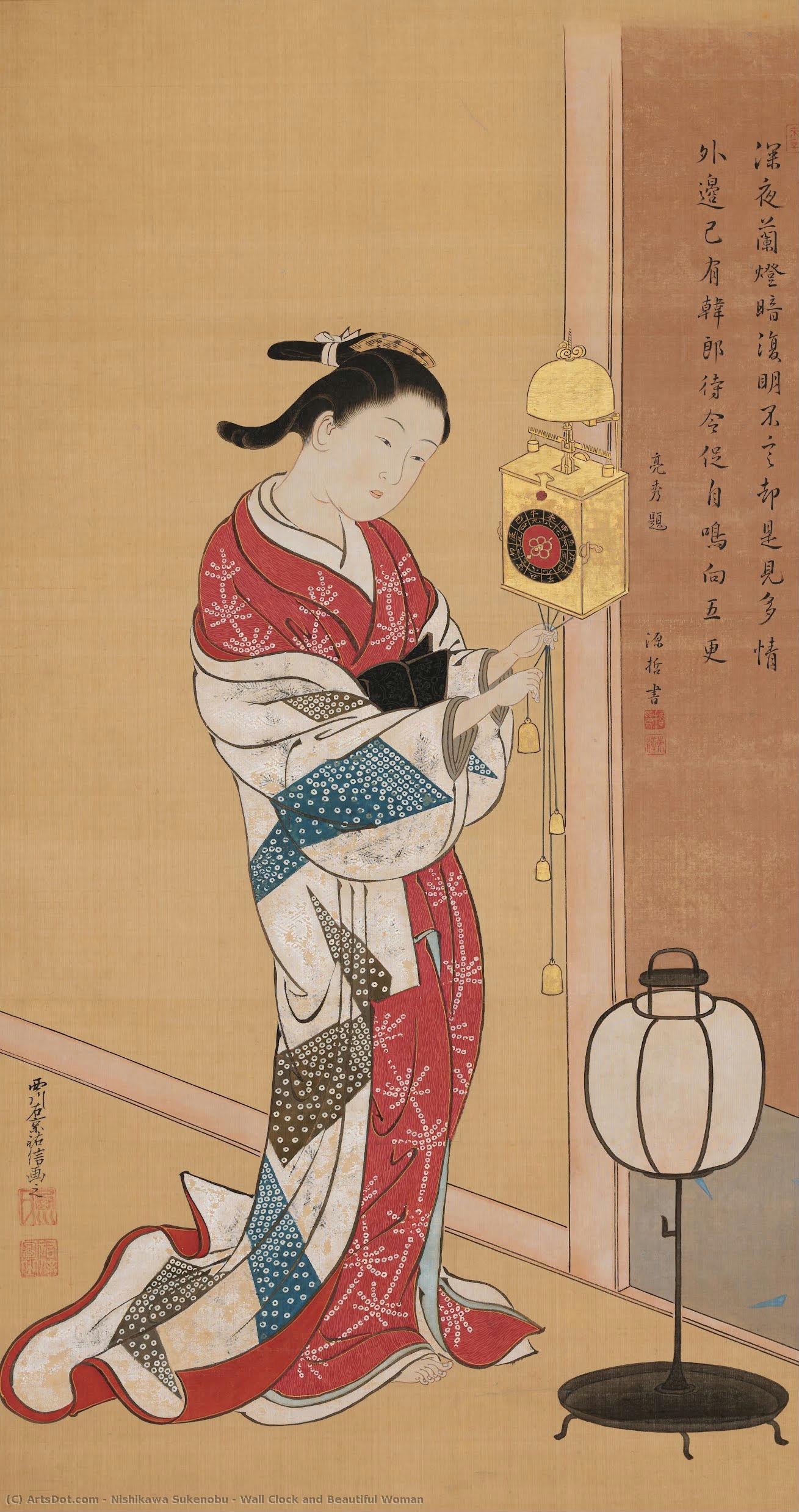
Wall Clock and Beautiful Woman


 Ver más
Reproducción al óleo hecha a mano
Óleo sobre lienzo pintado a mano en el tamaño y marco de su elección, realizado por encargo por nuestros artistas. ( Comprar impresión Comprar imagen)




































Elija entre nuestros tamaños predefinidos que respetan las proporciones originales de la obra.

Puede ingresar sus propias dimensiones para adaptarse a un marco o espacio específico. Si el tamaño seleccionado no coincide con las proporciones de la imagen original, recortaremos la obra o extenderemos la pintura con elementos adicionales pintados a mano. Se le enviará una maqueta digital para su aprobación antes de comenzar la producción.
Tenga en cuenta que la vista previa en pantalla no refleja el recorte o la extensión reales. Solo la maqueta mostrará con precisión la composición final.
Si bien existen tamaños personalizados, recomendamos seleccionar una dimensión de la lista predefinida para preservar las proporciones originales.
Tras realizar el pedido, el equipo de ArtsDot.com enviará un correo electrónico al cliente para solicitar instrucciones y proporcionarle una vista previa del boceto.
Envío a todo el mundo () en 3-4 semanas en lugar de las 5 semanas estándar. (30 agosto). Sin comprometer la calidad.

Envío exprés gratuito a todo el mundo

Lienzo de lino de alta calidad

Seguro de envío total

Garantía de reembolso de impuestos aduaneros

Garantía de fidelidad cromática exacta

Política de devolución de 60 días (solo por defectos)

Garantía de devolución del 100% del dinero

Descuento por cantidad
 La opción de vidrio solo está disponible en tamaños inferiores a 110 cm.

Wall Clock and Beautiful Woman
Técnica de reproducción
Dimensiones de la reproducción
-


Precio total final
$ 263
Obras relacionadas





Biografía del artista
Nishikawa Sukenobu: A Kyoto Master of Female Beauty
Nishikawa Sukenobu (西川祐信; 1671 – August 20, 1750), often referred to simply as “sukenobu,” stands apart from many of his contemporaries in the Ukiyo-e movement. Unlike most artists who flocked to Edo (modern Tokyo), sukenobu remained rooted in Kyoto—the imperial capital—a distinction that profoundly shaped his artistic vision and enduring legacy. He wasn’t merely a printmaker; he was a meticulous book designer, capturing the essence of Japanese culture through exquisitely rendered images. His fame rests primarily on his captivating depictions of women, particularly those portraying them in everyday life – a subject rarely explored with such sensitivity and nuance during his era.- Early Life & Training: Sukenobu’s formative years were spent studying painting under the tutelage of prominent masters from two influential schools: Kanō Einō, championing Chinese artistic traditions and techniques emphasizing grandeur and symbolism, and Tosa Mitsusuke, who favored a more humanist approach rooted in Japanese aesthetics. This dual training instilled in him a sophisticated understanding of both Eastern and Western artistic principles.
- Early Works & Style: Sukenobu’s artistic journey commenced around 1699 with book illustrations—a hallmark of his style—demonstrating an early mastery of composition and color palettes. Notably, his signed print “Seven-Volume Shin Kanninki” (“New Patience Story”) exemplifies his distinctive aesthetic: serene landscapes interwoven with graceful figures, reflecting a profound appreciation for natural beauty.
The Hyakunin Joro Series & Its Impact
Sukenobu’s magnum opus—the Hyakunin Joro shinasadame (appreciating 100 women)—published in two volumes in 1723, cemented his reputation as a pioneer in portraying female subjects. This ambitious project aimed to celebrate the diversity of femininity across social strata, ranging from empresses to courtesans. The series’ remarkable success underscored the public's fascination with depictions of women and established sukenobu as a pivotal figure in shaping Ukiyo-e conventions concerning female representation. It showcased his ability to convey emotion and psychological depth—a rare accomplishment for printmakers of his time.- Technique & Aesthetic Considerations: Sukenobu’s technique involved meticulous attention to detail, utilizing subtle gradations of color and masterful brushwork to achieve unparalleled realism. He skillfully employed perspective and shading to create immersive scenes that captured the atmosphere of daily life—a stylistic hallmark distinguishing him from many other artists.
- Influence on Subsequent Artists: Sukenobu’s influence extended far beyond his own lifetime, inspiring subsequent generations of printmakers like Suzuki Harunobu and Kitao Shigemasa. His approach to portraying women – prioritizing psychological realism and capturing the nuances of human emotion—became a cornerstone of Japanese art history.
Notable Paintings & Beyond Printmaking
Beyond his celebrated prints, Sukenobu produced an impressive array of paintings encompassing kimono patterns, samurai portraits, illustrations of classical literature, and landscapes. These works demonstrate his versatility as an artist and underscore his commitment to exploring diverse artistic mediums—a testament to his intellectual curiosity and artistic ambition.- Legacy & Recognition: Nishikawa Sukenobu’s enduring legacy resides in his contribution to Japanese art history, particularly his groundbreaking portrayal of women. His Hyakunin Joro series continues to captivate audiences today, serving as a poignant reflection on the beauty and complexity of human experience.
Concluding Thoughts
Nishikawa Sukenobu’s unwavering dedication to capturing the essence of Japanese culture through his art—particularly his masterful depictions of women—solidifies his position as one of Ukiyo-e's most influential and aesthetically profound figures. His work transcends mere visual representation; it embodies a deep understanding of human psychology and an exquisite appreciation for the subtleties of natural beauty, ensuring his place in the annals of Japanese artistic achievement.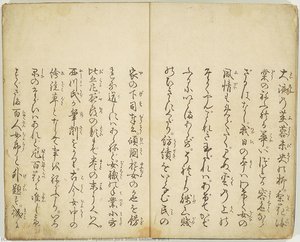
nishikawa sukenobu
1671 - 1750
Datos clave
- Artistic Movement Or Style: Ukiyo-e
- Artists Or Movements Influenced By This Artist:
- Suzuki Harunobu
- Kitao Shigemasa
- Artists Who Influenced This Artist:
- Kanō Einō
- Tosa Mitsusuke
- Date Of Death: August 20, 1750
- Full Name: Nishikawa Sukenobu
- Nationality: Japanese
- Notable Artworks:
- Woman and Attendant
- The God Izanagi and Goddess Izanami
- Place Of Birth: Kyoto

