

 Ver en contexto
 Enviar
 Compartir
 Detalles

 Descargar
 Similares
 Radiografía
 Presentación de diapositivas
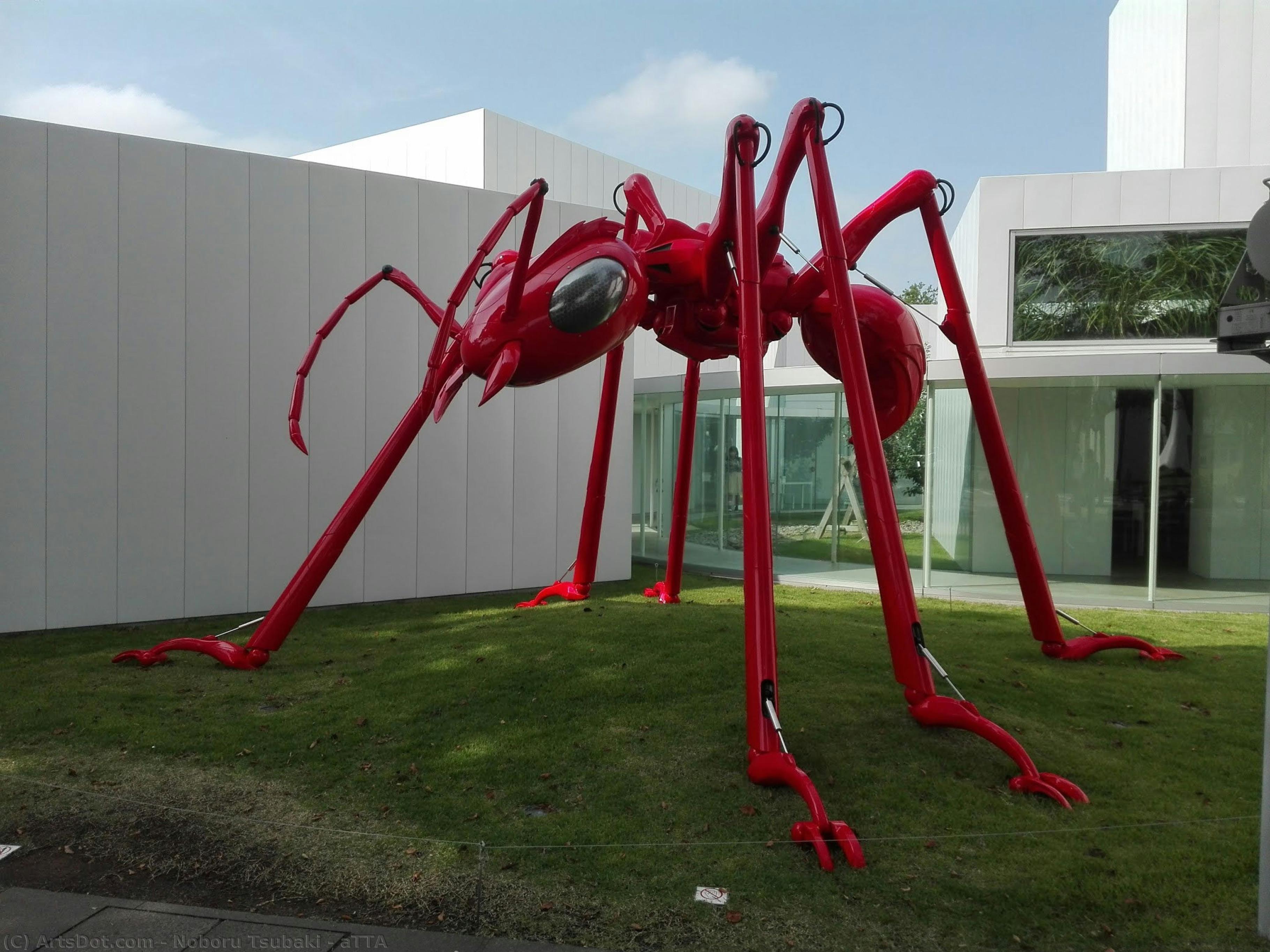
aTTA


 Ver más
Giclée / Impresión de arte
Impresiones giclée o en lienzo de calidad de museo con producción rápida y opciones de acabado flexibles. ( Comprar pintura hecha a mano Comprar imagen)




































Elija entre nuestros tamaños predefinidos que respetan las proporciones originales de la obra.

Puede introducir sus propias dimensiones para adaptarse a un marco o espacio específico. Si el tamaño seleccionado no coincide con las proporciones de la imagen original, recortaremos la obra de arte o extenderemos la imagen con un borde con efecto espejo o de color sólido. Se enviará una maqueta digital para su aprobación antes de que comience la producción.
Tenga en cuenta que la vista previa en pantalla no refleja el recorte o la extensión real. Solo la maqueta mostrará con precisión la composición final.
Aunque existen tamaños personalizados, recomendamos seleccionar una dimensión de la lista predefinida para preservar las proporciones originales.
Envío a todo el mundo () en 2 semanas en lugar de las 4/5 semanas estándar. (7 septiembre)

Envío exprés gratuito a todo el mundo

Lienzo de lino de alta calidad

Seguro de envío total

Garantía de reembolso de impuestos aduaneros

Garantía de fidelidad cromática exacta

Política de devolución de 100 días (solo por defectos)

Garantía de devolución del 100% del dinero

Descuento por cantidad
 La opción de vidrio solo está disponible en tamaños inferiores a 110 cm.

aTTA
Giclée / Impresión de arte
Dimensiones de la reproducción
-


Precio total final
$ 62
Obras relacionadas






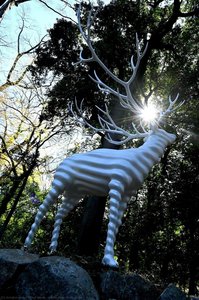
Biografía del artista
Noboru Tsubaki: Bridging Tradition and Innovation in Contemporary Sculpture
Born in Kyoto, Japan, Noboru Tsubaki’s artistic journey began amidst the rich cultural heritage of his homeland—a formative influence that continues to permeate his distinctive sculptural practice. Graduating from Kyoto City University of Fine Arts in 1953, he embarked on a path dedicated to exploring the intersection between Eastern aesthetics and modern materials, establishing himself as a professor at Kyoto University of the Arts and subsequently serving as director of its Department of Fine and Applied Arts. This academic grounding provides invaluable context for understanding his artistic vision. Tsubaki’s work is firmly rooted in the Mono-ha movement—a Japanese avant-garde tradition emphasizing direct sensory experience and materiality—yet he transcends its limitations through a masterful incorporation of technological advancements. Unlike many Mono-ha artists who focused solely on natural materials like stone and wood, Tsubaki skillfully utilizes steel and other industrial components, creating sculptures that simultaneously evoke the stillness of nature and the dynamism of contemporary society. This paradoxical juxtaposition speaks to a broader contemplation of humanity’s relationship with its environment in an increasingly digitized world. He questioned the critical state of society through his artworks with humorous giant toys made of inflatable balloons. His artistic explorations delve into themes of transformation and decay—concepts central to Mono-ha's preoccupation with impermanence—but he achieves this through innovative techniques that challenge conventional sculptural approaches. Tsubaki employs subtractive methods, meticulously carving away material to reveal the underlying structure, mirroring the geological processes of erosion yet maintaining a deliberate control over form. This process is complemented by meticulous surface treatments – polishing and oxidation – which further accentuate textural contrasts and underscore the interplay between organic and inorganic elements. He was recognized for his monograph published by Ocula, highlighting his conceptual depth and technical precision. Notable exhibitions include solo presentations at the 21st Century Museum of Contemporary Art in Osaka and Kuad Gallery, alongside group shows showcasing his collaborative spirit within the broader artistic community. His sculptures have garnered acclaim for their profound reflection on human existence and their masterful manipulation of materials—a testament to a singular artist's ability to synthesize tradition and innovation—solidifying his position as a pivotal figure in shaping the landscape of contemporary sculpture.- Notable Exhibitions: 21st Century Museum of Contemporary Art Osaka, Kuad Gallery
- Publications: Monograph by Ocula
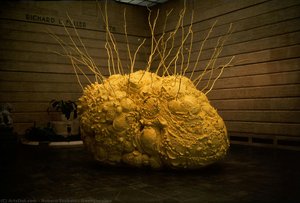
Noboru Tsubaki
1953 - , Japón
Datos clave
- Artistic Movement Or Style: Post-Mono-ha
- Artists Who Influenced This Artist: ['Mono-ha']
- Date Of Birth: 1953
- Full Name: Noboru Tsubaki
- Nationality: Japanese
- Notable Artworks: ['Untitled']
- Place Of Birth: Kyoto, Japan