

 Ver en contexto
 Enviar
 Compartir
 Detalles

 Descargar
 Similares
 Radiografía
 Presentación de diapositivas
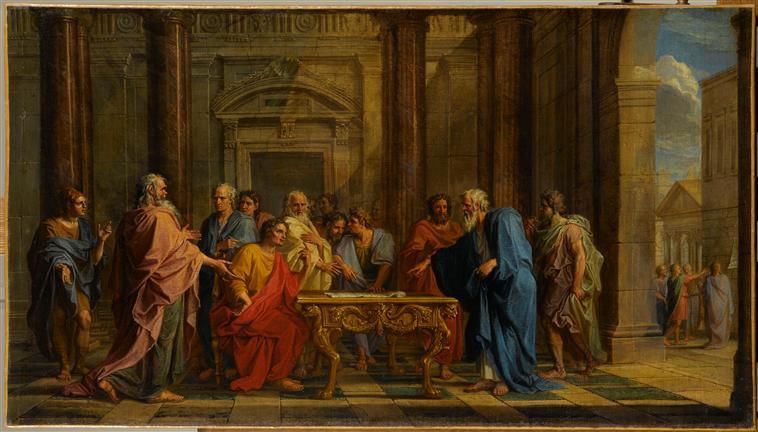
SOLON SOUTENANT LA JUSTICE DE SES LOIS CONTRE LES OBJECTIONS DES ATHENIENS


 Ver más
Giclée / Impresión de arte
Impresiones giclée o en lienzo de calidad de museo con producción rápida y opciones de acabado flexibles. ( Comprar pintura hecha a mano Comprar imagen)




P118B $10

P118H $10

P118W $10

P438Z $10

P508JH $12

P508YH $12

P805H $10

P805Z $10

P919BZ $10

P919G $10

P919XJ $10

P959ZH $10

P968JZ $12

W106C $8

W218G $10

W218JH $8

W218Y $10

W307PJ $10

W316G $10

W316PJ $8

W316Y $10

W398PJ $8

W4111J $10

W500HY $15

W500JH $15

W692G $12

W849H $8

W940BG $15

W953PJ $8




Elija entre nuestros tamaños predefinidos que respetan las proporciones originales de la obra.

Puede introducir sus propias dimensiones para adaptarse a un marco o espacio específico. Si el tamaño seleccionado no coincide con las proporciones de la imagen original, recortaremos la obra de arte o extenderemos la imagen con un borde con efecto espejo o de color sólido. Se enviará una maqueta digital para su aprobación antes de que comience la producción.
Tenga en cuenta que la vista previa en pantalla no refleja el recorte o la extensión real. Solo la maqueta mostrará con precisión la composición final.
Aunque existen tamaños personalizados, recomendamos seleccionar una dimensión de la lista predefinida para preservar las proporciones originales.
Envío a todo el mundo () en 2 semanas en lugar de las 4/5 semanas estándar. (30 agosto)

Envío exprés gratuito a todo el mundo

Lienzo de lino de alta calidad

Seguro de envío total

Garantía de reembolso de impuestos aduaneros

Garantía de fidelidad cromática exacta

Política de devolución de 60 días (solo por defectos)

Garantía de devolución del 100% del dinero

Descuento por cantidad
 La opción de vidrio solo está disponible en tamaños inferiores a 110 cm.

SOLON SOUTENANT LA JUSTICE DE SES LOIS CONTRE LES OBJECTIONS DES ATHENIENS
Giclée / Impresión de arte
Dimensiones de la reproducción
-


Precio total final
$ 62
Solon’s Steadfast Defense: A Window into Athenian Justice
Noël Nicolas Coypel's "Solon Soutenant la Justice de Ses Lois Contre les Objections des Athéniens" is more than a mere historical painting; it’s a vibrant tableau of intellectual confrontation, a carefully constructed argument rendered in the rich hues and dramatic lighting characteristic of 17th-century French Baroque. The scene unfolds within an imagined interior space – likely a public forum or perhaps even a grand courtroom – dominated by the imposing figure of Solon, the legendary Athenian lawgiver, standing resolutely at a table laden with scrolls and tablets. He’s not delivering a fiery speech; rather, his posture exudes quiet authority, a deliberate calm that underscores the weight of his words and the gravity of the debate he's presiding over.
Coypel masterfully employs a pyramidal composition, drawing the viewer’s eye directly to Solon at its apex. The surrounding figures – a diverse group of Athenian citizens, their faces etched with varying degrees of skepticism, curiosity, and outright opposition – are arranged in a carefully orchestrated manner, creating a sense of dynamic tension. Notice how Coypel subtly uses light and shadow to highlight Solon’s figure, emphasizing his importance as the central point of contention. The muted tones of the background contribute to this effect, allowing Solon's form to dominate the visual field.
A Portrait of an Era: Contextualizing Athenian Law
To truly appreciate "Solon Soutenant la Justice de Ses Lois Contre les Objections des Athéniens," one must understand the historical context in which it was created. Solon’s reforms, enacted around 593 BCE, represented a radical shift in Athenian society – a move away from aristocratic privilege and towards a more equitable system of governance. His laws addressed issues of debt, land ownership, and citizenship, fundamentally altering the social fabric of Athens. Coypel's painting captures this pivotal moment, immortalizing Solon’s struggle to defend his progressive ideals against the entrenched interests of the old guard.
The choice of subject matter itself is significant. Athenian democracy was a notoriously volatile system, prone to factionalism and passionate debate. Solon’s role as mediator – a figure tasked with balancing competing viewpoints – highlights the inherent challenges of maintaining order and justice within a democratic society. Coypel doesn't simply depict a legal argument; he portrays the very essence of political discourse, capturing the complexities of persuasion, opposition, and ultimately, compromise.
The Brushstroke and its Meaning: A Baroque Masterpiece
Coypel’s artistic technique is deeply rooted in the traditions of French Baroque painting. His meticulous attention to detail – evident in the rendering of the figures' clothing, the architectural elements of the setting, and even the texture of the scrolls – speaks to his rigorous training under Noël Coypel and Antoine Coypel. The use of *chiaroscuro*—the dramatic contrast between light and shadow—is particularly effective in creating a sense of depth and drama, drawing the viewer into the scene.
The painting’s palette is restrained yet sophisticated, dominated by earthy tones – browns, ochres, and grays – punctuated by flashes of color. This muted approach allows the figures to stand out against the background, while also conveying a sense of solemnity and gravitas. The artist's skill in capturing human expression—the furrowed brows of dissenters, the unwavering gaze of Solon—adds another layer of emotional resonance to the work.
Symbolism and Emotional Resonance
Beyond its historical and artistic merits, "Solon Soutenant la Justice de Ses Lois Contre les Objections des Athéniens" is rich in symbolism. The scrolls represent the laws themselves – the foundation upon which Athenian society was built. Solon’s posture—his hand raised in a gesture of authority—suggests his commitment to upholding justice, even in the face of opposition. The diverse group of Athenians surrounding him symbolizes the varied perspectives within a democratic society, highlighting the challenges of achieving consensus.
Ultimately, Coypel's painting is a powerful meditation on the nature of law, governance, and the enduring struggle for justice. It’s a timeless image that continues to resonate with viewers today, reminding us of the importance of reasoned debate, critical thinking, and the pursuit of a more equitable world. Reproductions of this captivating artwork offer a remarkable opportunity to bring this pivotal moment in Athenian history into your home or office, serving as a constant reminder of the values upon which democratic societies are built.
Obras relacionadas
Biografía del artista
Un Legado Forjado en Luz Clásica: La Vida y el Arte de Noël Nicolas Coypel
Noël Nicolas Coypel, un nombre susurrado a menudo junto al de su venerado predecesor, Nicolas Poussin, fue una figura fundamental en la pintura francesa del siglo XVII. Nacido el 25 de diciembre de 1628, en el corazón de París, el viaje artístico de Coypel no fue uno de aclamo inmediato, sino más bien un ascenso gradual moldeado por el aliento familiar y una profunda inmersión en la tradición clásica. Su padre, aunque también artista, careció de un éxito sustancial, pero le proporcionó a un joven Noël la chispa inicial: una pasión por la pintura que finalmente definiría su vida. Sin embargo, esta exposición temprana resultó ser más que meramente fundacional; infundió en Coypel una determinación no solo de dominar el oficio, sino también de elevar su estatus a través del estudio riguroso y la dedicación.La Formación Temprana y la Influencia de Poussin
Los años formativos de Coypel estuvieron significativamente influenciados por su fascinación con las obras de Nicolas Poussin, una figura imponente cuyo énfasis en el orden, la claridad y la materia clásica resonó profundamente en el joven artista. Esta admiración no fue meramente pasiva; Coypel buscó activamente comprender y emular las técnicas de Poussin, estudiando meticulosamente sus composiciones, paletas de colores y enfoque hacia la forma. Un paso crucial en su desarrollo llegó con su empleo por parte de Charles Errard, un destacado decorador encargado de crear numerosas pinturas para el Palacio del Louvre. Esta comisión proporcionó una experiencia práctica invaluable y permitió a Coypel perfeccionar sus habilidades mientras contribuía a uno de los proyectos artísticos más prestigiosos de Francia. También se benefició de la tutela de Noël Quillerier, otro respetado pintor que refinó aún más su comprensión de los principios clásicos y el equilibrio compositivo.Una Carrera Definida por Roles Institucionales y Grandes Comisiones
La carrera de Coypel se desarrolló con una serie de roles cada vez más prominentes dentro del establecimiento artístico francés. En 1672, fue nombrado director de la prestigiosa Academia Francesa en Roma, un puesto que le concedió cuatro años para sumergirse en el corazón artístico de Europa y cultivar aún más sus sensibilidades clásicas. Este nombramiento no fue simplemente un honor; significó un reconocimiento de su talento y potencial como líder en el mundo del arte. A su regreso a Francia, Coypel ascendió hasta convertirse en director de la Academia de Pintura, donde se dedicó a fomentar a la próxima generación de artistas y a mantener los estándares de excelencia académica. Entre sus logros más celebrados se encuentra su trabajo en proyectos decorativos a gran escala, incluyendo pinturas para el Louvre y otras importantes instituciones parisinas. Su Martirio de San Jacobo en Notre Dame se erige como un testimonio de su maestría sobre los temas clásicos, la composición dramática y la habilidad técnica, una representación poderosa que encapsula la elegancia y la grandeza características de su estilo.Legado Familiar e Impacto Duradero
El nombre Coypel llegó a ser sinónimo de talento artístico, extendiéndose más allá de Noël Nicolas mismo. Sus hijos, Antoine y Noël-Nicolas Coypel, siguieron los pasos de su padre, estableciéndose como pintores consumados y contribuyendo a la continuación del legado familiar. Esta dedicación familiar resalta la importancia de la formación artística dentro del hogar Coypel y la influencia perdurable del ejemplo de Noël Nicolas. Más allá de su prolífico propio trabajo, Coypel desempeñó un papel vital en la configuración de la escena artística francesa durante un período de cambio significativo. Su énfasis en los principios clásicos, combinado con un refinado sentido de la elegancia, dejó una marca indeleble en numerosos artistas que le siguieron. No fue meramente un pintor; fue un maestro, un administrador y un defensor de la excelencia artística cuya influencia continúa sintiéndose hoy. Para explorar la amplitud de su obra, incluyendo obras maestras como El Martirio de San Jacobo, visite recursos como ArtsDot.com, donde espera el descubrimiento de una colección exhaustiva de sus pinturas. Su arte sigue siendo un poderoso recordatorio de la belleza perdurable y el atractivo atemporal de la pintura clásica.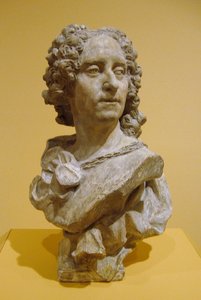
Noël Nicolas Coypel
1628 - 1707 , Francia
Datos clave
- Artistic Movement Or Style: Pintura Clásica
- Artists Who Influenced This Artist: ['Nicolas Poussin']
- Date Of Birth: 25 de diciembre de 1628
- Date Of Death: 1707
- Full Name: Noël Nicolas Coypel
- Nationality: Francés
- Notable Artworks: ['Martirio de San Jacobo']
- Place Of Birth: París, Francia
Artículos relacionados
Embodying the Polis: Civic Virtue as Subject & Symbol in Western Art
Explore the fascinating history of civic virtue in Western art! From ancient Greece to the French Revolution, discover how artists depicted ideals of citizenship, duty & republicanism. Expert analysis at ArtsDot.
El Legado Perenne del Clasicismo: Principios Fundamentales, Evolución e Influencia en el Arte Occidental
Descubre la historia del arte clásico occidental: desde sus orígenes en Grecia y Roma hasta su influencia en el Renacimiento y las corrientes contemporáneas. Análisis experto, artistas clave y obras maestras imperdibles.
The Enduring Legacy of Classical Style: Form, Narrative & Influence in Art
Explore the enduring legacy of classical art – from ancient Greece & Rome to Neoclassicism. Discover key artists, philosophical roots & build a timeless collection with ArtsDot's expert guidance.
The Enduring Echo of Antiquity: Classical Ideals in Art from Renaissance to Modernism
Explore the lasting impact of classical ideals on art from the Renaissance to Modernism. Discover key movements, iconic artists & find museum-quality reproductions at ArtsDot.
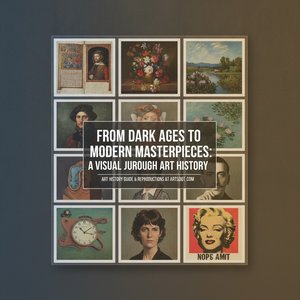
A Journey Through Art History: From the Dark Ages to Modern Masterpieces
Embark on a visual journey through art history, from the timeless ideals of Ancient Greece to the bold innovations of Modernism. Discover how legendary eras shape our aesthetic today and learn to curate your own space with museum-quality masterpieces.

