

 Vista previa
 Compartir
 Compartir
 Ver detalles

 Descargar
 Ver similares
 Radiografía
 Presentación de diapositivas
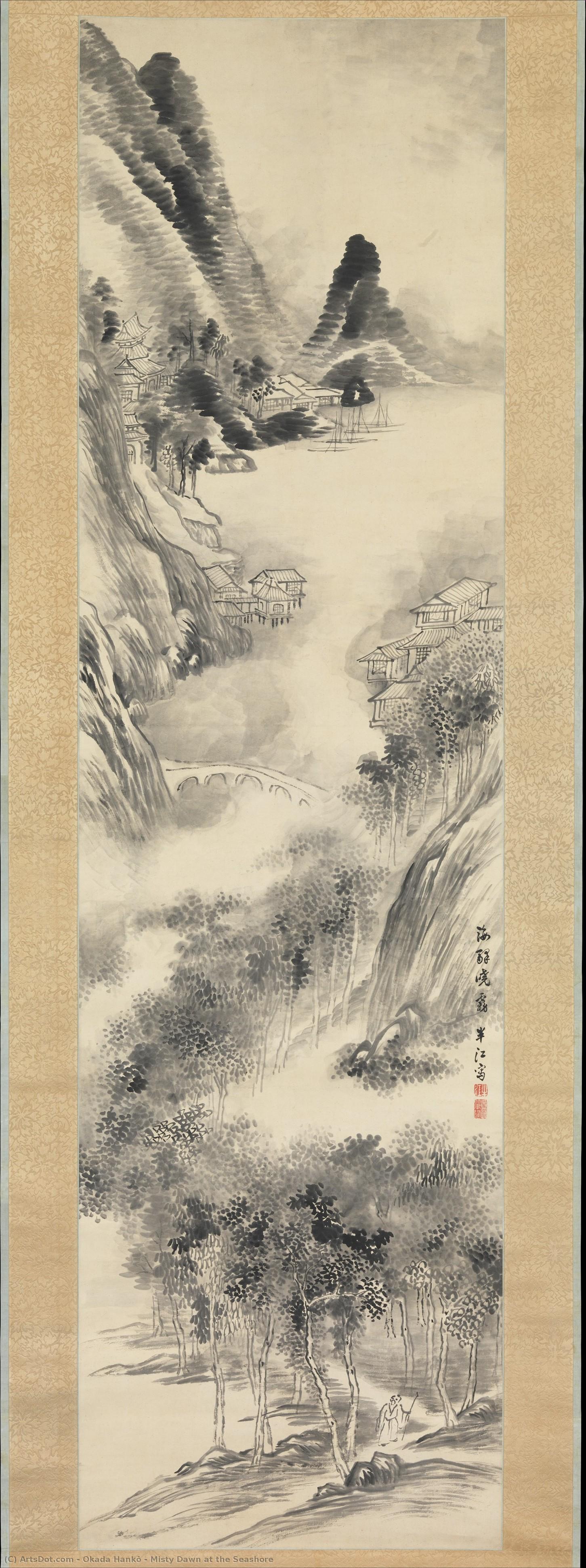
Misty Dawn at the Seashore
 801
801 174.0cm x 48.0cm
 Leer más
Reproducción al óleo hecha a mano
Óleo sobre lienzo pintado a mano en el tamaño y marco de su elección, realizado por encargo por nuestros artistas. ( Pedir impresión Comprar descarga)




































Elija entre nuestros tamaños predefinidos que respetan las proporciones originales de la obra.

Puede ingresar sus propias dimensiones para adaptarse a un marco o espacio específico. Si el tamaño seleccionado no coincide con las proporciones de la imagen original, recortaremos la obra o extenderemos la pintura con elementos adicionales pintados a mano. Se le enviará una maqueta digital para su aprobación antes de comenzar la producción.
Tenga en cuenta que la vista previa en pantalla no refleja el recorte o la extensión reales. Solo la maqueta mostrará con precisión la composición final.
Si bien existen tamaños personalizados, recomendamos seleccionar una dimensión de la lista predefinida para preservar las proporciones originales.
Tras realizar el pedido, el equipo de ArtsDot.com enviará un correo electrónico al cliente para solicitar instrucciones y proporcionarle una vista previa del boceto.
Envío a todo el mundo () en 3-4 semanas en lugar de las 5 semanas estándar. (22 agosto). Sin comprometer la calidad.

Envío exprés gratuito a todo el mundo

Lienzo de lino de alta calidad

Seguro de envío completo

Garantía de reembolso de aranceles aduaneros

Garantía de fidelidad cromática exacta

Política de devolución de 60 días (solo por defectos)

Garantía de devolución del 100% del dinero

Oferta por volumen
 La opción de vidrio solo está disponible en tamaños inferiores a 110 cm.

Misty Dawn at the Seashore
Técnica de reproducción
Tamaño de la reproducción
-


Precio total
$ 263
Descripción de la obra
Obras relacionadas









Biografía del artista
Okada Hankō: A Silent Landscape Painter of Edo Japan
Okada Hankō (岡田 半江, 1782–1846) stands as a testament to the quiet brilliance of Edo-period Nanga painting—a tradition deeply rooted in Chinese literati culture yet uniquely shaped by Japanese sensibilities. Born in Osaka, Hankō’s artistic lineage traced back to his father, Okada Beisanjin, a prominent rice merchant and equally respected Nanga painter who championed individualism within the confines of samurai society. This familial connection instilled a profound appreciation for both commerce and scholarship, informing Hankō's own multifaceted approach to artmaking and life itself. Hankō’s formative years were marked by an upbringing that nurtured artistic inclination. He received rigorous instruction in calligraphy and painting from his father, mastering the foundational skills of brushwork and ink wash—techniques paramount for conveying emotion and capturing subtle nuances within landscapes and scenes of daily life. This early training instilled a deep understanding of compositional principles and tonal harmony—elements that would characterize Hankō’s distinctive artistic style throughout his career. Okada Beisanjin, Hankō's father, served as an unwavering beacon of artistic conviction. His own paintings—bold in execution and imbued with expressive brushstrokes—inspired Hankō to transcend mere replication of Chinese masters and cultivate a singular artistic voice. Beisanjin’s insistence on intellectual engagement alongside artistic prowess mirrored the ethos of Edo-period literati culture—a tradition that valued scholarship as much as creative expression. This influence profoundly shaped Hankō's worldview and fueled his determination to produce art that resonated with both aesthetic beauty and philosophical depth. Unlike many artists of his time who adhered strictly to copying established Chinese prints, Hankō benefited from considerable advantages stemming from his family’s mercantile prosperity. These resources enabled him to procure superior pigments and inks—materials crucial for achieving nuanced tonal variations and textural effects. Consequently, Hankō's work distinguished itself from conventional Nanga styles through its innovative use of color palettes and subtle layering techniques—demonstrating a willingness to experiment beyond established conventions. Hankō’s artistic output encompassed a remarkable spectrum of subjects, reflecting the cultural preoccupations prevalent during his lifetime. He achieved particular renown for depicting serene landscapes—particularly misty dawns at the seashore—where he skillfully employed delicate brushwork and muted hues to evoke feelings of tranquil contemplation and spiritual resonance. These paintings weren't merely representations of scenery; they were imbued with symbolic meaning, conveying ideas about harmony between humanity and nature—a core tenet of Confucian philosophy that profoundly shaped Edo-period artistic sensibilities. Furthermore, Hankō produced evocative depictions of festivals held on mountains, capturing vibrant colors and dynamic compositions that conveyed a sense of joyous celebration and communal spirit. Hankō’s technique was characterized by meticulous attention to detail and masterful control over ink wash—a hallmark of Nanga painting's commitment to achieving consummate artistic skill. He achieved remarkable tonal variations by layering thin washes of ink with painstaking precision, creating depth and luminescence that captivated viewers. This approach demanded considerable patience and discipline—reflecting the values upheld by Edo-period literati who viewed artmaking as a path toward moral refinement and intellectual enlightenment. Hankō’s legacy extends beyond stylistic innovation; he embodies the spirit of a generation that sought to elevate artmaking into a noble pursuit—one aligned with moral virtue and intellectual contemplation. His paintings continue to resonate today, offering glimpses into the aesthetic sensibilities of Edo Japan and reminding us of the power of art to inspire awe and foster reflection. As evidenced by pieces like “Letter Enclosing Flowers” and “Autumn Festival on a Mountain,” Hankō’s enduring influence underscores the importance of artistic integrity and the pursuit of excellence—values that remain relevant across centuries.
Okada Hankō
1782 - 1846 , Japón
Datos clave
- Artistic Movement Or Style: Nanga pintura
- Artists Or Movements Influenced By This Artist: ['Literatura china']
- Artists Who Influenced This Artist: ['Okada Beisanjin']
- Date Of Birth: Osaka, Japón (1782)
- Full Name: Okada Hankō
- Nationality: Japonés
- Notable Artworks:
- Carta Envolviendo Flores
- Amanecer Nebuloso en la Costa
- Festival Otoñal en Montaña
- Place Of Birth: Osaka

