

 Ver en contexto
 Enviar
 Compartir
 Detalles

 Descargar
 Similares
 Radiografía
 Presentación de diapositivas
 Estadísticas
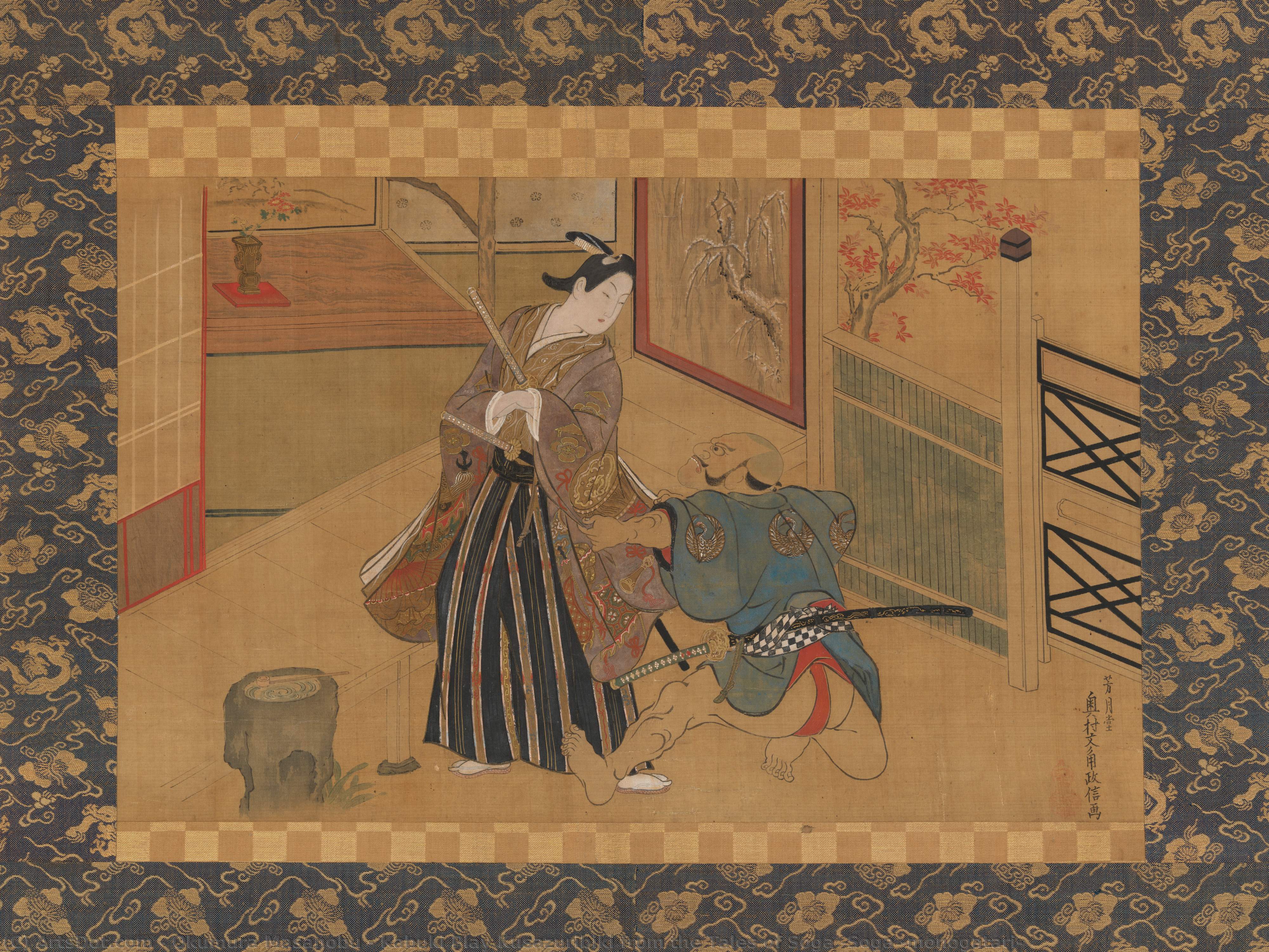
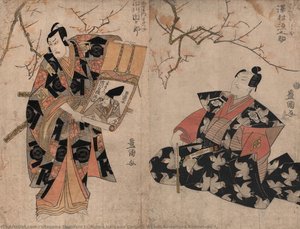
Kabuki Play Kusazuribiki from the Tales of Soga (Soga monogatari)


 Ver más
Reproducción al óleo hecha a mano
Óleo sobre lienzo pintado a mano en el tamaño y marco de su elección, realizado por encargo por nuestros artistas. ( Cambiar a Impresión Cambiar a imagen digital)




































Elija entre nuestros tamaños predefinidos que respetan las proporciones originales de la obra.

Puede ingresar sus propias dimensiones para adaptarse a un marco o espacio específico. Si el tamaño seleccionado no coincide con las proporciones de la imagen original, recortaremos la obra o extenderemos la pintura con elementos adicionales pintados a mano. Se le enviará una maqueta digital para su aprobación antes de comenzar la producción.
Tenga en cuenta que la vista previa en pantalla no refleja el recorte o la extensión reales. Solo la maqueta mostrará con precisión la composición final.
Si bien existen tamaños personalizados, recomendamos seleccionar una dimensión de la lista predefinida para preservar las proporciones originales.
Tras realizar el pedido, el equipo de ArtsDot.com enviará un correo electrónico al cliente para solicitar instrucciones y proporcionarle una vista previa del boceto.
Envío a todo el mundo () en 3-4 semanas en lugar de las 5 semanas estándar. (9 septiembre). Sin comprometer la calidad.

Envío exprés gratuito a todo el mundo

Lienzo de lino de alta calidad

Seguro de envío total

Garantía de reembolso de impuestos aduaneros

Garantía de fidelidad cromática exacta

Política de devolución de 100 días (solo por defectos)

Garantía de devolución del 100% del dinero

Descuento por cantidad
 La opción de vidrio solo está disponible en tamaños inferiores a 110 cm.

Kabuki Play Kusazuribiki from the Tales of Soga (Soga monogatari)
Técnica de reproducción
Dimensiones de la reproducción
-


Precio total final
$ 288
Obras relacionadas
Biografía del artista
Okumura Masanobu: The Pioneer of Tan-e and Comic Albums
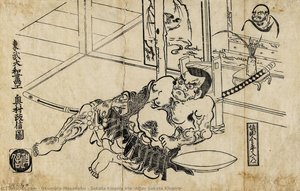
Okumura Masanobu (奥村 政信) stands as a pivotal figure in the history of Japanese art, specifically within the vibrant realm of ukiyo-e printmaking. Born around 1686 in Edo (modern Tokyo), he emerged from relative obscurity to become one of the most prolific and innovative artists of his era—a time marked by significant social and cultural transformations under Tokugawa rule. Unlike many of his contemporaries who adhered rigidly to established artistic schools, Masanobu possessed a remarkable autodidactic spirit, absorbing knowledge and techniques primarily through observation and experimentation. This unconventional approach would ultimately propel him to the forefront of stylistic innovation and cemented his legacy as a master craftsman.- Early Influences: Masanobu’s formative years were deeply impacted by the teachings of Torii Kiyonobu I and Torii Kiyomasa, artists who championed the torii school—a style characterized by delicate linework and subtle tonal gradations. However, Masanobu swiftly transcended these conventions, forging his own distinctive path that would soon redefine ukiyo-e aesthetics.
- The Birth of Tan-e: Perhaps most famously recognized for his pioneering contribution to *tan-e* (“thick-line printing”), Masanobu revolutionized printmaking by employing a bold technique—a deliberate rejection of the prevailing thin-lined style—that utilized thick black lines to create dramatic visual impact. This stylistic choice wasn’t merely aesthetic; it reflected a broader shift towards capturing movement and dynamism, mirroring the spirit of Kabuki theatre and embodying a fascination with portraying human figures in motion.
- Illustrator Extraordinaire: Masanobu's prolific output extended beyond *tan-e*, encompassing an astonishing array of subjects—actors, courtesans, landscapes, mythological scenes—each rendered with meticulous detail and imbued with expressive emotion. He collaborated extensively with playwrights like Hanabusa Itchō, adapting literary narratives into captivating visual representations that captivated audiences and established Masanobu as a dominant force in the theatrical arts.
- The Tale of Genji: His magnum opus remains undoubtedly the monumental illustrated adaptation of Murasaki Shikibu’s *The Tale of Genji*, comprising eighteen volumes—a feat of artistic ambition and scholarly erudition. Masanobu's masterful execution captured the essence of the narrative, conveying its psychological depth and emotional resonance through exquisitely crafted prints that continue to inspire admiration today.
A Revolutionary Approach to Printmaking
Masanobu’s embrace of *tan-e* represented a radical departure from established artistic norms—a conscious decision to prioritize visual impact over stylistic refinement. This bold technique demanded considerable skill and precision, requiring printmakers to meticulously control the thickness and distribution of black ink on paper. Furthermore, Masanobu's innovative use of *habahiro hashira-e*, large vertical prints that utilized multiple woodblocks to achieve unprecedented scale and grandeur, pushed the boundaries of printmaking technology and established him as a visionary innovator. His experimentation with color printing—particularly utilizing brass powder to create a luminous lacquer effect—further solidified his position as a pioneer in artistic technique.Beyond Technique: Capturing Emotion and Movement
What truly distinguished Masanobu’s work was not merely his mastery of printmaking techniques but also his ability to convey emotion and dynamism—qualities that resonated deeply with audiences during the Edo period. His prints frequently depicted actors engaged in theatrical performances, capturing their gestures and expressions with remarkable accuracy. Moreover, Masanobu's fascination with landscapes—particularly depictions of Mount Kurama—revealed a sensitivity to natural beauty and an appreciation for conveying serene contemplation. He skillfully utilized linework and tonal gradations to evoke mood and atmosphere, creating images that transcended mere representation and achieved profound artistic expression.Legacy and Influence
Okumura Masanobu’s influence extends far beyond his own lifetime—his stylistic innovations continue to inspire artists today. His pioneering use of *tan-e* established a new aesthetic standard, while his monumental adaptation of *The Tale of Genji* remains a testament to the transformative power of visual storytelling. Moreover, Masanobu's legacy is embodied in the enduring popularity of *habahiro hashira-e*, which continues to captivate collectors and scholars alike. He stands as an exemplar of artistic creativity—a self-taught innovator who reshaped ukiyo-e art history and secured his place among Japan’s most celebrated artists.Notable Works
- The Courier Kantan dreaming of Himself as a Daimyo
- Young Man Dressed as Mendicant Monk
- Saigyo Hoshi
- Standing Courtesan
Okumura Masanobu
1686 - 1764 , Japón
Datos clave
- Artistic Movement Or Style: Ukiyo-e, Tan-e Style
- Artists Or Movements Influenced By This Artist:
- Toba-e
- Hanabusa Itchō
- Artists Who Influenced This Artist:
- Torii Kiyonobu I
- Hishikawa Moronobu
- Date Of Birth: 1686
- Date Of Death: 1764
- Full Name: Okumura Masanobu
- Nationality: Japanese
- Notable Artworks:
- The Courier Kantan dreaming of Himself as a Daimyo
- Young Man Dressed as Mendicant Monk
- Saigyo Hoshi
- Standing Courtesan
- Place Of Birth: Tokyo
Artículos relacionados
Suzuki Harunobu: Pioneering Ukiyo-e & the Refinement of Edo Period Printmaking
Discover the revolutionary world of Suzuki Harunobu, a pioneer of ukiyo-e printmaking. Explore his exquisite nishiki-e techniques, diverse subjects & lasting impact on Japanese art history. Learn more at ArtsDot.
Floating World: The Captivating Art and Legacy of Japanese Ukiyo-e
Explore the profound beauty of Japanese Ukiyo-e. Discover the history, masters like Hokusai, and the enduring legacy of the 'Floating World' through an expert art-historical lens.
Tōshūsai Sharaku: A Fleeting Glimpse into Edo Period Kabuki – Life, Art, and the Enigma of a Ukiyo-e Master
Explore the captivating world of Tōshūsai Sharaku, the enigmatic Edo period ukiyo-e master. Discover his iconic Kabuki actor portraits and unravel the mystery behind this fleeting artistic genius. Learn about his unique style & lasting legacy.

Katsushika Hokusai: Las 25 Obras Maestras del Ukiyo-e que Transformaron el Arte Japonés | ArtsDot
Descubre las 25 obras maestras de Katsushika Hokusai, el genio del ukiyo-e. Explora 'La Gran Ola', paisajes japoneses y su impacto en el arte moderno. Reproducciones de alta calidad para tu hogar en ArtsDot.com.
Ukiyo-e: Un Viaje al Corazón del Mundo Flotante Japonés y su Legado Artístico
Descubre el fascinante mundo del Ukiyo-e, el arte japonés del Período Edo. Explora las técnicas de grabado, los maestros Hokusai y Hiroshige, y su legado perdurable. ¡Un viaje cultural inolvidable!