 Enviar
 Compartir
 Detalles

 Descargar
 Similares
 Presentación de diapositivas
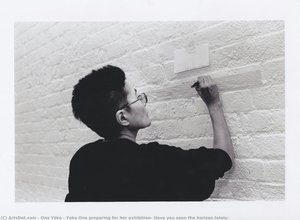
Have you seen the horizon lately? Exhibition invite


 Ver más
Reproducción al óleo hecha a mano
Óleo sobre lienzo pintado a mano en el tamaño y marco de su elección, realizado por encargo por nuestros artistas. ( Comprar impresión Comprar imagen)




































Elija entre nuestros tamaños predefinidos que respetan las proporciones originales de la obra.

Puede ingresar sus propias dimensiones para adaptarse a un marco o espacio específico. Si el tamaño seleccionado no coincide con las proporciones de la imagen original, recortaremos la obra o extenderemos la pintura con elementos adicionales pintados a mano. Se le enviará una maqueta digital para su aprobación antes de comenzar la producción.
Tenga en cuenta que la vista previa en pantalla no refleja el recorte o la extensión reales. Solo la maqueta mostrará con precisión la composición final.
Si bien existen tamaños personalizados, recomendamos seleccionar una dimensión de la lista predefinida para preservar las proporciones originales.
Tras realizar el pedido, el equipo de ArtsDot.com enviará un correo electrónico al cliente para solicitar instrucciones y proporcionarle una vista previa del boceto.
Envío a todo el mundo () en 3-4 semanas en lugar de las 5 semanas estándar. (1 septiembre). Sin comprometer la calidad.

Envío exprés gratuito a todo el mundo

Lienzo de lino de alta calidad

Seguro de envío total

Garantía de reembolso de impuestos aduaneros

Garantía de fidelidad cromática exacta

Política de devolución de 60 días (solo por defectos)

Garantía de devolución del 100% del dinero

Descuento por cantidad
 La opción de vidrio solo está disponible en tamaños inferiores a 110 cm.

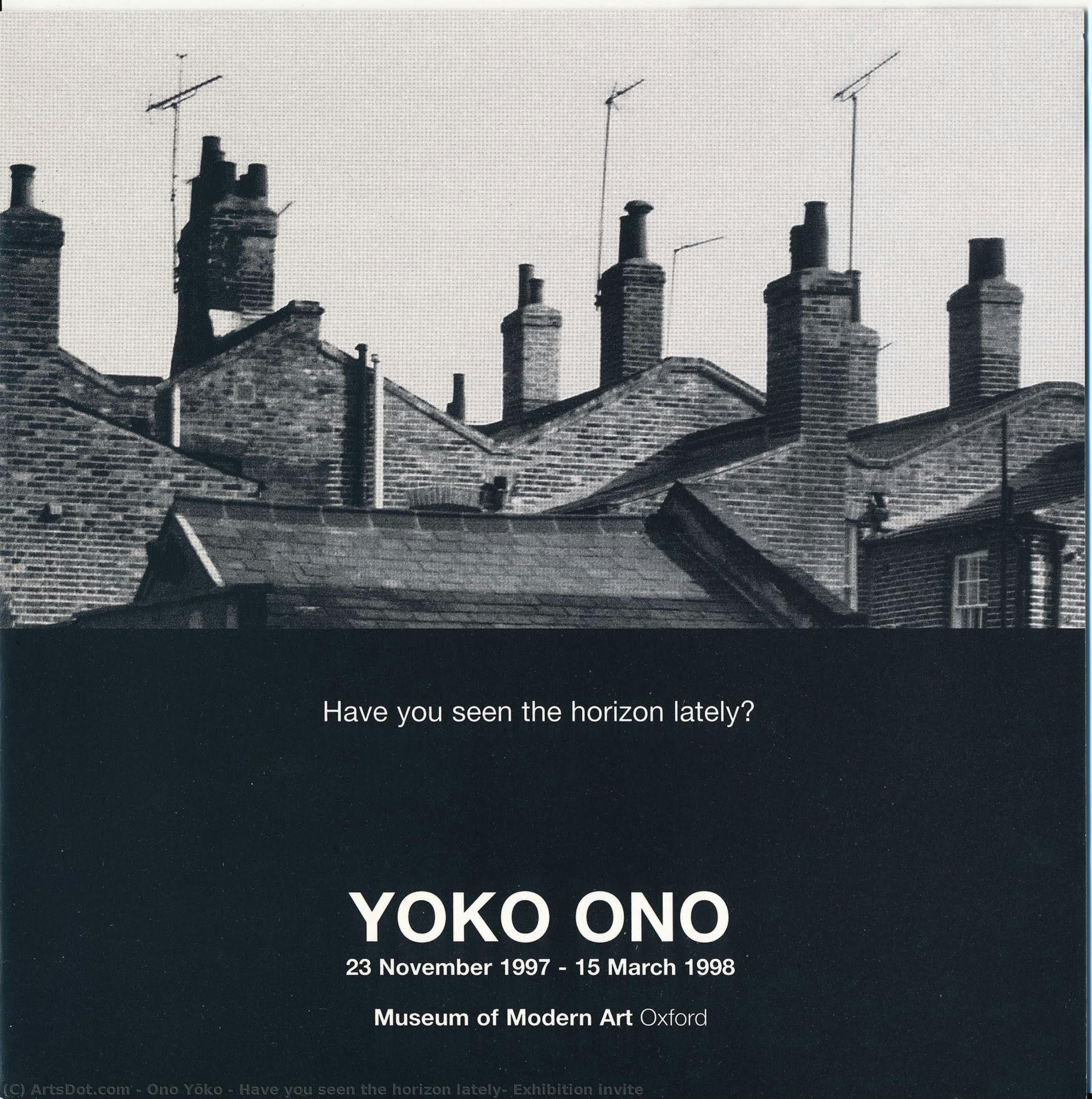
Have you seen the horizon lately? Exhibition invite
Técnica de reproducción
Dimensiones de la reproducción
-


Precio total final
$ 263
A Visionary Gaze: The Poetics of Perspective
In the quiet, monochrome depths of Yoko Ono’s "Have you seen the horizon lately?", we encounter more than just an exhibition invitation; we enter a profound meditation on awareness and the unseen. This striking black and white work presents a cityscape defined by the rhythmic, vertical ascent of chimneys rising from a sea of rooftops. The composition is masterfully balanced, utilizing a wide panoramic view that pits the heavy, horizontal expanse of urban architecture against the singular, upward thrust of industrial silhouettes. It is a piece that demands a pause, inviting the viewer to shift their gaze from the immediate foreground to the distant, hazy edges of the frame, much like the artist herself invites us to reconsider our place within the world.
The technical execution of this work relies on the subtle power of tonal gradation. Eschewing the distraction of vibrant color, the monochrome palette focuses the eye on the interplay of light and shadow across the textured brickwork and slate. The lighting is soft and diffused, casting a gentle veil over the urban landscape that softens harsh edges and imbues the scene with an atmosphere of quiet observation. This restraint in technique mirrors the contemplative nature of Ono’s broader oeuvre, where the absence of noise allows for a deeper resonance of thought and feeling.
Symbolism and the Industrial Soul
Beyond its aesthetic beauty, the artwork serves as a potent vessel for symbolism. The chimneys, standing like sentinels over the rooftops, act as dual emblems of human achievement and environmental fragility. They represent the relentless march of industrial progress, yet their stark presence against the sky also whispers of potential degradation and the encroaching shadows of modernity. This tension is perfectly encapsulated in the evocative title, "Have you seen the horizon lately?"—a question that functions as both a gentle nudge and a subtle rebellion against the complacency of modern life. It challenges us to look past the familiar structures of our daily existence and seek out the boundaries where the earth meets the infinite.
For the collector or the interior designer, this piece offers a sophisticated layer of intellectual depth. It is not merely a decorative element but a conversation starter that brings a sense of historical weight and philosophical inquiry into a space. The geometric precision of the chimneys and the rhythmic repetition of the rooftops provide a structured, calming visual anchor, while the underlying themes of environmental consciousness and social awareness ensure the work remains profoundly relevant in our contemporary era.
A Legacy of Quiet Rebellion
To understand this work is to understand the spirit of Yoko Ono herself. Emerging from the avant-garde movements of the late 1960s and early 1970s, Ono’s art has always been a bridge between the conceptual and the deeply personal. This piece, captured during her landmark 1997 exhibition at Modern Art Oxford, reflects her lifelong commitment to peace, activism, and the exploration of consciousness. It embodies the essence of the Fluxus movement—challenging established aesthetic conventions by finding profound meaning in the mundane and the overlooked.
Owning a high-quality reproduction of this work means bringing a piece of art history into one's home—a piece that celebrates the beauty of the industrial landscape while urging a more mindful engagement with our surroundings. It is an invitation to look closer, to breathe deeper, and to never stop searching for the horizon.
Obras relacionadas


Biografía del artista
Yoko Ono: Vida y Legado
Primeros Años y Comienzos Artísticos
- Nacida en Tokio, Japón en 1933, Yoko Ono experimentó una crianza privilegiada dentro de una familia aristocrática.
- Su vida temprana fue interrumpida por la Segunda Guerra Mundial, lo que llevó a su traslado y a dificultades. Esta experiencia moldeó profundamente su visión del mundo y su posterior expresión artística.
- Ono comenzó a estudiar piano a una edad temprana y demostró un talento temprano para los esfuerzos creativos.
- En 1952, se mudó con su familia a la ciudad de Nueva York, donde continuó su educación, inicialmente en la Universidad Sarah Lawrence.
Desarrollo Artístico e Influencias
- Ono rápidamente se sumergió en el vibrante panorama artístico del centro de 1960s en Nueva York.
- Se asoció con el movimiento Fluxus, un grupo vanguardista radical que desafió los límites artísticos tradicionales.
- Las influencias clave durante este período incluyeron compositores como John Cage y artistas como La Monte Young, quienes enfatizaron la experimentación y los enfoques conceptuales para el arte.
- Sus primeras obras a menudo involucraban piezas de actuación y eventos, que empujaban los límites de lo que constituía “arte”. Estas se caracterizaban por la participación del público y un enfoque en las ideas más que en la estética tradicional.
Contribuciones Artísticas Principales
- La obra de Ono abarca múltiples disciplinas, incluyendo el arte conceptual, el arte performativo, la música, el cine y el activismo por la paz.
- Sus piezas instructivas, a menudo presentadas como indicaciones escritas o partituras, invitaban al público a participar activamente en la creación de la obra de arte. Ejemplos incluyen “Grapefruit”, una colección de tales instrucciones.
- Instalaciones como “Liverpool Skyladders” demuestran su compromiso con la creación de obras de arte públicas que interactúan con el espacio y la comunidad.
- La serie Wish Tree, donde los visitantes escriben deseos en etiquetas y las atan a ramas, encarna temas de esperanza, paz e intención colectiva.
Colaboración con John Lennon y Carrera Musical
- La relación de Ono con John Lennon, que comenzó en 1966, impactó significativamente sus vidas y carreras artísticas.
- Su matrimonio en 1969 atrajo una atención mediática considerable e impulsó la controversia.
- Juntos utilizaron su plataforma para abogar por la paz, organizando protestas contra la Guerra de Vietnam, incluyendo sus famosos “Bed-Ins for Peace”.
- Formaron la Plastic Ono Band, lanzando álbumes aclamados críticamente como “Wedding Album” y “Double Fantasy”, que ganaron un Premio Grammy al Álbum del Año en 1980.
Legado e Importancia Histórica
- Tras la trágica muerte de John Lennon en 1980, Ono se dedicó a preservar su legado a través de iniciativas como Strawberry Fields en Central Park y la Torre Imagine Peace en Islandia.
- Continúa creando arte y abogando por la paz, la sostenibilidad ambiental y los derechos humanos.
- La obra pionera de Ono ha influido profundamente en las generaciones de artistas en diversas disciplinas.
- Su énfasis en el conceptualismo, la participación del público y el compromiso social sigue siendo altamente relevante para la práctica artística contemporánea.
- Se reconoce como una figura fundacional que desafió las normas artísticas convencionales y utilizó su plataforma para promover el cambio positivo.

ono yōko
1933 - , Japan
Datos clave
- Artistic Movement Or Style: Arte Conceptual, Fluxus
- Artists Or Movements Influenced By This Artist: ['Performance Art']
- Artists Who Influenced This Artist:
- John Cage
- La Monte Young
- Date Of Birth: 18 febrero 1933
- Full Name: Yoko Ono Lennon
- Nationality: Japonesa
- Notable Artworks:
- Grapefruit
- Liverpool Skyladders
- Wish Tree
- Place Of Birth: Tokio, Japón
Artículos relacionados

Giclée Prints: Archival Quality & Aesthetic Nuances for the Discerning Collector
Explore the world of giclée prints with ArtsDot. Learn about archival quality, aesthetic nuances & investment potential. Expert guidance for discerning art collectors seeking museum-quality reproductions and lasting value.

Las 10 Pinturas Más Famosas Dominadas por el Negro | Arte y Decoración
Descubre las 10 pinturas más impactantes dominadas por el negro. Explora obras maestras de Rembrandt, Goya y Rothko, su historia y significado. Encuentra reproducciones de arte exclusivas para transformar tu hogar en .

The Enduring Legacy of Fine Art Prints: Technique, History & Aesthetic Impact
Explore the rich history & techniques of fine art prints. Discover investment potential, assess authenticity, and learn how to preserve your collection with expert guidance. Trusted insights for discerning collectors.

Echoes of Time: Exploring the Enduring Appeal & Historical Context of Vintage Art Prints
Explore the captivating world of vintage art prints! Discover their history, collecting tips & enduring appeal. Expert insights on chromolithography and building a legacy collection with ArtsDot.

The Enduring Legacy of Printmaking: Techniques, Themes & Artistic Innovation Across Centuries
Explore the rich history of printmaking with ArtsDot. Discover techniques from intaglio to lithography, learn about collecting valuable prints & find museum-quality reproductions. Expert insights for art enthusiasts and collectors.