 Ver en contexto
 Enviar
 Compartir
 Detalles

 Descargar
 Similares
 Radiografía
 Presentación de diapositivas
 Estadísticas
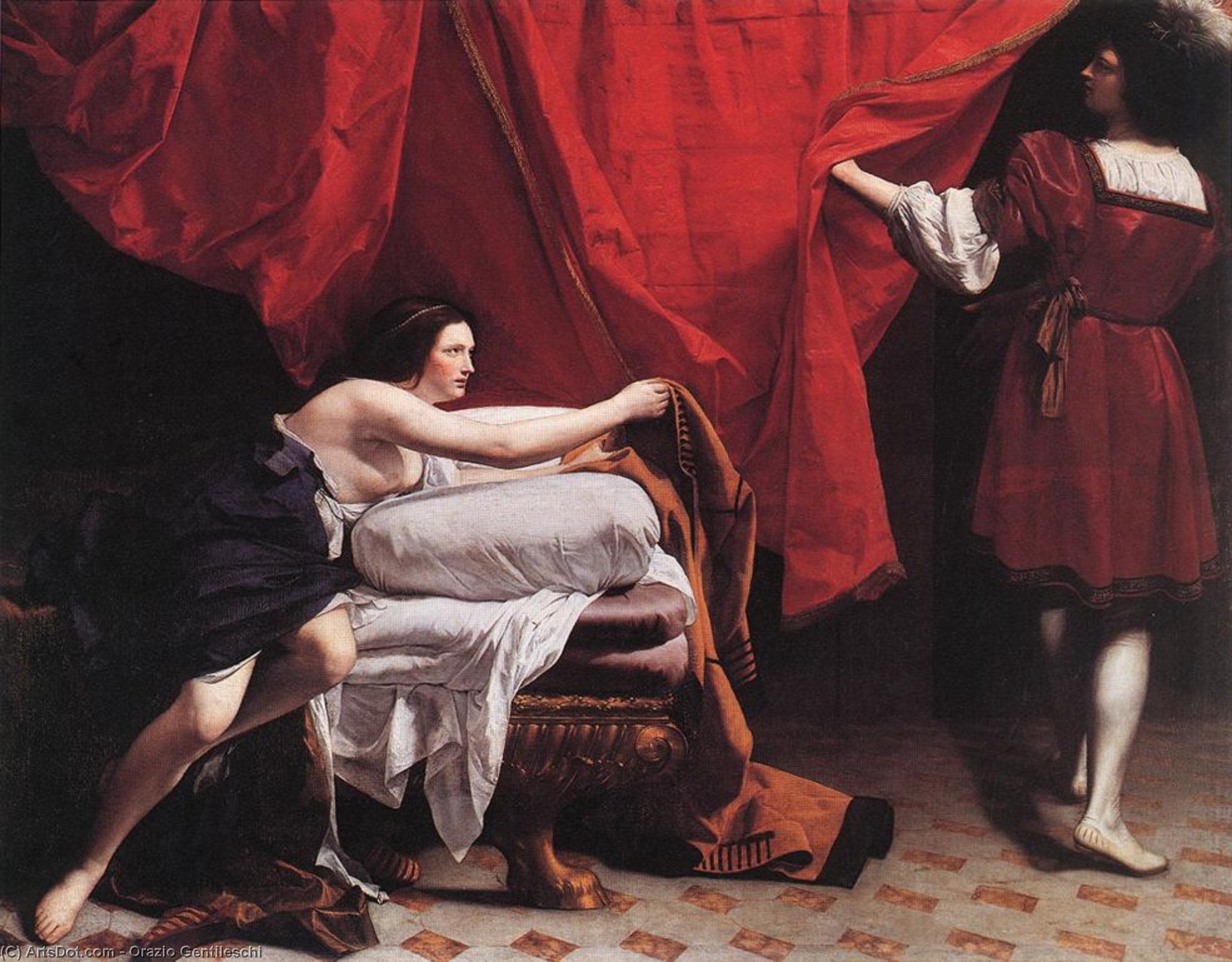
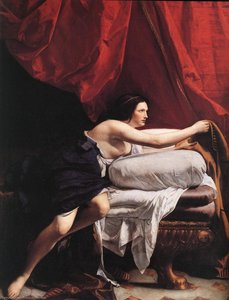
Joseph and Potiphar's Wife
 Oil On Canvas
- WallArt
- Baroque
 1626
1626- Early Modern
 204.0 x 261.0 cm
 Colección Real
 Ver más
Reproducción al óleo hecha a mano
Óleo sobre lienzo pintado a mano en el tamaño y marco de su elección, realizado por encargo por nuestros artistas. ( Cambiar a Impresión Cambiar a imagen digital)




P118B $10

P118H $10

P118W $10

P438Z $10

P508JH $12

P508YH $12

P805H $10

P805Z $10

P919BZ $10

P919G $10

P919XJ $10

P959ZH $10

P968JZ $12

W106C $8

W218G $10

W218JH $8

W218Y $10

W307PJ $10

W316G $10

W316PJ $8

W316Y $10

W398PJ $8

W4111J $10

W500HY $15

W500JH $15

W692G $12

W849H $8

W940BG $15

W953PJ $8




Elija entre nuestros tamaños predefinidos que respetan las proporciones originales de la obra.

Puede ingresar sus propias dimensiones para adaptarse a un marco o espacio específico. Si el tamaño seleccionado no coincide con las proporciones de la imagen original, recortaremos la obra o extenderemos la pintura con elementos adicionales pintados a mano. Se le enviará una maqueta digital para su aprobación antes de comenzar la producción.
Tenga en cuenta que la vista previa en pantalla no refleja el recorte o la extensión reales. Solo la maqueta mostrará con precisión la composición final.
Si bien existen tamaños personalizados, recomendamos seleccionar una dimensión de la lista predefinida para preservar las proporciones originales.
Tras realizar el pedido, el equipo de ArtsDot.com enviará un correo electrónico al cliente para solicitar instrucciones y proporcionarle una vista previa del boceto.
Envío a todo el mundo () en 3-4 semanas en lugar de las 5 semanas estándar. (10 septiembre). Sin comprometer la calidad.

Envío exprés gratuito a todo el mundo

Lienzo de lino de alta calidad

Seguro de envío total

Garantía de reembolso de impuestos aduaneros

Garantía de fidelidad cromática exacta

Política de devolución de 100 días (solo por defectos)

Garantía de devolución del 100% del dinero

Descuento por cantidad
 La opción de vidrio solo está disponible en tamaños inferiores a 110 cm.

Joseph and Potiphar's Wife
Técnica de reproducción
Dimensiones de la reproducción
-


Precio total final
$ 263
Orazio Gentileschi’s Joseph and Potiphar's Wife: A Study in Dramatic Narrative
The painting “Joseph and Potiphar’s Wife,” completed in 1626 by Orazio Gentileschi, stands as a testament to the burgeoning Baroque aesthetic—a stylistic shift away from the stylized elegance of Mannerism toward a visceral engagement with emotion and naturalistic observation. Executed during a period marked by significant artistic experimentation and fueled by Caravaggio's revolutionary approach to illumination and composition, Gentileschi’s masterpiece captures a pivotal moment from biblical lore, transforming it into a compelling visual drama that resonates with timeless themes of desire, betrayal, and divine providence.Subject Matter and Narrative Tension
The scene depicts Joseph—a young Hebrew servant entrusted by Potiphar, Pharaoh's steward—and his wife Zipporah, caught in the throes of illicit attraction. Gentileschi skillfully portrays the tension between their clandestine rendezvous and the watchful gaze of Potiphar’s wife, whose hand instinctively reaches for a curtain concealing her face – an action laden with unspoken emotion and hinting at the perilous consequences of transgression. The artist doesn't merely depict the narrative; he inhabits it, conveying the psychological complexities inherent in human relationships and highlighting the vulnerability exposed by secrecy. This deliberate choice to focus on internal states rather than external actions aligns perfectly with Caravaggio’s influence, prioritizing dramatic lighting and expressive gestures over idealized beauty.Technique and Artistic Innovation
Gentileschi's mastery of chiaroscuro—the interplay between light and shadow—is evident throughout the canvas. Like Caravaggio before him, he employs a technique that emphasizes stark contrasts to heighten emotional impact and create an illusionistic depth that draws the viewer into the scene. The meticulous rendering of textures – from the smooth sheen of Potiphar’s bed linen to the subtle folds of Zipporah's dress – demonstrates Gentileschi’s dedication to anatomical accuracy and his commitment to portraying figures with palpable realism. Furthermore, the artist utilizes a palette dominated by warm hues—primarily reds and yellows—to imbue the painting with an aura of passion and urgency, mirroring the fervor of the Baroque period itself.Historical Context and Symbolic Resonance
Painted during the reign of Charles I in England, “Joseph and Potiphar’s Wife” reflects the broader artistic currents circulating across Europe at the time. The Baroque movement championed theatricality and emotional intensity as responses to the Reformation's challenge to traditional religious dogma. Gentileschi’s depiction of biblical narrative aligns with this trend, exploring moral dilemmas and portraying human characters grappling with profound spiritual struggles. The curtain concealing Zipporah’s face serves as a potent symbol of concealment and shame—a visual representation of the guilt associated with forbidden desire. Simultaneously, it underscores the importance of inner reflection and invites contemplation on themes of morality and divine judgment.Emotional Impact and Artistic Legacy
“Joseph and Potiphar's Wife” transcends its biblical subject matter to evoke a powerful emotional response in the viewer. Gentileschi’s masterful use of light and shadow creates an atmosphere of suspense and intrigue, capturing the palpable anxiety experienced by those involved. The painting’s expressive gestures—particularly Zipporah’s hand movement—communicate unspoken emotion with remarkable precision. As a cornerstone of Baroque art, Gentileschi's work continues to inspire artists and collectors alike, cementing its place as a landmark achievement in European painting history. Its enduring appeal lies not only in its technical brilliance but also in its ability to convey universal human experiences – desire, fear, and the inescapable consequences of moral choices—themes that resonate powerfully across centuries.Obras relacionadas


Biografía del artista
Primeros Años y Formación
- Nacido: Toscana, Italia (1563)
- Fallecido: 1639
- Orazio Gentileschi comenzó su carrera en Roma, pintando en un estilo manierista. Gran parte de su trabajo inicial consistió en pintar figuras dentro de los esquemas decorativos de otros artistas.
- Se formó con el pintor umbro, Cola dell'Amata.
- Gentileschi también se vio influenciado por la obra de Francesco da Sangallo, un destacado arquitecto y escultor de la época.
Estilo Artístico e Influencias
- Su estilo se caracterizó por colores brillantes y composiciones dramáticas.
- Tras 1600, quedó bajo la influencia del estilo más naturalista de Caravaggio, adoptando una nueva sensibilidad.
- Las pinturas de Gentileschi a menudo representaban escenas bíblicas y temas mitológicos.
- Influencias Clave: Manierismo, Caravaggio
Obras Principales y Logros
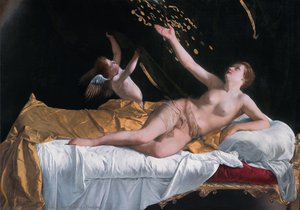
- "Danae": Considerada una de sus obras más importantes, que muestra su habilidad para capturar la esencia de las historias mitológicas.
- "El Anuncio": Se encuentra en la Galleria Borghese en Roma.
- "La Virgen María": También se encuentra en la Galleria Borghese en Roma.
- Sus frescos y mosaicos para iglesias como Santa Maria Maggiore y San Giovanni Laterano demuestran su dominio de la pintura decorativa a gran escala.
Desarrollo y Evolución
- Inicialmente trabajó dentro de un estilo manierista, incorporando gradualmente elementos del naturalismo de Caravaggio.
- Desarrolló una versión más suave y refinada del estilo dramático de Caravaggio, caracterizada por una paleta más clara y detalles precisos.
- Sus obras posteriores muestran un estilo elegante y cortesano, que refleja su patrocinio en las cortes de María de Médici en París y Carlos I en Londres.
Significado Histórico y Legado
- El uso de colores brillantes y composiciones dramáticas por parte de Gentileschi influyó en el desarrollo del arte barroco.
- Fue uno de los primeros practicantes del caravaggismo en Inglaterra, impactando significativamente el panorama artístico allí.
- Su hija, Artemisia Gentileschi, se convirtió en una artista renombrada por derecho propio, continuando su legado y desarrollando aún más la tradición artística familiar.
- Sus obras se encuentran en museos y galerías de todo el mundo, incluyendo la Galería Uffizi en Florencia y la Galería Accademia en Venecia.
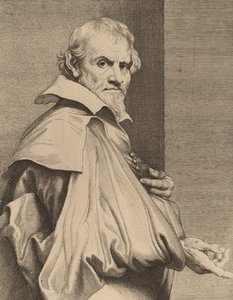
Orazio Gentileschi
1563 - 1639 , Italia
Datos clave
- Artistas Que Influyeron:
- Cola dell'Amata
- Francesco da Sangallo
- Caravaggio
- Fecha De Muerte: 7 de febrero de 1639
- Fecha De Nacimiento: 9 de julio de 1563
- Lugar De Nacimiento: Toscana, Italia
- Movimiento Artístico: Barroco
- Movimientos Influenciados: ['Caravaggismo']
- Nacionalidad: Italiana
- Nombre Completo: Orazio Gentileschi
- Obras Notables:
- Danae
- El Anuncio
- La Virgen María
- Santa Cecilia con un Ángel
Artículos relacionados
Decoding Baroque Grandeur: A Guide to the Drama and Emotion of 17th-Century Art
Explore the breathtaking drama of 17th-century Baroque art. Our expert guide decodes the use of chiaroscuro, emotional intensity, and historical grandeur to help you appreciate and curate timeless masterpieces for your collection.

The Visceral Stage: Exploring Dramatic Narratives & Emotional Intensity in Baroque Art
Explore the dramatic world of Baroque art! Discover iconic masters like Caravaggio & Rembrandt, their techniques, and the movement's lasting impact. Expert insights for collectors & enthusiasts at ArtsDot.
Embrace the Drama: A Guide to Baroque Dynamism and Chiaroscuro for Sophisticated Modern Interiors
Discover how to transform your home with the dramatic elegance of Baroque art. Learn to master chiaroscuro, integrate bold oil reproductions, and use light and shadow to create a luxurious, high-impact modern interior with expert design guidance.

Baroque Classicism: Reconciling Drama & Order in 17th-Century Art
Explore the captivating world of Baroque Classicism! Discover its history, key artists like Caravaggio & Rubens, and defining characteristics. Expert insights & high-quality reproductions at ArtsDot.

Barroco Sublime: 10 Obras Maestras que Definieron una Época |
Descubre las 10 obras maestras del Barroco que marcaron una época. Caravaggio, Bernini y Velázquez cobran vida en . Reproducciones de arte de calidad museo para decorar tu hogar con elegancia. ¡Explora la colección online!