

 Vista previa
 Compartir
 Compartir
 Ver detalles

 Descargar
 Ver similares
 Radiografía
 Presentación de diapositivas
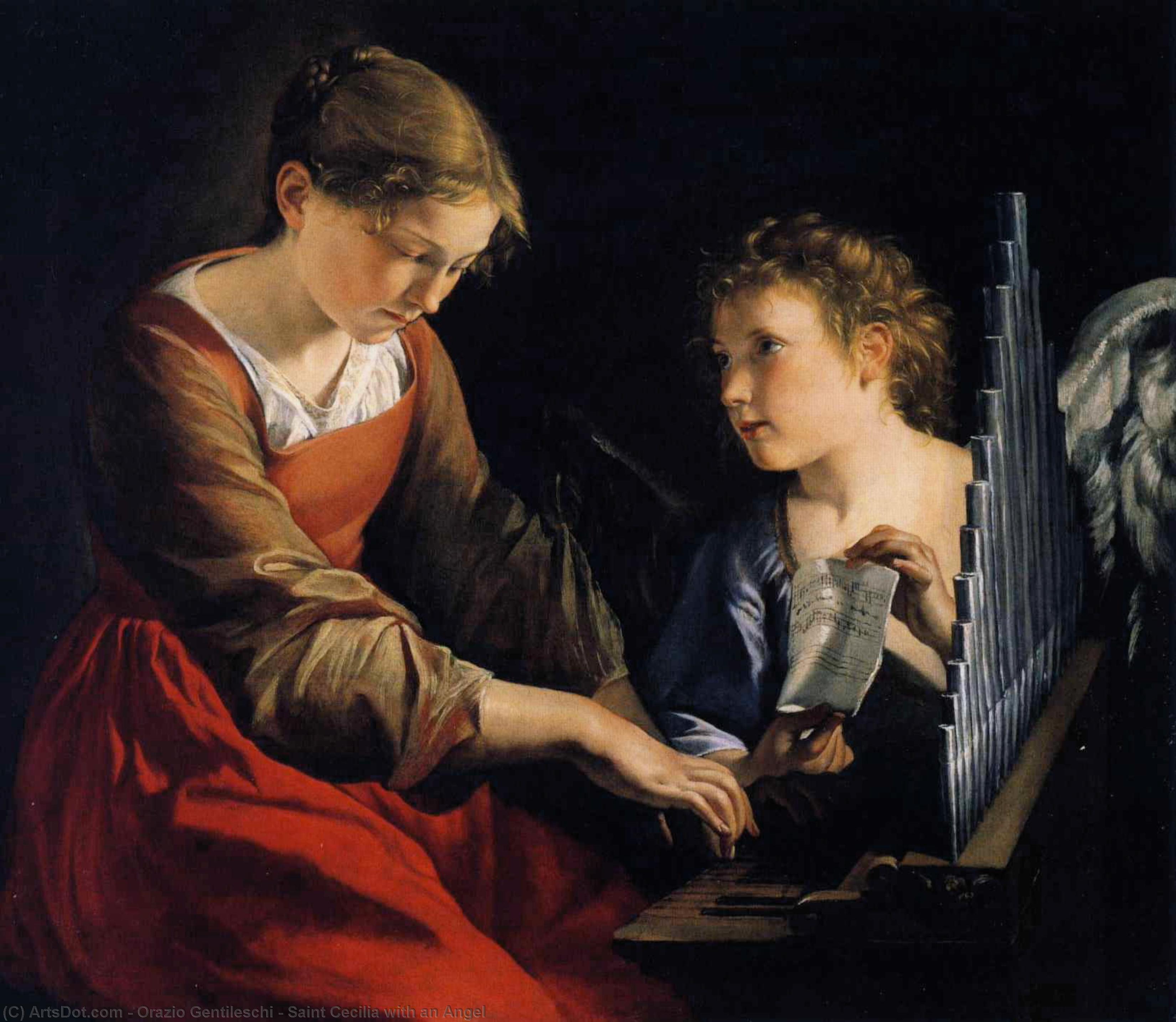
Saint Cecilia with an Angel


 Leer más
Adquiera una imagen digital de alta resolución y optimizada, muy superior a la vista previa en línea.
Cada archivo es preparado meticulosamente por nuestros especialistas internos mediante el uso de herramientas avanzadas y un experto retoque manual. Nos aseguramos de que cada imagen posea una claridad excepcional, una precisión cromática impecable y un detalle minucioso.
El archivo final se entrega por correo electrónico en un plazo de 72 horas, optimizado para su uso inmediato en entornos profesionales, editoriales y de impresión. Esta es la misma calidad en la que confían los estudios de diseño, las editoriales y las galerías de primer nivel.
Imagen Digital
Descarga un archivo de alta resolución para exhibición personal, impresión y proyectos creativos. ( Pedir impresión Encargar reproducción pintada a mano)
Incluido en cada compra de imágenes digitales
Entrega digital experta, garantizada.
Al elegir ArtsDot.com, no solo está adquiriendo una imagen; está recibiendo una obra de arte digital mejorada profesionalmente, elaborada con precisión y respaldada por una garantía de satisfacción. Esto es todo lo que incluye su pedido, automáticamente:

Entrega rápida por email
Recibirá su archivo de imagen digital en alta resolución por correo electrónico en un plazo de 72 horas tras realizar su pedido, listo para su uso inmediato.

Archivo digital optimizado por IA
Su obra de arte se optimiza profesionalmente mediante herramientas avanzadas de IA y edición manual, garantizando el máximo detalle, claridad y precisión cromática.

Reenvío gratuito de por vida
¿Has borrado o perdido tu archivo por error? No te preocupes: te lo volveremos a enviar en cualquier momento, sin coste adicional.

Sin gastos de importación, siempre
Disfrute de su obra de arte al instante sin aduanas, aranceles ni gastos de envío; las descargas digitales siempre están libres de impuestos.

Garantía de precisión de color
Garantizamos que su imagen digital refleje los colores originales con la mayor fidelidad posible, mediante el uso de herramientas profesionales y gestión del color.

Garantía de satisfacción de 60 días
Si no está satisfecho con su imagen digital, la revisaremos o le reembolsaremos el 100% en un plazo de 60 días, sin preguntas.

100% Garantía de devolución de dinero
¿No está satisfecho? Obtenga un reembolso completo dentro de los 60 días posteriores a la recepción de su archivo digital, sin necesidad de explicaciones.

Descuentos por volumen
Compra 3 imágenes, ahorra 10% - Compra 5, ahorra 15% - Compra 10+, ahorra 20%. Ideal para proyectos creativos, galerías y agencias.
Descripción del coleccionable
A Divine Melody in Shadow and Light
In the quiet, hallowed atmosphere of the early seventeenth century, few works capture the intersection of earthly devotion and celestial grace as poignantly as Orazio Gentileschi’s Saint Cecilia with an Angel. Completed in 1621, this masterpiece serves as a breathtaking window into the Baroque era, a time when the art world was being reshaped by the dramatic tension of light and shadow. The painting presents us with a scene of profound intimacy: a young woman, believed to be Saint Cecilia, lost in the act of playing a small pipe organ. Her hands move with a delicate precision, capturing not just notes, but the very essence of divine inspiration. Beside her, a companion watches with an attentive, contemplative gaze, creating a silent dialogue between the observers and the observed, while above them, an ethereal angel descends, bathed in a soft, heavenly luminescence that pierulates the surrounding darkness.
The emotional resonance of this work lies in its ability to make the spiritual feel tangible. As you gaze upon the canvas, the heavy chiaroscuro—the masterful manipulation of deep shadows and brilliant highlights—draws your eye toward the luminous skin of the figures and the shimmering textures of their garments. There is a palpable sense of stillness, a sacred hush that invites the viewer to pause and breathe. For the collector or the interior designer, this piece offers more than mere decoration; it provides an anchor of serenity. It is a work that commands presence in a room, evoking a sense of timelessness and sophisticated grace that can transform a modern living space into a sanctuary of reflection.
The Legacy of Caravaggismo and Technical Brilliance
To understand the technical prowess behind this painting, one must look to the shadow of Michelangelo Merisi da Caravaggio. Gentileschi was a prominent member of the Caravaggisti movement, and in Saint Cecilia with an Emangel, we see his unique evolution of that style. While he adopted the dramatic lighting and naturalistic realism pioneered by Caravaggio, Gentileschi infused his work with a refined elegance and a softer, more lyrical touch. His brushwork is meticulous, rendering the tactile quality of fabric, the cold smoothness of the musical instrument, and the translucent glow of angelic light with unparalleled skill.
The composition is a masterclass in balance and movement. The figures are positioned closely, creating a sense of warmth and human connection, yet they are subtly separated by their differing focuses—one on the music, one on the saint, and the angel on the divine. This interplay of gazes creates a rhythmic flow across the canvas, guiding the viewer through a narrative of faith and artistry. For those seeking a high-quality reproduction, capturing these subtle gradations of light and the rich, saturated pigments is essential to preserving the painting's profound impact and its ability to breathe life into any curated collection.
Symbolism and the Eternal Connection to Art
Beyond its visual splendor, the painting is steeped in deep religious and artistic symbolism. Saint Cecilia, the patron saint of musicians, serves as a bridge between the physical world of sound and the spiritual realm of the divine. The musical instrument she plays is not merely an object of beauty but a metaphor for the harmony of the soul. The presence of the angel reinforces this connection, suggesting that true art is a form of prayer, a way to communicate with the heavens. This theme of artistic innovation as spiritual devotion makes the piece eternally relevant to anyone who finds meaning in the creative process.
Integrating a reproduction of such a significant historical work into an interior design scheme allows for a sophisticated layering of history and emotion. Whether placed in a grand library, a formal dining room, or a contemporary gallery-style lounge, Saint Cecilia with an Angel acts as a conversation piece that celebrates the enduring power of beauty. It is an invitation to contemplate the sublime, making it an incomparable choice for those who appreciate art that speaks to both the eye and the soul.
Obras relacionadas








Biografía del artista
Primeros Años y Formación
- Nacido: Toscana, Italia (1563)
- Fallecido: 1639
- Orazio Gentileschi comenzó su carrera en Roma, pintando en un estilo manierista. Gran parte de su trabajo inicial consistió en pintar figuras dentro de los esquemas decorativos de otros artistas.
- Se formó con el pintor umbro, Cola dell'Amata.
- Gentileschi también se vio influenciado por la obra de Francesco da Sangallo, un destacado arquitecto y escultor de la época.
Estilo Artístico e Influencias
- Su estilo se caracterizó por colores brillantes y composiciones dramáticas.
- Tras 1600, quedó bajo la influencia del estilo más naturalista de Caravaggio, adoptando una nueva sensibilidad.
- Las pinturas de Gentileschi a menudo representaban escenas bíblicas y temas mitológicos.
- Influencias Clave: Manierismo, Caravaggio
Obras Principales y Logros
- "Danae": Considerada una de sus obras más importantes, que muestra su habilidad para capturar la esencia de las historias mitológicas.
- "El Anuncio": Se encuentra en la Galleria Borghese en Roma.
- "La Virgen María": También se encuentra en la Galleria Borghese en Roma.
- Sus frescos y mosaicos para iglesias como Santa Maria Maggiore y San Giovanni Laterano demuestran su dominio de la pintura decorativa a gran escala.
Desarrollo y Evolución
- Inicialmente trabajó dentro de un estilo manierista, incorporando gradualmente elementos del naturalismo de Caravaggio.
- Desarrolló una versión más suave y refinada del estilo dramático de Caravaggio, caracterizada por una paleta más clara y detalles precisos.
- Sus obras posteriores muestran un estilo elegante y cortesano, que refleja su patrocinio en las cortes de María de Médici en París y Carlos I en Londres.
Significado Histórico y Legado
- El uso de colores brillantes y composiciones dramáticas por parte de Gentileschi influyó en el desarrollo del arte barroco.
- Fue uno de los primeros practicantes del caravaggismo en Inglaterra, impactando significativamente el panorama artístico allí.
- Su hija, Artemisia Gentileschi, se convirtió en una artista renombrada por derecho propio, continuando su legado y desarrollando aún más la tradición artística familiar.
- Sus obras se encuentran en museos y galerías de todo el mundo, incluyendo la Galería Uffizi en Florencia y la Galería Accademia en Venecia.
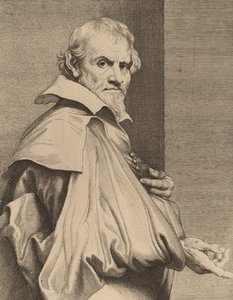
Orazio Gentileschi
1563 - 1639 , Italia
Datos clave
- Artistas Que Influyeron:
- Cola dell'Amata
- Francesco da Sangallo
- Caravaggio
- Fecha De Muerte: 7 de febrero de 1639
- Fecha De Nacimiento: 9 de julio de 1563
- Lugar De Nacimiento: Toscana, Italia
- Movimiento Artístico: Barroco
- Movimientos Influenciados: ['Caravaggismo']
- Nacionalidad: Italiana
- Nombre Completo: Orazio Gentileschi
- Obras Notables:
- Danae
- El Anuncio
- La Virgen María
- Santa Cecilia con un Ángel

