

 Ver en contexto
 Enviar
 Compartir
 Detalles

 Descargar
 Similares
 Radiografía
 Presentación de diapositivas
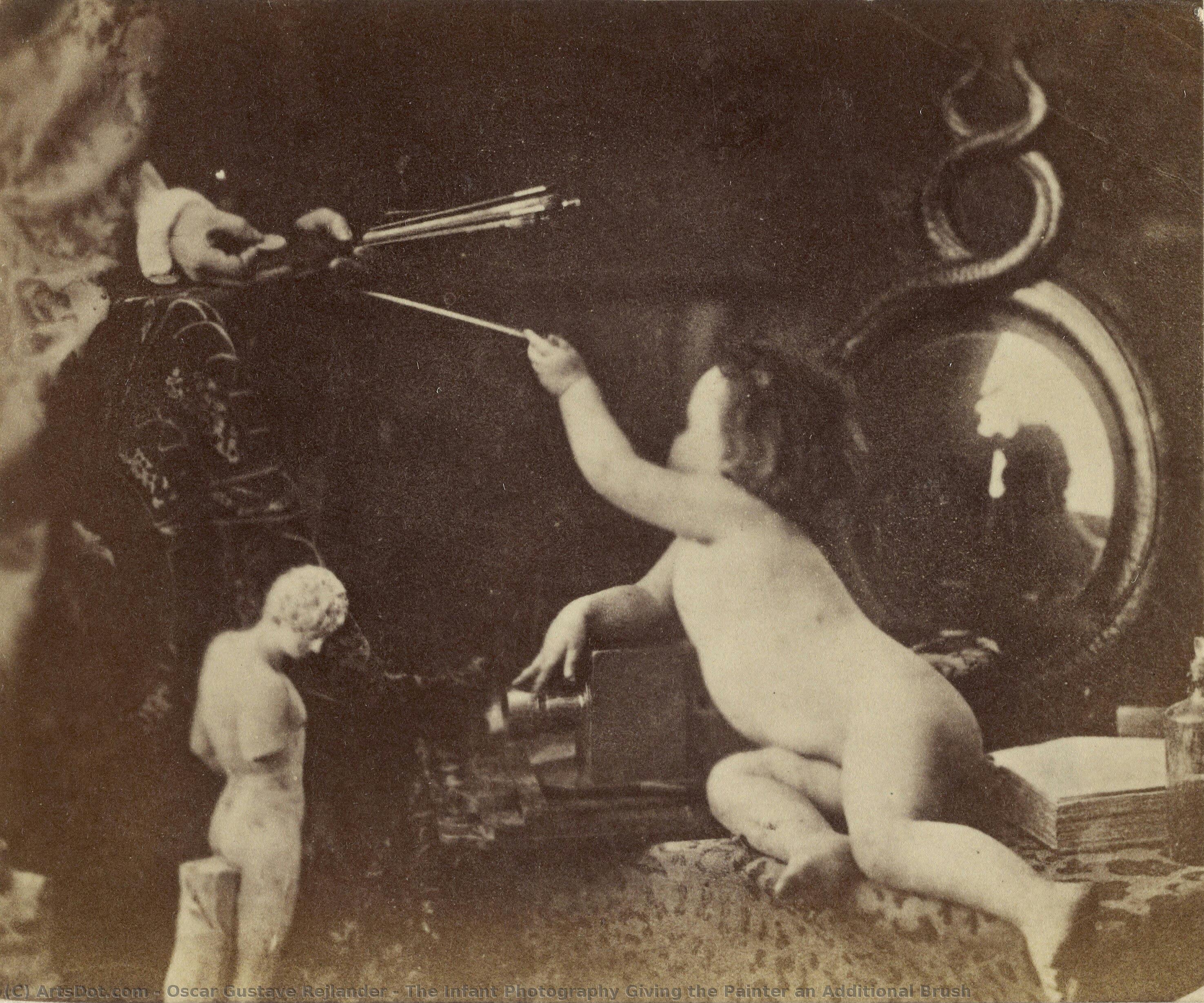
The Infant Photography Giving the Painter an Additional Brush
 Acrylic On Canvas
- WallArt
- Victorian Photography
 1856
1856 6.0 x 7.0 cm
 Museo J. Paul Getty
 Ver más
Reproducción al óleo hecha a mano
Óleo sobre lienzo pintado a mano en el tamaño y marco de su elección, realizado por encargo por nuestros artistas. ( Comprar impresión Comprar imagen)




P118B $10

P118H $10

P118W $10

P438Z $10

P508JH $12

P508YH $12

P805H $10

P805Z $10

P919BZ $10

P919G $10

P919XJ $10

P959ZH $10

P968JZ $12

W106C $8

W218G $10

W218JH $8

W218Y $10

W307PJ $10

W316G $10

W316PJ $8

W316Y $10

W398PJ $8

W4111J $10

W500HY $15

W500JH $15

W692G $12

W849H $8

W940BG $15

W953PJ $8




Elija entre nuestros tamaños predefinidos que respetan las proporciones originales de la obra.

Puede ingresar sus propias dimensiones para adaptarse a un marco o espacio específico. Si el tamaño seleccionado no coincide con las proporciones de la imagen original, recortaremos la obra o extenderemos la pintura con elementos adicionales pintados a mano. Se le enviará una maqueta digital para su aprobación antes de comenzar la producción.
Tenga en cuenta que la vista previa en pantalla no refleja el recorte o la extensión reales. Solo la maqueta mostrará con precisión la composición final.
Si bien existen tamaños personalizados, recomendamos seleccionar una dimensión de la lista predefinida para preservar las proporciones originales.
Tras realizar el pedido, el equipo de ArtsDot.com enviará un correo electrónico al cliente para solicitar instrucciones y proporcionarle una vista previa del boceto.
Envío a todo el mundo () en 3-4 semanas en lugar de las 5 semanas estándar. (29 agosto). Sin comprometer la calidad.

Envío exprés gratuito a todo el mundo

Lienzo de lino de alta calidad

Seguro de envío total

Garantía de reembolso de impuestos aduaneros

Garantía de fidelidad cromática exacta

Política de devolución de 60 días (solo por defectos)

Garantía de devolución del 100% del dinero

Descuento por cantidad
 La opción de vidrio solo está disponible en tamaños inferiores a 110 cm.

The Infant Photography Giving the Painter an Additional Brush
Técnica de reproducción
Dimensiones de la reproducción
-


Precio total final
$ 263
The Infant Photography Giving the Painter an Additional Brush: A Pioneering Composite Portrait
Oscar Gustave Rejlander’s “The Infant Photography Giving the Painter an Additional Brush,” created in 1856, stands as a remarkable testament to Victorian artistic innovation and a fascinating exploration of visual illusion. This deceptively simple black-and-white photograph—measuring just 6 x 7 cm—is housed at the J. Paul Getty Museum in Los Angeles, offering visitors a glimpse into a pivotal moment in photographic history and its influence on painting. Rejlander’s masterful technique exemplifies the burgeoning practice of combination printing, pushing beyond traditional single-image photography to achieve breathtaking artistic effects.A Technique Born from Collaboration
Rejlander's approach wasn't solitary; he collaborated closely with a troupe of theatrical performers who provided him with models for his ambitious project. The photograph depicts a man holding a camera positioned before a baby seated on a table, accompanied by two other figures—one to the left and another to the right—creating an arresting tableau that immediately draws the eye. Notably, a chair sits beside the infant, and a book rests upon the tabletop, subtly reinforcing the theme of observation and artistic contemplation. Rejlander skillfully combined multiple albumen prints—photographs taken separately and then meticulously overlaid onto each other—resulting in a composite image that simulates a mirror reflection. This technique was revolutionary at the time, mirroring developments in optical illusion prevalent within painting circles.Symbolism Within Illusion
The deliberate use of mirrors speaks to broader artistic concerns surrounding perception and representation. Victorian artists were grappling with how to capture reality accurately while simultaneously conveying emotion and psychological depth—a challenge that Rejlander’s innovative method brilliantly addressed. The inclusion of the camera symbolizes not merely documentation but also a conscious engagement with the process of visual creation itself, highlighting the artist's role as both observer and manipulator of image. Furthermore, the positioning of the figures suggests a dialogue between artifice and authenticity—the painted illusion juxtaposed against the tangible presence of human subjects.Historical Context: Challenging Artistic Conventions
“The Infant Photography Giving the Painter an Additional Brush” emerged during a period of intense debate within the British art world regarding the role of photography in artistic practice. Some painters viewed photography as a threat to their craft, arguing that it undermined the expressive power of painting. However, Rejlander championed the potential for collaboration between artists and photographers, demonstrating how photographic images could inspire new creative endeavors. His work served as an important catalyst for discussions about visual illusion and its capacity to elevate artistic expression—a legacy that continues to resonate with contemporary art historians and collectors alike.Emotional Impact: A Moment Frozen in Time
Beyond its technical brilliance and intellectual significance, the photograph possesses a palpable emotional resonance. The serene stillness of the scene, combined with the subtle interplay of light and shadow, evokes a sense of intimacy and contemplation. Rejlander’s masterful manipulation of tonal values creates an illusion of depth and realism—a feat that underscores the transformative power of photographic technique. Viewing “The Infant Photography Giving the Painter an Additional Brush” is akin to stepping back in time, encountering a pivotal moment in artistic history where innovation challenged established conventions and opened up new avenues for creative exploration.Obras relacionadas
Biografía del artista
early life and career
oscar gustave rejlander, a swedish photographer, was born on october 19, 1813, in stockholm, sweden. he was the son of carl gustaf rejlander, a stonemason and swedish army officer. during his youth, his family moved to the swedish-speaking community in rauma, grand duchy of finland (then part of russia).photography career
rejlander's early profession was as a painter and portrait miniaturist. however, in the 1850s, he abandoned this path and set up as a photographer in wolverhampton, england. he learned the wet-collodion and waxed-paper processes with nicholas henneman in london, eventually transitioning to running his own photography studio. rejlander's work included genre studies, portraiture, and nude studies, often created for painters. his early work was aided by a local troupe of theatrical performers. he experimented with combination printing, creating elaborate composite photographs that showcased his technical expertise.notable works and exhibitions
* the two ways of life, 1856, is one of rejlander's most famous allegorical works. * his participation in the paris exhibition of 1855 marked a significant milestone in his career. * a notable portrait of charles lutwidge dodgson (lewis carroll), with whom he corresponded on technical matters, showcases rejlander's photographic skill.legacy and later life
rejlander died in clapham, london, on january 18, 1875. his pioneering work in photomontage and photography has left a lasting impact on the art world.- view rejlander's artwork on ArtsDot.com
- explore more about swedish art at malmö konsthall, featured on the museum hallwylska muséet (stockholm, sweden)
- discover other swedish artists like hansson, hasse, on ArtsDot.com
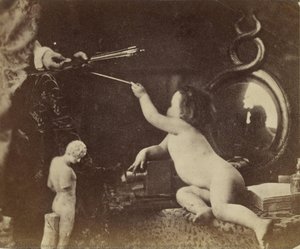
oscar gustave rejlander
1813 - 1875 , Sweden
Datos clave
- Artistic Movement Or Style: Landscape & Marine
- Artists Or Movements Influenced By This Artist: ['Capriccio']
- Artists Who Influenced This Artist:
- Samuel Scott
- Richard Wilson
- Date Of Birth: 1740
- Date Of Death: 1813
- Full Name: William Marlow
- Nationality: English
- Notable Artworks:
- Boys Fishing
- Departure Militiaman
- Place Of Birth: London, England
Artículos relacionados
Dante Gabriel Rossetti: Las 25 Obras Maestras del Prerrafaelismo | ArtsDot
Descubre las 25 obras maestras de Dante Gabriel Rossetti, el máximo exponente del Prerrafaelismo. Explora su simbolismo, retratos victorianos y la belleza femenina en lienzos inolvidables. Reproducciones de arte exclusivas en ArtsDot.com.
Beyond the Lens: Photography's Enduring Influence on Modern & Contemporary Art
Explore photography's pivotal role in shaping modern & contemporary art. Discover key movements, influential artists like Stieglitz, and expert collecting advice from ArtsDot.

Monochrome Visions: Exploring the Aesthetic & Historical Significance of Black & White Photography
Explore the rich history & artistic power of black and white photography. From early techniques to iconic masters like Ansel Adams, discover why monochrome continues to captivate art lovers today. Expert insights for collectors.
Pictorialismo: La Búsqueda del Alma de la Fotografía Artística – Estética, Técnicas y Legado
Descubre el Pictorialismo, un movimiento clave en la historia de la fotografía artística. Explora sus técnicas, figuras emblemáticas y su legado perdurable. Guía experta para coleccionistas y amantes del arte.
Witnessing History Through Lens & Light: Documentary Photography's Enduring Legacy
Explore the powerful history of documentary photography – from its origins to contemporary masters like Gordon Parks & W. Eugene Smith. Discover how this art form shapes our understanding of society and witness pivotal moments in time.

