 Vista previa
 Compartir
 Compartir
 Ver detalles

 Descargar
 Ver similares
 Radiografía
 Presentación de diapositivas
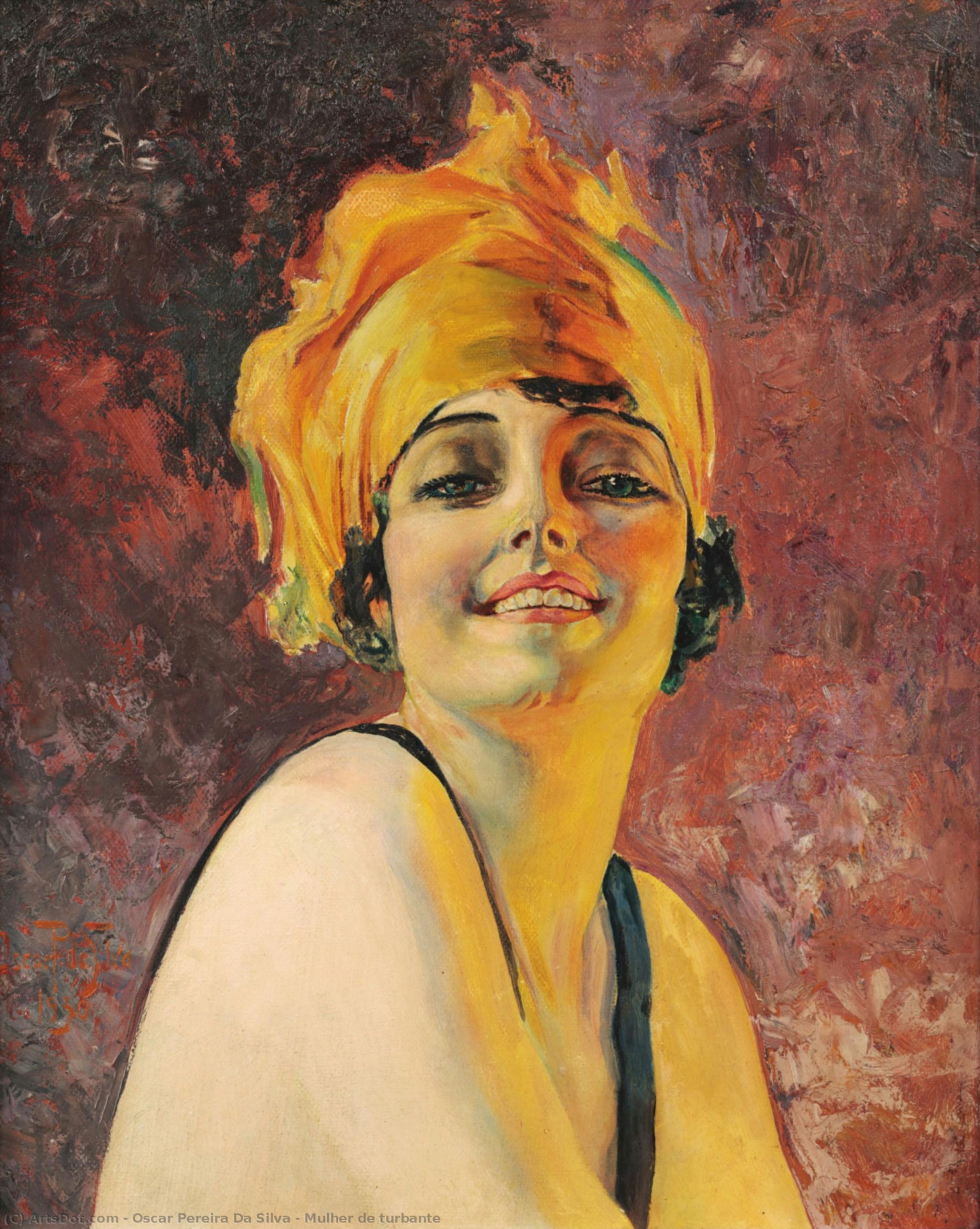
Mulher de turbante
 Oil On Canvas
- WallArt
- Art Deco
 1930
1930 41.0 x 33.0 cm
 Pinacoteca do Estado de São Paulo
 Leer más
Reproducción al óleo hecha a mano
Óleo sobre lienzo pintado a mano en el tamaño y marco de su elección, realizado por encargo por nuestros artistas. ( Pedir impresión Comprar descarga)




P118B $10

P118H $10

P118W $10

P438Z $10

P508JH $12

P508YH $12

P805H $10

P805Z $10

P919BZ $10

P919G $10

P919XJ $10

P959ZH $10

P968JZ $12

W106C $8

W218G $10

W218JH $8

W218Y $10

W307PJ $10

W316G $10

W316PJ $8

W316Y $10

W398PJ $8

W4111J $10

W500HY $15

W500JH $15

W692G $12

W849H $8

W940BG $15

W953PJ $8




Elija entre nuestros tamaños predefinidos que respetan las proporciones originales de la obra.

Puede ingresar sus propias dimensiones para adaptarse a un marco o espacio específico. Si el tamaño seleccionado no coincide con las proporciones de la imagen original, recortaremos la obra o extenderemos la pintura con elementos adicionales pintados a mano. Se le enviará una maqueta digital para su aprobación antes de comenzar la producción.
Tenga en cuenta que la vista previa en pantalla no refleja el recorte o la extensión reales. Solo la maqueta mostrará con precisión la composición final.
Si bien existen tamaños personalizados, recomendamos seleccionar una dimensión de la lista predefinida para preservar las proporciones originales.
Tras realizar el pedido, el equipo de ArtsDot.com enviará un correo electrónico al cliente para solicitar instrucciones y proporcionarle una vista previa del boceto.
Envío a todo el mundo () en 3-4 semanas en lugar de las 5 semanas estándar. (22 agosto). Sin comprometer la calidad.

Envío exprés gratuito a todo el mundo

Lienzo de lino de alta calidad

Seguro de envío completo

Garantía de reembolso de aranceles aduaneros

Garantía de fidelidad cromática exacta

Política de devolución de 60 días (solo por defectos)

Garantía de devolución del 100% del dinero

Oferta por volumen
 La opción de vidrio solo está disponible en tamaños inferiores a 110 cm.

Mulher de turbante
Técnica de reproducción
Tamaño de la reproducción
-


Precio total
$ 263
Descripción de la obra
The Enigmatic Beauty of *Mulher de Turbante*
Oscar Pereira da Silva’s *Mulher de Turbante*, painted in 1930, is more than just a portrait; it's a captivating glimpse into the heart of Brazilian identity and artistic evolution. Born in São Fidélis, Brazil, in 1867, Da Silva emerged as a pivotal figure during a period of profound transformation for his nation – transitioning from imperial rule to the nascent Republic. His art served not only as a visual record but also as a deliberate engagement with this shifting historical landscape, imbued with a unique blend of academic training and a distinctly Brazilian sensibility.
The painting immediately draws the eye with its vibrant palette dominated by yellows and oranges, skillfully layered to create an atmosphere of warmth and vitality. The subject, a woman radiating confidence and allure, is presented in a strikingly loose style – a departure from the rigid formality of earlier academic traditions. Da Silva employs expressive brushstrokes, prioritizing emotional impact over photographic realism, leaning heavily into the burgeoning Impressionistic movement that was gaining traction across Europe at the time. This technique lends the work a sense of dynamism, as if capturing a fleeting moment of joy and grace.
A Portrait Steeped in Symbolism
The most striking element of *Mulher de Turbante* is undoubtedly the woman’s elaborate yellow turban – a detail that transcends mere ornamentation. In this context, it's likely a potent symbol of glamour, exoticism, and perhaps even a connection to Brazilian cultural heritage. The choice of yellow itself carries significant weight; associated with royalty, prosperity, and enlightenment, it elevates the subject to a position of importance and beauty. The swirling patterns in the background further contribute to this sense of movement and dynamism, suggesting both the woman’s vibrant spirit and the energy of Brazil itself.
Furthermore, considering Da Silva's life and career, the turban can be interpreted as a nod to the influence of Art Deco aesthetics, which were gaining popularity during this period. The stylized forms and bold colors found in *Mulher de Turbante* reflect this trend, adding an element of sophistication and modernity to the portrait.
Craftsmanship and Historical Context
Painted in 1930, *Mulher de Turbante* represents a fascinating intersection of artistic influences. Da Silva’s early training at the Imperial Academy of Fine Arts instilled within him a deep respect for classical techniques, evident in his meticulous attention to detail and masterful use of light and shadow. However, he skillfully integrated these traditions with the more expressive approaches of Impressionism and Art Deco, creating a unique style that is distinctly Brazilian.
The painting’s creation coincided with a period of significant social and political change in Brazil. The country was grappling with its transition to a republic, and artists were increasingly exploring themes of national identity and cultural heritage. Da Silva's work reflects this broader context, offering a nuanced portrait of Brazilian society during a time of great upheaval.
A Timeless Masterpiece
*Mulher de Turbante* is not merely a beautiful painting; it’s a powerful testament to Oscar Pereira da Silva’s artistic vision and his deep understanding of the Brazilian spirit. Its vibrant colors, expressive brushstrokes, and evocative symbolism continue to captivate viewers today, offering a glimpse into a bygone era and a profound appreciation for the beauty and complexity of Brazilian art.
Reproductions of this captivating work are available through ArtsDot.com, allowing you to bring this timeless masterpiece into your home or office – a vibrant reminder of Brazil’s rich artistic heritage.
Obras relacionadas

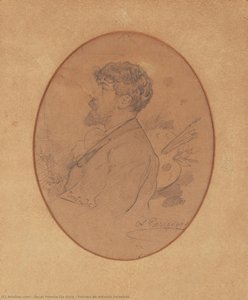
![[hercule Florence] — Oscar Pereira Da Silva, Academic Portraiture](/media/artworks/images-thumb/6e/59/6e59d1f45a12e06cc4a46aa211b8e19f.jpg)
Biografía del artista
Primeros Años y Formación
Oscar Pereira da Silva nació el 29 de agosto de 1867 en São Fidélis, Brasil. Comenzó su formación artística como estudiante en la Academia Imperial de Bellas Artes en 1882, donde estudió bajo la tutela de artistas destacados como Eliseu Visconti, Eduardo de Sá y João Batista da Costa. Su origen familiar era parte de la aristocracia portuguesa, lo que influyó en su educación y oportunidades.Carrera Artística y Estilo
La obra de Pereira da Silva se caracteriza por su atención a los eventos históricos brasileños, así como por numerosos retratos, obras religiosas, escenas de género, bodegones y paisajes. Un rasgo distintivo de su trabajo fue su desinterés por la tradición folclórica brasileña, optando en cambio por un estilo "antiguo" o neoclásico. Después de un período de estudio en Francia, donde fue alumno de Jean-Léon Gérôme y Léon Bonnat en la École des Beaux-Arts, desarrolló una carrera exitosa en São Paulo. Su formación académica francesa se evidencia en su técnica y temática.Obras Destacadas y Exposiciones
- Paisagem (55 x 46 cm, Pinacoteca do Estado de São Paulo): Un ejemplo notable de su trabajo paisajístico.
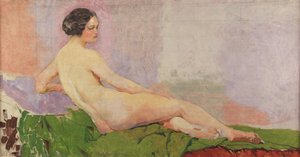
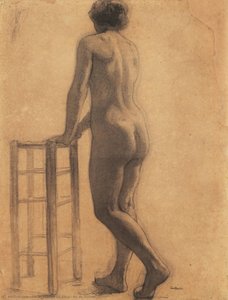
- Nu de mulher (62 x 47 cm, Pinacoteca do Estado de São Paulo): Demuestra su habilidad para capturar la figura humana.
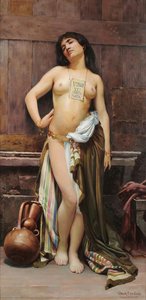
- Escrava Romana (146 x 72 cm, Pinacoteca do Estado de São Paulo): Una obra significativa que muestra sus representaciones históricas.
Legado e Importancia Histórica
El legado de Pereira da Silva se define por su singular combinación de pintura histórica y de género, lo que lo convierte en una figura clave en la historia del arte brasileño. Su obra refleja un período de transición en el arte brasileño, combinando influencias europeas con temas locales. Sus pinturas son exhibidas actualmente en la Pinacoteca do Estado de São Paulo y el Museu do Ipiranga, permitiendo a las generaciones futuras apreciar su contribución al patrimonio artístico nacional. Su elección de representar eventos históricos y figuras importantes lo posiciona como un cronista visual de su época.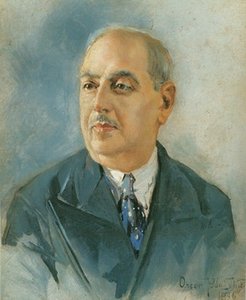
Oscar Pereira da Silva
1867 - 1939 , Brasil
Datos clave
- Artistas Influyentes:
- Eliseu Visconti
- Eduardo de Sá
- João Batista da Costa
- Jean-Léon Gérôme
- Léon Bonnat
- Fecha De Fallecimiento: 17 de enero de 1939
- Fecha De Nacimiento: 29 de agosto de 1867
- Lugar De Nacimiento: São Fidélis, Brasil
- Movimiento Artístico: Estilo antiguo
- Nacionalidad: Brasilera
- Nombre Completo: Oscar Pereira da Silva
- Obras Notables:
- Paisagem
- Nu de mulher
- Escrava Romana
Artículos relacionados
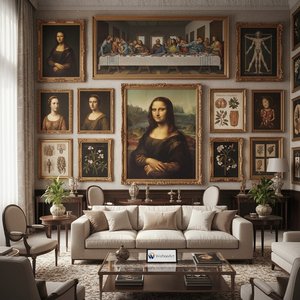
Leonardo da Vinci: Las 25 Obras Maestras que Definieron un Genio | ArtsDot
Descubre las 25 obras maestras de Leonardo da Vinci, desde la Mona Lisa hasta La Última Cena. Explora su arte renacentista, técnicas innovadoras y el legado del genio italiano. Reproducciones de alta calidad para decorar tu hogar con belleza y historia en ArtsDot.com.

The Enduring Legacy of Oil on Canvas: Technique, History & Aesthetic Impact
Explore the rich history & techniques of oil painting – from Renaissance masters to Impressionism. Discover pigments, layering methods, and why this timeless medium endures. Expert insights for artists & art enthusiasts.

Leonardo da Vinci: Síntesis del Arte, la Ciencia y la Observación Humana en el Renacimiento – Una Reinterpretación para el Coleccionista
Descubra la síntesis del arte y la ciencia en Leonardo da Vinci. Análisis profundo de sus obras maestras, técnicas innovadoras y legado para coleccionistas exigentes. Una reinterpretación experta.

El Óleo sobre Lienzo: Historia, Técnica y la Persistencia de un Medio Artístico Atemporal
Descubre la historia y técnica del óleo sobre lienzo. Explora reproducciones fieles hechas a mano, personalización artística y consejos de expertos con ArtsDot. ¡Colecciona arte con confianza!
The Enduring Legacy of Oil Paint: Technique, History & Emotional Resonance in Western Art
Explore the rich history & techniques of oil painting! Discover Renaissance masters, scientific principles behind color, and emotional resonance in art. Learn about glazing, layering, and atmospheric perspective – a guide for enthusiasts & collectors.