 Ver en contexto
 Enviar
 Compartir
 Detalles

 Descargar
 Similares
 Radiografía
 Presentación de diapositivas
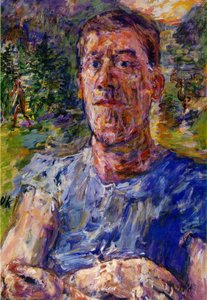
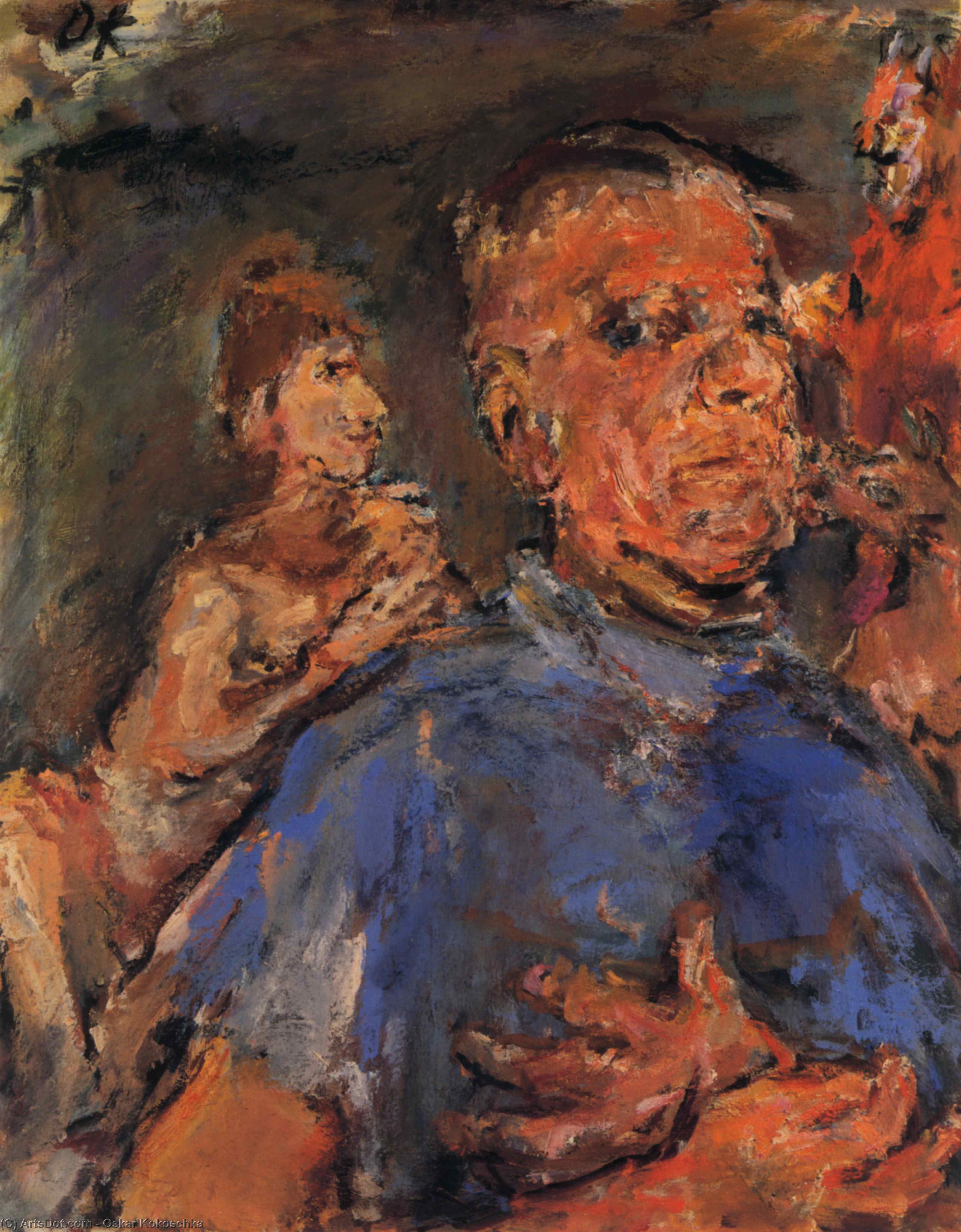
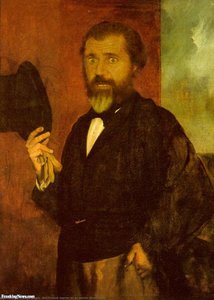
Autoportrait, Self-portrait, Huile sur Toile,
 Oil On Canvas
- WallArt
- Expressionism
 Modern
 90.0 x 70.0 cm
 Ver más
Giclée / Impresión de arte
Impresiones giclée o en lienzo de calidad de museo con producción rápida y opciones de acabado flexibles. ( Comprar pintura hecha a mano Comprar imagen)




P118B $10

P118H $10

P118W $10

P438Z $10

P508JH $12

P508YH $12

P805H $10

P805Z $10

P919BZ $10

P919G $10

P919XJ $10

P959ZH $10

P968JZ $12

W106C $8

W218G $10

W218JH $8

W218Y $10

W307PJ $10

W316G $10

W316PJ $8

W316Y $10

W398PJ $8

W4111J $10

W500HY $15

W500JH $15

W692G $12

W849H $8

W940BG $15

W953PJ $8




Elija entre nuestros tamaños predefinidos que respetan las proporciones originales de la obra.

Puede introducir sus propias dimensiones para adaptarse a un marco o espacio específico. Si el tamaño seleccionado no coincide con las proporciones de la imagen original, recortaremos la obra de arte o extenderemos la imagen con un borde con efecto espejo o de color sólido. Se enviará una maqueta digital para su aprobación antes de que comience la producción.
Tenga en cuenta que la vista previa en pantalla no refleja el recorte o la extensión real. Solo la maqueta mostrará con precisión la composición final.
Aunque existen tamaños personalizados, recomendamos seleccionar una dimensión de la lista predefinida para preservar las proporciones originales.
Envío a todo el mundo () en 2 semanas en lugar de las 4/5 semanas estándar. (30 agosto)

Envío exprés gratuito a todo el mundo

Lienzo de lino de alta calidad

Seguro de envío total

Garantía de reembolso de impuestos aduaneros

Garantía de fidelidad cromática exacta

Política de devolución de 60 días (solo por defectos)

Garantía de devolución del 100% del dinero

Descuento por cantidad
 La opción de vidrio solo está disponible en tamaños inferiores a 110 cm.

Autoportrait, Self-portrait, Huile sur Toile,
Giclée / Impresión de arte
Dimensiones de la reproducción
-


Precio total final
$ 62
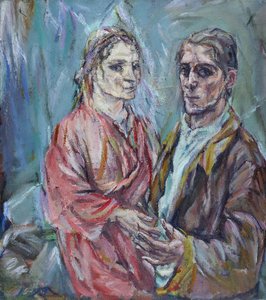
The Unveiling Gaze: An Encounter with Oskar Kokoschka's Self-Portrait
To stand before an image like this self-portrait of Oskar Kokoschka is not merely to observe paint on canvas; it is to step directly into the tempestuous, passionate mind of a modern master. The air around the depicted figure seems thick with unspoken narratives—a palpable tension that defines the very essence of early Expressionism. Kokoschka, an artist whose life was as dramatically charged as his palette, captures here not just his likeness, but the raw, exposed nerve endings of the human condition. The subject, clad in a striking blue shirt, meets the viewer's eye with an intensity that is both challenging and deeply vulnerable. It invites us into a private moment, forcing us to confront the complexities of self-perception.
Mastery of Expressionist Technique
Technically, this work showcases Kokoschka’s signature vigor. The application of paint, whether oil on canvas or in reproduction form, speaks of urgent brushwork—a visible energy that refuses smooth repose. Notice the depth achieved through the varied coloration; the background wall is not a mere backdrop but an active participant, adding layers of psychological space to the scene. His handling of light and shadow sculpts the faces present, lending them a sculptural weight. The detail in the rendering, while highly expressive, never sacrifices emotional impact for mere verisimilitude. It is a painting that demands close inspection, rewarding the viewer with new nuances with every passing glance.
Context: A Portrait of an Era
Understanding Kokoschka requires understanding the fin-de-siècle Vienna from which he emerged—a crucible of intellectual ferment and burgeoning anxiety. As a leading figure in Expressionism, his art rejected the polished idealism of academic tradition. Instead, it dove headfirst into the subconscious, embracing the anxieties, desires, and raw passions bubbling beneath the surface of polite society. This self-portrait is thus more than a vanity piece; it is an artistic manifesto, declaring that emotional truth, however unsettling, is the highest form of reality.
Symbolism and Emotional Resonance
The composition itself suggests a dynamic interplay between individuals. The central figure, contemplative yet watchful, is flanked by others whose presence adds layers to the psychological tableau. These surrounding figures act as mirrors, reflecting different facets of the artist's own internal dialogue. The blue shirt, often associated with depth and melancholy in art history, anchors the gaze, suggesting a profound thoughtfulness beneath the surface drama. Owning a reproduction of this piece is acquiring not just decoration for your space, but a conversation starter—a potent reminder that true artistry lies in the unflinching depiction of the soul.
Bringing the Masterpiece Home
For collectors and designers seeking art with genuine narrative weight, this self-portrait offers unparalleled depth. Whether displayed in a gallery setting or integrated into a richly decorated interior, its vibrant energy will command attention. Choosing a high-quality reproduction allows you to bring the electrifying spirit of Kokoschka’s vision into your modern life, allowing the passionate brushstrokes and intense gaze to resonate within your walls for years to come.
Obras relacionadas


Biografía del artista
Primeros años y educación
Oskar Kokoschka, un artista austriaco, poeta y dramaturgo, nació el 1 de marzo de 1886 en Pöchlarn, Austria. Sus padres fueron Gustav Josef Kokoschka, un orfebre checo, y Maria Romana Kokoschka (de soltera Loidl). Su vida estuvo marcada por una fuerte creencia en los presagios, lo que influyó en su estilo artístico. La educación de Kokoschka en la Realschule se centró en materias modernas, pero solo destacó en arte, leyendo literatura clásica durante sus lecciones, lo cual más tarde influyó en su obra.Carrera artística
El viaje artístico de Kokoschka comenzó en la Kunstgewerbeschule (Escuela de Artes y Oficios) en Viena desde 1904 hasta 1909. Fue uno de los tres aceptados entre 153 solicitantes, bajo la guía del profesor Carl Otto Czeschka, quien lo ayudó a desarrollar un estilo original. Sus primeras obras presentaban dibujos gestuales de niños, retratándolos como torpes y cadavéricos.- Sus primeras comisiones fueron postales y dibujos para niños, que describió como "la base del entrenamiento artístico".
- Su primera etapa profesional se caracterizó por retratos de celebridades vienesas en un estilo nervioso y animado.
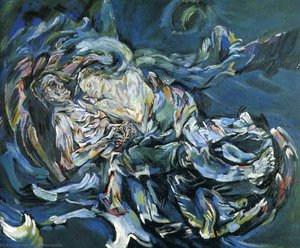
- Un apasionado romance con Alma Mahler inspiró su obra maestra, La Novia del Viento (El Tormento), un homenaje a ella.
Guerra y vida posterior
Kokoschka se ofreció como voluntario para servir en la Primera Guerra Mundial y resultó gravemente herido en 1915. Fue declarado degenerado por los nazis, huyó de Austria en 1934 hacia Praga y luego se estableció en el Reino Unido durante la guerra. Obtuvo la ciudadanía británica en 1946 y recuperó la ciudadanía austriaca en 1978.Legado e Influencia
- Obras clave:
- La Novia del Viento (El Tormento), un homenaje a Alma Mahler.
- Retratos de celebridades vienesas en un estilo nervioso y animado.
- Museos que exhiben su obra:
- Kunsthaus Museum en Zúrich, con su pintura de Ferdinand Bloch-Bauer.
- Palacio y Museo Belvedere en Viena, mostrando sus obras en la exposición "Las Mujeres de Klimt, Schiele y Kokoschka".
- Plataformas online:
- La página de Oskar Kokoschka en ArtsDot.com, con sus obras de arte y biografía.
- La página de Wikipedia sobre Oskar Kokoschka, que proporciona información detallada sobre su vida y obra.
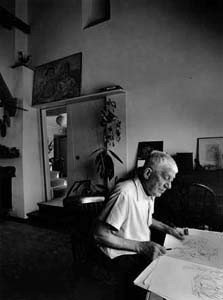
Oskar Kokoschka
1886 - 1980 , Austria
Datos clave
- Artistas Influyentes:
- Sigmund Freud
- Jugendstil
- Fecha De Fallecimiento: 22 de febrero de 1980
- Fecha De Nacimiento: 1 de marzo de 1886
- Influenciado A Artistas:
- Expresionistas
- Neoexpresionistas
- Lugar De Nacimiento: Pöchlarn, Austria
- Movimiento Artístico: Expresionismo
- Nacionalidad: Austriaco
- Nombre Completo: Oskar Kokoschka
- Obras Notables:
- Esposa del Viento (La Tempestad)
- Autorretrato de un Artista Débil
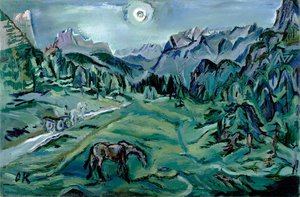
- Paisaje de Dolomitas
Artículos relacionados
Las 10 Obras Maestras del Azul Pizarra: Arte, Historia y Decoración
Descubre las 10 pinturas más famosas dominadas por el azul pizarra. Explora la historia, técnica y belleza de Monet, Van Gogh y otros maestros. Encuentra reproducciones de arte exclusivas para decorar tu hogar en .
The Allure of Azure: Exploring the Symbolic & Aesthetic Depths of Blue in Art History
Explore the rich history of blue in art! Discover its symbolism, from ancient pigments to modern masterpieces by Kandinsky & Seurat. Uncover the psychological impact and cultural meanings behind this captivating hue.
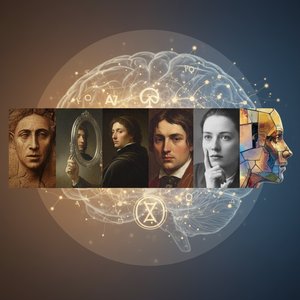
Reflecting the Self: A History of Portraiture & Psychological Insight
Explore the fascinating history of self-portraiture from Renaissance masters like Dürer & Rembrandt to modern interpretations. Discover the psychological insights and artistic techniques behind these iconic works. Expert analysis for art enthusiasts.
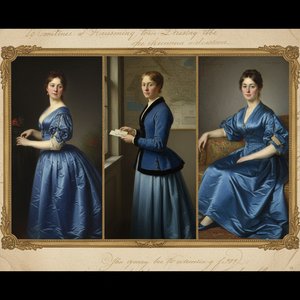
Azure Visions: Exploring Representations of the Blue Dress in Western Art History
Explore the rich history of the blue dress in Western art! Discover its symbolism, from Renaissance masterpieces to modern interpretations by artists like Martin & Schiele. Uncover cultural meanings and artistic techniques.

The Enduring Legacy of Oil on Canvas: Technique, History & Aesthetic Impact
Explore the rich history & techniques of oil painting – from Renaissance masters to Impressionism. Discover pigments, layering methods, and why this timeless medium endures. Expert insights for artists & art enthusiasts.