 Ver en contexto
 Enviar
 Compartir
 Detalles

 Descargar
 Similares
 Radiografía
 Presentación de diapositivas
 Estadísticas
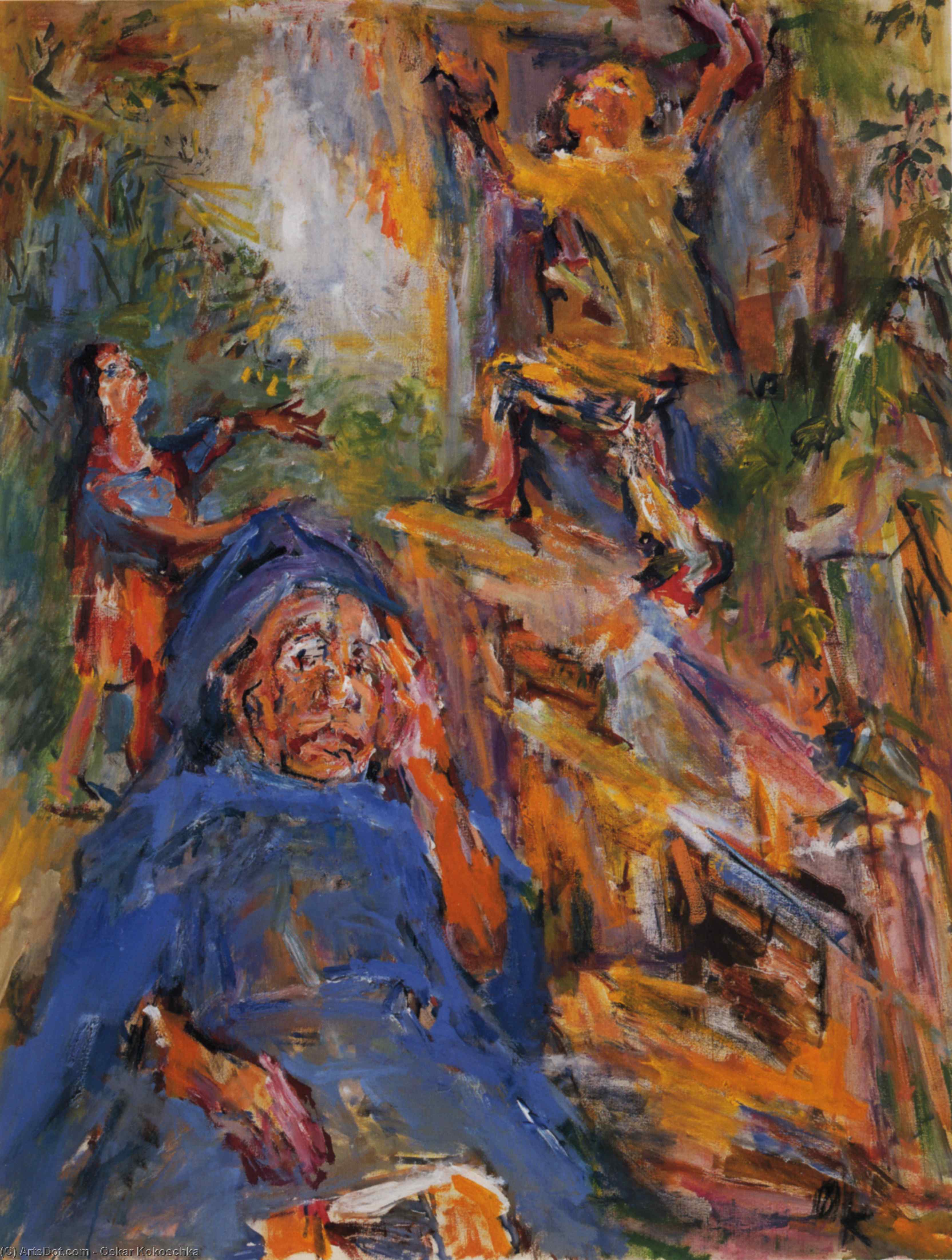
Peer Gynt, Huile sur Toile,
 Oil On Canvas
- WallArt
- Expressionism
 115.0 x 89.0 cm
 Ver más
Giclée / Impresión de arte
Impresiones giclée o en lienzo de calidad de museo con producción rápida y opciones de acabado flexibles. ( Comprar pintura hecha a mano Cambiar a imagen digital)




P118B $10

P118H $10

P118W $10

P438Z $10

P508JH $12

P508YH $12

P805H $10

P805Z $10

P919BZ $10

P919G $10

P919XJ $10

P959ZH $10

P968JZ $12

W106C $8

W218G $10

W218JH $8

W218Y $10

W307PJ $10

W316G $10

W316PJ $8

W316Y $10

W398PJ $8

W4111J $10

W500HY $15

W500JH $15

W692G $12

W849H $8

W940BG $15

W953PJ $8




Elija entre nuestros tamaños predefinidos que respetan las proporciones originales de la obra.

Puede introducir sus propias dimensiones para adaptarse a un marco o espacio específico. Si el tamaño seleccionado no coincide con las proporciones de la imagen original, recortaremos la obra de arte o extenderemos la imagen con un borde con efecto espejo o de color sólido. Se enviará una maqueta digital para su aprobación antes de que comience la producción.
Tenga en cuenta que la vista previa en pantalla no refleja el recorte o la extensión real. Solo la maqueta mostrará con precisión la composición final.
Aunque existen tamaños personalizados, recomendamos seleccionar una dimensión de la lista predefinida para preservar las proporciones originales.
Envío a todo el mundo () en 2 semanas en lugar de las 4/5 semanas estándar. (11 septiembre)

Envío exprés gratuito a todo el mundo

Lienzo de lino de alta calidad

Seguro de envío total

Garantía de reembolso de impuestos aduaneros

Garantía de fidelidad cromática exacta

Política de devolución de 100 días (solo por defectos)

Garantía de devolución del 100% del dinero

Descuento por cantidad
 La opción de vidrio solo está disponible en tamaños inferiores a 110 cm.

Peer Gynt, Huile sur Toile,
Giclée / Impresión de arte
Dimensiones de la reproducción
-


Precio total final
$ 62
The Echoes of Bohemian Drama: An Encounter with Kokoschka's Vision
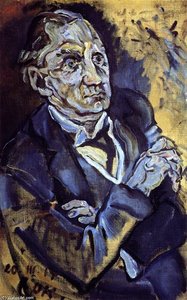
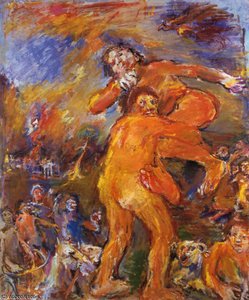
To stand before Oskar Kokoschka’s Peer Gynt, Huile sur Toile is not merely to observe a painting; it is to step directly into the tempestuous heart of fin-de-siècle Vienna. This canvas pulses with an almost palpable energy, capturing a moment thick with unspoken narratives and dramatic tension. The composition draws the eye immediately to the central female figure, whose posture—head gently resting upon her hand—suggests a profound state of contemplation, perhaps weariness, or deep absorption in the unfolding drama around her. She is the still point around which the vibrant currents of human interaction swirl.
Mastery of Expressionist Brushwork
Kokoschka’s technique here is nothing short of electrifying. His application of oil paint upon canvas eschews polished academic smoothness for something far more visceral and immediate. One can almost feel the vigorous, passionate strokes beneath the surface. This is not a painting concerned with mere representation; it is an outpouring of emotion rendered visible. The colors themselves—rich, saturated, and at times jarringly vibrant—do not simply decorate the scene; they participate in the emotional dialogue between the figures. Notice how the light seems to emanate from within the grouping, highlighting gestures and expressions rather than just illuminating them.
A Tapestry of Human Connection and Isolation
The surrounding figures complete this complex tableau. They are positioned with a studied dynamism: one figure looms near the upper left corner, suggesting an observer or perhaps a looming presence; another occupies the center-right, engaged in some unseen exchange; and a third anchors the bottom right quadrant. These individuals seem caught in various orbits of conversation or thought. The genius of Kokoschka lies in his ability to depict multiple simultaneous emotional states—connection, detachment, curiosity—all within one frame. It speaks to the inherent complexity of human relationships, where proximity does not guarantee understanding.
Symbolism and the Spirit of Bohemia
Drawing from the source material, Peer Gynt itself is steeped in myth and psychological depth. The painting transcends a simple portrait gathering; it becomes an allegory for the restless spirit, the search for identity, and the drama inherent in human experience. Kokoschka, deeply attuned to the anxieties of his era, imbues this scene with a raw, almost feverish symbolism. It invites the viewer to question who is watching whom, and what secrets lie just beneath the surface of polite interaction. For the collector or designer, owning this piece means acquiring not just art, but a potent conversation starter—a reflection on the drama that defines us all.
Bringing the Intensity Home
To reproduce such an intensely emotional work requires a deep respect for its original texture and fervor. A high-quality reproduction allows one to bring this vibrant, psychologically charged atmosphere into your own space. Imagine this piece anchoring a room—its energy counterbalancing quiet moments of repose. It serves as a magnificent focal point, demanding that the viewer pause, lean in, and become part of Kokoschka’s enduring, passionate vision.
Obras relacionadas


Biografía del artista
Primeros años y educación
Oskar Kokoschka, un artista austriaco, poeta y dramaturgo, nació el 1 de marzo de 1886 en Pöchlarn, Austria. Sus padres fueron Gustav Josef Kokoschka, un orfebre checo, y Maria Romana Kokoschka (de soltera Loidl). Su vida estuvo marcada por una fuerte creencia en los presagios, lo que influyó en su estilo artístico. La educación de Kokoschka en la Realschule se centró en materias modernas, pero solo destacó en arte, leyendo literatura clásica durante sus lecciones, lo cual más tarde influyó en su obra.Carrera artística
El viaje artístico de Kokoschka comenzó en la Kunstgewerbeschule (Escuela de Artes y Oficios) en Viena desde 1904 hasta 1909. Fue uno de los tres aceptados entre 153 solicitantes, bajo la guía del profesor Carl Otto Czeschka, quien lo ayudó a desarrollar un estilo original. Sus primeras obras presentaban dibujos gestuales de niños, retratándolos como torpes y cadavéricos.- Sus primeras comisiones fueron postales y dibujos para niños, que describió como "la base del entrenamiento artístico".
- Su primera etapa profesional se caracterizó por retratos de celebridades vienesas en un estilo nervioso y animado.
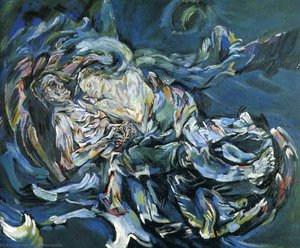
- Un apasionado romance con Alma Mahler inspiró su obra maestra, La Novia del Viento (El Tormento), un homenaje a ella.
Guerra y vida posterior
Kokoschka se ofreció como voluntario para servir en la Primera Guerra Mundial y resultó gravemente herido en 1915. Fue declarado degenerado por los nazis, huyó de Austria en 1934 hacia Praga y luego se estableció en el Reino Unido durante la guerra. Obtuvo la ciudadanía británica en 1946 y recuperó la ciudadanía austriaca en 1978.Legado e Influencia
- Obras clave:
- La Novia del Viento (El Tormento), un homenaje a Alma Mahler.
- Retratos de celebridades vienesas en un estilo nervioso y animado.
- Museos que exhiben su obra:
- Kunsthaus Museum en Zúrich, con su pintura de Ferdinand Bloch-Bauer.
- Palacio y Museo Belvedere en Viena, mostrando sus obras en la exposición "Las Mujeres de Klimt, Schiele y Kokoschka".
- Plataformas online:
- La página de Oskar Kokoschka en ArtsDot.com, con sus obras de arte y biografía.
- La página de Wikipedia sobre Oskar Kokoschka, que proporciona información detallada sobre su vida y obra.
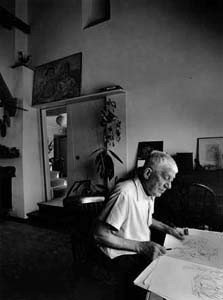
Oskar Kokoschka
1886 - 1980 , Austria
Datos clave
- Artistas Influyentes:
- Sigmund Freud
- Jugendstil
- Fecha De Fallecimiento: 22 de febrero de 1980
- Fecha De Nacimiento: 1 de marzo de 1886
- Influenciado A Artistas:
- Expresionistas
- Neoexpresionistas
- Lugar De Nacimiento: Pöchlarn, Austria
- Movimiento Artístico: Expresionismo
- Nacionalidad: Austriaco
- Nombre Completo: Oskar Kokoschka
- Obras Notables:
- Esposa del Viento (La Tempestad)
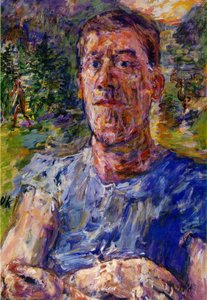
- Autorretrato de un Artista Débil
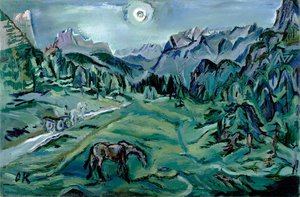
- Paisaje de Dolomitas
Artículos relacionados
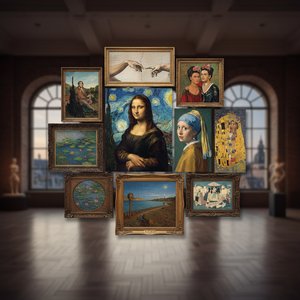
Las 10 Obras Maestras al Óleo que Revolucionaron la Historia del Arte |
Descubre las 10 obras maestras al óleo que transformaron la historia del arte. Explora Van Gogh, Monet, Da Vinci y más. Reproducciones de alta calidad para decorar tu hogar con elegancia. ¡Encuentra tu obra favorita en !

El Óleo sobre Lienzo: Historia, Técnica y la Persistencia de un Medio Artístico Atemporal
Descubre la historia y técnica del óleo sobre lienzo. Explora reproducciones fieles hechas a mano, personalización artística y consejos de expertos con ArtsDot. ¡Colecciona arte con confianza!

El Legado Duradero del Óleo sobre Lienzo: Técnica, Historia y Práctica Contemporánea
Descubre la historia y técnica del óleo sobre lienzo. Explora reproducciones fieles hechas a mano, personalización artística y consejos de expertos con .

The Enduring Legacy of Oil on Canvas: Technique, History & Aesthetic Impact
Explore the rich history & techniques of oil painting – from Renaissance masters to Impressionism. Discover pigments, layering methods, and why this timeless medium endures. Expert insights for artists & art enthusiasts.

The Enduring Power of Painting: A Historical & Contemporary Exploration of Form and Emotion
Explore the rich history & enduring techniques of oil painting with ArtsDot. Discover masterpieces, learn about art collecting, and find authentic handmade reproductions crafted by skilled artists.