 Ver en contexto
 Enviar
 Compartir
 Detalles

 Descargar
 Similares
 Radiografía
 Presentación de diapositivas
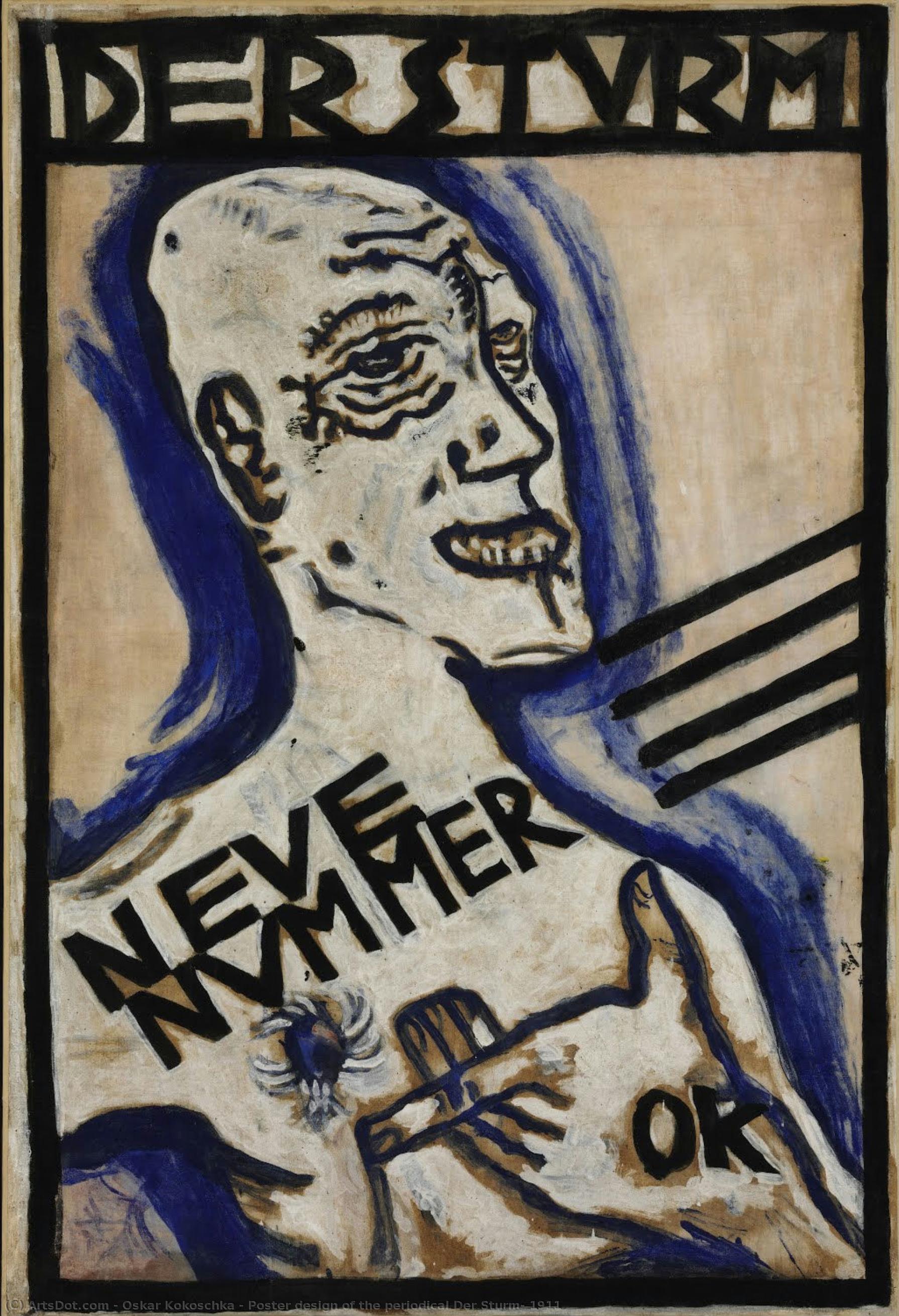
Poster design of the periodical Der Sturm, 1911
 Tempera
- WallArt
- Expressionism
 1911
1911- Modern
 102.0 x 70.0 cm
 Museo de Bellas Artes (Budapest)
 Ver más
Giclée / Impresión de arte
Impresiones giclée o en lienzo de calidad de museo con producción rápida y opciones de acabado flexibles. ( Comprar pintura hecha a mano Comprar imagen)




P118B $10

P118H $10

P118W $10

P438Z $10

P508JH $12

P508YH $12

P805H $10

P805Z $10

P919BZ $10

P919G $10

P919XJ $10

P959ZH $10

P968JZ $12

W106C $8

W218G $10

W218JH $8

W218Y $10

W307PJ $10

W316G $10

W316PJ $8

W316Y $10

W398PJ $8

W4111J $10

W500HY $15

W500JH $15

W692G $12

W849H $8

W940BG $15

W953PJ $8




Elija entre nuestros tamaños predefinidos que respetan las proporciones originales de la obra.

Puede introducir sus propias dimensiones para adaptarse a un marco o espacio específico. Si el tamaño seleccionado no coincide con las proporciones de la imagen original, recortaremos la obra de arte o extenderemos la imagen con un borde con efecto espejo o de color sólido. Se enviará una maqueta digital para su aprobación antes de que comience la producción.
Tenga en cuenta que la vista previa en pantalla no refleja el recorte o la extensión real. Solo la maqueta mostrará con precisión la composición final.
Aunque existen tamaños personalizados, recomendamos seleccionar una dimensión de la lista predefinida para preservar las proporciones originales.
Envío a todo el mundo () en 2 semanas en lugar de las 4/5 semanas estándar. (1 septiembre)

Envío exprés gratuito a todo el mundo

Lienzo de lino de alta calidad

Seguro de envío total

Garantía de reembolso de impuestos aduaneros

Garantía de fidelidad cromática exacta

Política de devolución de 60 días (solo por defectos)

Garantía de devolución del 100% del dinero

Descuento por cantidad
 La opción de vidrio solo está disponible en tamaños inferiores a 110 cm.

Poster design of the periodical Der Sturm, 1911
Giclée / Impresión de arte
Dimensiones de la reproducción
-


Precio total final
$ 62
A Visceral Encounter with Expressionist Anxiety
To stand before Oskar Kokoschka’s "Poster design of the periodical Der Sturm," created in 1911, is to witness a profound psychological rupture captured on canvas. This work is far more than a mere graphic announcement for a contemporary journal; it is a haunting testament to the anxieties simmering beneath the surface of Viennese Expressionism. At its heart lies a monumental portrait of a solitary figure, a man whose visage serves as a window into a soul gripped by palpable fear and anguish. Kokoschka deliberately eschews the idealized beauty of classical portraiture, opting instead for a distorted, unsettling gaze that forces the viewer to confront the raw, uncomfortable truths of the human condition. The subject's expression—a strange, almost primal yell—transcends simple depiction, becoming a universal symbol of the existential dread that characterized the dawn of the twentieth century.
The technical mastery behind this piece is as striking as its emotional intensity. Utilizing tempera on canvas, Kokoschka achieved a remarkable level of luminosity and textural depth. The medium allowed him to apply layers upon layers of pigment with meticulous care, creating surfaces that seem to pulsate with an inner, restless energy. His palette is masterfully restrained, dominated by somber, earthy tones that ground the composition in a sense of gravity, yet these are punctuated by sudden, sharp flashes of crimson. These bursts of color act like psychological wounds upon the canvas, mirroring the internal turbulence of the subject. For the discerning collector or interior designer, this painting offers a sophisticated interplay of muted elegance and dramatic tension, making it a commanding focal point for any curated space.
The Pulse of a Revolution: Historical and Symbolic Resonance
Historically, this work emerged from the intense intellectual ferment of pre-war Vienna, a period defined by radical artistic rebellion. The periodical Der Sturm was a vital conduit for the avant-garde, and Kokoschka’s design captured the very essence of that movement's spirit. By rejecting the fleeting, light-drenched ideals of Impressionism, Kokoschka embraced the core tenets of Expressionism: the prioritization of inner emotion over objective reality. Every brushstroke in this poster serves a symbolic purpose, aiming to communicate the "inner necessity" of the artist’s vision. The tension within the composition reflects the broader societal shifts occurring at the time—a world on the precipice of monumental change, where old certainities were dissolving into new, often terrifying, complexities.
For those seeking to bring a piece of art history into their personal environment, this reproduction offers an unparalleled opportunity to engage with the roots of modernism. The painting does not merely decorate a room; it animates it with a sense of historical weight and emotional depth. It invites contemplation, sparking conversations about the nature of perception and the enduring power of the human spirit to express its most profound struggles. Whether placed in a quiet study or a bold contemporary gallery, Kokoschka’s masterpiece remains a timeless exploration of the psyche, offering an evocative presence that continues to captivate and unsettle nearly a century after its creation.
Obras relacionadas
Biografía del artista
Primeros años y educación
Oskar Kokoschka, un artista austriaco, poeta y dramaturgo, nació el 1 de marzo de 1886 en Pöchlarn, Austria. Sus padres fueron Gustav Josef Kokoschka, un orfebre checo, y Maria Romana Kokoschka (de soltera Loidl). Su vida estuvo marcada por una fuerte creencia en los presagios, lo que influyó en su estilo artístico. La educación de Kokoschka en la Realschule se centró en materias modernas, pero solo destacó en arte, leyendo literatura clásica durante sus lecciones, lo cual más tarde influyó en su obra.Carrera artística
El viaje artístico de Kokoschka comenzó en la Kunstgewerbeschule (Escuela de Artes y Oficios) en Viena desde 1904 hasta 1909. Fue uno de los tres aceptados entre 153 solicitantes, bajo la guía del profesor Carl Otto Czeschka, quien lo ayudó a desarrollar un estilo original. Sus primeras obras presentaban dibujos gestuales de niños, retratándolos como torpes y cadavéricos.- Sus primeras comisiones fueron postales y dibujos para niños, que describió como "la base del entrenamiento artístico".
- Su primera etapa profesional se caracterizó por retratos de celebridades vienesas en un estilo nervioso y animado.
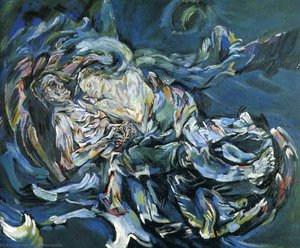
- Un apasionado romance con Alma Mahler inspiró su obra maestra, La Novia del Viento (El Tormento), un homenaje a ella.
Guerra y vida posterior
Kokoschka se ofreció como voluntario para servir en la Primera Guerra Mundial y resultó gravemente herido en 1915. Fue declarado degenerado por los nazis, huyó de Austria en 1934 hacia Praga y luego se estableció en el Reino Unido durante la guerra. Obtuvo la ciudadanía británica en 1946 y recuperó la ciudadanía austriaca en 1978.Legado e Influencia
- Obras clave:
- La Novia del Viento (El Tormento), un homenaje a Alma Mahler.
- Retratos de celebridades vienesas en un estilo nervioso y animado.
- Museos que exhiben su obra:
- Kunsthaus Museum en Zúrich, con su pintura de Ferdinand Bloch-Bauer.
- Palacio y Museo Belvedere en Viena, mostrando sus obras en la exposición "Las Mujeres de Klimt, Schiele y Kokoschka".
- Plataformas online:
- La página de Oskar Kokoschka en ArtsDot.com, con sus obras de arte y biografía.
- La página de Wikipedia sobre Oskar Kokoschka, que proporciona información detallada sobre su vida y obra.
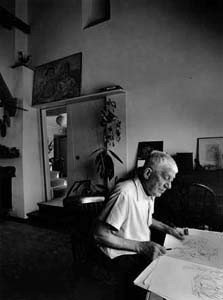
Oskar Kokoschka
1886 - 1980 , Austria
Datos clave
- Artistas Influyentes:
- Sigmund Freud
- Jugendstil
- Fecha De Fallecimiento: 22 de febrero de 1980
- Fecha De Nacimiento: 1 de marzo de 1886
- Influenciado A Artistas:
- Expresionistas
- Neoexpresionistas
- Lugar De Nacimiento: Pöchlarn, Austria
- Movimiento Artístico: Expresionismo
- Nacionalidad: Austriaco
- Nombre Completo: Oskar Kokoschka
- Obras Notables:
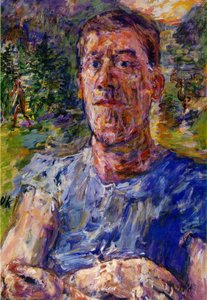
- Esposa del Viento (La Tempestad)
- Autorretrato de un Artista Débil
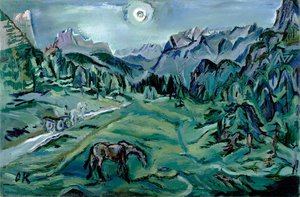
- Paisaje de Dolomitas
Artículos relacionados
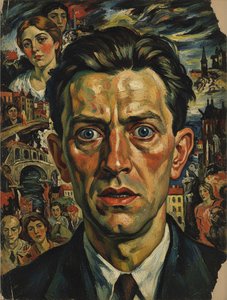
Oskar Kokoschka: A Turbulent Life Painted with Expressionist Intensity
Explore the intense expressionism of Oskar Kokoschka (1886-1980). Discover his psychologically charged portraits, landscapes & 'The Bride of the Wind'. A deep dive into a turbulent life and lasting artistic legacy.
El Resplandor del Tiempo: Explorando la Técnica y el Legado de la Témpera sobre Tabla
Descubra la fascinante historia y técnica de la témpera sobre tabla. Explore los materiales, el simbolismo y la conservación de esta antigua forma de arte con ArtsDot.
Illuminating History: A Comprehensive Exploration of Tempera Painting Techniques & Artistic Legacy
Explore the rich history & techniques of tempera painting! Discover Renaissance masters like Botticelli & Fra Angelico, conservation insights, and the enduring legacy of this captivating art form.
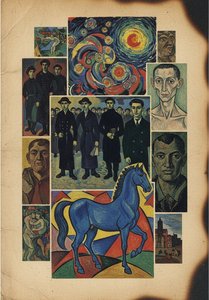
Expresionismo Alemán: 10 Obras Maestras que Transformaron el Arte | ArtsDot
Descubre las 10 obras maestras del Expresionismo Alemán: Kirchner, Munch y más. Explora la historia, técnica y emoción detrás de estos lienzos icónicos. Reproducciones de arte de museo en ArtsDot.com. ¡Inspira tu hogar con arte!
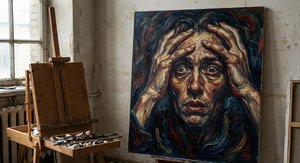
Expresionismo Figurado: Intensidad Emocional y Realidad Subjetiva en el Arte del Siglo XX
Explora la intensidad emocional del Expresionismo Figurado alemán. Descubre sus orígenes, artistas clave como Munch y Kirchner, y su legado en el arte moderno. Análisis experto y profundo.