 Ver en contexto
 Enviar
 Compartir
 Detalles

 Descargar
 Similares
 Radiografía
 Presentación de diapositivas
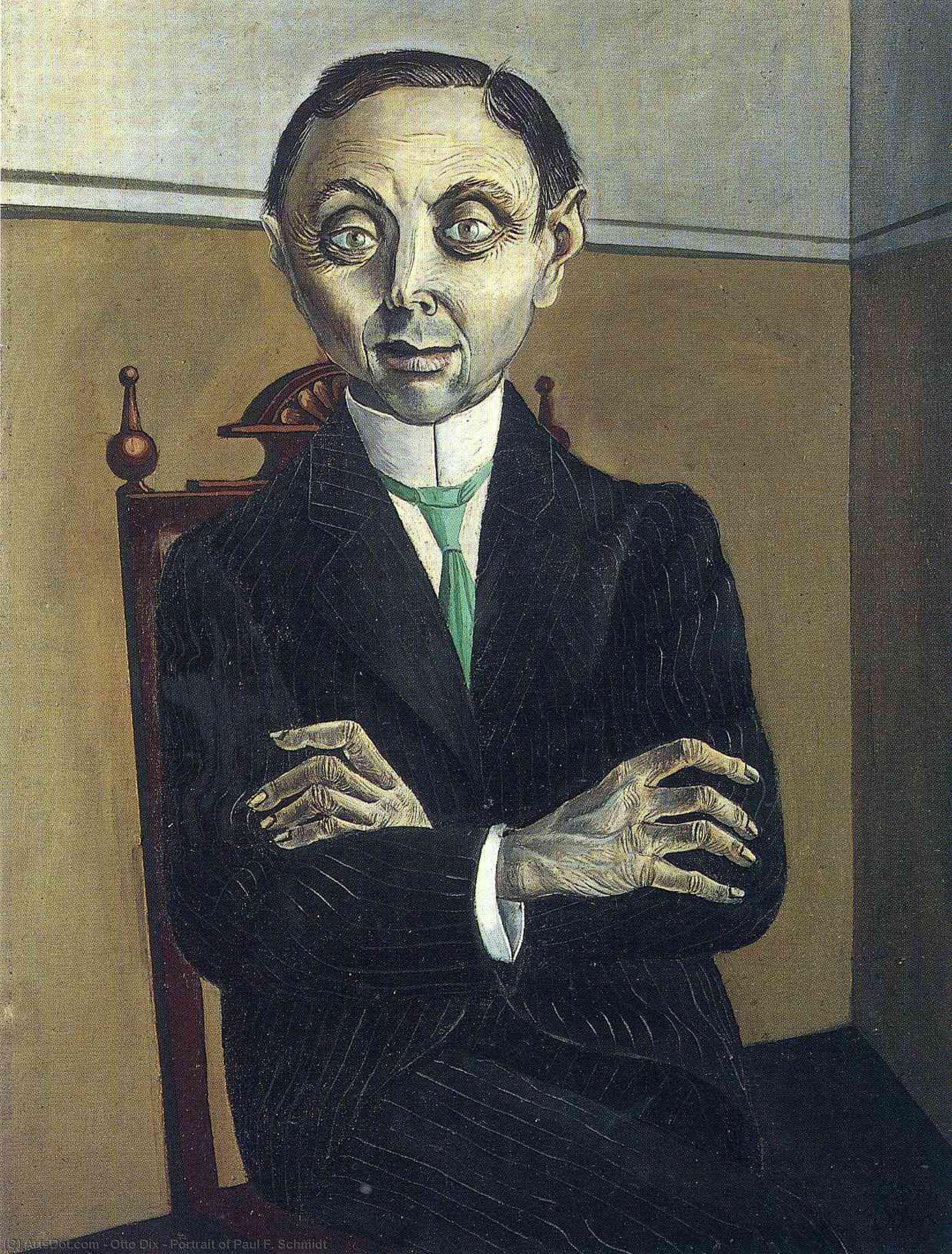
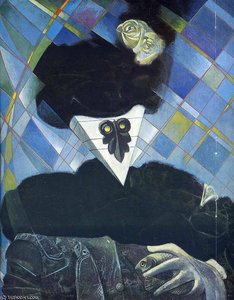
Portrait of Paul F. Schmidt
 Oil
Oil- WallArt
- Neue Sachlichkeit
 1921
1921- Modern
 63.0 x 82.0 cm
 Ver más
Giclée / Impresión de arte
Impresiones giclée o en lienzo de calidad de museo con producción rápida y opciones de acabado flexibles. ( Comprar pintura hecha a mano Comprar imagen)




P118B $10

P118H $10

P118W $10

P438Z $10

P508JH $12

P508YH $12

P805H $10

P805Z $10

P919BZ $10

P919G $10

P919XJ $10

P959ZH $10

P968JZ $12

W106C $8

W218G $10

W218JH $8

W218Y $10

W307PJ $10

W316G $10

W316PJ $8

W316Y $10

W398PJ $8

W4111J $10

W500HY $15

W500JH $15

W692G $12

W849H $8

W940BG $15

W953PJ $8




Elija entre nuestros tamaños predefinidos que respetan las proporciones originales de la obra.

Puede introducir sus propias dimensiones para adaptarse a un marco o espacio específico. Si el tamaño seleccionado no coincide con las proporciones de la imagen original, recortaremos la obra de arte o extenderemos la imagen con un borde con efecto espejo o de color sólido. Se enviará una maqueta digital para su aprobación antes de que comience la producción.
Tenga en cuenta que la vista previa en pantalla no refleja el recorte o la extensión real. Solo la maqueta mostrará con precisión la composición final.
Aunque existen tamaños personalizados, recomendamos seleccionar una dimensión de la lista predefinida para preservar las proporciones originales.
Envío a todo el mundo () en 2 semanas en lugar de las 4/5 semanas estándar. (27 agosto)

Envío exprés gratuito a todo el mundo

Lienzo de lino de alta calidad

Seguro de envío total

Garantía de reembolso de impuestos aduaneros

Garantía de fidelidad cromática exacta

Política de devolución de 60 días (solo por defectos)

Garantía de devolución del 100% del dinero

Descuento por cantidad
 La opción de vidrio solo está disponible en tamaños inferiores a 110 cm.

Portrait of Paul F. Schmidt
Giclée / Impresión de arte
Dimensiones de la reproducción
-


Precio total final
$ 62
Descripción de la pieza
A Moment Frozen in Contemplation
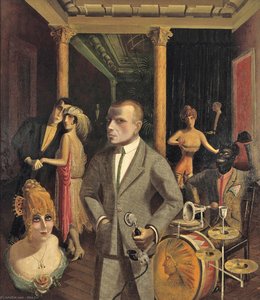
In the quiet depths of Otto Dix’s 1921 masterpiece, Portrait of Paul F. Schmidt, we are invited into a space of profound stillness and psychological weight. The painting presents a man seated with a gravity that seems to anchor the entire composition. Dressed in a formal suit accented by a striking green tie, Schmidt is captured not in a moment of action, but in one of deep, perhaps even somber, introspection. His gaze is cast downward, averted from the viewer, suggesting a mind turned inward, grappling with thoughts that remain hidden from the external world. This downward tilt of the head and the heavy, contemplative expression create an immediate emotional resonance, pulling the observer into the subject's private sphere of reflection.
The setting itself serves as a silent witness to this internal monologue. The arrangement of the room—with chairs positioned behind the subject and a clock suspended on the wall—adds a layer of domestic stillness that borders on the cinematic. There is a palpable sense of time passing, or perhaps time standing still, emphasized by the presence of the clock, which acts as a subtle memento mori, reminding us of the fleeting nature of human existence. The vintage atmosphere of the piece, rendered with an old-fashioned elegance, transports the viewer to the early twentieth century, evoking a sense of nostalgia for a bygone era of formal dignity and quietude.
The Mastery of Neue Sachlichkeit
As a pivotal figure of the Neue Sachlichkeit, or New Objectivity, movement, Otto Dix brings a level of stark, unflinching realism to this portrait that is both captivating and unsettling. Unlike the more fluid movements of previous decades, Dix’s technique here focuses on a precise, almost clinical rendering of form and texture. Every fold in the subject's clothing and every subtle shadow cast by the ambient light is treated with meticulous care. This precision does not merely serve to replicate reality; it serves to heighten the psychological tension within the frame. By stripping away unnecessary ornamentation, Dix forces us to confront the raw, unadorned essence of his subject.
For the discerning collector or interior designer, this painting offers a sophisticated interplay of color and light. The muted palette, punctuated by the singular, verdant note of the green tie, creates a balanced composition that is both visually stimulating and harmoniously calm. The way the light falls across the man's face, highlighting the contours of his features while leaving parts of the background in soft shadow, provides a depth that makes the canvas feel three-dimensional. This mastery of light and shadow ensures that the artwork remains a commanding focal point in any curated space, offering a sense of historical weight and intellectual depth.
An Enduring Legacy for Modern Interiors
Integrating a high-quality reproduction of this work into a contemporary or classic interior allows for a profound dialogue between history and modern aesthetics. The Portrait of Paul F. Schmidt is more than just a depiction of a man; it is an exploration of the human condition, captured through the lens of one of Germany's most significant twentieth-century artists. Its ability to evoke emotion—ranging from melancholy to quiet respect—makes it an ideal choice for those looking to add character and soul to a room.
Whether placed in a study, a library, or a formal living area, the painting serves as a conversation piece that invites lingering observation. It provides a sense of permanence and stability, grounding a modern space with its historical gravity. For lovers of fine art, owning a reproduction of this caliber is an opportunity to possess a fragment of the Weimar Republic's complex artistic soul, bringing the haunting beauty of Otto Dix’s vision into the intimacy of the home.
Obras relacionadas

Biografía del artista
Primeros años y formación
Wilhelm Heinrich Otto Dix, un renombrado pintor e grabador alemán, nació el 2 de diciembre de 1891 en Unterhausen, Alemania. Como hijo mayor de un trabajador de una fundición de hierro y una costurera que había escrito poesía en su juventud, Dix estuvo expuesto al arte desde temprana edad. Las horas que pasaba en el estudio de su primo, Fritz Amann, pintor, fueron decisivas para formar la ambición de Otto de convertirse en artista.Trayectoria artística
Entre 1906 y 1910, Dix sirvió como aprendiz del pintor Carl Senff, comenzando a pintar sus primeros paisajes. En 1910, ingresó a la Kunstgewerbeschule en Dresde (academia de artes aplicadas), donde Richard Guhr fue uno de sus maestros. Su obra se desarrolló a través de varias etapas:- Expresionismo y Dadaísmo: Inicialmente influenciado por el expresionismo y el dadaísmo, Dix exploró estas corrientes antes de adoptar un estilo más realista y crítico.
- Neue Sachlichkeit (Nueva Objetividad): Se convirtió en una figura clave del movimiento Neue Sachlichkeit, junto con George Grosz. Este movimiento se caracterizó por su representación cruda y sin adornos de la sociedad alemana durante la República de Weimar.
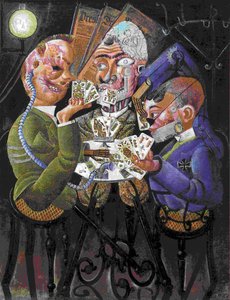
- La Guerra y sus Consecuencias: Su experiencia en la Primera Guerra Mundial marcó profundamente su obra. Pintó series como "Guerra Cripples" (Kriegskrüppel), que revelan el lado feo de la guerra e ilustran su estatus olvidado dentro de la sociedad alemana contemporánea. La pintura "La Trinchera" (Der Schützengraben) causó conmoción por sus representaciones explícitas de cuerpos mutilados y descompuestos.
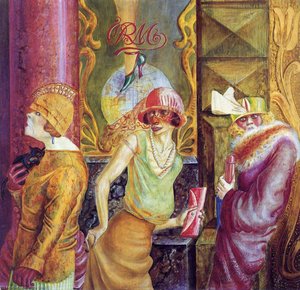
- Metrópolis: Creó obras como "Metrópolis" (1928), una representación mordaz de las acciones depravadas de la República de Weimar, mostrando la decadencia moral y social de la época.
Temas y Estilo
El estilo de Dix se caracteriza por su realismo implacable, a menudo combinado con elementos satíricos y grotescos. Sus temas principales incluyen:- Retratos: Realizó numerosos retratos de figuras prominentes de la sociedad alemana, capturando sus personalidades y debilidades con una mirada crítica.
- Escenas Urbanas: Representó la vida en las ciudades durante la República de Weimar, mostrando la decadencia, el vicio y la alienación que caracterizaban a la época.
- La Guerra: Sus obras sobre la guerra son particularmente impactantes por su honestidad brutal y su falta de romanticismo. Mostró los horrores físicos y psicológicos del conflicto con una intensidad sin precedentes.
Legado e Influencia
Otto Dix fue un artista fundamental en el arte alemán del siglo XX. Su obra, a pesar de ser controvertida en su época, sigue siendo relevante hoy en día por su crítica social incisiva y su representación honesta de la realidad. Su influencia se puede ver en artistas posteriores que exploraron temas similares de guerra, decadencia y alienación. Fue un pionero en el uso del realismo para exponer las contradicciones y los horrores de la sociedad moderna.Exposiciones y Colecciones
La obra de Otto Dix se encuentra en importantes museos y colecciones alrededor del mundo:- Suermondt-Ludwig-Museum, Alemania: Alberga una importante colección de obras de Dix y otros artistas.
- Goethe-Museum, Frankfurt, Alemania: Dedicado a la vida y obra de Johann Wolfgang von Goethe, también exhibe obras de arte relevantes para el contexto cultural alemán.
- Numerosas colecciones privadas: Su trabajo es muy valorado por coleccionistas de arte internacionalmente.
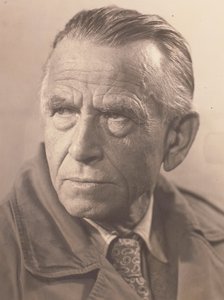
Otto Dix
1891 - 1969 , Alemania
Datos clave
- Artistas Que Influyeron:
- Carl Senff
- Fritz Amann
- Fecha De Fallecimiento: 1969
- Fecha De Nacimiento: 2 de diciembre de 1891
- Influencia En Artistas: ['George Grosz']
- Lugar De Nacimiento: Unterhhausen, Alemania
- Movimiento Artístico: Neue Sachlichkeit
- Nacionalidad: Alemán
- Nombre Completo: Otto Dix
- Obras Notables:
- Metrópolis
- La trinchera
- Víctimas de la guerra
Artículos relacionados
Paul Klee: Las 25 Obras Maestras que Definen un Genio del Arte Moderno | ArtsDot
Descubre las 25 obras maestras de Paul Klee, el genio del arte moderno. Explora su expresionismo único, composiciones abstractas y vibrantes paletas de colores. Reproducciones de alta calidad y decoración con arte en ArtsDot.com.
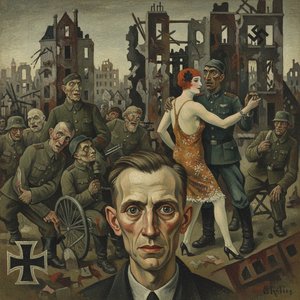
Otto Dix: Trauma, Society & Artistic Rebellion in Weimar Germany
Explore the powerful and unsettling art of Otto Dix, a key figure of Neue Sachlichkeit. Discover his unflinching depictions of Weimar Germany's trauma, society, and war through insightful analysis & iconic masterpieces.
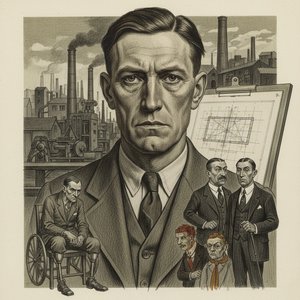
Neue Sachlichkeit: Objetividad, Realismo y Comentario Social en el Arte Alemán de Entreguerras
Explore la Neue Sachlichkeit: un movimiento artístico alemán clave del entreguerras. Análisis profundo de su realismo, fotografía y literatura. Descubra a sus artistas más destacados y su legado en el arte moderno.

Paul Cézanne: Las 25 Obras Maestras que Definieron el Arte Moderno | ArtsDot
Descubre las 25 obras maestras de Paul Cézanne que revolucionaron el arte moderno. Explora su técnica, inspiración y significado en paisajes, bodegones y retratos. Reproducciones de alta calidad para decorar tu hogar con arte inolvidable. ¡Explora la colección completa en ArtsDot.com!
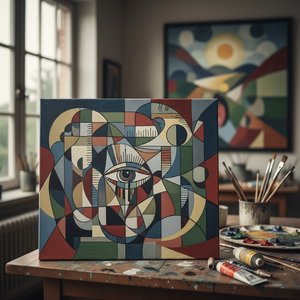
Paul Klee: A Poetics of Form and Color – Exploring the Inner Landscape of a Modern Master
Explore the captivating world of Paul Klee! Discover his innovative art, Bauhaus influence, & unique symbolic language. Expert analysis & high-quality reproductions at ArtsDot.