

 Ver en contexto
 Enviar
 Compartir
 Detalles

 Descargar
 Similares
 Radiografía
 Presentación de diapositivas
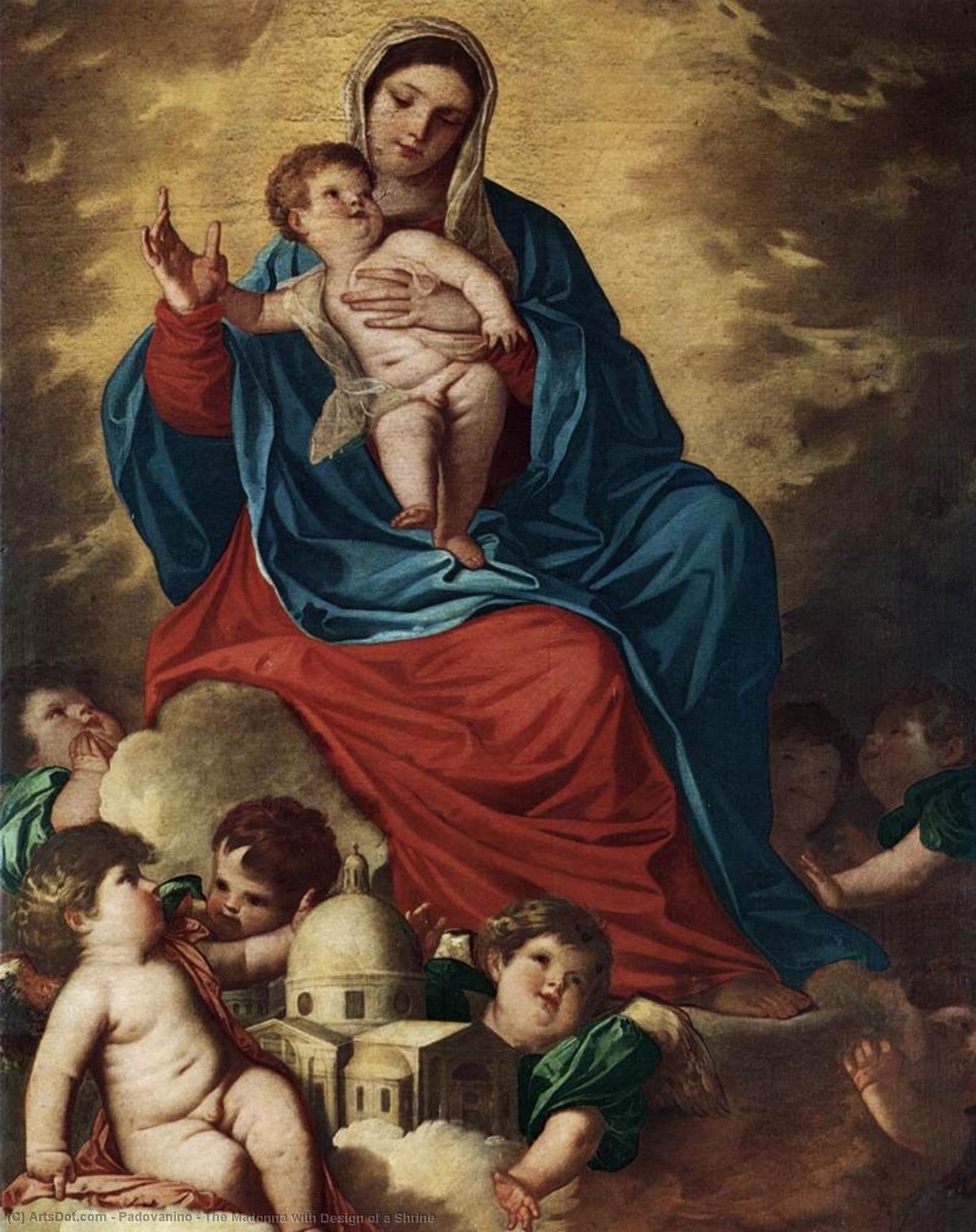
The Madonna with Design of a Shrine


 Ver más
Reproducción al óleo hecha a mano
Óleo sobre lienzo pintado a mano en el tamaño y marco de su elección, realizado por encargo por nuestros artistas. ( Comprar impresión Comprar imagen)




P118B $10

P118H $10

P118W $10

P438Z $10

P508JH $12

P508YH $12

P805H $10

P805Z $10

P919BZ $10

P919G $10

P919XJ $10

P959ZH $10

P968JZ $12

W106C $8

W218G $10

W218JH $8

W218Y $10

W307PJ $10

W316G $10

W316PJ $8

W316Y $10

W398PJ $8

W4111J $10

W500HY $15

W500JH $15

W692G $12

W849H $8

W940BG $15

W953PJ $8




Elija entre nuestros tamaños predefinidos que respetan las proporciones originales de la obra.

Puede ingresar sus propias dimensiones para adaptarse a un marco o espacio específico. Si el tamaño seleccionado no coincide con las proporciones de la imagen original, recortaremos la obra o extenderemos la pintura con elementos adicionales pintados a mano. Se le enviará una maqueta digital para su aprobación antes de comenzar la producción.
Tenga en cuenta que la vista previa en pantalla no refleja el recorte o la extensión reales. Solo la maqueta mostrará con precisión la composición final.
Si bien existen tamaños personalizados, recomendamos seleccionar una dimensión de la lista predefinida para preservar las proporciones originales.
Tras realizar el pedido, el equipo de ArtsDot.com enviará un correo electrónico al cliente para solicitar instrucciones y proporcionarle una vista previa del boceto.
Envío a todo el mundo () en 3-4 semanas en lugar de las 5 semanas estándar. (2 septiembre). Sin comprometer la calidad.

Envío exprés gratuito a todo el mundo

Lienzo de lino de alta calidad

Seguro de envío total

Garantía de reembolso de impuestos aduaneros

Garantía de fidelidad cromática exacta

Política de devolución de 60 días (solo por defectos)

Garantía de devolución del 100% del dinero

Descuento por cantidad
 La opción de vidrio solo está disponible en tamaños inferiores a 110 cm.

The Madonna with Design of a Shrine
Técnica de reproducción
Dimensiones de la reproducción
-


Precio total final
$ 263
The Madonna with Design of a Shrine – A Venetian Masterpiece
Padovanino’s “The Madonna with Design of a Shrine,” painted in 1630, is more than just a devotional image; it's a carefully constructed narrative brimming with religious symbolism and reflecting the evolving artistic landscape of Venice during its Golden Age. This painting offers a glimpse into the heart of Venetian piety while simultaneously showcasing Padovanino’s mastery of technique and his deep admiration for the legacy of Titian, whose influence permeates every brushstroke.
The scene unfolds within a richly detailed interior, likely representing a chapel or sanctuary. The Virgin Mary, rendered with an almost palpable serenity, holds the infant Jesus in a tender embrace. He is nursing, a gesture that immediately establishes a profound connection between mother and child – a central theme of Christian iconography. Around them, a small gathering of figures—an attendant, perhaps a scribe, and two angels—adds to the sense of intimacy and reverence. The architectural backdrop, dominated by a soaring dome reminiscent of St. Mark’s Basilica, anchors the scene within the grandeur of Venetian civic life and its powerful association with the Catholic Church.
A Symphony of Color and Light – Padovanino's Technique
Padovanino’s skill lies not just in his ability to depict figures realistically but also in his masterful manipulation of color and light. He employs a technique known as “sfumato,” borrowed from Leonardo da Vinci, creating soft transitions between tones and blurring the outlines of forms. This lends an ethereal quality to the scene, softening the edges of the figures and bathing them in a warm, diffused glow. The use of deep reds and blues – particularly in Mary’s robes – draws the eye immediately to her figure, emphasizing her importance within the composition. Notice also the subtle variations in light across the surfaces; this creates a sense of depth and volume, bringing the scene to life with remarkable immediacy.
The artist's meticulous attention to detail is evident throughout. The folds of Mary’s garments are rendered with exquisite precision, while the delicate features of the infant Jesus convey an innocence and vulnerability that resonate deeply with viewers. Even the architectural elements—the columns, arches, and decorative moldings—are painted with a remarkable level of realism, demonstrating Padovanino's deep understanding of Venetian architecture.
Symbolism and Context – A Window into 17th-Century Venice
“The Madonna with Design of a Shrine” is steeped in religious symbolism. The nursing pose itself is laden with meaning, representing the Eucharist—the body and blood of Christ offered to believers. The presence of the scribe suggests the importance of written scripture and the role of the Church in preserving knowledge. The dome, a prominent feature of Venetian architecture, symbolizes heaven and God’s divine power. Furthermore, the “design of a shrine” alluded to in the title hints at the burgeoning interest in architectural innovation within the Catholic Church during this period – a desire to create spaces that were both aesthetically pleasing and spiritually uplifting.
Painted in 1630, the work reflects Venice’s position as a major artistic center. Following the Sack of Rome in 1527, many artists fled to Venetian Republic seeking patronage and stability. This influx of talent contributed significantly to the city's flourishing artistic scene. Padovanino, who spent time in Rome honing his skills, brought this renewed energy back to Venice, contributing to the transition from Mannerism to Early Baroque.
A Timeless Appeal – Reproduction and Beyond
Reproductions of “The Madonna with Design of a Shrine” offer an exceptional opportunity to bring the beauty and serenity of Padovanino’s masterpiece into any setting. Whether adorning a private chapel, a corporate office, or a cherished home, this painting's evocative imagery and masterful technique will undoubtedly captivate viewers. The work’s enduring appeal lies in its ability to transcend time, offering a timeless meditation on faith, family, and the divine—a testament to Padovanino’s artistic genius and the rich cultural heritage of Venice.
Obras relacionadas
Biografía del artista
Alessandro Varotari (Padovanino) – Vida y Legado
Padovanino, cuyo nombre verdadero era Alessandro Leone Varotari, fue un pintor veneciano que marcó una transición esencial entre el manierismo tardío y el barroco temprano. Conocido por su estilo inspirado en Titian, este artista logró capturar la sensualidad y fuerza narrativa características de la época, convirtiéndose en uno de los maestros más influyentes de su generación. Su legado sigue siendo estudiado y admirado hasta nuestros días.Primeros Años y Formación
Alessandro Varotari nació en Padua, Italia, en 1588, hijo del pintor Dario Varotari el Viejo, quien desempeñó un papel fundamental en la formación inicial de su hijo. Aunque los detalles específicos sobre su infancia son escasos, se sabe que estudió los frescos impresionantes de Tiziano en la Scuola di San Antonio de Padua durante su juventud, una influencia directa que definiría toda su trayectoria artística. Esta exposición temprana al estilo titanesco sería un sello distintivo de su sensibilidad estética y técnica.Desarrollo Profesional y Estilo Artístico
Tras trasladarse a Venecia en 1614, Padovanino rápidamente ascendió como pintor destacado en la ciudad laguna, convirtiéndose en una figura clave del entorno artístico veneciano. Su estilo artístico evolucionó durante este período, mezclando elementos de ambas tendencias dominantes: el manierismo tardío, con su énfasis en la complejidad compositiva y la expresión emocional contenida, y el barroco temprano, caracterizado por el dinamismo, el colorido exuberante y la teatralidad. Esta combinación innovadora reflejó las corrientes culturales más amplias de la época y consolidó su posición como artista vanguardista.Viajes y Reconocimiento Internacional
Padovanino realizó dos viajes importantes a Roma entre 1610 y 1625, donde fue recibido con entusiasmo por la comunidad artística romana y adquirió reconocimiento internacional por su habilidad excepcional para realizar copias de obras maestras renacentistas. Esta práctica meticulosa no solo aseguraba el mantenimiento del conocimiento artístico clásico sino que también permitía a Padovanino estudiar directamente los principios estéticos y técnicas de los grandes artistas precedentes, enriqueciendo así su propio estilo y ampliando sus horizontes creativos.Obras Notables y Encargos
Padovanino produjo una obra prolífica y diversa que abarca desde pinturas religiosas hasta escenas mitológicas e históricas, destacándose especialmente por “Sansón y Dalila”, “Orfeo Encantando a los Animales” y “Venus Durmiente con Putti”. Además de su talento artístico individual, Padovanino colaboró en proyectos arquitectónicos y decorativos importantes para la Iglesia de Santa María Maggiore, contribuyendo así al desarrollo del arte barroco veneciano. Su obra más emblemática fue "La Victoria de los Carnuti sobre los Normandos", una monumental representación de batalla que demuestra su maestría en la composición narrativa y el uso expresivo del color y la luz.Influencia y Legado
Padovanino fue un maestro respetado cuyo legado perdura hasta nuestros días. Fue responsable de formar a numerosos artistas venecianos destacados, entre ellos Pietro Liberi, Bartolomeo Scaliger y Giulio Carpioni, quienes continuaron desarrollando el estilo barroco temprano bajo su guía. Su hermana Chiara Varotari también era una pintora reconocida, fortaleciendo así la reputación artística de toda la familia Varotari y asegurando que el nombre Padovanino permaneciera asociado a excelencia creativa y tradición artística veneciana. Finalmente, Padovanino fue reconocido como uno de los artistas más importantes del siglo XVII por su capacidad para traducir las ideas estéticas del manierismo tardío al lenguaje expresivo del barroco temprano.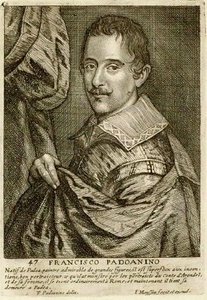
Padovanino
1588 - 1649 , Italia
Datos clave
- Artistic Movement Or Style: Late Mannerism & Early Baroque
- Artists Or Movements Influenced By This Artist:
- Pietro Liberi
- Giulio Carpioni
- Artists Who Influenced This Artist: ['Titian']
- Date Of Birth: 1588
- Full Name: Alessandro Leone Varotari
- Nationality: Italian
- Notable Artworks:
- Samson y Dalila
- Orfeo Encantando a los Animales
- Venus Durmiente con Putti
- Las Tres Gracias
- Place Of Birth: Padua, Italia
Artículos relacionados

The Dramatic Flourish: Exploring the Baroque Movement's Enduring Legacy in Art History
Explore the dramatic world of Baroque art! Discover iconic artists like Caravaggio & Rubens, defining techniques, and its lasting impact on art history. Expert insights for collectors & enthusiasts at ArtsDot.
Rafael: Las 25 Obras Maestras que Definen al Genio del Renacimiento | ArtsDot
Descubre las 25 obras maestras de Rafael Sanzio, el genio del Renacimiento. Explora su historia, técnica y significado en pinturas icónicas como 'La Escuela de Atenas'. Reproducciones de arte de alta calidad para decorar tu hogar con elegancia. ¡Explora la colección completa en ArtsDot.com!

The Visceral Stage: Exploring Dramatic Narratives & Emotional Intensity in Baroque Art
Explore the dramatic world of Baroque art! Discover iconic masters like Caravaggio & Rembrandt, their techniques, and the movement's lasting impact. Expert insights for collectors & enthusiasts at ArtsDot.

Drama Barroca: Llevando la Grandeza y la Emoción a los Interiores Contemporáneos
Descubre cómo el drama y la grandeza del arte barroco pueden transformar tus interiores. Guía experta, inspiración y reproducciones de alta calidad en .

Barroco Sublime: 10 Obras Maestras que Definieron una Época |
Descubre las 10 obras maestras del Barroco que marcaron una época. Caravaggio, Bernini y Velázquez cobran vida en . Reproducciones de arte de calidad museo para decorar tu hogar con elegancia. ¡Explora la colección online!

