

 Ver en contexto
 Enviar
 Compartir
 Detalles

 Descargar
 Similares
 Radiografía
 Presentación de diapositivas
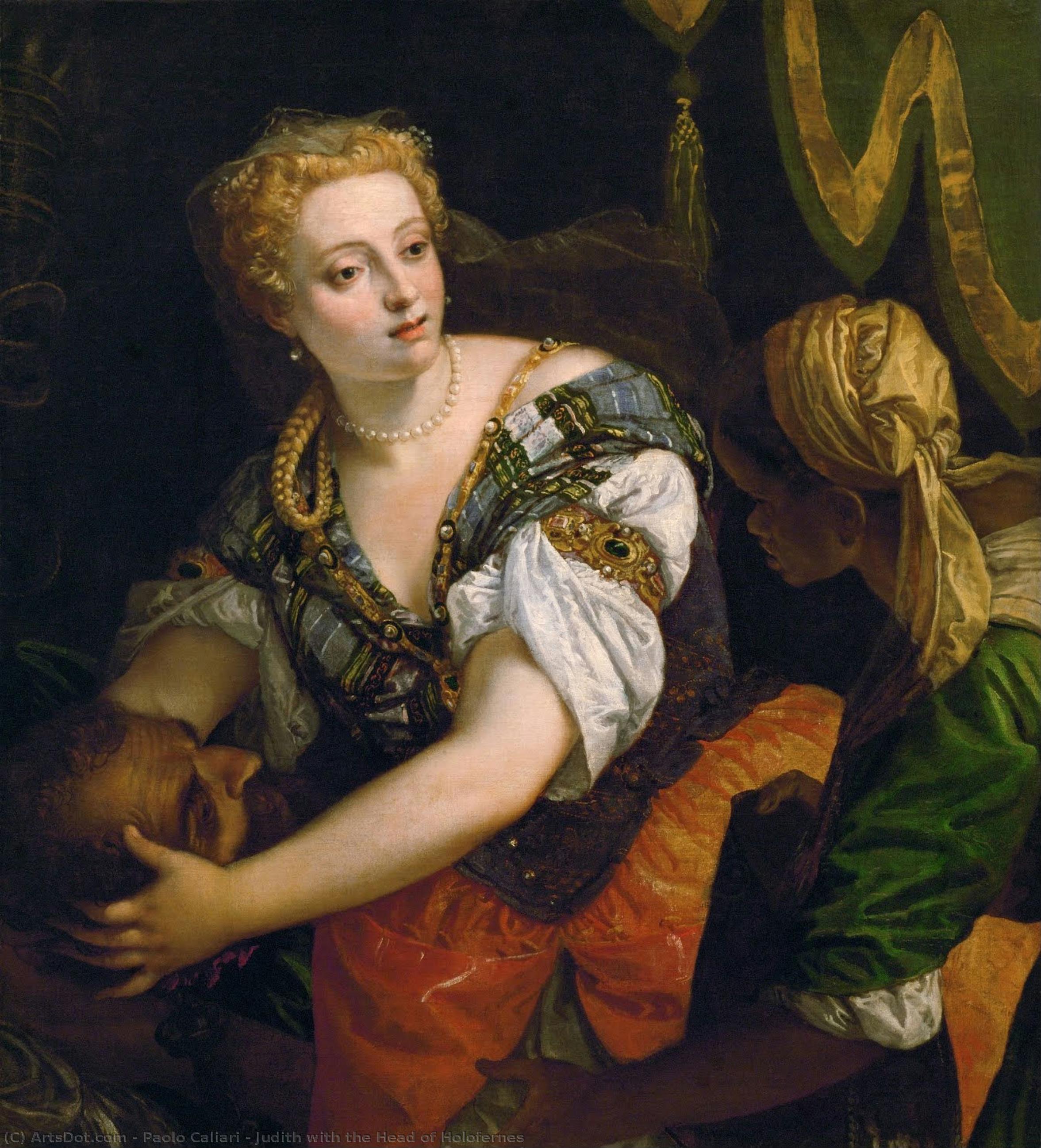
Judith with the Head of Holofernes
 Oil
Oil- WallArt
- Italian Mannerism
 1580
1580- Early Modern
 100.0 x 111.0 cm
 Kunsthistorisches Museum
 Ver más
Giclée / Impresión de arte
Impresiones giclée o en lienzo de calidad de museo con producción rápida y opciones de acabado flexibles. ( Comprar pintura hecha a mano Comprar imagen)




P118B $10

P118H $10

P118W $10

P438Z $10

P508JH $12

P508YH $12

P805H $10

P805Z $10

P919BZ $10

P919G $10

P919XJ $10

P959ZH $10

P968JZ $12

W106C $8

W218G $10

W218JH $8

W218Y $10

W307PJ $10

W316G $10

W316PJ $8

W316Y $10

W398PJ $8

W4111J $10

W500HY $15

W500JH $15

W692G $12

W849H $8

W940BG $15

W953PJ $8




Elija entre nuestros tamaños predefinidos que respetan las proporciones originales de la obra.

Puede introducir sus propias dimensiones para adaptarse a un marco o espacio específico. Si el tamaño seleccionado no coincide con las proporciones de la imagen original, recortaremos la obra de arte o extenderemos la imagen con un borde con efecto espejo o de color sólido. Se enviará una maqueta digital para su aprobación antes de que comience la producción.
Tenga en cuenta que la vista previa en pantalla no refleja el recorte o la extensión real. Solo la maqueta mostrará con precisión la composición final.
Aunque existen tamaños personalizados, recomendamos seleccionar una dimensión de la lista predefinida para preservar las proporciones originales.
Envío a todo el mundo () en 2 semanas en lugar de las 4/5 semanas estándar. (23 agosto)

Envío exprés gratuito a todo el mundo

Lienzo de lino de alta calidad

Seguro de envío total

Garantía de reembolso de impuestos aduaneros

Garantía de fidelidad cromática exacta

Política de devolución de 60 días (solo por defectos)

Garantía de devolución del 100% del dinero

Descuento por cantidad
 La opción de vidrio solo está disponible en tamaños inferiores a 110 cm.

Judith with the Head of Holofernes
Giclée / Impresión de arte
Dimensiones de la reproducción
-


Precio total final
$ 62
Descripción de la pieza
A Masterpiece of Venetian Drama and Devotion
In the grand tradition of Venetian Mannerism, Paolo Caliari, universally known as Veronese, presents a scene of profound psychological tension and breathtaking opulence in Judith with the Head of Holofernes. Completed around 1580, this work is far more than a mere biblical illustration; it is a visceral exploration of courage and the heavy cost of victory. The painting captures the pivotal moment from the Old Testament where the widow Judith, driven by a divine mission to save her people, Bethulia, infiltrates the camp of the Assyrian general Holofernes. As she stands over the fallen conqueror, the canvas vibrates with the silent aftermath of a life-altering act of defiance.
The composition is a masterclass in chiaroscuro, where Veronese utilizes dramatic light and deep shadow to sculpt the figures within a richly ornamented chamber. The artist directs our gaze with surgical precision toward the severed head of Holofernes, using the darkness to heighten the macabre reality of the scene while simultaneously illuminating the regal splendor of Judith herself. This interplay of light does not merely provide depth; it serves as a narrative tool, pulling the viewer into the intimate, claustrophobic space of the assassination, making the historical event feel immediate and hauntingly present.
Chromatic Brilliance and Artistic Sophistication
To behold this painting is to witness Veronese’s signature chromatic brilliance. The palette is a luxurious tapestry of orange-reds, deep blues, and shimmering golds that reflect the aristocratic elegance of late 16th-century Venice. Judith’s garments are not merely clothing but symbols of her status and the gravity of her mission; the vibrant hues suggest a nobility that remains unbowed even in the face of violence. The meticulous detail in the textures—from the soft glow of pearls to the heavy folds of silk—demonstrates a level of technical virtuosity that makes this piece an essential study for any connoisseur of the Renaissance.
Beyond the surface beauty, there is a profound emotional complexity at play. Unlike many of his contemporaries who might have sought to glorify the triumph, Veronese imbues the scene with a sense of quiet contemplation and subtle unease. There is no jubilant celebration here; instead, we see a moment of heavy realization. This psychological depth makes the artwork particularly captivating for modern collectors and interior designers alike, as it offers a sophisticated focal point that invites long periods of reflection and conversation.
An Eternal Inspiration for Refined Interiors
For those seeking to infuse a space with historical gravity and artistic prestige, a high-quality reproduction of this masterpiece serves as an unparalleled centerpiece. The painting’s ability to command attention through its scale and dramatic intensity makes it ideal for grand halls, private libraries, or curated gallery walls. It brings with it the spirit of the Kunsthistorisches Museum, offering a window into the soul of Venetian history.
Integrating such a work into a contemporary or classical interior allows for a dialogue between the past and the present. The rich textures and bold color palette can anchor a room, providing a sense of permanence and cultural depth. Whether you are an art lover drawn to the narrative of Judith’s bravery or a designer looking for a piece that embodies dramatic elegance, Veronese’s work remains a timeless testament to the power of human emotion captured through the brush.
Obras relacionadas
Biografía del artista
Early Life and Training
Paolo Veronese, born in Verona, Italy around 1528, was the fifth child of Gabriele, a stonecutter, and Caterina. His formative years were steeped in artistic tradition; he apprenticed under Antonio Badile and subsequently with Giovanni Francesco Caroto, two prominent painters shaping the Venetian landscape at the time. These early influences instilled in him a foundational understanding of naturalism and meticulous observation—skills that would become hallmarks of his distinctive style.Artistic Style and Influences
Veronese’s artistic vision was profoundly shaped by Titian, arguably the most influential painter of his era. Like Titian, he embraced a vibrant chromatic palette and prioritized grandeur in his compositions. However, unlike many contemporaries who sought to express profound emotion or spiritual contemplation, Veronese's oeuvre leaned towards opulent spectacle and aristocratic elegance. This stylistic choice reflects the prevailing tastes of Venetian society during the High Renaissance and distinguishes him from other titans of the movement.Notable Works and Museums
Veronese achieved international renown through monumental narrative cycles that captivated audiences across Europe. The Wedding at Cana (1563) and The Feast in the House of Levi (1573), commissioned by Cardinal Alessandro Farnese, exemplify his mastery of color, scale, and dramatic storytelling—techniques perfected during his prolific career. These canvases reside prominently within the Biblioteca Nazionale Marciana in Venice, alongside other celebrated artworks showcasing Veronese’s unparalleled ability to capture light and shadow and convey a sense of regal splendor. Furthermore, the Museo San Sebastiano houses Veronese's View of the Façade, a breathtaking depiction of Venetian architecture that underscores his meticulous attention to detail and artistic virtuosity.Legacy and Admiration
Despite facing criticism from later generations who questioned its emotional depth, Veronese’s work garnered admiration from numerous artists of his time—including Rubens, Watteau, Tiepolo, Delacroix, and Renoir—who recognized the brilliance of his technique and the sheer magnificence of his artistic achievements. His enduring legacy continues to inspire artists today, cementing his place as one of the most celebrated figures in Venetian Renaissance art history. Veronese’s canvases are housed in prestigious institutions worldwide, ensuring that his magnificent vision remains accessible for future generations.Selected Paintings by Paolo Veronese
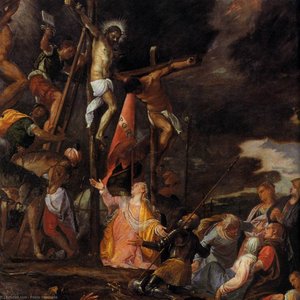
* The Crucifixion (149 x 90 cm, Museum of Fine Arts, Budapest, Hungary, Oil on Canvas) * View of the Façade (San Sebastiano, Venice, Italy) * Plato and Aristotle (Biblioteca Nazionale Marciana, Venice, Italy, Oil on Canvas)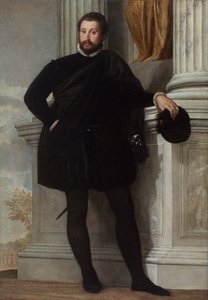
Paolo Veronese
1528 - 1588 , Italia
Datos clave
- Artistic Movement Or Style: Venetian Renaissance
- Artists Who Influenced This Artist: ['Titian']
- Date Of Birth: 1528
- Full Name: Paolo Caliari
- Nationality: Italian
- Notable Artworks:
- The Wedding at Cana
- The Feast in the House of Levi
- Place Of Birth: Verona, Italy
Artículos relacionados
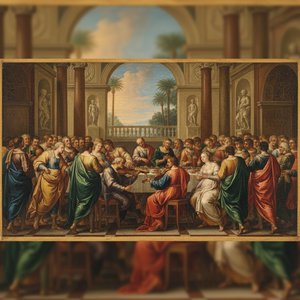
Paolo Veronese: A Renaissance Master of Color, Composition, and Venetian Splendor
Explore the vibrant world of Paolo Veronese, a Renaissance master renowned for his opulent compositions, masterful use of color, and dramatic Venetian scenes. Discover key artworks & legacy.

Crimson Threads of Narrative: Exploring Symbolism & Representation in Artworks Featuring the Red Dress
Explore the rich symbolism of the red dress in art history! From ancient power displays to iconic portraits like Cézanne’s 'Madame Cezanne', discover the cultural and artistic significance behind this captivating color. Expert analysis & insights.

Mark Rothko: Las 25 Obras Maestras que Definen la Expresión Abstracta | ArtsDot
Descubre las 25 obras maestras de Mark Rothko, pionero del expresionismo abstracto. Explora la historia, el significado y los colores vibrantes que definen su arte emocional. Reproducciones de alta calidad en ArtsDot.com.
Henri Matisse: Las 25 Obras Maestras que Definieron un Genio del Color | ArtsDot
Descubre las 25 obras maestras de Henri Matisse, el rey del color y padre del fauvismo. Explora su arte moderno, lienzos vibrantes y la historia detrás de cada pintura icónica. Encuentra reproducciones de alta calidad en ArtsDot.com.

Jacopo Tintoretto: Las 25 Obras Maestras del Genio Veneciano | Arte y Decoración en ArtsDot
Descubre las 25 obras maestras de Jacopo Tintoretto, el genio veneciano del Renacimiento. Explora su arte dramático, composiciones innovadoras y paleta vibrante. Reproducciones de alta calidad en ArtsDot.com para transformar tu hogar.

