

 Ver en contexto
 Enviar
 Compartir
 Detalles

 Descargar
 Similares
 Radiografía
 Presentación de diapositivas
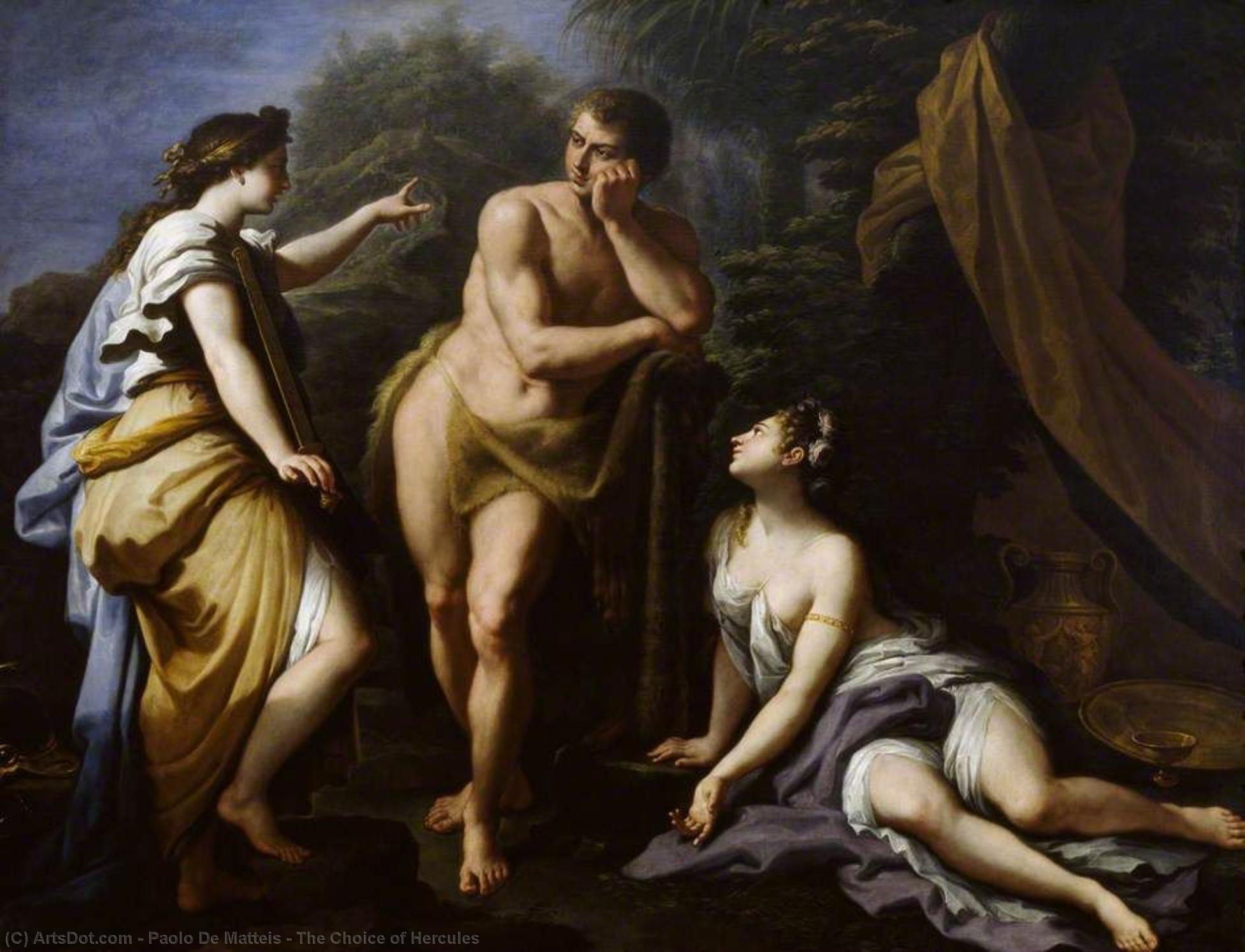
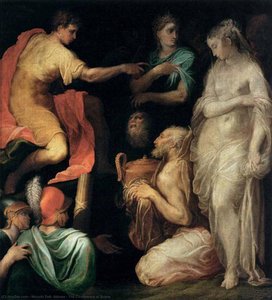
The Choice of Hercules
 1712
1712 198.0 x 257.0 cm
 El Museo Ashmolean de Arte y Arqueología
 Ver más
Adquiera una imagen digital de alta resolución y optimizada, muy superior a la vista previa en línea.
Cada archivo es preparado meticulosamente por nuestros especialistas internos mediante el uso de herramientas avanzadas y un experto retoque manual. Nos aseguramos de que cada imagen posea una claridad excepcional, una precisión cromática impecable y un detalle minucioso.
El archivo final se entrega por correo electrónico en un plazo de 72 horas, optimizado para su uso inmediato en entornos profesionales, editoriales y de impresión. Esta es la misma calidad en la que confían los estudios de diseño, las editoriales y las galerías de primer nivel.
Imagen Digital
Descarga un archivo de alta resolución para exhibición personal, impresión y proyectos creativos. ( Comprar impresión Comprar pintura hecha a mano)
Incluido en cada pedido de imágenes digitales
Entrega digital experta, garantizada.
Al elegir ArtsDot.com, no solo está adquiriendo una imagen; está recibiendo una obra de arte digital mejorada profesionalmente, elaborada con precisión y respaldada por una garantía de satisfacción. Esto es todo lo que incluye su pedido, automáticamente:

Entrega rápida por email
Recibirá su archivo de imagen digital en alta resolución por correo electrónico en un plazo de 72 horas tras realizar su pedido, listo para su uso inmediato.

Archivo digital optimizado por IA
Su obra de arte se optimiza profesionalmente mediante herramientas avanzadas de IA y edición manual, garantizando el máximo detalle, claridad y precisión cromática.

Reenvío gratuito de por vida
¿Has borrado o perdido tu archivo por error? No te preocupes: te lo volveremos a enviar en cualquier momento, sin coste adicional.

Sin gastos de importación, siempre
Disfrute de su obra de arte al instante sin aduanas, aranceles ni gastos de envío; las descargas digitales siempre están libres de impuestos.

Garantía de fidelidad de color
Garantizamos que su imagen digital refleje los colores originales con la mayor fidelidad posible, mediante el uso de herramientas profesionales y gestión del color.

Garantía de satisfacción de 60 días
Si no está satisfecho con su imagen digital, la revisaremos o le reembolsaremos el 100% en un plazo de 60 días, sin preguntas.

100% Garantía de devolución de dinero
¿No está satisfecho? Obtenga un reembolso completo dentro de los 60 días posteriores a la recepción de su archivo digital, sin necesidad de explicaciones.

Descuentos por pedidos grandes
Compra 3 imágenes, ahorra 10% - Compra 5, ahorra 15% - Compra 10+, ahorra 20%. Ideal para proyectos creativos, galerías y agencias.
Obras relacionadas






Biografía del artista
Paolo di Matteis: A Baroque Visionary Shaping Naples and Rome
Paolo de Matteis (1662-1728) stands as a pivotal figure in the Italian Baroque, an artist whose opulent frescoes and decorative schemes indelibly imprinted upon the artistic landscape of Naples and Rome. Born in Piano Vetrale, Salerno, he emerged from humble beginnings to become one of the era’s most celebrated painters, skillfully blending dramatic theatricality with refined elegance—a hallmark that would later influence the Rocaille style. His formative years were spent under the tutelage of Francesco di Maria in Naples, followed by a crucial apprenticeship with Luca Giordano, arguably his greatest mentor and stylistic inspiration. Early Training & Influences: Giordano’s mastery of illusionistic painting profoundly shaped de Matteis' technique, fostering an unwavering commitment to creating immersive visual experiences that captivated viewers. This influence is evident throughout his oeuvre, particularly in the masterful use of chiaroscuro and perspective. Giordano instilled in him a dedication to realism combined with imaginative storytelling—a cornerstone of Baroque artistic expression. He meticulously studied the works of Caravaggio and Rembrandt, absorbing their techniques for portraying emotion and dramatic lighting. Service Under the Spanish Viceroyalty: De Matteis served faithfully within the court of Naples for decades, undertaking commissions that showcased both his artistic prowess and diplomatic acumen. These projects allowed him to hone his skills while navigating the complexities of aristocratic patronage. He was tasked with decorating numerous palaces and churches throughout Naples, demonstrating not only his artistic talent but also his understanding of political considerations—a rare combination in an artist of his time. His involvement in courtly life provided invaluable insight into the tastes and aspirations of the elite, informing his artistic choices and elevating his reputation as a respected statesman alongside a gifted painter. Parisian Sojourn & Artistic Evolution: Between 1702 and 1705, De Matteis embarked on a transformative journey to Paris—a period during which he absorbed new stylistic trends emanating from the French court and experimented with innovative compositional approaches. This exposure broadened his artistic horizons considerably, propelling him towards greater sophistication and experimentation. He encountered artists practicing Rocaille style, influenced by Jean Baptiste Rousseau’s philosophical ideas, and incorporated elements of asymmetry and delicate ornamentation into his designs—marking a significant departure from the rigid formalism of earlier Baroque art. Rome & Papal Patronage: Between 1723 and 1725, De Matteis resided in Rome, receiving a substantial commission from Pope Innocent XIII—a pivotal moment that allowed him to collaborate with some of the era’s leading intellectuals and artists. This patronage fostered an environment conducive to artistic innovation and intellectual discourse, resulting in masterpieces that reflect both his technical mastery and humanist sensibilities. He undertook ambitious decorative schemes for St. Peter's Basilica, contributing to the grandeur and splendor of the papal court—solidifying his legacy as one of Rome’s most prominent Baroque artists. Notable Works: De Matteis produced a remarkable body of work characterized by dramatic narratives and masterful execution. Among his celebrated paintings are Apollo and Daphne, depicting the mythological tale with breathtaking detail and luminous color; Love And The Vices Disarm Judgement, showcasing a complex allegorical scene imbued with psychological depth; and Painting of Our Lady of Sorrows, conveying profound emotion through expressive figures and evocative drapery—each piece exemplifies the Baroque ideal of transporting viewers into emotionally resonant experiences. His frescoes adorn churches throughout Naples and Rome, including the magnificent vault of San Ignazio in Gesù Nuovo – a testament to his ability to transform spaces into breathtaking works of art. Paolo di Matteis’ contribution to Baroque art is undeniable—a painter who skillfully blended theatrical grandeur with meticulous detail, leaving behind a visual record of his time that continues to inspire admiration and scholarly study. His work embodies the spirit of the Baroque era, capturing its dramatic intensity and sublime beauty while simultaneously reflecting the humanist values prevalent during this transformative period in European history. He remains an enduring symbol of artistic excellence and creative vision—a painter whose legacy transcends temporal boundaries and resonates with audiences worldwide.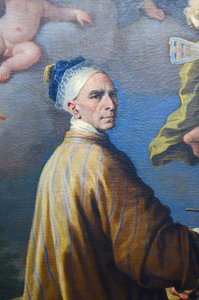
Paolo de Matteis
1662 - 1727 , Italia
Breves datos
- Artistic Movement Or Style: Barroco y Rocaille
- Artists Who Influenced This Artist: ['Luca Giordano']
- Date Of Birth: 1662
- Date Of Death: 1728
- Full Name: Paolo de Matteis
- Nationality: Italiano
- Notable Artworks:
- Apollo y Dafne
- Amor y Los Pecados Desarmen Juicio
- Pintura de Nuestra Señora Dolorosa
- Place Of Birth: Piano Vetrale, Salerno, Italia

