 Ver en contexto
 Enviar
 Compartir
 Detalles

 Descargar
 Similares
 Radiografía
 Presentación de diapositivas
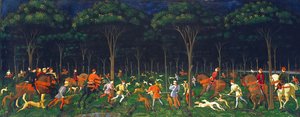
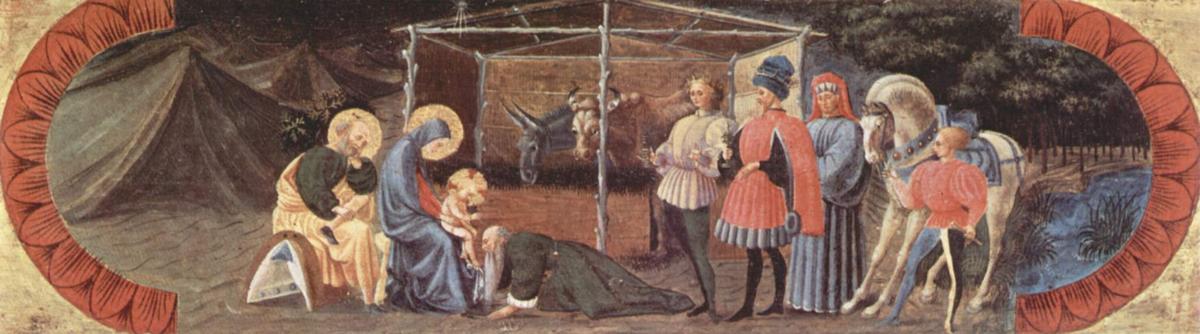
Scene Adoration of the Three Kings
 Acrylic On Canvas
- WallArt
- Early Renaissance
 1440
1440 20.0 x 178.0 cm
 Ver más
Giclée / Impresión de arte
Impresiones giclée o en lienzo de calidad de museo con producción rápida y opciones de acabado flexibles. ( Comprar pintura hecha a mano Comprar imagen)




P118B $10

P118H $10

P118W $10

P438Z $10

P508JH $12

P508YH $12

P805H $10

P805Z $10

P919BZ $10

P919G $10

P919XJ $10

P959ZH $10

P968JZ $12

W106C $8

W218G $10

W218JH $8

W218Y $10

W307PJ $10

W316G $10

W316PJ $8

W316Y $10

W398PJ $8

W4111J $10

W500HY $15

W500JH $15

W692G $12

W849H $8

W940BG $15

W953PJ $8




Elija entre nuestros tamaños predefinidos que respetan las proporciones originales de la obra.

Puede introducir sus propias dimensiones para adaptarse a un marco o espacio específico. Si el tamaño seleccionado no coincide con las proporciones de la imagen original, recortaremos la obra de arte o extenderemos la imagen con un borde con efecto espejo o de color sólido. Se enviará una maqueta digital para su aprobación antes de que comience la producción.
Tenga en cuenta que la vista previa en pantalla no refleja el recorte o la extensión real. Solo la maqueta mostrará con precisión la composición final.
Aunque existen tamaños personalizados, recomendamos seleccionar una dimensión de la lista predefinida para preservar las proporciones originales.
Envío a todo el mundo () en 2 semanas en lugar de las 4/5 semanas estándar. (27 agosto)

Envío exprés gratuito a todo el mundo

Lienzo de lino de alta calidad

Seguro de envío total

Garantía de reembolso de impuestos aduaneros

Garantía de fidelidad cromática exacta

Política de devolución de 60 días (solo por defectos)

Garantía de devolución del 100% del dinero

Descuento por cantidad
 La opción de vidrio solo está disponible en tamaños inferiores a 110 cm.

Scene Adoration of the Three Kings
Giclée / Impresión de arte
Dimensiones de la reproducción
-


Precio total final
$ 62
A Pioneering Vision of Faith and Space: Paolo Uccello’s ‘Scene Adoration of the Three Kings’
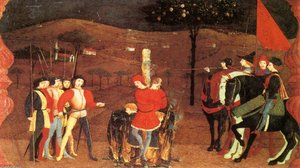
Paolo Uccello's “Scene Adoration of the Three Kings,” painted circa 1440, stands as a remarkable testament to the burgeoning spirit of innovation within Early Renaissance Florence. More than just a depiction of a biblical narrative – the veneration of Jesus Christ by Magi—it represents a pivotal moment in artistic history: Uccello’s audacious embrace of linear perspective fundamentally altered how artists approached spatial representation, establishing him as one of the foremost figures in mastering this revolutionary technique. This monumental fresco, housed within the Palazzo Vecchio’s Sala dei Cinquecento (Hall of Five Hundred), isn't merely a beautiful image; it’s an intellectual triumph—a calculated demonstration of mathematical precision translated into visual grandeur.The Mathematical Canvas: Uccello’s Pursuit of Perspective
Uccello wasn’t simply aiming for realism; he was striving to achieve something far more ambitious – an illusion of depth that mirrored the world as mathematicians understood it. Influenced by developments in optics and fueled by his fascination with geometry, particularly Apollonian circles—a concept explored extensively in his notebooks—he meticulously constructed a stage upon which the scene unfolds. The fresco’s composition utilizes converging lines to create an illusion of recession, drawing the viewer's eye into the central tableau where the Magi kneel before the infant Jesus. This groundbreaking approach wasn’t merely stylistic; it reflected Uccello’s conviction that art could embody scientific principles, aligning him with the humanist ideals shaping Florentine culture during his time. The careful placement and calculation of these lines underscore Uccello's dedication to elevating painting beyond mere imitation—it sought to capture not just what was seen but how it appeared.Symbolism Within Grandeur: Magi, Light, and Divine Revelation
Beyond its technical brilliance, “Scene Adoration of the Three Kings” is rich in symbolic significance. The Magi – Melchior, Caspar, and Gaspar – represent royalty from Persia, Ethiopia, and Judea, symbolizing the universality of Christian faith and acknowledging the diverse origins of Christendom. Their kneeling posture signifies humility before God’s majesty, emphasizing the spiritual dimension of the event. Notably, the fresco employs dramatic chiaroscuro—the interplay of light and shadow—to heighten emotional impact and guide the viewer's gaze toward the luminous infant Jesus at the center. This radiant figure embodies divine grace and represents the incarnation of Christ, highlighting the core theological message of the artwork. The inclusion of horses reinforces notions of nobility and power, mirroring the Magi’s regal status and symbolizing God’s dominion over creation.Historical Context: Florence Under Medici Patronage
Painted during the reign of Lorenzo de' Medici—known as “Lorenzo il Magnifico”—Florence experienced a golden age of artistic creativity and humanist scholarship. Uccello benefited immensely from Medici patronage, securing commissions that allowed him to pursue ambitious projects like this fresco. The Sala dei Cinquecento was intended for ceremonial gatherings celebrating Florentine civic pride and commemorating significant historical events—a deliberate choice reflecting the political ambitions of Lorenzo’s family. “Scene Adoration of the Three Kings” served as a visual embodiment of these ideals, demonstrating Florence's intellectual prowess and reaffirming its commitment to artistic excellence.Emotional Resonance: A Moment of Reverence Captured Eternally
Ultimately, Uccello’s masterpiece transcends mere technical accomplishment; it evokes profound emotion. The serene stillness of the Magi contrasted with the vibrant colors and dramatic lighting creates an atmosphere of solemn reverence—a palpable sense of awe before the divine presence. The fresco invites contemplation on themes of faith, humility, and redemption, capturing a pivotal moment in Christian history with unparalleled artistry. Reproductions of “Scene Adoration of the Three Kings” continue to inspire artists and collectors alike, ensuring that Uccello’s pioneering vision—and its enduring emotional impact—remains accessible for generations to come.Obras relacionadas
Biografía del artista
vida temprana y formación
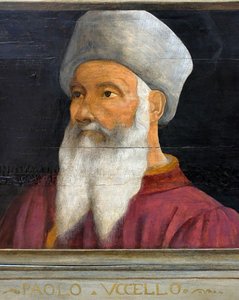
Paolo Uccello, nacido Paolo di Dono, fue un distinguido pintor y matemático italiano de Florencia. Era notable por su trabajo pionero en la perspectiva visual en el arte. Nacido en 1397, la vida temprana de Uccello no está bien documentada, pero se sabe que estuvo aprendiz del famoso escultor Lorenzo Ghiberti de 1412 a 1416.carrera y obras notables
La carrera de Uccello abarcó más de cuatro décadas, durante las cuales produjo numerosas obras de arte, incluyendo pinturas, frescos y retablos. Algunas de sus obras más notables incluyen:- Nacimiento de la Virgen (renacimiento temprano, óleo), una pintura que muestra su uso de la perspectiva para crear una sensación de profundidad.
- Frescos San Miniato al Monte 03 (renacimiento temprano, óleo), un fresco que demuestra su innovador uso del color y la luz.
- Adoración del Niño (renacimiento temprano, óleo), una pintura que presenta una representación detallada y naturalista de la forma humana.
- Estudio de caballero (renacimiento temprano, óleo), un autorretrato que muestra su uso seguro y autónomo de los temas en el arte.
influencia y legado
La obra de Uccello tuvo un impacto significativo en el desarrollo del arte renacentista. Su uso de la perspectiva y su énfasis en crear una sensación de profundidad en sus pinturas influyeron en numerosos artistas, incluyendo a Albrecht Dürer, quien también era conocido por su trabajo pionero en el campo de la perspectiva. Movimientos artísticos clave:- El Renacimiento Temprano
- Renacimiento Italiano
- Gótico Tardío
- Paolo Uccello (1397-1475)
- Albrecht Dürer (1471-1528)
- Lorenzo Ghiberti (1379-1455)
Paolo Uccello
1397 - 1475 , Italia
Datos clave
- Artistas Influenciados: ['Albrecht Dürer']
- Artistas Que Influyeron:
- Lorenzo Ghiberti
- Donatello
- Fecha De Muerte: 1475
- Fecha De Nacimiento: 1397
- Lugar De Nacimiento: Pratovecchio, Italia
- Movimiento Artístico: Renacimiento Temprano
- Nacionalidad: Italiana
- Nombre Completo: Paolo Uccello
- Obras Notables:
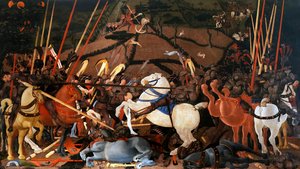
- Batalla de San Romano
- Nacimiento de la Virgen
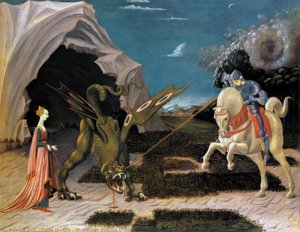
- San Jorge y el Dragón
- La Inundación
Artículos relacionados

Legado en las Paredes: Frescos Familiares que Trascienden el Tiempo
Descubre el arte del fresco muralístico para inmortalizar tu historia familiar. Expertos en frescos personalizados y técnicas ancestrales. Crea un legado visual único con .

The Enduring Legacy of Fresco: Technique, History & Artistic Expression Across Cultures
Explore the rich history & enduring legacy of fresco painting! Discover ancient techniques, Giotto's masterpieces, and modern applications. Expert insights for art lovers & professionals.

The Enduring Legacy of Fresco Painting: Techniques, History & Contemporary Relevance
Explore the rich history & enduring artistry of fresco painting – from Giotto to Michelangelo! Discover techniques, conservation efforts, & modern applications. Learn how ArtsDot brings this timeless art form to your home.
El Fresco a Través de los Siglos: Técnica, Historia y Expresión Artística Duradera
Descubre la historia y técnica del fresco, desde sus orígenes en la antigüedad hasta los maestros renacentistas. Guía completa sobre conservación, restauración y el legado artístico de este arte milenario.

¿El Arte que Habita Contigo: El Poder Emocional de un Fresco Interior Personalizado?
Descubre el poder emocional de un fresco interior personalizado. Expertos en arte te guían para crear una obra única que refleje tu estilo y valore tu hogar. : calidad, confianza y diseño excepcional.