 Ver en contexto
 Enviar
 Compartir
 Detalles

 Descargar
 Similares
 Radiografía
 Presentación de diapositivas
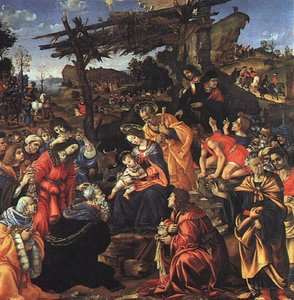
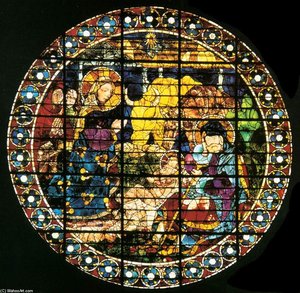
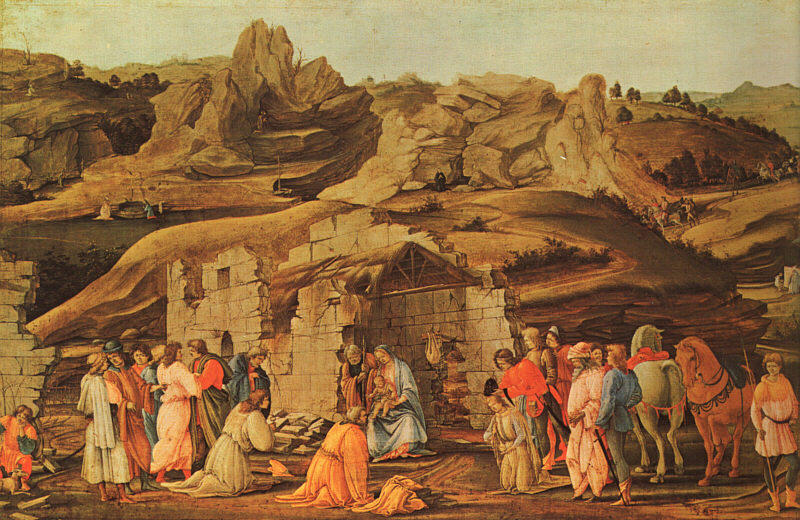
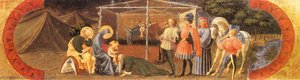
The Adoration of the Kings


 Ver más
Giclée / Impresión de arte
Impresiones giclée o en lienzo de calidad de museo con producción rápida y opciones de acabado flexibles. ( Comprar pintura hecha a mano Comprar imagen)




P118B $10

P118H $10

P118W $10

P438Z $10

P508JH $12

P508YH $12

P805H $10

P805Z $10

P919BZ $10

P919G $10

P919XJ $10

P959ZH $10

P968JZ $12

W106C $8

W218G $10

W218JH $8

W218Y $10

W307PJ $10

W316G $10

W316PJ $8

W316Y $10

W398PJ $8

W4111J $10

W500HY $15

W500JH $15

W692G $12

W849H $8

W940BG $15

W953PJ $8




Elija entre nuestros tamaños predefinidos que respetan las proporciones originales de la obra.

Puede introducir sus propias dimensiones para adaptarse a un marco o espacio específico. Si el tamaño seleccionado no coincide con las proporciones de la imagen original, recortaremos la obra de arte o extenderemos la imagen con un borde con efecto espejo o de color sólido. Se enviará una maqueta digital para su aprobación antes de que comience la producción.
Tenga en cuenta que la vista previa en pantalla no refleja el recorte o la extensión real. Solo la maqueta mostrará con precisión la composición final.
Aunque existen tamaños personalizados, recomendamos seleccionar una dimensión de la lista predefinida para preservar las proporciones originales.
Envío a todo el mundo () en 2 semanas en lugar de las 4/5 semanas estándar. (28 agosto)

Envío exprés gratuito a todo el mundo

Lienzo de lino de alta calidad

Seguro de envío total

Garantía de reembolso de impuestos aduaneros

Garantía de fidelidad cromática exacta

Política de devolución de 60 días (solo por defectos)

Garantía de devolución del 100% del dinero

Descuento por cantidad
 La opción de vidrio solo está disponible en tamaños inferiores a 110 cm.

The Adoration of the Kings
Giclée / Impresión de arte
Dimensiones de la reproducción
-


Precio total final
$ 62
A Revolutionary Vision of Faith: Paolo Uccello’s ‘The Adoration of the Magi’
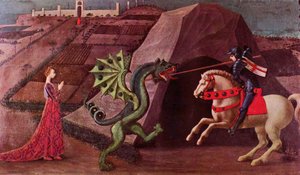
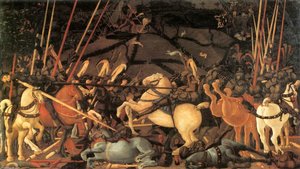
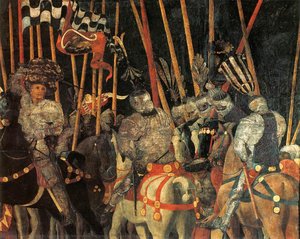
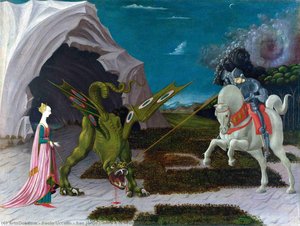
Paolo Uccello (1397-1475), a Florentine Renaissance master, stands as an unparalleled innovator—a true mathematician of the canvas. Unlike many of his contemporaries who adhered to traditional artistic conventions, Uccello relentlessly pursued a radical new approach: the masterful manipulation of perspective to create illusions of depth and realism within two-dimensional space. This ambition isn’t merely stylistic; it reflects the broader intellectual fervor of the era—a fervent desire to understand and represent the world as accurately as possible, mirroring advancements in scientific observation and mathematical reasoning. His legacy rests upon iconic works like ‘St. George & The Dragon,’ a dynamic battle scene brimming with energy and color, demonstrating his ability to capture movement and narrative complexity – achievements that cemented his position as one of the foremost artists of his time.The Fresco’s Bold Experimentation: Linear Perspective Takes Center Stage
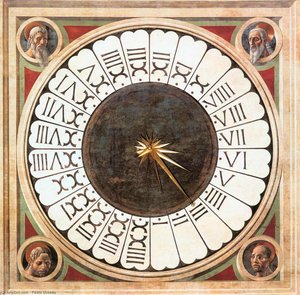
Uccello's groundbreaking technique—linear perspective—was born from a fascination with mathematical principles, particularly Euclid’s geometry. He meticulously calculated vanishing points and horizon lines to achieve an unprecedented level of spatial accuracy within his frescoes. This wasn’t simply about creating a visually pleasing image; it was about fundamentally altering how viewers perceived the depicted scene. Consider ‘The Adoration of the Magi,’ begun around 1435, commissioned for the Baptistery of San Giovanni in Florence – a project that epitomized Florentine artistic ambition during Lorenzo Medici's reign. The fresco’s composition is deliberately unsettling to the untrained eye; figures appear to float seemingly suspended in air, creating an illusion of depth that defies conventional representation. This daring approach immediately distinguished Uccello from his peers and established him as a pioneer of Renaissance art.Symbolism Rooted in Medieval Tradition
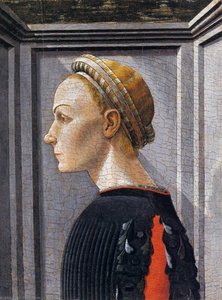
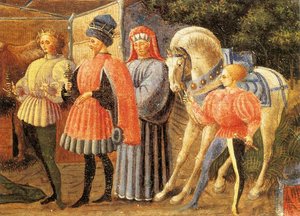
Despite its revolutionary technique, ‘The Adoration of the Magi’ retains echoes of medieval iconography. The scene depicts the Virgin Mary, Joseph, and several kings reverently kneeling before Jesus Christ at his birth—a motif deeply ingrained in Christian tradition. Each figure is rendered with meticulous detail, conveying not only physical likeness but also spiritual significance. The horses adorning the composition are symbolic representations of royalty and divine power, reinforcing the overarching theme of reverence and humility. Furthermore, Uccello’s masterful use of color contributes to the emotional impact of the artwork—warm hues dominate the scene, evoking feelings of piety and devotion.A Lasting Influence on Artistic Innovation
Paolo Uccello's influence extended far beyond his own lifetime. His pioneering perspective technique profoundly impacted subsequent artists, shaping the trajectory of Renaissance painting and establishing a precedent for achieving visual realism. Artists like Piero della Francesca and Masaccio embraced Uccello’s innovations, furthering the development of linear perspective as a cornerstone of artistic expression. Today, reproductions of ‘The Adoration of Magi,’ alongside other celebrated Uccello paintings, continue to inspire awe and admiration—testament to his enduring contribution to art history and his unwavering commitment to pushing the boundaries of visual representation.Obras relacionadas

Biografía del artista
vida temprana y formación
Paolo Uccello, nacido Paolo di Dono, fue un distinguido pintor y matemático italiano de Florencia. Era notable por su trabajo pionero en la perspectiva visual en el arte. Nacido en 1397, la vida temprana de Uccello no está bien documentada, pero se sabe que estuvo aprendiz del famoso escultor Lorenzo Ghiberti de 1412 a 1416.carrera y obras notables
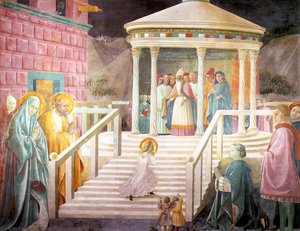
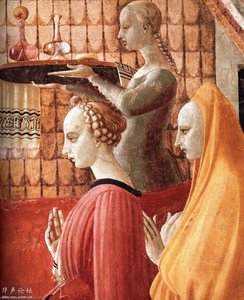
La carrera de Uccello abarcó más de cuatro décadas, durante las cuales produjo numerosas obras de arte, incluyendo pinturas, frescos y retablos. Algunas de sus obras más notables incluyen:- Nacimiento de la Virgen (renacimiento temprano, óleo), una pintura que muestra su uso de la perspectiva para crear una sensación de profundidad.
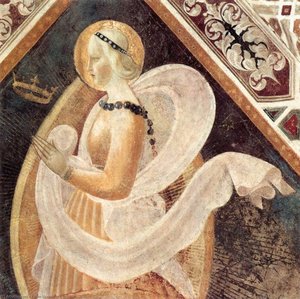
- Frescos San Miniato al Monte 03 (renacimiento temprano, óleo), un fresco que demuestra su innovador uso del color y la luz.
- Adoración del Niño (renacimiento temprano, óleo), una pintura que presenta una representación detallada y naturalista de la forma humana.
- Estudio de caballero (renacimiento temprano, óleo), un autorretrato que muestra su uso seguro y autónomo de los temas en el arte.
influencia y legado
La obra de Uccello tuvo un impacto significativo en el desarrollo del arte renacentista. Su uso de la perspectiva y su énfasis en crear una sensación de profundidad en sus pinturas influyeron en numerosos artistas, incluyendo a Albrecht Dürer, quien también era conocido por su trabajo pionero en el campo de la perspectiva. Movimientos artísticos clave:- El Renacimiento Temprano
- Renacimiento Italiano
- Gótico Tardío
- Paolo Uccello (1397-1475)
- Albrecht Dürer (1471-1528)
- Lorenzo Ghiberti (1379-1455)
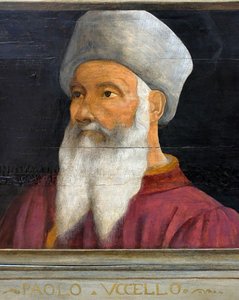
Paolo Uccello
1397 - 1475 , Italia
Datos clave
- Artistas Influenciados: ['Albrecht Dürer']
- Artistas Que Influyeron:
- Lorenzo Ghiberti
- Donatello
- Fecha De Muerte: 1475
- Fecha De Nacimiento: 1397
- Lugar De Nacimiento: Pratovecchio, Italia
- Movimiento Artístico: Renacimiento Temprano
- Nacionalidad: Italiana
- Nombre Completo: Paolo Uccello
- Obras Notables:
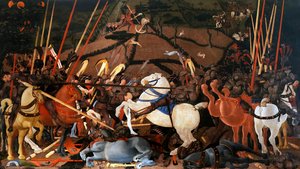
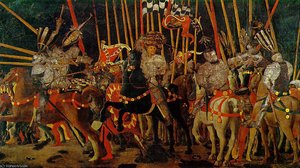
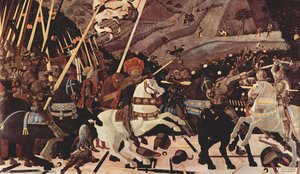
- Batalla de San Romano
- Nacimiento de la Virgen
- San Jorge y el Dragón
- La Inundación
Artículos relacionados

Legado en las Paredes: Frescos Familiares que Trascienden el Tiempo
Descubre el arte del fresco muralístico para inmortalizar tu historia familiar. Expertos en frescos personalizados y técnicas ancestrales. Crea un legado visual único con .

The Enduring Legacy of Fresco: Technique, History & Artistic Expression Across Cultures
Explore the rich history & enduring legacy of fresco painting! Discover ancient techniques, Giotto's masterpieces, and modern applications. Expert insights for art lovers & professionals.

The Enduring Legacy of Fresco Painting: Techniques, History & Contemporary Relevance
Explore the rich history & enduring artistry of fresco painting – from Giotto to Michelangelo! Discover techniques, conservation efforts, & modern applications. Learn how ArtsDot brings this timeless art form to your home.
El Fresco a Través de los Siglos: Técnica, Historia y Expresión Artística Duradera
Descubre la historia y técnica del fresco, desde sus orígenes en la antigüedad hasta los maestros renacentistas. Guía completa sobre conservación, restauración y el legado artístico de este arte milenario.

¿El Arte que Habita Contigo: El Poder Emocional de un Fresco Interior Personalizado?
Descubre el poder emocional de un fresco interior personalizado. Expertos en arte te guían para crear una obra única que refleje tu estilo y valore tu hogar. : calidad, confianza y diseño excepcional.