 Ver en contexto
 Enviar
 Compartir
 Detalles

 Descargar
 Similares
 Radiografía
 Presentación de diapositivas
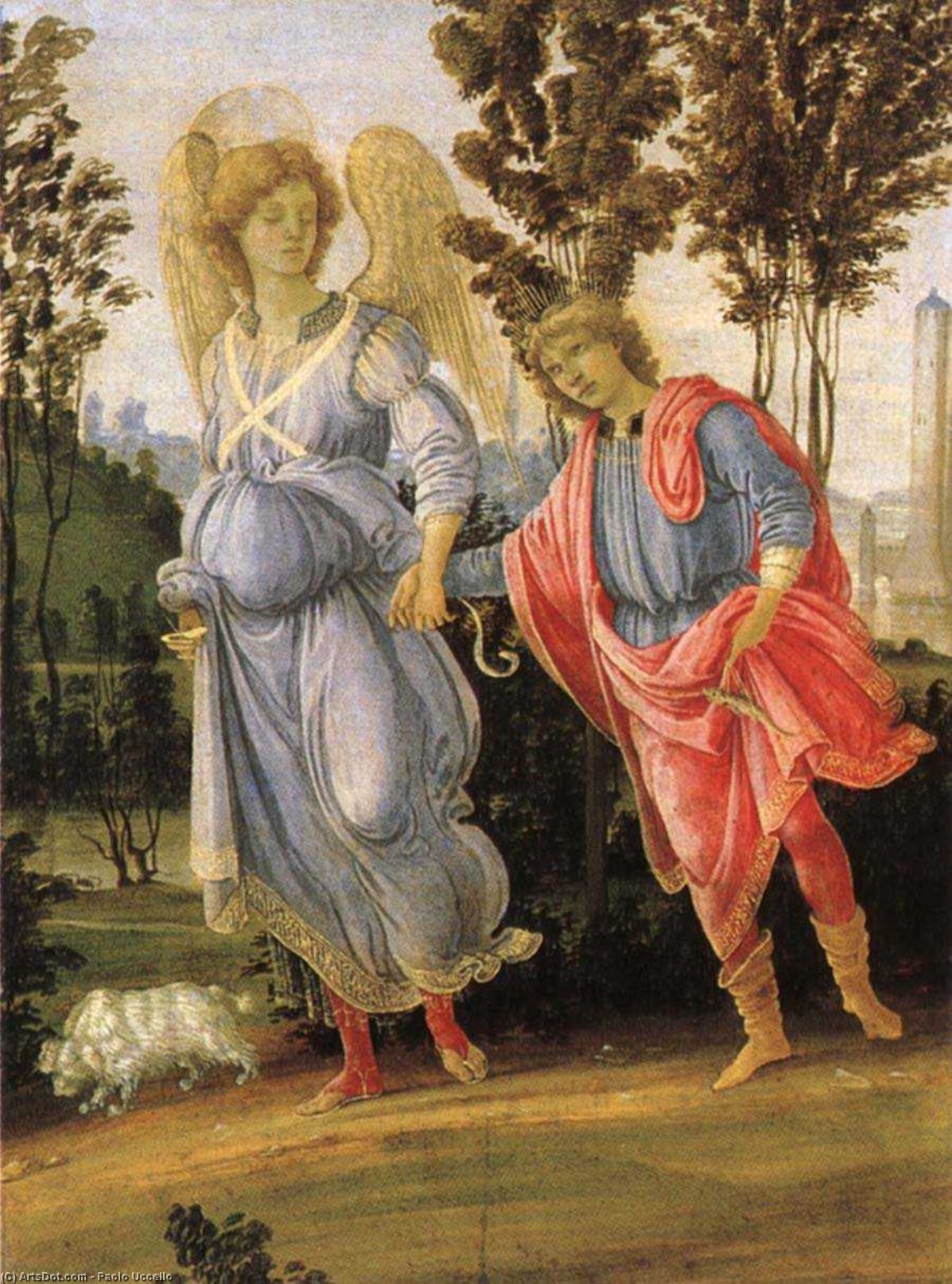
Tobias and the Angel


 Ver más
Reproducción al óleo hecha a mano
Óleo sobre lienzo pintado a mano en el tamaño y marco de su elección, realizado por encargo por nuestros artistas. ( Comprar impresión Comprar imagen)




P118B $10

P118H $10

P118W $10

P438Z $10

P508JH $12

P508YH $12

P805H $10

P805Z $10

P919BZ $10

P919G $10

P919XJ $10

P959ZH $10

P968JZ $12

W106C $8

W218G $10

W218JH $8

W218Y $10

W307PJ $10

W316G $10

W316PJ $8

W316Y $10

W398PJ $8

W4111J $10

W500HY $15

W500JH $15

W692G $12

W849H $8

W940BG $15

W953PJ $8




Elija entre nuestros tamaños predefinidos que respetan las proporciones originales de la obra.

Puede ingresar sus propias dimensiones para adaptarse a un marco o espacio específico. Si el tamaño seleccionado no coincide con las proporciones de la imagen original, recortaremos la obra o extenderemos la pintura con elementos adicionales pintados a mano. Se le enviará una maqueta digital para su aprobación antes de comenzar la producción.
Tenga en cuenta que la vista previa en pantalla no refleja el recorte o la extensión reales. Solo la maqueta mostrará con precisión la composición final.
Si bien existen tamaños personalizados, recomendamos seleccionar una dimensión de la lista predefinida para preservar las proporciones originales.
Tras realizar el pedido, el equipo de ArtsDot.com enviará un correo electrónico al cliente para solicitar instrucciones y proporcionarle una vista previa del boceto.
Envío a todo el mundo () en 3-4 semanas en lugar de las 5 semanas estándar. (25 agosto). Sin comprometer la calidad.

Envío exprés gratuito a todo el mundo

Lienzo de lino de alta calidad

Seguro de envío total

Garantía de reembolso de impuestos aduaneros

Garantía de fidelidad cromática exacta

Política de devolución de 60 días (solo por defectos)

Garantía de devolución del 100% del dinero

Descuento por cantidad
 La opción de vidrio solo está disponible en tamaños inferiores a 110 cm.

Tobias and the Angel
Técnica de reproducción
Dimensiones de la reproducción
-


Precio total final
$ 263
Descripción de la obra
A Visionary Journey Through Renaissance Perspective
In the heart of the Early Renaissance, amidst the intellectual ferment of Florence, Paolo Uccello crafted a masterpiece that serves as both a sacred narrative and a mathematical triumph. “Tobias and the Angel” is not merely a painting; it is a window into a period where the boundaries between divinity and geometry began to blur. The work recounts the profound biblical encounter between Tobias, a young man guided by divine providence, and the Archangel Raphael, who assumes a human guise to protect him on a perilous quest. As viewers gaze upon this scene, they are invited into a world where every element—from the gentle guidance of the angel’s hand to the watchful presence of a loyal dog—contributes to a larger tapestry of faith and destiny.
Uccello, whose very nickname means "little bird," possessed an almost obsessive fascination with the mechanics of sight. In this work, he moves beyond the flat, symbolic iconography of the Byzantine tradition to embrace prospettiva artificiale, or forced perspective. This revolutionary technique allows the artist to construct a stage-like setting where depth is meticulously calculated. Through his mastery of spatial illusion, distant objects are manipulated to create a sense of profound recession, drawing the eye through a landscape that feels both otherworldly and tangibly structured. For the collector or designer, this creates a piece that possesses an incredible architectural presence, offering a sense of depth and movement that can transform the atmosphere of any sophisticated interior.
Symbolism and the Art of Detail
The beauty of Uccello’s composition lies in its intricate layers of symbolism and meticulous detail. The painting is populated by a cast of characters and creatures that breathe life into the Florentine landscape. A sheep rests near the bottom corner, while birds flutter through the air, grounding the divine narrative in the natural world. These elements are not merely decorative; they represent the harmony of creation under divine stewardship. The interaction between the figures—the tender guidance of the angel and the steady companionship of the animals—evokes an emotional resonance of safety, trust, and spiritual journeying.
For those seeking to adorn a space with art that inspires contemplation, this reproduction offers more than just visual splendor. It provides a conversation piece rooted in the humanist scholarship of the 15th century. The deliberate staging of the figures mirrors the theatricality of the era, making the painting feel like a captured moment from a grander epic. Whether placed in a library, a formal study, or a curated gallery wall, “Tobias and the Angel” brings with it the prestige of the Renaissance, inviting anyone who views it to participate in the timeless pursuit of beauty, truth, and mathematical perfection.
Obras relacionadas
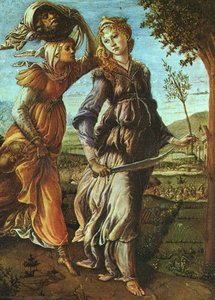
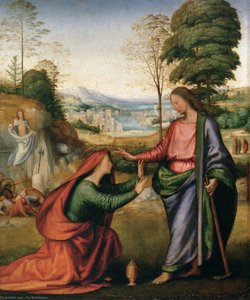
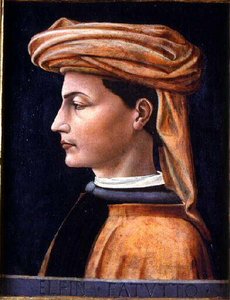
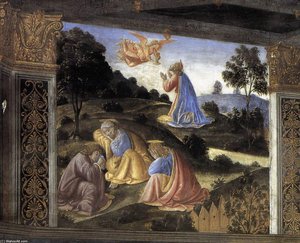
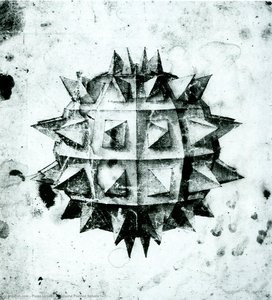
Biografía del artista
vida temprana y formación
Paolo Uccello, nacido Paolo di Dono, fue un distinguido pintor y matemático italiano de Florencia. Era notable por su trabajo pionero en la perspectiva visual en el arte. Nacido en 1397, la vida temprana de Uccello no está bien documentada, pero se sabe que estuvo aprendiz del famoso escultor Lorenzo Ghiberti de 1412 a 1416.carrera y obras notables
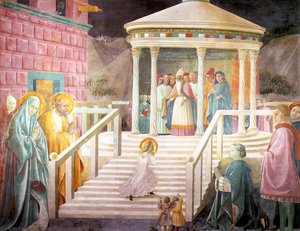
La carrera de Uccello abarcó más de cuatro décadas, durante las cuales produjo numerosas obras de arte, incluyendo pinturas, frescos y retablos. Algunas de sus obras más notables incluyen:- Nacimiento de la Virgen (renacimiento temprano, óleo), una pintura que muestra su uso de la perspectiva para crear una sensación de profundidad.
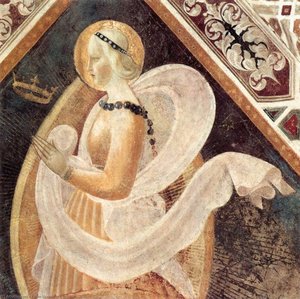
- Frescos San Miniato al Monte 03 (renacimiento temprano, óleo), un fresco que demuestra su innovador uso del color y la luz.
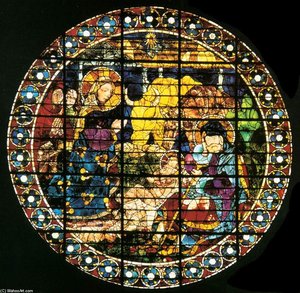
- Adoración del Niño (renacimiento temprano, óleo), una pintura que presenta una representación detallada y naturalista de la forma humana.
- Estudio de caballero (renacimiento temprano, óleo), un autorretrato que muestra su uso seguro y autónomo de los temas en el arte.
influencia y legado
La obra de Uccello tuvo un impacto significativo en el desarrollo del arte renacentista. Su uso de la perspectiva y su énfasis en crear una sensación de profundidad en sus pinturas influyeron en numerosos artistas, incluyendo a Albrecht Dürer, quien también era conocido por su trabajo pionero en el campo de la perspectiva. Movimientos artísticos clave:- El Renacimiento Temprano
- Renacimiento Italiano
- Gótico Tardío
- Paolo Uccello (1397-1475)
- Albrecht Dürer (1471-1528)
- Lorenzo Ghiberti (1379-1455)
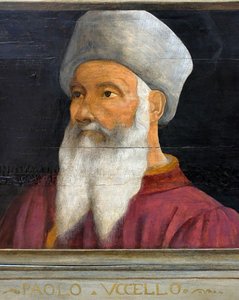
Paolo Uccello
1397 - 1475 , Italia
Datos clave
- Artistas Influenciados: ['Albrecht Dürer']
- Artistas Que Influyeron:
- Lorenzo Ghiberti
- Donatello
- Fecha De Muerte: 1475
- Fecha De Nacimiento: 1397
- Lugar De Nacimiento: Pratovecchio, Italia
- Movimiento Artístico: Renacimiento Temprano
- Nacionalidad: Italiana
- Nombre Completo: Paolo Uccello
- Obras Notables:
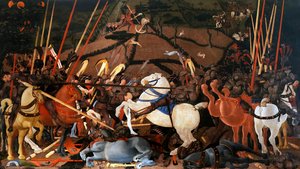
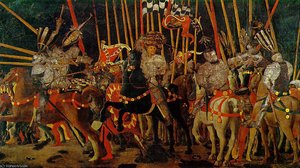
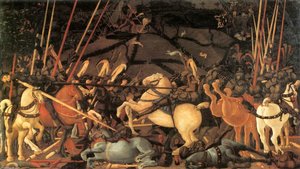
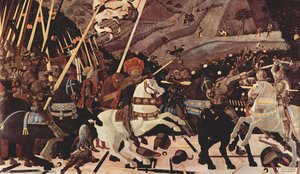
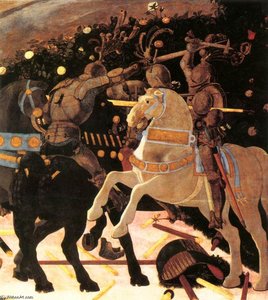
- Batalla de San Romano
- Nacimiento de la Virgen
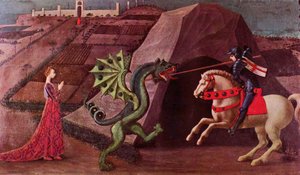
- San Jorge y el Dragón
- La Inundación
Artículos relacionados
Celestial Messengers: Angels in Painting – A Historical & Artistic Exploration
Explore the captivating history of angels in painting! Discover symbolism, iconic Renaissance & Byzantine masterpieces, and renowned artists. Expert insights for art lovers & collectors at ArtsDot.
Celestial Messengers: A Comprehensive Exploration of Angelic Representation in Art History
Explore the captivating history of angels in art! Discover symbolism, iconic Renaissance masterpieces & renowned artists. Expert insights for art lovers & collectors at ArtsDot.
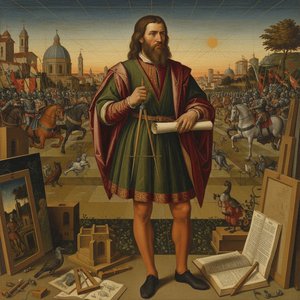
Paolo Uccello: Pioneering Perspective & the Renaissance Pursuit of Visual Truth
Explore the revolutionary art of Paolo Uccello, a Florentine Renaissance master who pioneered perspective. Discover his iconic paintings like 'St. George & The Dragon' and learn about his lasting influence on art history.
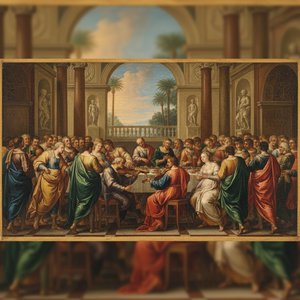
Paolo Veronese: A Renaissance Master of Color, Composition, and Venetian Splendor
Explore the vibrant world of Paolo Veronese, a Renaissance master renowned for his opulent compositions, masterful use of color, and dramatic Venetian scenes. Discover key artworks & legacy.
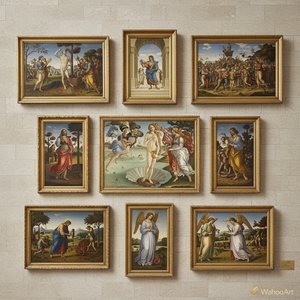
Los 10 Maestros del Renacimiento Temprano: Arte que Transformó el Mundo |
Descubre los 10 maestros del Renacimiento Temprano: Botticelli, Leonardo da Vinci y más. Explora la historia, técnica y belleza de obras icónicas italianas. Reproducciones de arte exclusivas en .