 Ver en contexto
 Enviar
 Compartir
 Detalles

 Descargar
 Similares
 Radiografía
 Presentación de diapositivas
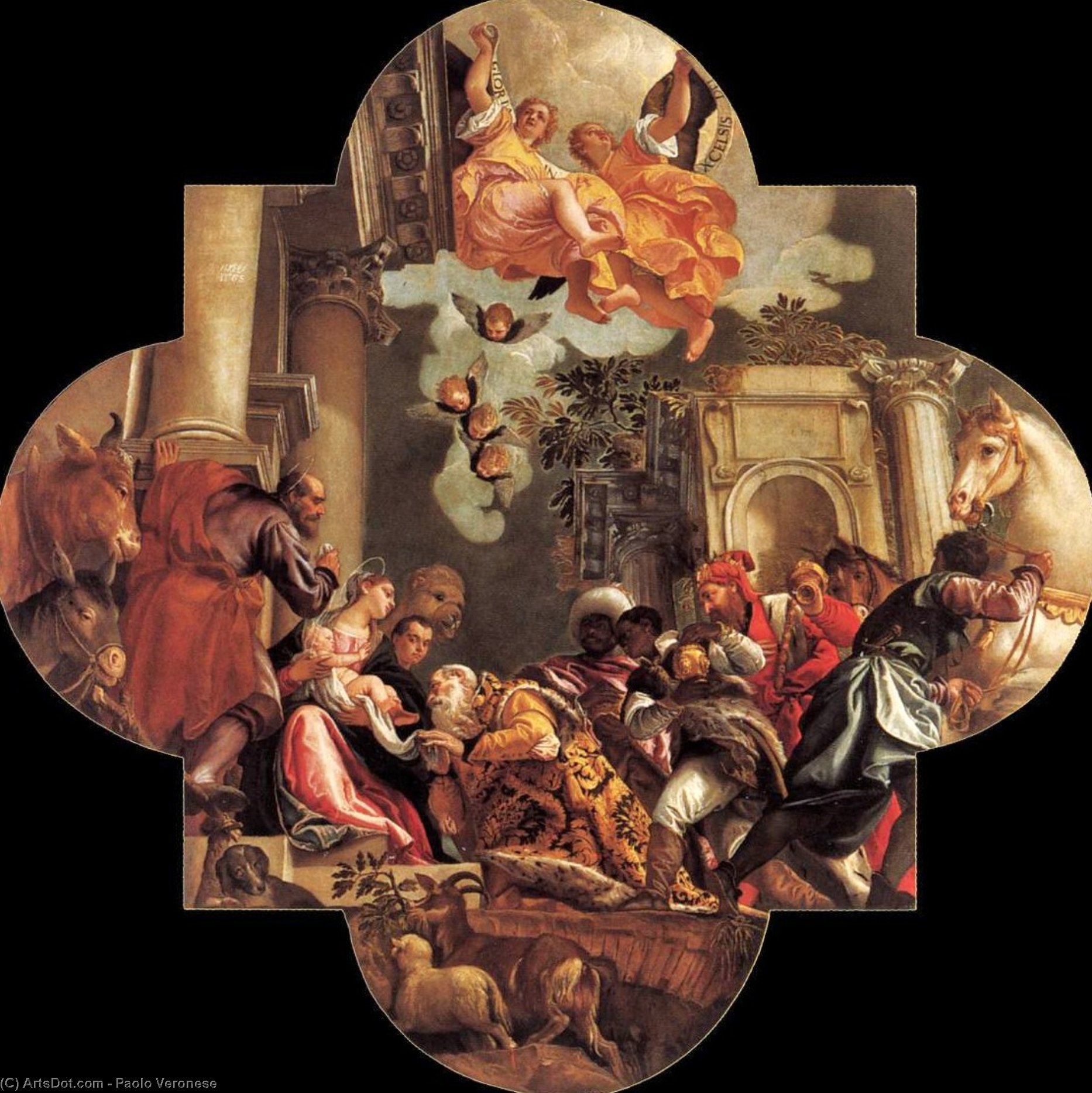
Adoration of the Magi


 Ver más
Giclée / Impresión de arte
Impresiones giclée o en lienzo de calidad de museo con producción rápida y opciones de acabado flexibles. ( Comprar pintura hecha a mano Comprar imagen)




P118B $10

P118H $10

P118W $10

P438Z $10

P508JH $12

P508YH $12

P805H $10

P805Z $10

P919BZ $10

P919G $10

P919XJ $10

P959ZH $10

P968JZ $12

W106C $8

W218G $10

W218JH $8

W218Y $10

W307PJ $10

W316G $10

W316PJ $8

W316Y $10

W398PJ $8

W4111J $10

W500HY $15

W500JH $15

W692G $12

W849H $8

W940BG $15

W953PJ $8




Elija entre nuestros tamaños predefinidos que respetan las proporciones originales de la obra.

Puede introducir sus propias dimensiones para adaptarse a un marco o espacio específico. Si el tamaño seleccionado no coincide con las proporciones de la imagen original, recortaremos la obra de arte o extenderemos la imagen con un borde con efecto espejo o de color sólido. Se enviará una maqueta digital para su aprobación antes de que comience la producción.
Tenga en cuenta que la vista previa en pantalla no refleja el recorte o la extensión real. Solo la maqueta mostrará con precisión la composición final.
Aunque existen tamaños personalizados, recomendamos seleccionar una dimensión de la lista predefinida para preservar las proporciones originales.
Envío a todo el mundo () en 2 semanas en lugar de las 4/5 semanas estándar. (26 agosto)

Envío exprés gratuito a todo el mundo

Lienzo de lino de alta calidad

Seguro de envío total

Garantía de reembolso de impuestos aduaneros

Garantía de fidelidad cromática exacta

Política de devolución de 60 días (solo por defectos)

Garantía de devolución del 100% del dinero

Descuento por cantidad
 La opción de vidrio solo está disponible en tamaños inferiores a 110 cm.

Adoration of the Magi
Giclée / Impresión de arte
Dimensiones de la reproducción
-


Precio total final
$ 62
Descripción de la pieza
A Symphony of Color and Faith: Exploring Paolo Veronese’s ‘Adoration of the Magi’
Paolo Caliari, universally known as Paolo Veronese, stands as a titan amongst Venetian Renaissance artists—a figure whose legacy continues to resonate centuries later. Born in Verona in 1528, his formative years were steeped in the artistic fervor of his hometown, where classical influences mingled with humanist ideals to shape the visual sensibilities of the era. His early training under Antonio Badile and Giovanni Francesco Caroto instilled him with foundational skills in traditional oil painting techniques, yet it was his relocation to Venice in the 1550s that truly propelled him toward artistic greatness. The city itself became Veronese’s unwavering muse—its bustling marketplaces, opulent palaces, and shimmering canals serving as inspiration for a monumental oeuvre characterized by grandeur and meticulous detail.The Canvas of Splendor: Composition and Technique
Veronese's ‘Adoration of the Magi,’ completed in 1573, exemplifies his mastery of Baroque aesthetics. Measuring approximately 4.8 x 6.9 meters (nearly 16 feet by 23 feet), it dominates its chapel space within the Basilica Palladiana of Venice—a deliberate choice reflecting Veronese’s ambition to create a theatrical spectacle for religious devotion. The painting employs a pyramidal composition, drawing viewers' eyes upward towards the central figure of Jesus Christ cradled in Mary’s arms and surrounded by the Magi – Herod, Baltazar, Melchior, Caspar – and their entourage. Veronese meticulously rendered each participant with astonishing realism, utilizing sfumato—a technique pioneered by Leonardo da Vinci—to soften contours and create an ethereal glow that imbues the scene with luminosity. The artist’s masterful brushwork captures the textures of clothing, skin, and drapery with breathtaking accuracy, demonstrating a profound understanding of anatomy and perspective.A Tapestry of Venetian Color: Palette and Light
Veronese's palette is arguably his most celebrated achievement—a riot of vibrant hues that capture the splendor of Venetian aristocratic patronage. He eschewed muted tones favored by earlier Renaissance artists, opting instead for bold reds, blues, yellows, and greens that pulsate with life. These colors are skillfully blended to create a sense of depth and atmosphere, mirroring the reflections on water surfaces and enhancing the dramatic impact of the scene. Veronese’s use of chiaroscuro—the interplay between light and shadow—further amplifies this effect, sculpting figures against illuminated backgrounds and emphasizing emotional expression. The diffused light emanating from unseen sources casts long shadows across the chapel floor, creating a palpable sense of drama and reinforcing the solemnity of the religious narrative.Biblical Narrative Illuminated: Symbolism and Context
‘Adoration of the Magi’ transcends mere visual representation; it is laden with symbolic significance rooted in Christian iconography. The Magi represent the Gentile kings who traveled to Bethlehem to venerate Jesus's birth, symbolizing the universality of Christ’s salvation—reaching beyond Jewish tradition into pagan cultures. The doves perched atop the manger symbolize peace and divine grace, while the star signifies God’s providence guiding humanity toward enlightenment. Veronese’s depiction aligns perfectly with the Counter-Reformation fervor gripping Europe at the time, serving as a powerful affirmation of Catholic faith and artistic excellence. It reflects the Venetian Republic's commitment to preserving its cultural heritage amidst religious upheaval—a testament to Veronese’s enduring influence on Baroque art history.Emotional Resonance: Capturing Sacred Reverence
Ultimately, ‘Adoration of the Magi’ succeeds in conveying a profound sense of spiritual awe and reverence. The faces of the figures are rendered with expressive detail, capturing moments of contemplation and emotion—the tenderness of Mary gazing upon her son, the solemn dignity of Herod surveying the scene. Veronese's meticulous attention to gesture and posture communicates not only physical realism but also psychological depth, inviting viewers into the sacred drama unfolding before their eyes. The painting’s grandeur and vibrancy serve as a reminder of the transformative power of art—its ability to inspire contemplation and elevate the human spirit.Obras relacionadas
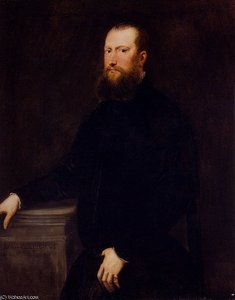
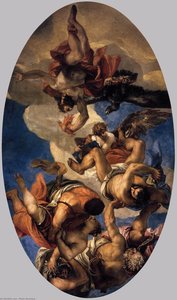
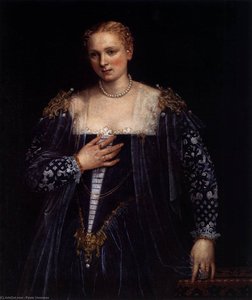
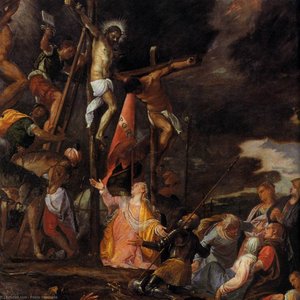
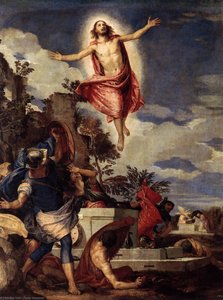
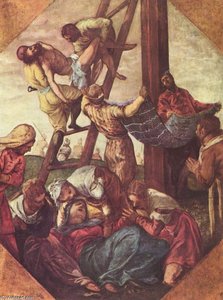
Biografía del artista
Primeros años y formación
Paolo Caliari, conocido como Paolo Veronese, nació en 1528 en Verona, Italia. Era el quinto hijo de un cantero, Gabriele, y su esposa Caterina. La vida temprana de Veronese se caracterizó por su aprendizaje con Antonio Badile y posteriormente con Giovanni Francesco Caroto, ambos pintores líderes en Verona.Estilo artístico e influencias
Veronese desarrolló un estilo pictórico naturalista, influenciado por Tiziano, y es conocido por su uso de colores vibrantes. Su obra se caracteriza por su estilo dramático y colorido, a menudo presentando majestuosas ambientaciones arquitectónicas y pagantry. Las grandes pinturas de Veronese de banquetes bíblicos, llenas de figuras, son especialmente famosas, y también fue el principal pintor veneciano de techos.Obras destacadas y legado
Algunas de las obras más notables de Veronese incluyen:- La boda de Cana (1563), una pintura a gran escala que muestra su uso del color y la composición.
- El banquete en casa de Levi (1573), una obra maestra que demuestra su capacidad para equilibrar el drama y la elegancia.
- Lucrezia: Una impresionante obra maestra del Renacimiento con detalles opulentos y colores ricos.
- Honra (1557): Una obra maestra barroca que presenta tonos cálidos, luz dramática y detalles intrincados.
- Respeto (1575): Una impresionante obra maestra barroca rica en intensidad emocional, realismo y luz dramática.
Influencia cultural e impacto
La influencia de Veronese se puede ver en varios aspectos de la cultura italiana, desde los westerns espagueti hasta la rica tradición del drama y la commedia. Su trabajo continúa inspirando a artistas, incluyendo aquellos que aparecen en ArtsDot, una plataforma que muestra una amplia gama de talento artístico.- Explore más obras de Veronese y la escena artística veneciana en ArtsDot.
- Descubra el patrimonio cultural de Italia, desde sus civilizaciones antiguas hasta su impacto moderno, en Wikipedia.
- 1528: Nació en Verona, Italia
- 1541-1544: Aprendizaje con Antonio Badile y Giovanni Francesco Caroto
- 1563: Finalización de La boda de Cana
- 1573: Finalización del banquete en casa de Levi
- 1588: Falleció, dejando atrás un legado en la pintura veneciana
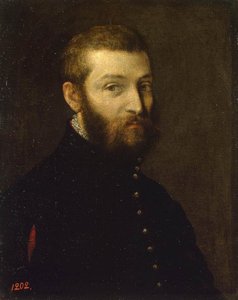
Paolo Veronese
1528 - 1588 , Italia
Datos clave
- Artistas Que Influyeron: ['Tiziano']
- Estilo Artístico: Naturalista, Veneciano
- Fecha De Nacimiento: 1528
- Influencia En Artistas: ['Artistas de WahooArt']
- Lugar De Nacimiento: Verona, Italia
- Nacionalidad: Italiana
- Nombre Completo: Paolo Veronese
- Nombres Alternativos: Paolo Caliari
- Obras Notables:
- La Boda de Caná (1563)
- El Banquete en la casa de Levi (1573)
Artículos relacionados
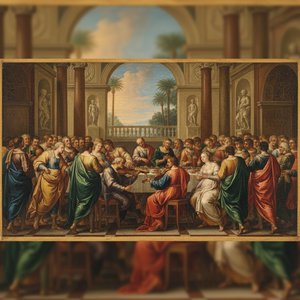
Paolo Veronese: A Renaissance Master of Color, Composition, and Venetian Splendor
Explore the vibrant world of Paolo Veronese, a Renaissance master renowned for his opulent compositions, masterful use of color, and dramatic Venetian scenes. Discover key artworks & legacy.

Jacopo Tintoretto: Las 25 Obras Maestras del Genio Veneciano | Arte y Decoración en ArtsDot
Descubre las 25 obras maestras de Jacopo Tintoretto, el genio veneciano del Renacimiento. Explora su arte dramático, composiciones innovadoras y paleta vibrante. Reproducciones de alta calidad en ArtsDot.com para transformar tu hogar.

The Dramatic Flourish: Exploring the Baroque Movement's Enduring Legacy in Art History
Explore the dramatic world of Baroque art! Discover iconic artists like Caravaggio & Rubens, defining techniques, and its lasting impact on art history. Expert insights for collectors & enthusiasts at ArtsDot.

Drama Barroca: Llevando la Grandeza y la Emoción a los Interiores Contemporáneos
Descubre cómo el drama y la grandeza del arte barroco pueden transformar tus interiores. Guía experta, inspiración y reproducciones de alta calidad en .

Barroco Sublime: 10 Obras Maestras que Definieron una Época |
Descubre las 10 obras maestras del Barroco que marcaron una época. Caravaggio, Bernini y Velázquez cobran vida en . Reproducciones de arte de calidad museo para decorar tu hogar con elegancia. ¡Explora la colección online!