 Ver en contexto
 Enviar
 Compartir
 Detalles

 Descargar
 Similares
 Radiografía
 Presentación de diapositivas
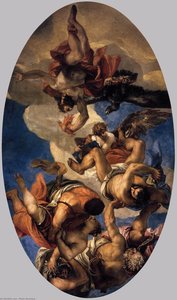
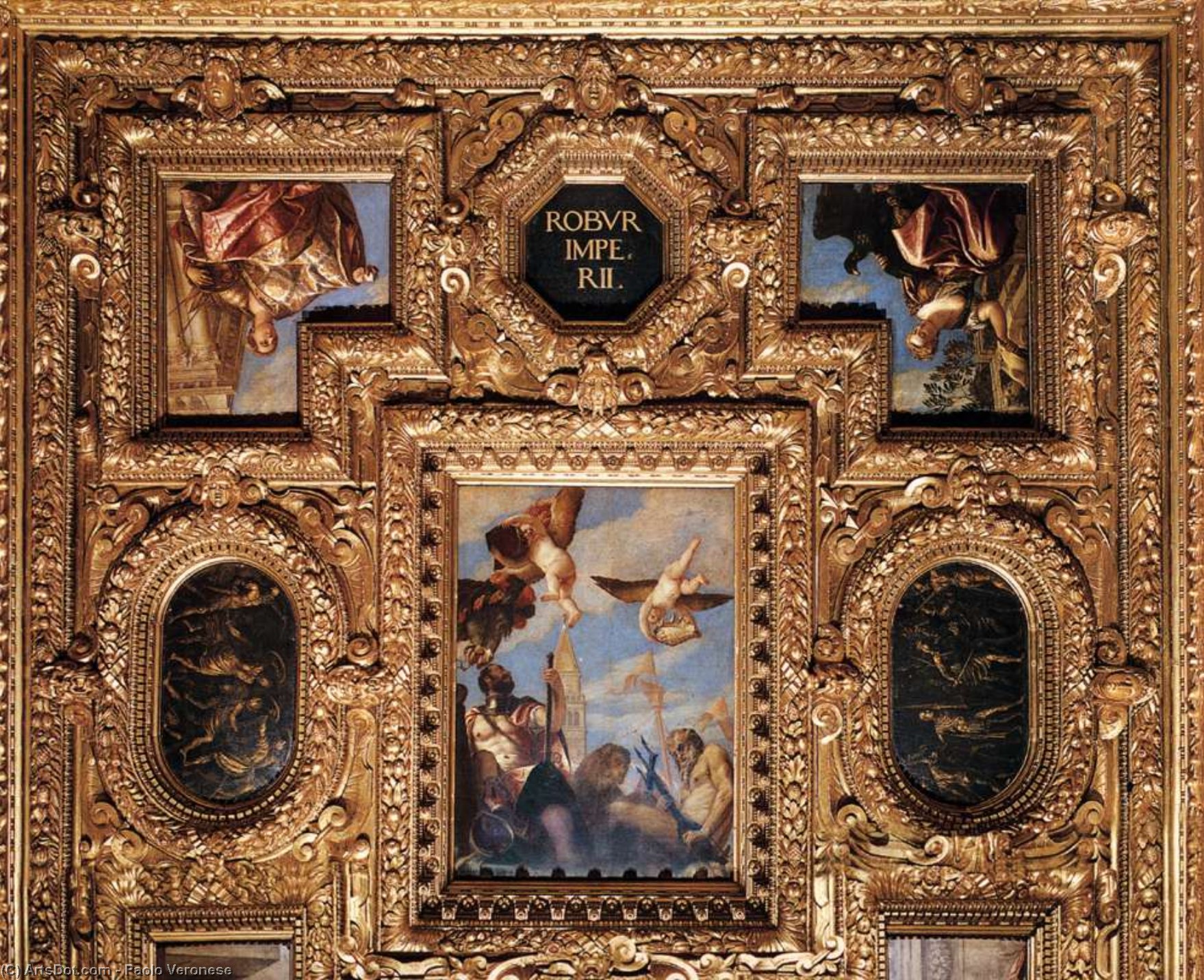
Ceiling decoration (detail) (10)


 Ver más
Reproducción al óleo hecha a mano
Óleo sobre lienzo pintado a mano en el tamaño y marco de su elección, realizado por encargo por nuestros artistas. ( Comprar impresión Comprar imagen)




P118B $10

P118H $10

P118W $10

P438Z $10

P508JH $12

P508YH $12

P805H $10

P805Z $10

P919BZ $10

P919G $10

P919XJ $10

P959ZH $10

P968JZ $12

W106C $8

W218G $10

W218JH $8

W218Y $10

W307PJ $10

W316G $10

W316PJ $8

W316Y $10

W398PJ $8

W4111J $10

W500HY $15

W500JH $15

W692G $12

W849H $8

W940BG $15

W953PJ $8




Elija entre nuestros tamaños predefinidos que respetan las proporciones originales de la obra.

Puede ingresar sus propias dimensiones para adaptarse a un marco o espacio específico. Si el tamaño seleccionado no coincide con las proporciones de la imagen original, recortaremos la obra o extenderemos la pintura con elementos adicionales pintados a mano. Se le enviará una maqueta digital para su aprobación antes de comenzar la producción.
Tenga en cuenta que la vista previa en pantalla no refleja el recorte o la extensión reales. Solo la maqueta mostrará con precisión la composición final.
Si bien existen tamaños personalizados, recomendamos seleccionar una dimensión de la lista predefinida para preservar las proporciones originales.
Tras realizar el pedido, el equipo de ArtsDot.com enviará un correo electrónico al cliente para solicitar instrucciones y proporcionarle una vista previa del boceto.
Envío a todo el mundo () en 3-4 semanas en lugar de las 5 semanas estándar. (24 agosto). Sin comprometer la calidad.

Envío exprés gratuito a todo el mundo

Lienzo de lino de alta calidad

Seguro de envío total

Garantía de reembolso de impuestos aduaneros

Garantía de fidelidad cromática exacta

Política de devolución de 60 días (solo por defectos)

Garantía de devolución del 100% del dinero

Descuento por cantidad
 La opción de vidrio solo está disponible en tamaños inferiores a 110 cm.

Ceiling decoration (detail) (10)
Técnica de reproducción
Dimensiones de la reproducción
-


Precio total final
$ 263
Descripción de la obra
Paolo Veronese’s Celestial Tapestry: A Window into Venetian Splendor
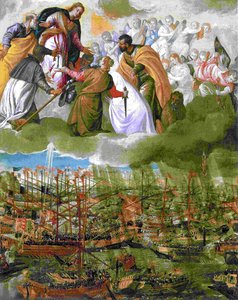
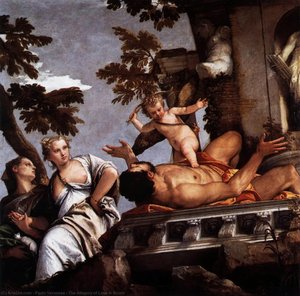
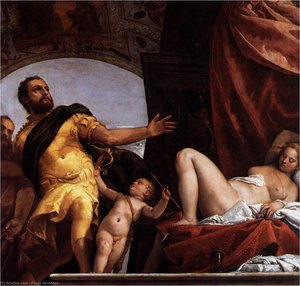
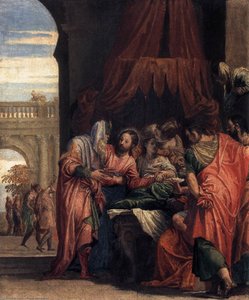
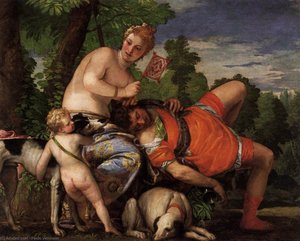
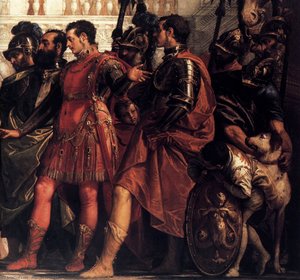
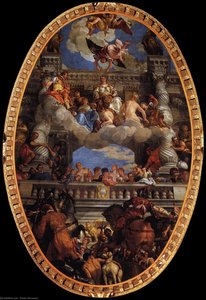
The ceiling of the Sala del Collegio in Venice's Palazzo Ducale isn’t merely a painted surface; it’s an immersive theatrical experience, a testament to Paolo Veronese’s unparalleled mastery of color, composition, and illusion. Completed between 1578 and 1582, this monumental fresco cycle transports the viewer into a vibrant world of biblical narratives, allegorical figures, and opulent Venetian grandeur. More than just decoration, it represents a profound meditation on faith, power, and the very essence of the Republic itself.
Veronese’s genius lies in his ability to seamlessly blend classical influences with the distinctive Venetian style. He inherited from Titian's legacy a deep appreciation for rich color palettes and dynamic brushwork, yet he pushed beyond mere imitation, developing a uniquely personal approach characterized by an almost theatrical exuberance. The scale of the work—spanning over 100 square meters—demands attention, drawing the eye into a meticulously crafted panorama teeming with figures, architectural details, and symbolic gestures. The sheer density of detail, from the shimmering fabrics to the expressions on the faces of the assembled crowds, is breathtaking, showcasing Veronese’s extraordinary skill in rendering human form and creating a sense of palpable depth.
A Symphony of Color and Composition
At first glance, the ceiling appears overwhelmingly busy—a veritable explosion of figures and architectural elements. However, closer inspection reveals a remarkably sophisticated compositional structure. Veronese employs a complex system of interlocking triangles and diagonals to create a sense of dynamism and movement, guiding the viewer’s eye across the vast expanse of the fresco. The color palette is equally masterful, dominated by rich reds, blues, and golds—colors that evoke both the splendor of Venice and the divine light of heaven. He masterfully uses *chiaroscuro*, employing dramatic contrasts between light and shadow to sculpt the figures and heighten their emotional impact. Notice how he utilizes subtle gradations of color to create a sense of volume and depth, making the figures appear almost three-dimensional.
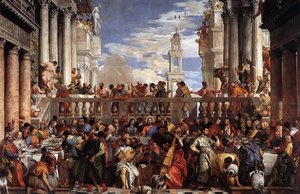
The central panels depict scenes from the Book of Genesis, notably “The Wedding at Cana” (1563), which is now housed in the Gallerie dell’Accademia in Venice. These aren't simple depictions of biblical events; they are carefully staged compositions designed to convey moral and political messages relevant to Venetian society. The figures are not merely passive observers but active participants, engaged in elaborate rituals and gestures that celebrate civic virtue and religious devotion.
Symbolism Woven into the Fabric of Faith
Beyond the biblical narratives, the ceiling is laden with symbolism—a visual language designed to communicate complex theological ideas. The presence of numerous figures, both clothed and nude, represents the diversity of humanity and the interconnectedness of all things. The allegorical figures, such as Meekness and Justice, embody abstract virtues that were considered essential for a thriving republic. The inclusion of classical motifs—statues, columns, and architectural elements—references the legacy of ancient Greece and Rome, suggesting that Venetian ideals were rooted in both Christian faith and classical wisdom.
Furthermore, the ceiling’s design reflects Venice's unique position as a maritime power. The depiction of ships, canals, and bustling marketplaces underscores the city’s wealth and influence—a testament to its role as a center of trade and culture. The careful arrangement of figures and elements creates a harmonious balance between earthly splendor and divine grace, reflecting Veronese’s belief that beauty and virtue are inextricably linked.
A Legacy of Opulence and Innovation
Paolo Veronese's ceiling at the Palazzo Ducale remains one of the most celebrated achievements in Venetian art. Its scale, color, and complexity set a new standard for monumental fresco cycles, influencing generations of artists who followed. His innovative use of perspective, his mastery of color, and his ability to seamlessly blend classical and Christian themes continue to captivate viewers today. Reproductions of this magnificent work offer a glimpse into the opulent world of Renaissance Venice—a world where art served as both a reflection of faith and a celebration of civic pride.
Obras relacionadas
Biografía del artista
Primeros años y formación
Paolo Caliari, conocido como Paolo Veronese, nació en 1528 en Verona, Italia. Era el quinto hijo de un cantero, Gabriele, y su esposa Caterina. La vida temprana de Veronese se caracterizó por su aprendizaje con Antonio Badile y posteriormente con Giovanni Francesco Caroto, ambos pintores líderes en Verona.Estilo artístico e influencias
Veronese desarrolló un estilo pictórico naturalista, influenciado por Tiziano, y es conocido por su uso de colores vibrantes. Su obra se caracteriza por su estilo dramático y colorido, a menudo presentando majestuosas ambientaciones arquitectónicas y pagantry. Las grandes pinturas de Veronese de banquetes bíblicos, llenas de figuras, son especialmente famosas, y también fue el principal pintor veneciano de techos.Obras destacadas y legado
Algunas de las obras más notables de Veronese incluyen:- La boda de Cana (1563), una pintura a gran escala que muestra su uso del color y la composición.
- El banquete en casa de Levi (1573), una obra maestra que demuestra su capacidad para equilibrar el drama y la elegancia.
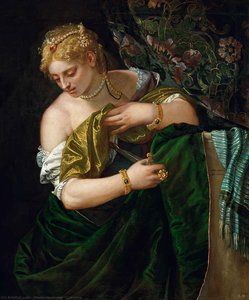
- Lucrezia: Una impresionante obra maestra del Renacimiento con detalles opulentos y colores ricos.
- Honra (1557): Una obra maestra barroca que presenta tonos cálidos, luz dramática y detalles intrincados.
- Respeto (1575): Una impresionante obra maestra barroca rica en intensidad emocional, realismo y luz dramática.
Influencia cultural e impacto
La influencia de Veronese se puede ver en varios aspectos de la cultura italiana, desde los westerns espagueti hasta la rica tradición del drama y la commedia. Su trabajo continúa inspirando a artistas, incluyendo aquellos que aparecen en ArtsDot, una plataforma que muestra una amplia gama de talento artístico.- Explore más obras de Veronese y la escena artística veneciana en ArtsDot.
- Descubra el patrimonio cultural de Italia, desde sus civilizaciones antiguas hasta su impacto moderno, en Wikipedia.
- 1528: Nació en Verona, Italia
- 1541-1544: Aprendizaje con Antonio Badile y Giovanni Francesco Caroto
- 1563: Finalización de La boda de Cana
- 1573: Finalización del banquete en casa de Levi
- 1588: Falleció, dejando atrás un legado en la pintura veneciana
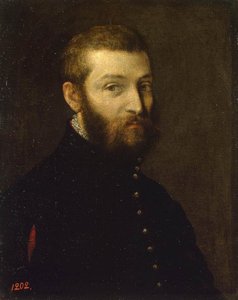
Paolo Veronese
1528 - 1588 , Italia
Datos clave
- Artistas Que Influyeron: ['Tiziano']
- Estilo Artístico: Naturalista, Veneciano
- Fecha De Nacimiento: 1528
- Influencia En Artistas: ['Artistas de WahooArt']
- Lugar De Nacimiento: Verona, Italia
- Nacionalidad: Italiana
- Nombre Completo: Paolo Veronese
- Nombres Alternativos: Paolo Caliari
- Obras Notables:
- La Boda de Caná (1563)
- El Banquete en la casa de Levi (1573)
Artículos relacionados
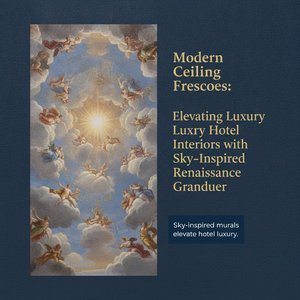
El Fresco Moderno en Techo: Un Cielo Interior para Diseñadores de Hotel
Descubre el arte del fresco moderno para hoteles. Expertos en diseño mural y restauración. te ofrece soluciones personalizadas, calidad superior y un legado artístico único.
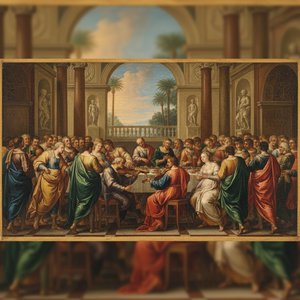
Paolo Veronese: A Renaissance Master of Color, Composition, and Venetian Splendor
Explore the vibrant world of Paolo Veronese, a Renaissance master renowned for his opulent compositions, masterful use of color, and dramatic Venetian scenes. Discover key artworks & legacy.

Legado en las Paredes: Frescos Familiares que Trascienden el Tiempo
Descubre el arte del fresco muralístico para inmortalizar tu historia familiar. Expertos en frescos personalizados y técnicas ancestrales. Crea un legado visual único con .

The Enduring Legacy of Fresco Painting: Techniques, History & Contemporary Relevance
Explore the rich history & enduring artistry of fresco painting – from Giotto to Michelangelo! Discover techniques, conservation efforts, & modern applications. Learn how ArtsDot brings this timeless art form to your home.

The Enduring Legacy of Fresco: Technique, History & Artistic Expression Across Cultures
Explore the rich history & enduring legacy of fresco painting! Discover ancient techniques, Giotto's masterpieces, and modern applications. Expert insights for art lovers & professionals.